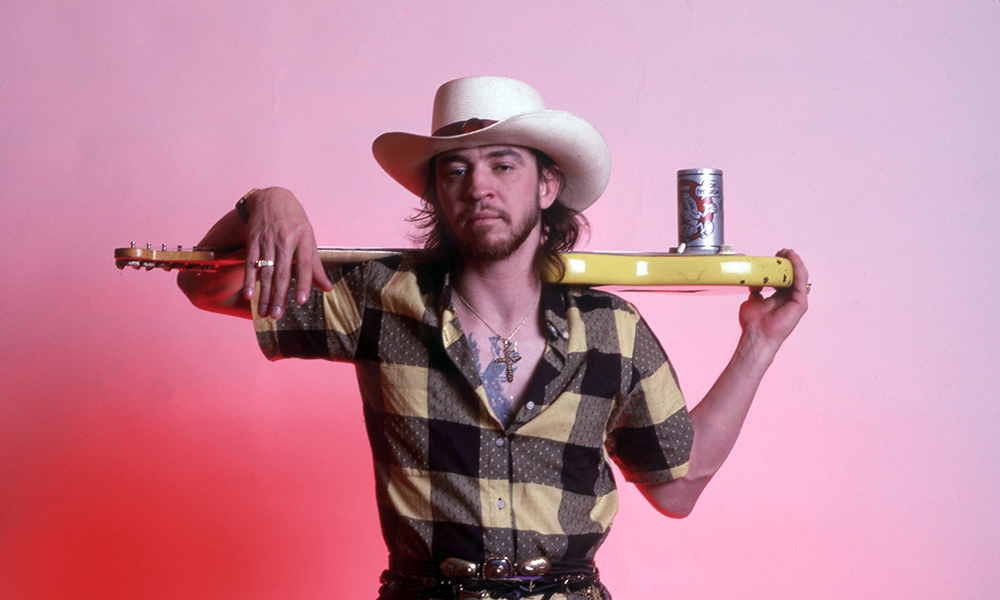
Few guitarists have ever played with the fire, emotion, and sheer intensity of Stevie Ray Vaughan. Emerging from Texas with a battered Stratocaster, a towering sound, and a deep love for blues tradition, Vaughan reignited mainstream interest in blues music during the nineteen eighties while pushing the genre into electrifying new territory. His playing combined the raw soul of Delta blues, the swagger of Texas roadhouse music, and the explosive power of rock and roll, creating performances that felt both technically astonishing and emotionally fearless. Whether delivering scorching guitar solos, slow burning blues laments, or high energy shuffle grooves, Stevie Ray Vaughan played every note as though his entire spirit depended on it. His music carried joy, pain, struggle, passion, and redemption in equal measure. Decades after his passing, his greatest songs remain legendary because they showcase an artist whose guitar could roar, cry, whisper, and explode with unmatched authenticity.
1. Pride and Joy
“Pride and Joy” is the song that introduced many listeners to Stevie Ray Vaughan’s blazing Texas blues sound, and it remains one of the most recognizable recordings of his career. Released on Texas Flood, the track captures Vaughan and Double Trouble in full command of a swaggering shuffle groove that feels both timeless and electrifying. The guitar tone is thick, biting, and full of life, with every bend and snap carrying the force of a player who understood blues tradition from the inside out. Vaughan’s vocal has a rough charm that perfectly suits the lyric’s celebration of devotion, confidence, and romantic pride. What makes “Pride and Joy” so enduring is its balance of grit and joy. It is a love song, but it moves like a barroom dance floor packed shoulder to shoulder. The rhythm section swings hard without getting in the way, giving Vaughan room to fire off licks that feel spontaneous yet perfectly placed. His soloing is not just technical flash. It is conversation, attitude, and emotion. “Pride and Joy” remains essential because it shows the complete Stevie Ray Vaughan package: fierce guitar command, deep blues vocabulary, Texas confidence, and the rare ability to make old forms sound thrillingly alive again.
2. Texas Flood
“Texas Flood” is one of Stevie Ray Vaughan’s greatest slow blues statements, a towering performance that proved he could stretch pain, tone, and silence into something monumental. Originally written and recorded by Larry Davis, the song became deeply associated with Vaughan because of the sheer emotional force he brought to it. His guitar does not simply accompany the vocal. It speaks, pleads, groans, and erupts between the lines, turning the track into a dramatic dialogue between voice and instrument. The brilliance of “Texas Flood” lies in its patience. Vaughan allows the song to breathe, leaning into long bends and aching phrases that make every note feel heavy with weather, loneliness, and desire. His tone is massive but never careless, full of sustain, bite, and human warmth. The rhythm section provides a slow, steady foundation, creating the space needed for Vaughan’s guitar to become the emotional center. His vocal performance is raw and convincing, but it is the guitar that truly floods the room. The song remains one of his most popular recordings because it captures the blues as both discipline and release. “Texas Flood” is not just a showcase of skill. It is a masterclass in feeling, restraint, and the expressive power of a single note played with absolute conviction.
3. Little Wing
“Little Wing” is one of Stevie Ray Vaughan’s most beautiful instrumental performances, a deeply reverent interpretation of the Jimi Hendrix classic that reveals his lyrical sensitivity as much as his technical brilliance. Without a vocal, Vaughan turns the guitar into the singer, shaping every phrase with tenderness, fire, and extraordinary nuance. The track feels almost sacred, not because it is quiet all the way through, but because Vaughan treats the melody with such respect. His version is not a simple copy of Hendrix. It is a loving conversation with the original, filtered through Vaughan’s Texas blues soul and unmistakable touch. The opening phrases shimmer with warmth, while the later passages rise into powerful bursts of emotion without losing the song’s dreamlike center. His bends are vocal, his vibrato is rich, and his dynamic control gives the performance a sense of storytelling. Few guitarists could make an instrumental feel so emotionally direct. Vaughan seems to understand that the song’s magic lies not in speed, but in space, tone, and grace. “Little Wing” remains one of his most cherished recordings because it shows another side of his artistry. Beyond the fierce shuffles and explosive solos, he could be delicate, poetic, and deeply expressive, turning a beloved composition into a personal act of devotion.
4. Cold Shot
“Cold Shot” is one of Stevie Ray Vaughan’s most accessible and groove centered songs, a blues shuffle with a wounded heart and an instantly memorable feel. The track tells the story of a relationship that has gone wrong, but Vaughan delivers it with enough swing and sly energy to keep the heartbreak moving. His vocal has a weary, conversational quality, as if he has accepted the pain but still cannot quite believe how cold the situation became. The guitar work is sharp, economical, and full of personality. Rather than overwhelming the song with endless fireworks, Vaughan plays in a way that serves the groove, adding stinging fills and expressive bends that underline the lyric’s disappointment. The rhythm section gives the track a relaxed but steady push, allowing the song to feel laid back and emotionally tense at the same time. “Cold Shot” also became a favorite because it showed Vaughan’s ability to make the blues work within a catchy, radio friendly structure without diluting the style. The chorus is easy to remember, the groove is irresistible, and the performance carries the authenticity of a player who never treated blues as costume. “Cold Shot” remains popular because it is compact, stylish, and deeply human, turning romantic rejection into one of Vaughan’s most satisfying musical rides.
5. Crossfire
“Crossfire” is one of Stevie Ray Vaughan’s strongest late career songs, a muscular blues rock anthem that captures frustration, pressure, and survival with a driving modern edge. Released on In Step, the song arrived during a period when Vaughan had emerged from personal struggle with renewed focus and clarity. The track has a tougher, more polished sound than some of his earlier recordings, but it still carries the raw guitar authority that made him legendary. “Crossfire” works because it channels emotional and social tension into a groove that feels urgent without losing its blues foundation. Vaughan’s vocal is gritty and direct, delivering the lyric like someone standing in the middle of trouble and refusing to fold. His guitar tone cuts through with power, providing flashes of fire while allowing the song’s strong rhythm and hook to remain central. The bass and drums give the track a solid, almost marching confidence, pushing it forward with purpose. Its popularity comes from its combination of message, groove, and performance. “Crossfire” shows Vaughan not only as a guitarist of astonishing gifts, but as an artist capable of shaping a complete song with lasting impact. It remains one of his most beloved recordings because it sounds like resilience made electric.
6. Couldn’t Stand the Weather
“Couldn’t Stand the Weather” is one of Stevie Ray Vaughan’s most explosive and rhythmically exciting tracks, a song that blends blues, funk, rock force, and Texas swagger into a storm of sound. From the opening groove, the recording feels alive with tension and movement. The rhythm section locks into a sharp pocket, while Vaughan’s guitar slices across the track with authority, shifting between tight rhythmic accents and searing lead phrases. The song’s title works as both a blues image and a statement of pressure. It suggests emotional strain, changing conditions, and the difficulty of holding steady when life begins to turn rough. Vaughan sings with urgency, but the guitar is the real weather system here, building and breaking with unpredictable force. The track also reveals how adventurous Double Trouble could be when expanding beyond straight blues formats. There is a fierce rhythmic sophistication in the way the band moves, giving Vaughan a springboard for some of his most exciting playing. “Couldn’t Stand the Weather” remains popular because it captures the high voltage side of his artistry. It is not merely a showcase of guitar power, though there is plenty of that. It is a complete band performance, full of groove, tension, confidence, and the feeling of a storm gathering in real time.
7. The Sky Is Crying
“The Sky Is Crying” is one of Stevie Ray Vaughan’s most soulful blues interpretations, a performance that honors Elmore James while revealing Vaughan’s own emotional depth. The song uses one of the great blues images, a sky weeping in sympathy with a broken heart, and Vaughan brings that image to life with extraordinary sensitivity. His guitar tone is thick, vocal, and aching, carrying the kind of sorrow that feels too large for ordinary speech. What makes his version so powerful is the way he balances reverence with individuality. He clearly understands the song’s blues lineage, but he does not treat it like a museum piece. He inhabits it fully, shaping each phrase with his own fire and tenderness. The vocal is sincere and weathered, but the guitar does much of the grieving. Every bend feels like rain sliding down a window. Every pause gives the sadness room to settle. The rhythm section supports the mood with restraint, allowing Vaughan’s phrasing to remain the focus. “The Sky Is Crying” remains one of his most popular songs because it shows how deeply he could connect with traditional blues material. It is not about speed or volume. It is about tone, timing, and the ability to make heartbreak sound elemental.
8. Mary Had a Little Lamb
“Mary Had a Little Lamb” is one of Stevie Ray Vaughan’s most joyful and crowd pleasing recordings, a playful blues number that turns a familiar nursery rhyme phrase into a swinging guitar showcase. Originally associated with Buddy Guy, the song gave Vaughan a chance to show his lighter side while still playing with fierce precision. The groove is bright, quick, and infectious, with Double Trouble moving in a tight shuffle that gives the track irresistible forward motion. Vaughan sings with a grin in his voice, leaning into the fun of the lyric without treating it as a joke. That balance is crucial. He brings humor and playfulness, but the musicianship remains serious. His guitar fills are crisp, biting, and full of rhythmic personality, showing how deeply he understood the Chicago blues language as well as the Texas tradition. The song became popular because it is approachable and technically thrilling at once. Listeners can enjoy its playful surface, while guitar fans can dig into the precision and authority of Vaughan’s phrasing. “Mary Had a Little Lamb” also demonstrates his gift for taking borrowed material and making it feel completely at home in his own sound. It remains a favorite because it captures blues as celebration, not only sorrow, with joy pouring out of every riff.
9. Riviera Paradise
“Riviera Paradise” is one of Stevie Ray Vaughan’s most elegant and emotionally revealing instrumentals, a piece that shows his ability to create beauty through restraint, tone, and atmosphere. Unlike the fiery shuffles and hard hitting blues rock songs that made him famous, this track moves with a gentle, jazz influenced grace. The mood is spacious, reflective, and almost dreamlike, giving the listener a chance to hear Vaughan’s melodic imagination in a softer setting. Every note feels carefully breathed rather than forced. His phrasing is lyrical and patient, with bends and vibrato that carry deep feeling without needing a single sung word. The rhythm section plays with exquisite sensitivity, creating a calm foundation that allows the guitar to drift, glow, and speak. “Riviera Paradise” is especially moving because it came from the later part of Vaughan’s life, when his music often reflected a sense of renewal and inner clarity. The track feels peaceful, but not empty. It carries memory, gratitude, and quiet emotion. Its popularity among fans comes from the way it expands the image of Vaughan as an artist. He was not only a blazing blues warrior. He was also capable of tenderness, elegance, and spiritual calm. “Riviera Paradise” remains a masterpiece because it lets the guitar whisper as powerfully as it could roar.
10. Life by the Drop
“Life by the Drop” is one of Stevie Ray Vaughan’s most intimate and poignant recordings, a stripped down acoustic performance that feels like a personal farewell even though it was not intended that way. Written by Doyle Bramhall and Barbara Logan, the song gained deep emotional resonance after Vaughan’s passing, partly because its themes of friendship, time, memory, and hard lived experience seem to echo his own journey. The arrangement is simple, centered on acoustic guitar and voice, allowing the lyric to come forward with unusual clarity. Vaughan’s performance is gentle, reflective, and deeply human. Without the thunder of an electric band, listeners can hear the grain of his voice, the touch of his fingers, and the emotional sincerity behind every phrase. The song looks back on shared roads, youthful dreams, and the way life teaches people slowly, one experience at a time. Its title suggests survival in small measures, a fitting image for an artist whose life included struggle, recovery, and remarkable creative fire. “Life by the Drop” remains one of his most beloved songs because it reveals the man behind the guitar hero legend. It is humble, warm, and quietly devastating, offering a final glimpse of Vaughan’s soul in its most unguarded form.

Edward Tomlin is a frequent contributor to Singers Room. Since 2005, Singersroom has been the voice of R&B around the world. Connect with us via social media below.