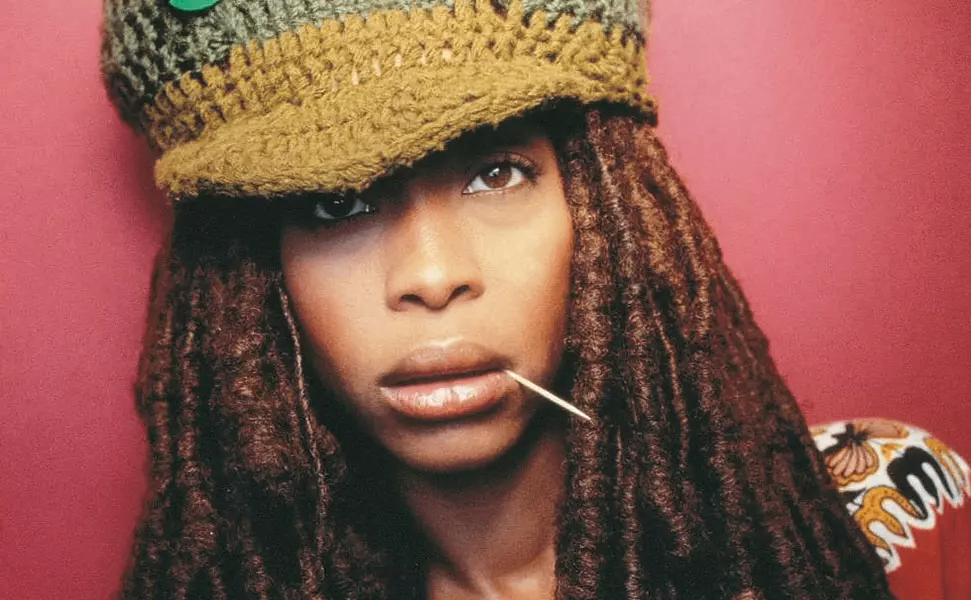
Few artists have blended soul, jazz, hip hop, and spiritual introspection as effortlessly as Erykah Badu. Emerging in the late nineteen nineties as one of the defining voices of neo soul, Badu brought a style that felt timeless and futuristic at the same moment. Her music carried the warmth of classic rhythm and blues while embracing experimental grooves, poetic storytelling, and deeply personal reflection. With her unmistakable voice, magnetic presence, and fearless artistic individuality, she created songs that could feel seductive, philosophical, playful, and emotionally raw all within the same performance. Erykah Badu never followed trends. She built an entire musical world rooted in honesty, creativity, and atmosphere. Across her career, she delivered unforgettable recordings that reshaped modern soul music and influenced generations of artists. Her greatest songs remain essential because they combine groove, intelligence, vulnerability, and artistic freedom in a way that still sounds completely unique today.
1. On & On
“On & On” is the song that introduced Erykah Badu to the world as one of the most distinctive voices of modern soul. Released in 1997, the track became an instant signature because it sounded both ancient and futuristic, rooted in jazz, rhythm and blues, hip hop, and spiritual reflection. Badu’s vocal performance is cool, airy, and unmistakably her own, floating over a groove that feels relaxed but deeply intentional. The song’s lyrics weave everyday wisdom with Five Percent Nation references, cosmic imagery, and personal philosophy, creating a sound that invited listeners to think as much as they moved. “On & On” became a defining neo soul anthem because it did not chase radio trends. It created its own atmosphere. The bassline is warm, the drums are subtle, and Badu’s phrasing gives each line a conversational rhythm that feels intimate and hypnotic. What makes the song so enduring is its balance of accessibility and depth. It is catchy enough to become a major hit, yet layered enough to reward repeated listening decades later. “On & On” remains one of Badu’s most popular songs because it captures her entire artistic identity in one graceful statement: soulful, mystical, intelligent, playful, and impossible to imitate.
2. Bag Lady
“Bag Lady” is one of Erykah Badu’s most beloved songs because it turns emotional baggage into a vivid, memorable, and deeply compassionate metaphor. Released in 2000, the track speaks to anyone carrying old wounds, failed relationships, regrets, fears, and expectations that make it harder to move freely through life. Badu sings with the tone of a friend, a healer, and a truth teller all at once. She does not judge the woman at the center of the song. Instead, she gently encourages her to let go before the weight becomes too much to bear. That tenderness is what gives “Bag Lady” its lasting power. The groove is mellow and spacious, with a soulful bounce that keeps the song from feeling heavy even while it addresses painful emotional truths. Badu’s voice glides with warmth and wisdom, making the hook feel like both advice and affirmation. The song also stands out because it reflects her rare ability to make personal growth sound musical rather than preachy. “Bag Lady” became a major favorite because its message is universal. Everyone carries something. Everyone has memories they need to unpack. Badu turned that idea into one of the most graceful and healing songs in contemporary soul.
3. Tyrone
“Tyrone” is one of Erykah Badu’s most iconic performances, a live recording that became a cultural phenomenon because of its humor, attitude, and fearless honesty. The song feels spontaneous, conversational, and brilliantly direct, as Badu addresses a disappointing lover who keeps bringing his friends around while failing to handle his responsibilities. What makes “Tyrone” so special is the way it turns frustration into performance art. Badu does not sound bitter in a simple way. She sounds amused, fed up, self aware, and completely in control. Her delivery makes every line feel like a scene from real life, full of timing, wit, and emotional precision. The stripped down live arrangement gives the song room to breathe, allowing the audience’s reactions to become part of the recording’s magic. That connection between performer and crowd is essential to the song’s appeal. It feels like a shared moment of recognition, especially for listeners who understand the comedy and pain of loving someone who refuses to grow up. “Tyrone” remains one of Badu’s most popular songs because it captures her charisma at full strength. It is funny, soulful, sharp, and empowering, proving that she can make a simple phrase feel like a complete declaration of independence.
4. Didn’t Cha Know
“Didn’t Cha Know” is one of Erykah Badu’s most beautiful and introspective recordings, a song that feels like wandering through uncertainty with grace. Produced with a warm, dreamlike texture, the track captures the feeling of searching for direction while accepting that life rarely moves in a straight line. Badu’s voice is soft but focused, carrying the emotional tone of someone asking questions without demanding immediate answers. The song’s groove is gentle, almost floating, with drums and bass that feel grounded enough to hold the listener while the melody drifts into reflective space. “Didn’t Cha Know” resonates because it treats confusion as part of wisdom rather than failure. Badu sings about losing her way, making choices, and learning through movement, all with a calm honesty that feels deeply human. The song is also a superb example of her ability to merge soul, jazz, and hip hop sensibilities into a seamless sound. Nothing feels forced. Every instrument seems to leave room for breath, thought, and feeling. Its popularity has endured because it speaks to moments when people are not sure where they are going but continue forward anyway. “Didn’t Cha Know” is reflective soul music at its finest, wise enough to admit that not knowing can be part of the journey.
5. Next Lifetime
“Next Lifetime” is one of Erykah Badu’s most emotionally elegant songs, a thoughtful meditation on love, timing, commitment, and desire. The track explores a situation that could easily become melodramatic in another artist’s hands: feeling a deep connection with someone while already being tied to another relationship. Badu approaches the subject with remarkable maturity. She does not turn the song into scandal or fantasy. Instead, she frames it as a spiritual and emotional dilemma, wondering whether love denied in this life might find its place in another. That idea gives “Next Lifetime” its haunting beauty. The production is smooth and spacious, creating a late night mood that allows her voice to glide through the arrangement with delicate control. Badu’s phrasing is tender but restrained, suggesting longing without surrendering to recklessness. The song’s popularity comes from its emotional realism. Many love songs celebrate possession or instant gratification, but “Next Lifetime” recognizes that love can be real even when it cannot be acted upon. It is romantic, but also responsible. It is dreamy, but not naive. Badu turns impossible timing into soulful poetry, making the song one of the most memorable and sophisticated moments in her catalog.
6. Love of My Life (An Ode to Hip Hop)
“Love of My Life (An Ode to Hip Hop)” is one of Erykah Badu’s most joyful and culturally rich songs, a tribute that uses romance as a metaphor for her lifelong relationship with hip hop. Featuring Common, the track feels warm, nostalgic, and affectionate, celebrating the music not as a passing trend but as a living companion that shaped identity, memory, and creativity. Badu sings with playful sweetness, making the central metaphor feel natural rather than forced. Hip hop becomes the beloved figure, the old friend, the first crush, and the enduring source of inspiration. The brilliance of the song lies in how personally it treats a cultural movement. Instead of describing hip hop from a distance, Badu makes it intimate, showing how music can become woven into someone’s emotional history. The groove is smooth and upbeat, with a soulful bounce that perfectly matches the affectionate tone. Common’s presence adds depth and continuity, reinforcing the connection between neo soul and conscious hip hop that defined an important era of Black music. “Love of My Life” became popular because it feels celebratory without being shallow. It honors the culture with warmth, intelligence, and rhythm. For Badu, hip hop is not just a sound. It is memory, community, language, and love.
7. Window Seat
“Window Seat” is one of Erykah Badu’s most daring and vulnerable songs, a meditation on freedom, solitude, public judgment, and the desire to escape without disappearing completely. The track has a soft, breezy groove that feels deceptively gentle, but beneath that calm surface is a deep emotional tension. Badu sings about wanting space, wanting room to think, and wanting liberation from the expectations of others. “Window Seat” became especially discussed because of its provocative visual presentation, but the song itself is powerful even without that context. Musically, it is warm and fluid, built around a relaxed rhythm that mirrors the feeling of looking out from a moving plane, suspended between where one has been and where one is going. Badu’s voice carries both confidence and exhaustion, making the song feel like a confession from someone who values connection but also needs distance to survive. The lyrics speak to artists, introverts, dreamers, and anyone who has felt watched too closely by the world. Its popularity endures because it captures a very modern tension: the need for individuality in a culture that constantly observes and judges. “Window Seat” is soulful, brave, and quietly radical, proving Badu’s gift for making personal freedom sound deeply musical.
8. Honey
“Honey” is one of Erykah Badu’s sweetest and most playful songs, a bright groove that shows her lighter side without sacrificing musical sophistication. Released during a later phase of her career, the track feels colorful, funky, and affectionate, built around a sense of flirtation that is more charming than dramatic. Badu’s vocal performance is relaxed and sly, moving through the melody with the ease of someone who knows exactly how to make understatement feel magnetic. “Honey” works because it does not try too hard to prove anything. It simply settles into a delicious groove and lets the mood shine. The production has a vintage soul warmth, with bass, drums, and textures that create an atmosphere of sweetness and motion. There is humor in the song, too, especially in the way Badu plays with desire as something both sincere and a little mischievous. Her artistry has often been associated with deep spiritual inquiry and philosophical lyricism, but “Honey” reminds listeners that pleasure, fun, and flirtatious energy are also part of her musical universe. The song remains popular because it feels instantly inviting. It is smooth, catchy, stylish, and full of personality, a reminder that Erykah Badu can make even a simple love soaked groove feel unmistakably her own.
9. Appletree
“Appletree” is one of Erykah Badu’s early gems, a song that captures the free spirited intelligence and jazz infused personality that made her debut so refreshing. The track moves with an easy swing, blending soul, spoken word flavor, and hip hop attitude into a sound that feels intimate and conversational. Badu uses the image of the apple tree as a metaphor for self worth, boundaries, and artistic independence. She is generous, but not available for everyone to take from without understanding or respect. That message gives the song a quiet strength beneath its playful surface. Her vocal phrasing is wonderfully loose, bending around the rhythm with the confidence of a singer who hears music in speech and speech in music. The arrangement has a coffeehouse warmth, but also enough groove to keep it moving. “Appletree” became a favorite because it revealed Badu’s personality with clarity: wise, witty, grounded, and unconcerned with fitting into a standard pop mold. The song is not built around dramatic vocal fireworks. Its charm comes from timing, tone, and perspective. It sounds like an artist introducing not only her voice, but her worldview. “Appletree” remains beloved because it captures the early essence of Baduizm, where everyday advice becomes poetry and groove becomes philosophy.
10. The Healer
“The Healer” is one of Erykah Badu’s most experimental and spiritually charged songs, a bold statement that places hip hop, rhythm, and healing energy at the center of her artistic vision. The track is sparse, hypnotic, and unconventional, built around a deep groove that feels more like a ritual pulse than a standard radio arrangement. Badu’s voice enters with calm authority, delivering phrases that sound part chant, part meditation, and part cultural declaration. “The Healer” is powerful because it refuses to separate music from spirit. For Badu, sound is not merely entertainment. It is medicine, memory, resistance, and communal force. The song’s famous assertion of hip hop’s expansive identity reflects her understanding of the genre as something much larger than commercial categories. The production leaves open space, allowing the bass, percussion, and vocal textures to create a trance like atmosphere. Some listeners may find the song less immediate than her biggest hits, but that is part of its importance. It asks the audience to listen differently. “The Healer” remains popular among devoted fans because it represents Badu at her most fearless and visionary. It is not designed simply to please. It is designed to vibrate, challenge, awaken, and remind listeners that rhythm can carry ancestral power.

Samuel Moore is a frequent contributor to Singers Room. Since 2005, Singersroom has been the voice of R&B around the world. Connect with us via social media below.