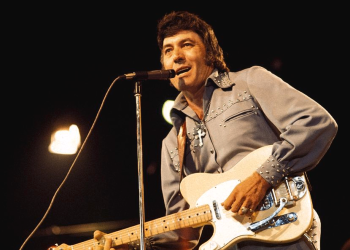
Few country artists have represented traditional country music with as much consistency, class, and timeless appeal as George Strait. Often called the “King of Country,” Strait built a legendary career through smooth vocals, heartfelt storytelling, and a deep respect for classic honky tonk roots while still delivering massive mainstream success. His music never relied on flashy trends or exaggerated theatrics. Instead, he connected listeners through honesty, simplicity, and songs that captured love, heartbreak, small town life, and the spirit of the American West with remarkable authenticity. Whether performing emotional ballads, dance hall favorites, or laid back country anthems, George Strait possessed a calm confidence that made every song feel genuine and effortless. Across decades of chart topping success, he created one of the most celebrated catalogs in country music history. His greatest songs continue to resonate because they combine traditional country soul with melodies and storytelling that feel completely timeless.
1. Amarillo by Morning
“Amarillo by Morning” is one of George Strait’s most enduring songs, a quiet masterpiece that captures the lonely dignity of a rodeo life with remarkable emotional clarity. The song does not rely on dramatic vocal theatrics or oversized production. Instead, it finds its power in restraint, allowing Strait’s smooth, steady voice to carry the story of a man who has lost plenty but keeps moving toward the next town, the next ride, and the next chance to prove himself. That sense of persistence is what makes the song so deeply moving. The melody feels open and windswept, almost like the Texas plains at sunrise, while the fiddle adds a mournful beauty that places the listener directly inside the song’s world. Strait sings with empathy rather than pity, giving the rodeo cowboy a kind of quiet nobility. There is heartbreak here, but there is also pride, toughness, and devotion to a hard way of life. “Amarillo by Morning” remains one of Strait’s signature recordings because it represents traditional country storytelling at its finest. Every line feels lived in, every note feels honest, and the performance proves that sometimes the most powerful country songs are the ones that speak softly and stay with you forever.
2. Check Yes or No
“Check Yes or No” is one of George Strait’s most beloved songs because it turns childhood innocence into a lifelong love story with effortless charm. The song begins with a simple schoolyard memory, a note passed between young hearts asking whether affection might be returned. From that small moment, it grows into a warm portrait of romance that lasts through the years. Strait’s vocal delivery is perfectly suited to the material. He sounds relaxed, sincere, and gently nostalgic, never overplaying the sweetness. The magic of “Check Yes or No” lies in how naturally it connects first love with lasting devotion. The melody is bright and easy to remember, while the arrangement carries a clean country polish that feels both radio friendly and rooted in traditional values. What makes the song resonate so strongly is its emotional simplicity. It reminds listeners that love does not always need grand gestures to feel meaningful. Sometimes it begins with a pencil mark on a note and grows into a lifetime of shared history. Strait gives the song a sense of innocence without making it feel childish, and that balance is difficult to achieve. “Check Yes or No” remains popular because it captures love as something pure, playful, and enduring, making it one of the sweetest moments in his catalog.
3. I Cross My Heart
“I Cross My Heart” is one of George Strait’s most cherished love songs, a sweeping ballad that became forever linked with commitment, devotion, and wedding day emotion. Featured in the film Pure Country, the song arrived at a moment when Strait’s image as a country traditionalist and romantic leading man came together beautifully. His performance is tender but never fragile, offering a promise of loyalty with the calm assurance that has always defined his best work. “I Cross My Heart” succeeds because it sounds sincere rather than showy. The arrangement is polished and graceful, with soft instrumentation that gives the lyric room to breathe. Strait does not need to oversing the emotion. He lets the melody unfold naturally, making each pledge feel steady and believable. The song has become a favorite at weddings and anniversaries because it expresses a timeless kind of love: patient, faithful, and meant to last through every season of life. Its popularity comes from how directly it speaks to the desire for dependable devotion. In a genre filled with heartbreak songs, “I Cross My Heart” stands as one of Strait’s most beautiful declarations of lasting commitment. It is romantic, elegant, and deeply comforting, delivered by a voice that makes every promise feel true.
4. The Chair
“The Chair” is one of George Strait’s cleverest and most charming songs, a masterclass in conversational country songwriting. The entire track unfolds like a smooth barroom introduction, beginning with a line about a chair and slowly revealing itself as a flirtatious exchange between two strangers. What makes the song so brilliant is its subtlety. There is no forced drama, no heavy handed pickup line, and no need for a complicated plot. Instead, the lyric allows the listener to follow the narrator as he turns an ordinary moment into an opportunity for connection. Strait’s delivery is absolutely essential to the song’s success. He sings with warmth, confidence, and just enough playfulness to make the character likable rather than slick. The arrangement is understated, giving the words plenty of space and allowing the charm of the performance to shine. “The Chair” is a reminder that country music often works best when it sounds like real people talking. The song’s popularity has endured because it feels intimate and cinematic at the same time. Listeners can picture the scene clearly: the dim lights, the conversation, the careful pauses, and the possibility of romance beginning quietly. It remains one of Strait’s finest examples of how a simple idea can become unforgettable when handled with taste, wit, and emotional intelligence.
5. All My Ex’s Live in Texas
“All My Ex’s Live in Texas” is one of George Strait’s most instantly recognizable songs, a playful country classic with a memorable hook and a healthy dose of Texas sized humor. The title alone is enough to make the song unforgettable, but Strait’s performance gives it lasting charm. He delivers the lyric with a relaxed grin in his voice, making the narrator’s romantic history sound funny rather than bitter. The song works because it balances clever wordplay with classic country swing. The arrangement has a bright, dance hall feel, full of fiddle, steel guitar, and a rhythm that invites listeners to move. It fits perfectly within Strait’s ability to honor traditional country while still making records that felt fresh on radio. The story of fleeing to Tennessee because too many former loves remain in Texas is both comic and strangely believable, especially in the world of country music, where heartbreak often comes with geography. Strait never pushes the joke too hard. He lets the song’s wit land naturally, which is why it has aged so well. “All My Ex’s Live in Texas” remains a fan favorite because it shows the lighter side of his catalog. It is witty, catchy, and unmistakably country, proving that Strait could deliver humor with the same ease he brought to ballads and heartbreak songs.
6. Ocean Front Property
“Ocean Front Property” is one of George Strait’s smartest heartbreak songs, using a perfectly absurd image to reveal emotional denial. The narrator insists that he will not miss a lost love, then compares that claim to owning ocean front property in Arizona. The humor is immediate, but beneath the cleverness is a very real country music truth: people often lie to themselves most loudly when they are hurting. Strait delivers the song with his signature understatement, never turning the joke into a novelty performance. That restraint allows the sadness and humor to coexist beautifully. The arrangement is classic Strait, polished yet traditional, with enough swing and steel guitar flavor to keep the track rooted in honky tonk wisdom. What makes “Ocean Front Property” so effective is its structure. The title image is so memorable that it becomes the emotional punchline, exposing the narrator’s heartbreak every time he tries to deny it. Strait’s voice gives the song warmth and credibility, making the character sound proud, wounded, and foolish in the most human way. The song became a major hit because it captured one of country music’s great gifts: saying something painful through a line so clever that listeners smile before the sadness fully sinks in. It remains one of Strait’s most beloved recordings because it is witty, melodic, and emotionally true.
7. Troubadour
“Troubadour” is one of George Strait’s most reflective late career songs, a graceful meditation on aging, identity, and staying true to the life of a singer. Released after Strait had already become a country music legend, the song carries a special emotional weight because it feels so closely connected to his own journey. The narrator admits that he may be older, but insists that inside he remains the same young troubadour who first set out to sing his songs. That idea gives the track its quiet power. Strait’s vocal is calm, honest, and deeply convincing, as if he is not performing a role so much as acknowledging a truth. The arrangement is warm and uncluttered, allowing the lyric to take center stage. “Troubadour” resonates because it speaks beyond fame and country music. It is about the part of a person that refuses to grow old, the inner self that still carries dreams, memories, and purpose. For longtime fans, the song became almost autobiographical, a portrait of an artist whose consistency and dignity helped define his career. Its popularity endures because it feels like a conversation between Strait and the audience that grew up with him. “Troubadour” is not flashy, but it is deeply moving, a mature anthem of persistence, humility, and lifelong devotion to song.
8. Carrying Your Love with Me
“Carrying Your Love with Me” is one of George Strait’s warmest and most enduring romantic songs, built around the comforting idea that love can travel with a person no matter how far the road leads. The song’s narrator may be away from home, living out of a bag and moving from place to place, but the emotional center of his life remains steady. Strait sings with an easy sincerity that makes the sentiment feel genuine rather than sentimental. The beauty of “Carrying Your Love with Me” is its sense of emotional portability. Love is not presented as something fragile that disappears with distance. It becomes strength, memory, shelter, and motivation. The melody is smooth and inviting, while the production keeps the focus on Strait’s voice and the song’s simple but powerful message. For listeners who have lived through travel, long distance relationships, military service, touring, or work that keeps them away from loved ones, the song carries a special resonance. It says that devotion does not depend entirely on physical closeness. Strait’s understated delivery gives the song its lasting charm, making every line feel like a quiet promise. “Carrying Your Love with Me” remains one of his most popular songs because it blends romance, travel, and country sincerity into a timeless expression of loyalty.
9. Give It Away
“Give It Away” is one of George Strait’s strongest modern heartbreak songs, a sharp, emotionally detailed story about the end of a relationship and the painful division of a shared life. Written with remarkable clarity, the song captures the moment when a woman is so finished with the relationship that possessions no longer matter to her. She tells him to give everything away, and that phrase becomes devastating because it reveals how completely love has left the room. Strait’s performance is powerful because he never overdramatizes the heartbreak. He lets the lyric do its work, singing with the calm ache of a man who understands the loss only after it is too late. The arrangement has a bluesy country feel that gives the song weight and maturity. Unlike some breakup songs that focus only on tears or anger, “Give It Away” is about emptiness, regret, and the strange meaning objects take on after love collapses. Furniture, pictures, and household items become symbols of a life that can no longer be repaired. The song became one of Strait’s later career milestones because it proved he could continue delivering fresh, emotionally resonant material decades into his run. “Give It Away” remains popular because it is country storytelling at its finest: specific, adult, painful, and unforgettable.
10. Write This Down
“Write This Down” is one of George Strait’s most charming and instantly memorable songs, built around a clever request that turns romantic devotion into something worth preserving in ink. The narrator wants his message remembered clearly, so he asks that it be written down: he loves her, he needs her, and he does not want those words forgotten. That simple concept gives the song its lasting appeal. In classic Strait fashion, the performance is relaxed, warm, and completely natural. He does not oversell the emotion, which makes the declaration feel more believable. The melody is bright and friendly, with a country swing that gives the track an easygoing charm. “Write This Down” also captures the conversational quality that has always been central to Strait’s best songs. It sounds like something one person might genuinely say to another, but shaped into a chorus catchy enough to stay in the listener’s head for years. The song became a major favorite because it mixes romance, humor, and sincerity in perfect proportion. It is not a desperate plea or a grand dramatic confession. It is a plainspoken message delivered with confidence and heart. “Write This Down” remains one of Strait’s most popular songs because it reflects what he does best: take a simple country idea, sing it with grace, and make it feel timeless.

Edward Tomlin is a frequent contributor to Singers Room. Since 2005, Singersroom has been the voice of R&B around the world. Connect with us via social media below.