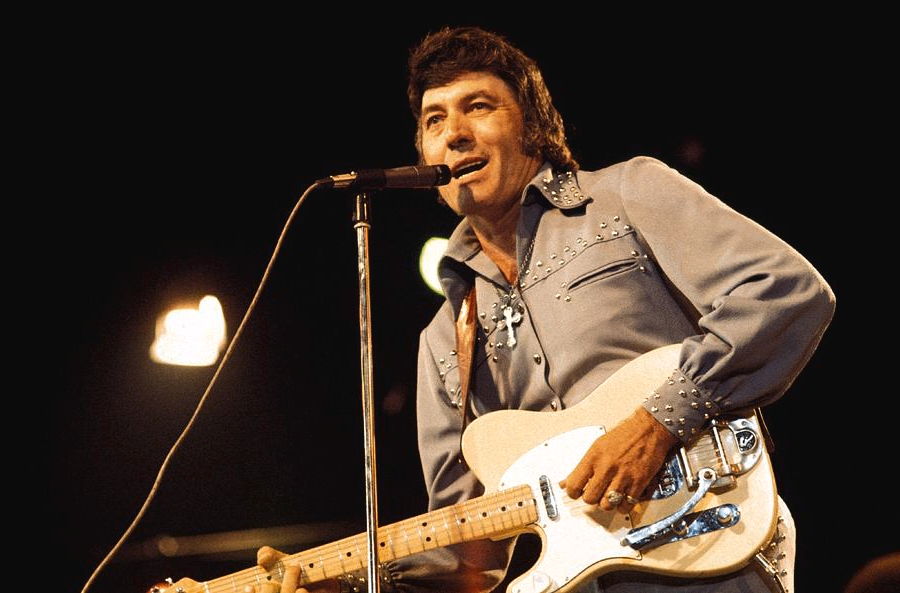
Few artists helped shape the sound of early rock and roll quite like Carl Perkins. With his sharp guitar playing, unmistakable Southern swagger, and ability to blend country, blues, rockabilly, and rhythm and blues into something entirely fresh, Perkins became one of the true architects of American popular music. His songs carried an effortless cool that influenced generations of musicians, from Elvis Presley and Johnny Cash to The Beatles and countless rock guitarists who followed. Whether delivering upbeat rockabilly classics or emotionally charged country flavored ballads, Perkins had a gift for writing music that felt raw, honest, and instantly memorable. His recordings captured the restless spirit of the nineteen fifties while helping define the rebellious energy that would fuel rock music for decades to come. The greatest Carl Perkins songs remain timeless because they combine infectious rhythm, masterful storytelling, and the unmistakable sound of a pioneer who helped change music forever.
1. Blue Suede Shoes
“Blue Suede Shoes” is the Carl Perkins classic that became a cornerstone of rock and roll history. Released in 1956, the song captured the swagger, humor, rhythm, and youthful attitude that made rockabilly explode into American culture. Perkins wrote and performed it with the confidence of a man who understood how style could become identity. The famous warning about stepping on his shoes sounds playful on the surface, but it also carries the sharp pride of a young person protecting something personal, fashionable, and symbolic. That mixture of wit and rebellion helped make the record unforgettable. The guitar work is lean, bright, and full of rhythmic snap, giving the song a driving energy that feels both country rooted and rhythm and blues inspired. Perkins sings with natural ease, never forcing the attitude because it already lives in the groove. Elvis Presley later brought the song to an even larger audience, but Perkins’ original has a raw magic that cannot be duplicated. It feels spontaneous, streetwise, and alive with the sound of Sun Records at its most electric. “Blue Suede Shoes” remains his signature because it distilled early rock and roll into one perfect image: cool shoes, a hot rhythm, and a voice that knew exactly how to make rebellion dance.
2. Matchbox
“Matchbox” is one of Carl Perkins’ most beloved recordings, a rockabilly gem that shows how naturally he could transform older blues language into something fresh, sharp, and irresistibly rhythmic. Drawing from blues traditions associated with Blind Lemon Jefferson, Perkins reshaped the material through the lean sound of Sun Records, where country, blues, and early rock and roll collided with thrilling force. The song has a compact groove, a sly vocal, and a guitar style that feels both playful and precise. Perkins never needed excessive production to create excitement. He could make a simple riff feel like a whole world of movement. “Matchbox” became especially influential because it traveled so well across generations, later becoming a favorite of The Beatles, who recognized the strength of Perkins’ songwriting and guitar personality. His version carries the charm of someone who can sound relaxed while still driving the band forward. The lyrics have a wandering, lonely quality, but the performance refuses to wallow. Instead, it turns hardship into motion. That is one of the defining qualities of great rockabilly: sorrow, humor, and rhythm all sharing the same ride. “Matchbox” remains popular because it captures Perkins as both a roots musician and a rock and roll innovator, bridging the past and future with remarkable ease.
3. Honey Don’t
“Honey Don’t” is a Carl Perkins favorite that highlights his gift for turning romantic frustration into a lively, good humored rockabilly performance. The song’s appeal lies in its conversational quality. Perkins sounds like a man calling out mixed signals with a grin, half complaining and half enjoying the chase. The rhythm has that signature Sun Records bounce, where the bass slaps, the guitar cuts cleanly through the air, and the vocal sits right in the pocket. The brilliance of “Honey Don’t” comes from its balance of looseness and control. Perkins makes it feel casual, but the structure is tight, the hook is memorable, and the groove is perfectly shaped for movement. The song later gained renewed fame through The Beatles, with Ringo Starr singing lead on their version, but Perkins’ original remains the definitive rockabilly source. His guitar playing has a crisp attack that influenced countless musicians who wanted to capture that blend of country twang and rock energy. Lyrically, the song is simple, but its personality is rich. Every repeated phrase adds to the sense of flirtation, doubt, and playful irritation. “Honey Don’t” remains one of Perkins’ most popular songs because it feels timelessly human: love can be confusing, but with the right rhythm, even confusion can swing.
4. Everybody’s Trying to Be My Baby
“Everybody’s Trying to Be My Baby” is one of Carl Perkins’ most infectious rockabilly numbers, filled with swagger, humor, and the kind of rhythmic confidence that helped shape early rock guitar language. The song presents a narrator enjoying sudden popularity, and Perkins delivers the lyric with a knowing wink rather than heavy arrogance. That playful attitude gives the track its enduring charm. The guitar figure is bright and propulsive, creating a sound that feels tailor made for jukeboxes, dance floors, and young listeners hungry for something sharper than polished pop. Perkins had a remarkable ability to make self confidence sound friendly rather than forced, and this song is a perfect example. The Beatles later brought the track into their own catalog, which helped confirm just how deeply Perkins influenced British rock musicians. Yet the original version carries a raw Southern spark that remains unique. The vocal phrasing leans into country tradition, while the rhythm pushes toward rock and roll freedom. The song’s title is instantly memorable, and the performance turns that phrase into a miniature celebration of charm, attention, and youthful ego. “Everybody’s Trying to Be My Baby” remains popular because it captures the fun side of rockabilly at its best, where wit, rhythm, and guitar style all move together with effortless cool.
5. Boppin’ the Blues
“Boppin’ the Blues” is one of Carl Perkins’ finest examples of high energy rockabilly, a song that takes sadness and sends it spinning across the dance floor. The title itself captures the essential trick of the performance. The blues may be present, but they are being bounced, shaken, and transformed through rhythm. Perkins sings with bright confidence, bringing a sense of fun to a song that could have been merely melancholy in another setting. The band plays with crisp urgency, and the guitar work has the lean bite that made Perkins such an important figure for later rock players. What makes “Boppin’ the Blues” so exciting is the way it turns emotional trouble into physical release. The song does not deny hardship. It simply refuses to sit still inside it. That attitude is central to rock and roll’s early magic. Perkins understood that a great beat could make sorrow bearable, even joyful. His performance is full of little vocal inflections that reveal humor, personality, and command. The recording also shows how close rockabilly was to both country and rhythm and blues, drawing from each without becoming confined by either. “Boppin’ the Blues” remains a fan favorite because it feels alive from the first beat, carrying the sound of a young genre discovering just how much electricity it could generate.
6. Dixie Fried
“Dixie Fried” is one of Carl Perkins’ wildest and most atmospheric songs, a rowdy rockabilly tale that sounds like it was born in a late night Southern bar where trouble, laughter, and music all arrived at once. The song has a loose, dangerous energy that separates it from some of his cleaner hit material. Perkins leans into character, painting a scene full of movement and backwoods flavor, while the band creates a sound that is raw, sharp, and wonderfully unpolished. “Dixie Fried” matters because it captures the rougher edge of early rock and roll before the genre was smoothed for mass consumption. There is country storytelling in the lyric, blues grit in the attitude, and rockabilly fire in the rhythm. Perkins’ guitar work snaps and jumps with the kind of personality that made other musicians study his records closely. His vocal is animated, almost theatrical, as if he is both narrator and participant in the chaos he describes. The song did not need glossy sophistication because its power comes from atmosphere. It smells of smoke, sweat, and sawdust, and that vividness makes it unforgettable. “Dixie Fried” remains one of his most exciting recordings because it shows Perkins not just as a hitmaker, but as a roots storyteller with a wild streak and a deep command of Southern musical character.
7. Your True Love
“Your True Love” shows Carl Perkins in a slightly sweeter but still unmistakably rhythmic mode, blending romantic sincerity with the crisp pulse of rockabilly. The song has a warm melodic charm that highlights his ability to write material beyond novelty or swagger. Perkins could be playful and rebellious, but he also knew how to deliver affection in a way that felt direct and unpretentious. His vocal carries an appealing honesty, as though he is speaking plainly rather than performing an exaggerated romantic role. That natural quality is one of the reasons the song remains so likable. The arrangement moves with a gentle rock and roll bounce, enough to keep the energy alive while allowing the melody to shine. His guitar playing adds sparkle without overwhelming the vocal, proving how carefully he balanced musicianship and songwriting. “Your True Love” also reflects the close relationship between early rock and country music. The emotional simplicity, the clean phrasing, and the danceable rhythm all belong to a world where genres were still blending freely. The song became a lasting favorite because it reveals Perkins’ softer touch without losing his distinctive style. It is romantic, catchy, and rooted in the same Southern authenticity that made his louder records so influential. “Your True Love” remains proof that Perkins’ artistry was not limited to one famous pair of shoes.
8. Glad All Over
“Glad All Over” is one of Carl Perkins’ most joyful recordings, a bright burst of rockabilly excitement that captures the pure pleasure of early rock and roll. The song moves with a quick, buoyant rhythm, and Perkins sings with an enthusiasm that feels completely genuine. There is no heavy mystery here, no complicated emotional conflict. Instead, the record celebrates the rush of happiness with a directness that makes it immediately appealing. That simplicity is not a weakness. In the hands of a musician like Perkins, simple feeling becomes powerful because the groove, guitar tone, and vocal personality all reinforce it. The track has the kind of energy that made young audiences respond instinctively in the nineteen fifties. It sounds built for motion, whether on a dance floor, in a car, or through a jukebox speaker. Perkins’ guitar has its familiar snap, mixing country picking with a rock and roll bite that would inspire generations of players. His vocal phrasing is loose enough to feel spontaneous, yet disciplined enough to keep the song focused. “Glad All Over” remains popular among rockabilly fans because it captures the optimistic side of the genre with style and conviction. It is a reminder that early rock and roll did not always need drama to matter. Sometimes a great rhythm and a wide open feeling were enough.
9. Put Your Cat Clothes On
“Put Your Cat Clothes On” is a perfect example of Carl Perkins’ cool rockabilly slang, sharp guitar personality, and instinct for youthful style. The phrase itself belongs to the colorful language of the era, suggesting dressing up, stepping out, and getting ready to be seen. Perkins turns that idea into a lively performance full of bounce and attitude. The song has the lean, rhythmic snap that made his Sun Records material so influential, with guitar lines that seem to dance around the beat while still driving it forward. What makes the song special is its sense of style as action. It is not merely about clothing. It is about confidence, nightlife, and the ritual of becoming someone a little bolder when the music starts. Perkins sings with a relaxed authority, sounding like someone who understands the scene from the inside. The recording has an appealing rawness, the kind of rough edge that later rock musicians loved because it felt honest and alive. Although it is sometimes treated as a deeper cut compared with “Blue Suede Shoes,” it has all the qualities that make Perkins essential: clever language, strong rhythm, memorable guitar work, and a direct connection to the teenage excitement of rock and roll’s early days. “Put Your Cat Clothes On” remains a stylish slice of rockabilly attitude.
10. Movie Magg
“Movie Magg” is one of Carl Perkins’ earliest and most charming recordings, offering a glimpse of the country roots that fed directly into his rockabilly breakthrough. The song has a light, easygoing feel, telling a simple story about taking a girl to the movies with a sweetness that reflects a more innocent side of early popular music. Yet even in this gentler setting, Perkins’ personality is unmistakable. His vocal has a conversational warmth, and his guitar style already suggests the rhythmic instincts that would soon help define rock and roll. “Movie Magg” is important because it shows the bridge between country storytelling and the sharper, more driving sound that Perkins would perfect at Sun Records. The lyric may seem modest, but its details are vivid, capturing small town romance, youthful excitement, and everyday life with affectionate clarity. The song does not try to be monumental. Its appeal comes from sincerity and musical ease. For listeners tracing Perkins’ development, “Movie Magg” is a valuable piece of the puzzle, revealing how his artistry grew from country foundations into rockabilly innovation. It remains popular among dedicated fans because it preserves the young Carl Perkins before worldwide fame, already gifted, already distinctive, and already capable of making a simple scene feel memorable through rhythm, melody, and charm.

Samuel Moore is a frequent contributor to Singers Room. Since 2005, Singersroom has been the voice of R&B around the world. Connect with us via social media below.