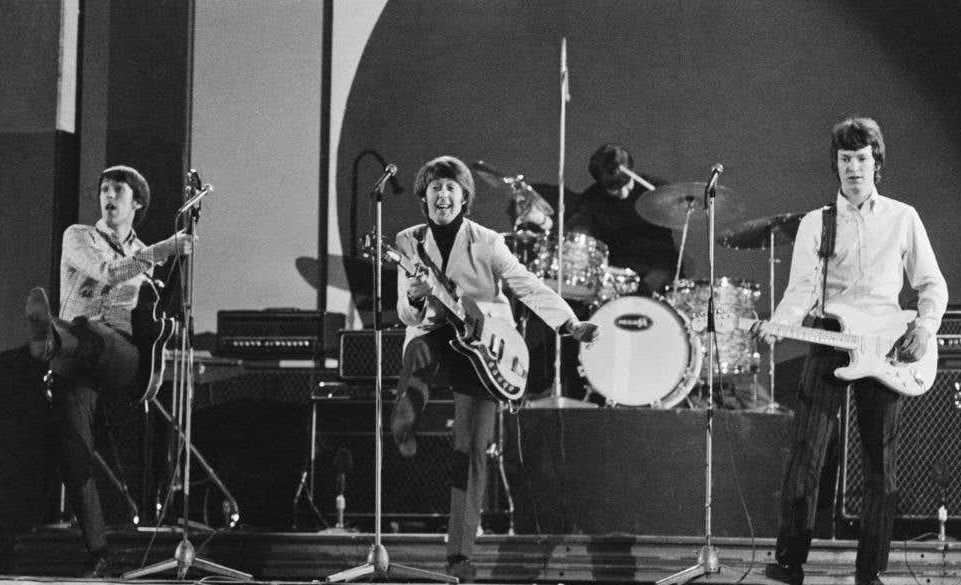
Few bands captured the explosive energy of British rhythm and blues in the 1960s quite like The Spencer Davis Group. Blending soulful vocals, sharp musicianship, blues driven grooves, and infectious pop hooks, the group created a string of songs that helped define the sound of the British invasion era. Fronted during their classic period by the remarkable young voice of Steve Winwood, the band combined raw emotional power with polished songwriting that could shift effortlessly from driving rockers to heartfelt blue eyed soul ballads. Their music carried a sense of urgency and youthful confidence while still drawing deeply from American blues and R&B traditions. Whether delivering energetic dance floor favorites or emotionally charged classics filled with passion and grit, The Spencer Davis Group created songs that still feel vibrant and alive decades later. Their greatest recordings remain essential pieces of classic rock and soul influenced British music history.
1. Gimme Some Lovin’
Gimme Some Lovin’ is the song that turned The Spencer Davis Group into one of the most electrifying British rhythm and blues bands of the 1960s. From its opening organ surge, the track sounds like a celebration already in progress, driven by a groove so immediate that it still feels alive decades later. Steve Winwood was astonishingly young when he delivered this vocal, yet he sings with the grit, soul, and confidence of a seasoned American R&B shouter. His voice gives the song its fire, pushing every line with joyful urgency and making the title phrase feel like both a plea and a command.
What makes Gimme Some Lovin’ so enduring is its raw physical energy. The band does not overcomplicate the arrangement. Instead, they lock into a charging rhythm, let the organ blaze, and allow Winwood’s voice to carry the emotional heat. The song bridges British beat music, soul, rock, and blues with remarkable ease, helping define the sound of a generation discovering American roots music and transforming it into something new. Its use in films, commercials, and countless live sets has kept it in public memory, but the recording itself remains the real reason it survives. It is loud, direct, ecstatic, and impossible to ignore. Few 1960s rock singles deliver such an instant jolt of adrenaline.
2. Keep On Running
Keep On Running gave The Spencer Davis Group one of their biggest and most defining hits, a driving rhythm and blues rocker filled with youthful tension and unstoppable momentum. Written by Jackie Edwards, the song became a perfect vehicle for Steve Winwood’s extraordinary vocal power. His singing is urgent and soulful, carrying the emotional charge of someone chasing love, freedom, or escape with everything he has. The band surrounds him with a lean, punchy groove that never lets the energy sag. Every beat feels like forward motion, which makes the title feel completely natural.
Keep On Running stands out because it captures the hunger of the British beat era at its peak. The guitars have bite, the rhythm section pushes hard, and the vocal performance gives the song a blues and soul authenticity that made the group sound older and tougher than their years. There is a raw simplicity to the recording, but that simplicity works in its favor. The song does not need elaborate solos or dramatic production to make its impact. Its strength comes from feel, attack, and a hook that lodges itself instantly in the memory. The Spencer Davis Group helped bring American influenced R&B into the British pop mainstream, and this track is one of the clearest examples of why they mattered. It is compact, exciting, and packed with the restless energy that made mid 1960s rock so thrilling.
3. I’m a Man
I’m a Man is one of The Spencer Davis Group’s most powerful statements, a hard grooving track that pushed their rhythm and blues roots into heavier, funkier, and more adventurous territory. Co written by Steve Winwood and Jimmy Miller, the song has a darker and more muscular feel than some of the group’s earlier hits. The organ riff is hypnotic, the percussion moves with a restless pulse, and Winwood’s vocal is full of confidence and raw authority. He sounds remarkably mature, turning the title into a declaration of identity, desire, and musical force.
The lasting appeal of I’m a Man comes from its groove. The track feels less like a simple pop single and more like a band stretching into a deeper rhythmic space. Its arrangement gives the musicians room to build tension, with the organ and drums creating a rolling momentum that hints at the coming worlds of progressive rock, funk rock, and extended jam music. Winwood’s voice remains the anchor, but the entire group contributes to the song’s sense of intensity. The track became a classic not only for The Spencer Davis Group, but also as a piece that later inspired other rock musicians to explore heavier grooves and more open arrangements. I’m a Man remains essential because it captures the group at their boldest, sounding gritty, mature, and completely locked into the rhythm.
4. Somebody Help Me
Somebody Help Me is one of The Spencer Davis Group’s most urgent and soulful recordings, another Jackie Edwards composition that became a major showcase for Steve Winwood’s commanding voice. The song is built around emotional pressure, with the narrator reaching out from a place of confusion, longing, and romantic frustration. Winwood sings as if the need in the lyric is immediate and real, giving the track a dramatic intensity that lifts it above ordinary beat group material. His voice has grit and passion, but also remarkable control, allowing every line to land with conviction.
Somebody Help Me works because the band keeps the energy tight and purposeful. The rhythm section moves with crisp drive, the guitars and keys add sharp color, and the arrangement never loses its forward push. Like Keep On Running, the song shows how well The Spencer Davis Group could fuse pop accessibility with authentic R&B feeling. There is nothing overly polished or delicate about the performance. It has urgency, sweat, and emotional bite. The chorus is direct and memorable, giving listeners a phrase that feels both personal and universal. Everyone has known moments of emotional helplessness, and the song turns that feeling into a danceable, radio ready burst of blue eyed soul. It remains one of the group’s most popular songs because it captures their classic formula at full strength: a great song, a fierce groove, and a young singer with an old soul.
5. When I Come Home
When I Come Home is one of The Spencer Davis Group’s most engaging mid 1960s singles, a song that blends their R&B foundation with a bright pop rock sensibility. The track has a lighter swing than some of their hardest driving numbers, yet it still carries the band’s unmistakable energy. Steve Winwood’s vocal is strong and expressive, moving through the melody with the natural confidence that made him one of the most remarkable young voices of his era. He brings warmth to the song, turning the idea of returning home into something filled with anticipation and emotional release.
The charm of When I Come Home lies in its balance. It is catchy enough to fit comfortably within the British pop charts of its time, but gritty enough to maintain the group’s rhythm and blues identity. The arrangement has a crisp, upbeat feel, with guitars, organ, and rhythm section working together in a compact but lively frame. The song captures the excitement of reunion, movement, and expectation, themes that suited a band constantly traveling through the fast changing music scene of the 1960s. While it may not have achieved the same legendary status as Gimme Some Lovin’, it remains an important favorite because it shows the group’s versatility. The Spencer Davis Group could deliver raw soul power, but they could also craft tightly written pop rock songs with polish, lift, and genuine feeling.
6. Every Little Bit Hurts
Every Little Bit Hurts reveals the more emotional and tender side of The Spencer Davis Group, showing that they were not only a band of driving R&B stompers. Originally associated with Brenda Holloway, the song gives Steve Winwood a chance to explore vulnerability through a deeply soulful ballad framework. His vocal performance is astonishing for its maturity, carrying pain, restraint, and yearning in a way that feels far beyond his age at the time. He does not merely copy American soul phrasing. He absorbs its emotional logic and delivers it with sincere feeling.
Every Little Bit Hurts is powerful because it slows the band’s energy into something more aching and reflective. The arrangement allows space around the vocal, giving the lyric room to breathe. Each phrase feels shaped by disappointment and emotional fatigue, yet the song never sinks into melodrama. The group approaches the material with respect, understanding that the power of the song lies in its gradual emotional accumulation. Winwood’s voice is the center, but the band’s supportive playing gives the track its depth. The song stands as proof that The Spencer Davis Group could handle soul material with more than surface admiration. They understood mood, restraint, and feeling. It remains one of their most moving recordings because it captures heartbreak in small increments, exactly as the title suggests. Every note seems to carry another piece of the wound.
7. Strong Love
Strong Love is one of The Spencer Davis Group’s early singles that captures their developing blend of blues, beat music, and soulful pop. The track has a raw charm that reflects the band’s club roots, when energy and feel mattered more than studio polish. Steve Winwood’s vocal once again provides the spark, bringing surprising depth and grit to a song built around romantic devotion and rhythmic drive. His voice makes the title feel convincing, giving the performance a sense of urgency that elevates the material beyond simple teenage pop.
The strength of Strong Love is found in its directness. The band plays with a tight, uncluttered attack, giving the song a firm rhythmic spine and enough melodic lift to make it memorable. There is a freshness in the recording that reflects the early British R&B movement, when young musicians were reworking American blues and soul influences into something suited to their own time and place. The Spencer Davis Group had not yet reached the explosive peak of Gimme Some Lovin’, but this track shows the pieces coming together: Winwood’s voice, the group’s taste for groove, and their ability to make compact songs feel full of life. Strong Love remains an enjoyable and important part of their catalog because it reveals the band in motion, sharpening their sound and building toward the classics that would soon define them.
8. I Can’t Stand It
I Can’t Stand It is one of The Spencer Davis Group’s key early recordings, a rough and energetic track that highlights their foundation in blues and R&B before they reached wider pop fame. The song has a driving feel that reflects the band’s live performance roots, with a sense of youthful impatience running through the arrangement. Steve Winwood’s vocal already shows the qualities that would make him extraordinary: power, timing, soulfulness, and the ability to sound emotionally convincing even within a concise pop single. He gives the song its grit and personality.
I Can’t Stand It works because it captures the excitement of a band still close to the club floor. The guitars and rhythm section keep the song moving with sharp focus, while the vocal carries frustration and restless energy. There is a rawness here that feels important. It shows The Spencer Davis Group before their sound became more refined and before their biggest hits brought them wider recognition. The track is rooted in the same musical passions that drove many British groups of the era, but Winwood’s voice gives it a special authority. He sounds less like a young singer imitating imported records and more like someone who genuinely understands the emotional temperature of the music. I Can’t Stand It remains notable because it documents the band’s early identity with honesty and force. It is lean, urgent, and full of promise.
9. Watch Your Step
Watch Your Step is a fiery example of The Spencer Davis Group’s deep connection to American rhythm and blues, reworking Bobby Parker’s influential song with the sharp energy of the British beat scene. The track has a riff driven bite that shows why this material appealed to so many young rock musicians in the 1960s. It is tough, compact, and full of attitude, giving the band a strong platform for their instrumental attack. Steve Winwood’s performance brings grit and urgency, while the group plays with the confidence of musicians who understood the power of a lean groove.
Watch Your Step matters because it places The Spencer Davis Group within a wider musical conversation. British bands were not simply borrowing from American blues and R&B. At their best, they were interpreting it through their own intensity, audiences, and emerging rock sensibility. This version carries that sense of transformation. The rhythm is tight, the guitar figure has bite, and the overall feel is more aggressive than polished. Winwood’s vocal adds soulful authority, while the band’s playing keeps the track moving with a sense of danger. Although it may not be as widely known as their biggest chart hits, Watch Your Step remains a vital part of their catalog because it shows the roots beneath the fame. It is a reminder that The Spencer Davis Group were serious students of groove, feel, and blues based rock energy.
10. Searchin’
Searchin’ finds The Spencer Davis Group putting their stamp on a classic Leiber and Stoller song first made famous by The Coasters. In the group’s hands, the track becomes a lively showcase of their affection for American R&B, early rock and roll, and spirited vocal performance. The song’s playful pursuit narrative gives Steve Winwood room to sing with energy and character, while the band keeps the arrangement bright and propulsive. It is not as heavy as their later classics, but it has an infectious charm that reflects the group’s early musical personality.
The appeal of Searchin’ lies in how naturally The Spencer Davis Group handle older rock and rhythm and blues material. They do not treat it as museum music. They play it as living repertoire, full of humor, motion, and rhythmic snap. The performance has the looseness of musicians who learned through clubs, covers, and constant contact with audiences. Winwood’s voice adds unexpected depth, giving even playful material a soulful weight. The song also helps illustrate the band’s range. They could deliver thunderous original rockers, soulful ballads, and energetic covers with equal conviction. Searchin’ remains a worthwhile favorite because it captures the joy of discovery that defined so much early British rock. The Spencer Davis Group were searching too, through blues, soul, pop, and rock and roll, finding a sound that would soon explode into some of the era’s most unforgettable hits.

Edward Tomlin is a frequent contributor to Singers Room. Since 2005, Singersroom has been the voice of R&B around the world. Connect with us via social media below.