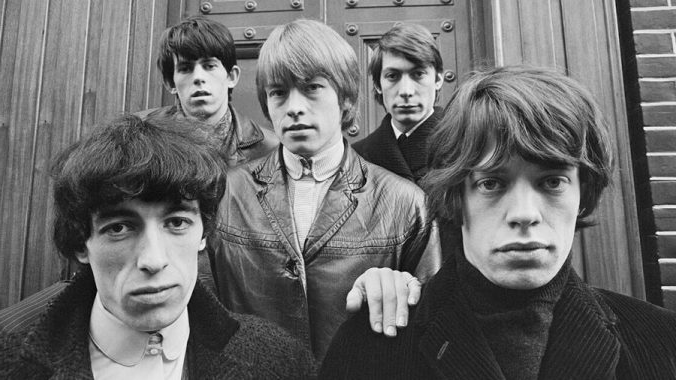
For more than six decades, The Rolling Stones have embodied the rebellious spirit of rock and roll with unmatched swagger, attitude, and energy. From gritty blues soaked beginnings in London clubs to becoming one of the biggest bands in music history, the group created a catalog filled with unforgettable riffs, explosive performances, and timeless anthems. The chemistry between Mick Jagger and Keith Richards helped define an entire era of rock music, blending raw rhythm and blues roots with fearless experimentation and stadium sized power. Their songs could be dangerous, seductive, emotional, or wildly defiant, often all at once. Whether it is the driving guitars, unforgettable choruses, or the unmistakable attitude behind every performance, The Rolling Stones built a legacy that continues to influence generations of musicians and thrill audiences around the world.
1. Satisfaction
Satisfaction is the Rolling Stones song that turned frustration into one of the most famous riffs in rock history. Keith Richards created a guitar figure so immediate, so gritty, and so perfectly shaped that it became a cultural signal the moment it hit the airwaves. The fuzz toned riff does not simply introduce the song. It defines the attitude of the entire recording. Mick Jagger delivers the vocal with restless sarcasm, sounding bored, irritated, hungry, amused, and rebellious all at once. That tension is the key to the track’s lasting power. It speaks to consumer culture, romantic disappointment, media noise, and youthful dissatisfaction without ever sounding like a lecture. Instead, it swings, snaps, and struts with total confidence. Satisfaction helped establish The Rolling Stones as the darker, more dangerous alternative in British rock, a band that could turn impatience into anthem material. Charlie Watts keeps the beat lean and steady, while Bill Wyman supports the groove with understated force. More than a hit single, the song became a generational statement. Its popularity endures because the emotion never ages. Everyone knows the feeling of wanting more than the world is offering, and few songs have captured that feeling with such swagger.
2. Paint It Black
Paint It Black remains one of The Rolling Stones’ most haunting and unforgettable recordings, a song where grief, obsession, and psychedelic imagination merge into something truly magnetic. The sitar figure gives the track an instantly recognizable identity, pulling the listener into a darker emotional world before Mick Jagger even begins to sing. His vocal performance is intense and shadowed, presenting a narrator consumed by loss and unable to tolerate brightness, beauty, or ordinary life. The lyric’s fixation on blackness feels dramatic, but never hollow. It suggests mourning as a force that changes the color of everything. Musically, the band moves with remarkable urgency. Charlie Watts drives the rhythm with a rolling pulse, Bill Wyman adds movement beneath the surface, and Brian Jones’ sitar texture gives the song its eerie, exotic flavor. Paint It Black became one of the group’s most popular songs because it combines a powerful melody with emotional darkness in a way few mid sixties rock singles dared to attempt. It has the compact force of a pop hit, but the atmosphere of something much stranger. Decades later, it still sounds dangerous, elegant, and psychologically charged, proof that The Rolling Stones could turn despair into a thrilling rock masterpiece.
3. Gimme Shelter
Gimme Shelter is one of the most powerful songs The Rolling Stones ever recorded, a chilling portrait of fear, violence, and spiritual exhaustion. From the opening guitar pattern, the track feels like a storm moving across the horizon. Keith Richards’ playing is tense and ghostly, creating a sense of danger before the rhythm section fully enters. Mick Jagger sings with controlled unease, sounding less like a rock star commanding the room and more like a witness trying to survive what he sees. The song’s atmosphere is made even more unforgettable by Merry Clayton’s extraordinary vocal performance, which tears through the recording with raw urgency. Her voice turns the refrain into a warning siren, pushing the song from brilliant into legendary. Gimme Shelter became one of The Rolling Stones’ most respected classics because it captures the collapse of late sixties idealism without spelling everything out. War, murder, chaos, and desire all seem to circle inside the track. Charlie Watts and Bill Wyman keep the groove steady, giving the song a dark heartbeat that never lets up. Its popularity comes from more than melody or fame. It feels prophetic. It sounds like danger arriving in real time.
4. Sympathy for the Devil
Sympathy for the Devil is The Rolling Stones at their most theatrical, intelligent, and provocative. Built around a hypnotic rhythm and a sly vocal from Mick Jagger, the song presents evil not as a monster hiding in darkness, but as a charming observer moving through human history. That perspective gives the track its unsettling brilliance. Jagger’s performance is playful, sinister, and strangely elegant, while the famous background chants add a ritual quality that makes the recording feel larger than a standard rock song. Keith Richards’ guitar solo cuts through with biting clarity, bringing electric fire to an arrangement driven as much by percussion and piano as by guitars. Sympathy for the Devil stands out because it refuses simplicity. It is a history lesson, a character study, a dance groove, and a rock performance all woven together. The song’s popularity comes from its unforgettable concept and its irresistible rhythm. Even listeners who do not study every reference can feel the danger in the performance. The Stones created something seductive and disturbing, a song that invites movement while forcing attention. Few rock recordings have balanced wit, menace, and musical sophistication with such confidence.
5. Jumpin’ Jack Flash
Jumpin’ Jack Flash is the sound of The Rolling Stones returning to raw rock power with absolute conviction. After experimenting with psychedelic colors, the band came roaring back with a riff that feels dirty, sharp, and unstoppable. Keith Richards gives the song its engine, creating a guitar sound that seems to scrape against the pavement while still swinging with irresistible rhythm. Mick Jagger turns the lyric into a survival anthem, delivering each line with wicked energy and streetwise confidence. The phrase itself became one of the band’s most famous hooks, partly because it is strange, partly because it sounds so good when Jagger spits it out. Charlie Watts keeps the groove compact and forceful, never overplaying, always pushing. Jumpin’ Jack Flash became a concert staple because it captures The Rolling Stones’ essence in concentrated form. It is blues rooted, but not old fashioned. It is aggressive, but still loose enough to dance to. The track feels like a spark thrown onto gasoline, bright and explosive from the first moment. Its enduring popularity rests on that sense of rebirth. Every performance sounds like the band kicking open the door and reminding the world exactly who they are.
6. Start Me Up
Start Me Up is one of the greatest late career triumphs in rock history, a song that proved The Rolling Stones could still create a stadium shaking anthem long after many of their peers had faded from the charts. The opening guitar riff is pure Keith Richards: lean, bright, instantly memorable, and full of rhythmic personality. It does not need complexity to make its point. It simply locks into the groove and refuses to let go. Mick Jagger’s vocal is playful and athletic, packed with teasing energy and unmistakable swagger. The rhythm section gives the song its sleek momentum, with Charlie Watts keeping everything crisp and Bill Wyman adding a grounded bass presence. Start Me Up became one of the band’s most popular songs because it feels both classic and refreshed. It carries the Stones’ old blues based confidence, yet the production gives it a clean, modern punch suited for the early eighties. The song’s appeal is physical. It moves with confidence, charm, and a touch of mischief. Whether heard in arenas, sports broadcasts, films, or playlists, it still functions like a switch being flipped. Once that riff begins, the energy is immediate.
7. Brown Sugar
Brown Sugar is one of The Rolling Stones’ most famous rockers, driven by a guitar riff that swings with reckless confidence and a groove that helped define the sound of early seventies Stones. Keith Richards and Mick Taylor give the song a bright, biting guitar attack, while Charlie Watts keeps the rhythm snapping with his usual elegant restraint. Mick Jagger’s vocal is full of attitude, pushing the song forward with a mixture of charisma and danger. The track has long been recognized as musically irresistible, even as its lyrics have also been widely discussed for their troubling historical imagery and provocative subject matter. That tension is part of its complicated place in the band’s catalog. As a recording, Brown Sugar captures the Stones at a moment when they were fully commanding their own style: loose but precise, blues soaked but stadium ready, polished without losing grit. The saxophone adds a burst of soul color, helping the track feel even more alive. Its popularity comes from the sheer force of the performance, especially that opening riff and chorus energy. It remains a major Stones song because it shows how powerfully the band could fuse rhythm, guitar tone, and swagger into a single explosive track.
8. You Can’t Always Get What You Want
You Can’t Always Get What You Want is one of The Rolling Stones’ most emotionally expansive songs, a recording that begins with choral beauty and gradually grows into a soulful meditation on desire, disappointment, and acceptance. The opening voices give the song a ceremonial feeling, almost like a hymn for a generation learning that dreams do not always arrive in the form expected. Mick Jagger’s vocal is unusually reflective, moving through scenes of social observation with a tone that is both weary and strangely hopeful. The arrangement unfolds patiently, allowing acoustic guitar, piano, percussion, and brass to build the atmosphere piece by piece. By the time the refrain arrives in full, it feels less like a simple chorus and more like hard earned wisdom. You Can’t Always Get What You Want became one of The Rolling Stones’ most beloved songs because it connects on multiple levels. It can sound triumphant in a crowd, intimate through headphones, and philosophical in quiet moments. The band balances gospel influence, rock looseness, and lyrical maturity with remarkable grace. Its message is simple enough to be instantly remembered, yet deep enough to feel different as listeners grow older. That is the mark of a true classic.
9. Honky Tonk Women
Honky Tonk Women is The Rolling Stones at their loosest, sharpest, and most naturally infectious. The famous cowbell opening immediately sets a playful tone, but the song quickly slides into one of the band’s greatest grooves. Keith Richards’ guitar work is wonderfully ragged in the best possible way, full of country flavor, blues grit, and rock confidence. Mick Jagger sings with a sly grin in his voice, turning the lyrics into a series of vivid encounters that feel rowdy, humorous, and unmistakably Stones like. Charlie Watts gives the song a relaxed swing that is harder to achieve than it sounds, while Bill Wyman keeps the low end steady and unshowy. Honky Tonk Women became a massive favorite because it captures the band’s love of American roots music without sounding like an imitation. Instead, they absorb country, blues, and barroom rhythm into their own swaggering language. The song feels casual, but every detail works. The guitar tone, vocal phrasing, percussion, and chorus all land with perfect instinct. It is one of those Rolling Stones songs that seems to stroll into the room already famous. Its popularity comes from its charm, groove, and effortless sense of mischief.
10. Ruby Tuesday
Ruby Tuesday reveals the more delicate and melodic side of The Rolling Stones, proving that the band’s greatness was never limited to swaggering riffs and dangerous blues rock. The song has a graceful sadness that sets it apart from many of their harder classics. Its melody floats with a wistful beauty, while the arrangement uses recorder, piano, strings like textures, and gentle rhythm to create a soft but memorable atmosphere. Mick Jagger’s vocal is restrained and thoughtful, presenting a portrait of a free spirited woman who cannot be held in place. The lyric’s emotional strength lies in its mixture of admiration and loss. There is no attempt to possess the title character, only to recognize her mystery as she moves on. Ruby Tuesday became one of The Rolling Stones’ most popular songs because it showed how naturally they could handle tenderness. The band sounds elegant without becoming overly polished, poetic without losing directness. In a catalog filled with defiance and grit, this track offers a different kind of power: the ache of change, the beauty of memory, and the quiet dignity of letting someone remain unknowable. It remains one of their most haunting and beloved ballads.

Edward Tomlin is a frequent contributor to Singers Room. Since 2005, Singersroom has been the voice of R&B around the world. Connect with us via social media below.