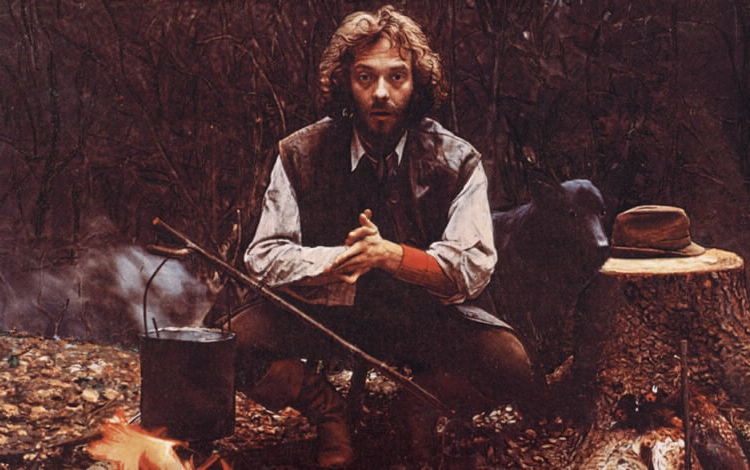
Few bands in classic rock history created a sound as distinctive and adventurous as Jethro Tull. Blending hard rock, progressive experimentation, folk melodies, blues influences, and the unmistakable flute playing of Ian Anderson, the group carved out a musical identity unlike anyone else of their era. Their songs could shift from delicate acoustic passages to thunderous riffs within moments, often wrapped inside clever storytelling, sharp social commentary, and richly imaginative lyrics. Jethro Tull never followed conventional rock formulas, which is exactly why their music continues to fascinate generations of listeners. Whether performing epic progressive compositions or energetic radio favorites, the band balanced technical musicianship with theatrical personality and emotional depth. From mystical folk inspired pieces to roaring rock anthems, their greatest songs remain timeless examples of creativity and fearless originality, proving why Jethro Tull still stands as one of the most unique and influential bands in classic rock history.
1. Aqualung
Aqualung is the Jethro Tull song that most powerfully captures the band’s strange genius: grim character portrait, hard rock force, acoustic reflection, and progressive imagination all bound together in one unforgettable recording. The opening guitar riff arrives with a heavy, snarling authority that immediately separates the song from ordinary blues based rock. Yet the track is not content to stay in one mood. It shifts between grinding electric passages and quieter acoustic sections, creating a dramatic contrast that mirrors the uneasy humanity of its central figure. Ian Anderson’s vocal is theatrical, biting, and strangely compassionate, presenting the title character as both grotesque and vulnerable. Aqualung became one of Jethro Tull’s most popular songs because it is impossible to reduce to a simple formula. It has the impact of a rock anthem, the structure of a miniature drama, and the lyrical detail of a sharp social sketch. Martin Barre’s guitar work gives the song tremendous muscle, while Anderson’s flute and vocal personality make it unmistakably Tull. The song remains iconic because it sounds dangerous, intelligent, and deeply original, a classic rock staple that still feels like it is staring directly back at the listener.
2. Locomotive Breath
Locomotive Breath is one of Jethro Tull’s most thrilling rock performances, a song that moves with the unstoppable momentum suggested by its title. The track begins with a deceptively calm piano introduction before the band locks into a driving rhythm that feels like machinery gathering speed. Ian Anderson’s flute enters not as decoration, but as a wild, cutting lead instrument, giving the song a character unlike anything else in classic rock. His vocal performance is urgent and slightly unhinged, presenting a man caught in a world moving too fast to control. Locomotive Breath became a fan favorite because it combines accessibility with progressive edge. The riff is memorable, the groove is forceful, and the arrangement builds with a sense of inevitability. At the same time, the song carries a darker metaphor about modern life, spiritual pressure, and the feeling of being trapped on a runaway train. Martin Barre’s guitar provides grit and power, while the rhythm section keeps the track charging forward with relentless confidence. Its popularity comes from that blend of physical excitement and symbolic tension. It is a concert closer, a radio classic, and one of the clearest examples of Jethro Tull turning unusual instrumentation into pure rock electricity.
3. Bungle in the Jungle
Bungle in the Jungle is one of Jethro Tull’s most recognizable radio hits, a sharp and witty song that wraps clever social observation inside an unusually catchy rock arrangement. The track has a brighter, more compact sound than many of the band’s sprawling progressive pieces, but it still carries Ian Anderson’s unmistakable lyrical bite. Beneath the playful animal imagery lies a pointed view of human behavior, competition, instinct, and the strange ways people disguise their own appetites. Anderson sings with a sly sense of amusement, making the song feel charming on the surface while giving it a satirical edge underneath. Bungle in the Jungle became popular because it is one of the band’s most immediately accessible singles. The chorus is memorable, the rhythm moves easily, and the arrangement balances acoustic warmth with rock energy. Yet it never feels ordinary. Jethro Tull’s personality remains present in every detail, from the phrasing to the lyrical conceit to the instrumental colors. The song proves that the band could make concise, radio friendly music without surrendering their eccentric intelligence. Its enduring appeal comes from that rare balance of fun and cleverness. It invites casual listening, but rewards anyone willing to notice the sharper ideas hiding inside the groove.
4. Thick as a Brick
Thick as a Brick is Jethro Tull at their most audacious, witty, and progressive, a composition that turned the idea of a rock album into an elaborate concept, satire, and musical journey. Even in its edited form, the song carries the grandeur of a much larger work. The acoustic opening is graceful and inviting, with Ian Anderson’s voice delivering lines that feel poetic, ironic, and deeply English in character. Soon the music begins to shift, revealing the band’s command of dynamics, odd transitions, rhythmic changes, and instrumental storytelling. Thick as a Brick became one of Jethro Tull’s most important songs because it represents the group’s refusal to obey standard rock boundaries. It is not simply a track with verses and choruses. It is a world of recurring themes, sudden turns, and theatrical intelligence. Anderson’s flute, Martin Barre’s guitar, and the band’s intricate ensemble playing create a sense of constant motion. The song is playful yet serious, complex yet melodic, and eccentric without becoming inaccessible. Its popularity among fans comes from its ambition and personality. It captures the moment when Jethro Tull fully embraced progressive rock while keeping a mischievous grin, proving that complexity could still have charm, bite, and emotional lift.
5. Living in the Past
Living in the Past is one of Jethro Tull’s most elegant and distinctive early songs, famous for its unusual rhythmic feel and graceful melodic construction. The track moves in a five beat pulse, giving it a gently off center sway that immediately sets it apart from ordinary rock singles. Instead of sounding awkward, the rhythm feels natural, almost hypnotic, as if the song is strolling through memory at its own private pace. Ian Anderson’s flute is central to the atmosphere, adding a jazzy brightness that pairs beautifully with his vocal. Living in the Past became one of the band’s most popular songs because it manages to be unusual and instantly appealing at the same time. Its lyrics suggest retreat, disillusionment, and the comfort of nostalgia, but the music remains light, stylish, and surprisingly warm. The bass line moves with wonderful agility, giving the track a fluid sophistication that reflects the band’s roots in blues, jazz, and folk influenced rock. The song’s popularity endures because it captures Jethro Tull’s gift for making strange ideas feel welcoming. It is compact, melodic, and refined, yet filled with enough rhythmic and instrumental character to remain unmistakable decades after its release.
6. Cross Eyed Mary
Cross Eyed Mary is one of Jethro Tull’s sharpest and most vivid character studies, a song that expands the world of Aqualung with dark humor, social commentary, and muscular rock energy. The flute introduction instantly creates a theatrical mood, almost like a curtain rising on a strange urban scene. Then the band enters with a hard, swaggering drive that gives the song its bite. Ian Anderson’s lyrics sketch Mary as a figure moving through class tension, desire, survival, and moral hypocrisy. The song does not treat its subject with simple sentiment. Instead, it mixes irony, empathy, and critique in the way only Jethro Tull could. Cross Eyed Mary became a fan favorite because it has the toughness of a rock track and the narrative detail of a short story. Martin Barre’s guitar gives the arrangement weight, while Anderson’s voice sounds mischievous, observant, and slightly dangerous. The rhythm section keeps the song moving with confidence, supporting its blend of theatricality and grit. Its popularity comes from how fully it embodies the band’s personality. It is literate, rocking, strange, and memorable, a perfect example of Jethro Tull using character and atmosphere to turn social observation into classic rock drama.
7. Skating Away on the Thin Ice of the New Day
Skating Away on the Thin Ice of the New Day is one of Jethro Tull’s most graceful acoustic treasures, a song that blends folk delicacy, philosophical reflection, and progressive craftsmanship into a beautifully balanced recording. The track has a sense of motion that feels light but uncertain, perfectly matching the image of skating across fragile ice. Ian Anderson sings with warmth and thoughtfulness, presenting life as a strange journey through risk, performance, and self discovery. The arrangement grows carefully, beginning with an intimate acoustic feel before adding richer instrumental colors that expand the song without overwhelming its reflective heart. Skating Away on the Thin Ice of the New Day became beloved because it shows Jethro Tull’s softer side at its most sophisticated. The melody is inviting, the lyrics are imaginative, and the instrumental details reveal the band’s careful ear for texture. Anderson’s flute and acoustic guitar sensibility help create an atmosphere that feels pastoral yet intellectually alert. The song does not need heavy riffs to make an impact. Its power lies in its elegance, movement, and quiet mystery. It remains popular among fans because it captures the band’s ability to make introspection feel adventurous, turning a personal meditation into a sparkling piece of progressive folk rock.
8. Teacher
Teacher is one of Jethro Tull’s strongest early rock songs, a compact and energetic track that captures the band during a period of transition from blues based beginnings toward a more distinctive progressive identity. The song is driven by a firm groove, lively guitar work, and Ian Anderson’s unmistakable vocal personality. There is a slyness in his delivery, as if the narrator is both amused and wary of the lesson being offered. The lyrics play with the idea of guidance, experience, and the strange bargain between wisdom and manipulation. Teacher became popular because it has a directness that makes it immediately enjoyable, while still carrying the quirky intelligence that would become central to Jethro Tull’s appeal. The guitar tones are bright and confident, the rhythm has a strong forward push, and the flute gives the track that signature Tull flavor. Unlike the band’s later extended works, this song thrives on concise impact. It is tight, memorable, and full of character. Its enduring charm comes from the way it bridges eras. Listeners can hear the blues rock foundation, but also the beginnings of the theatrical, witty, and musically adventurous band Jethro Tull would soon become.
9. Songs from the Wood
Songs from the Wood is Jethro Tull’s folk rock imagination in full bloom, a vibrant celebration of rural imagery, layered voices, and intricate acoustic power. The song opens like an invitation from some enchanted countryside gathering, with vocal harmonies that feel both ancient and playful. Ian Anderson leads the performance with theatrical warmth, drawing on English folk traditions while filtering them through the band’s progressive rock intelligence. The arrangement is full of movement, with acoustic guitars, flute, rhythm shifts, and ensemble details creating a rich woodland atmosphere. Songs from the Wood became one of the band’s most cherished tracks because it represents a major part of their identity: the ability to make folk influence sound bold, clever, and alive rather than merely nostalgic. The lyrics celebrate music as something rooted in earth, season, and communal ritual, while the band performs with remarkable precision. Every entrance feels carefully placed, yet the song never becomes stiff. It dances. It breathes. It carries the joy of musicians fully inhabiting their own unusual world. Its popularity among fans comes from that distinctive magic. No other classic rock band sounded quite like this, and Songs from the Wood remains one of the clearest examples of Jethro Tull’s singular charm.
10. Bourée
Bourée is one of Jethro Tull’s most fascinating early pieces, a bold reworking of a Johann Sebastian Bach theme through the band’s blues, jazz, and rock sensibility. Rather than treating classical material as a museum object, the group reshapes it into something lively, playful, and surprisingly earthy. Ian Anderson’s flute takes the lead with nimble phrasing and unmistakable personality, turning the melody into a vehicle for swing and improvisational color. The rhythm section gives the track a loose, jazzy feel, while the bass line moves with particular confidence and melodic charm. Bourée became popular because it announced Jethro Tull as a band willing to cross boundaries without apology. Classical influence, blues club energy, rock attitude, and folk like brightness all meet inside a short instrumental that feels both learned and mischievous. The performance reveals Anderson’s ability to make the flute a central rock instrument, not a novelty or background texture. It also captures the adventurous spirit of the late sixties, when musicians were testing how far rock language could stretch. Decades later, Bourée still delights because it is elegant and cheeky at once, a brilliant reminder that Jethro Tull’s originality was present from the beginning.

Edward Tomlin is a frequent contributor to Singers Room. Since 2005, Singersroom has been the voice of R&B around the world. Connect with us via social media below.