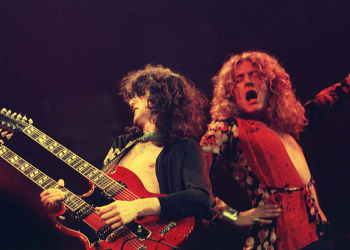
Few artists in music history have matched the creativity, soul, and musical brilliance of Stevie Wonder. Emerging as a child prodigy at Motown before evolving into one of the greatest songwriters of all time, Stevie Wonder created a catalog filled with unforgettable melodies, groundbreaking production, and deeply human storytelling. His music could make listeners dance, reflect, celebrate, and cry often within the same song. Blending soul, funk, pop, jazz, gospel, and R&B into a style entirely his own, Wonder transformed popular music with his extraordinary voice, masterful musicianship, and fearless imagination. From joyful love songs to socially conscious anthems filled with hope and compassion, his recordings continue to resonate across generations. Whether behind a piano, a synthesizer, or a harmonica, Stevie Wonder brought warmth and emotional truth into every performance, creating timeless classics that remain woven into the soundtrack of countless lives around the world.
1. Superstition
Superstition is the Stevie Wonder song that most instantly announces his genius as a funk innovator, a groove architect, and a vocalist with complete command of rhythm and feeling. The clavinet riff is one of the most famous instrumental hooks in popular music, sharp, rubbery, and impossible to ignore. It does not merely support the song. It becomes the song’s engine, pushing everything forward with a sense of mystery and motion. Stevie sings with playful authority, warning against fear, bad luck, and irrational belief while making the message feel like a dance floor revelation. The horn arrangement adds explosive punctuation, giving the track a muscular punch that balances perfectly with the deep pocket of the rhythm. Superstition became one of his most popular songs because it is both brilliant and immediate. Musicians can study its syncopation, production, and arrangement for years, yet casual listeners can feel its power within seconds. The song captures Stevie Wonder at a creative peak, blending funk, soul, pop, and social wit into something timeless. It still sounds fresh because every element feels alive, from the vocal phrasing to the groove’s unstoppable snap.
2. I Just Called to Say I Love You
I Just Called to Say I Love You is one of Stevie Wonder’s most universally recognized ballads, a song built around emotional simplicity, melodic warmth, and a message that needs no grand occasion to matter. Unlike some of his more rhythmically complex or harmonically adventurous works, this recording finds its strength in directness. The lyric moves through holidays and special moments only to reveal that love does not need a calendar event to be expressed. Stevie’s vocal performance is tender, clear, and sincere, allowing the melody to carry the feeling without unnecessary ornament. I Just Called to Say I Love You became a global hit because it speaks in a language almost everyone understands. Its arrangement has a bright, polished pop quality, with synthesizer textures that reflect its era, but the emotional center remains timeless. The song’s popularity comes from its accessibility. It can be played at weddings, on radio dedications, during quiet romantic moments, or as a simple reminder of affection. Stevie Wonder often explored deep social themes and complex musical ideas, yet here he proves that a simple declaration, sung with complete honesty, can become one of the most enduring love songs in modern music.
3. Sir Duke
Sir Duke is Stevie Wonder’s joyous tribute to the giants of jazz, swing, and popular music who shaped the language he inherited and transformed. Named in honor of Duke Ellington, the song radiates gratitude, celebration, and musical intelligence from the very first measure. The horn lines are dazzling, the rhythm is buoyant, and the famous instrumental break remains one of the most exhilarating passages in Stevie’s catalog. What makes the track so special is that it honors musical history without sounding nostalgic in a dusty or distant way. Everything about it feels alive. Stevie’s vocal is bright, smiling, and full of wonder, as if he is inviting listeners into a living museum where every exhibit dances. Sir Duke became one of his most popular songs because it combines technical brilliance with pure happiness. The melody is instantly memorable, but the arrangement is filled with sophisticated turns that reveal more with every listen. Stevie celebrates artists such as Ellington, Count Basie, Glenn Miller, Louis Armstrong, and Ella Fitzgerald by creating a song worthy of the tradition they helped build. It is a love letter to music itself, performed with elegance, swing, and irresistible joy.
4. Signed, Sealed, Delivered I’m Yours
Signed, Sealed, Delivered I’m Yours captures Stevie Wonder in a burst of youthful soul energy, delivering one of the most exciting and instantly recognizable performances of his early adult career. The song is compact, punchy, and filled with personality, built around a groove that feels both classic Motown and uniquely Stevie. His vocal is full of urgency and charm, expressing romantic surrender with the confidence of someone ready to admit a mistake and return with his whole heart. The backing vocals answer him with lively force, while the rhythm section keeps the track moving with tight, infectious momentum. Signed, Sealed, Delivered I’m Yours became one of Stevie’s most popular songs because it is impossible to separate the message from the performance. The title phrase sounds like a declaration, a contract, and a joyful shout all at once. It is a song about coming back, admitting love, and giving oneself completely, but it never becomes heavy. Instead, it sparkles with rhythm and attitude. The record also marks an important step in Stevie’s development as a writer and producer figure, showing the growing independence that would later fuel his most groundbreaking albums. It remains a soul classic because it is direct, bright, and endlessly alive.
5. Isn’t She Lovely
Isn’t She Lovely is one of Stevie Wonder’s most radiant songs, a celebration of new life, fatherhood, and overwhelming joy. Written in honor of his daughter, the song glows with personal emotion, yet its warmth feels universal. The harmonica playing is instantly recognizable, carrying a sense of wonder that mirrors the lyric’s amazement. Stevie’s vocal is playful, proud, and deeply affectionate, making the listener feel as if they are sharing in a private family moment that has somehow become part of the world’s musical memory. Isn’t She Lovely became one of his most beloved songs because it transforms a specific personal experience into a timeless expression of love. The groove is light and buoyant, with jazz influenced movement and soulful ease, allowing the song to feel celebratory without becoming overly sentimental. The recording’s charm lies in its sincerity. Stevie does not need elaborate metaphors or dramatic tension. The miracle is simple: a child has arrived, and the world feels brighter because of it. Few artists could turn such intimate joy into a song that feels both musically sophisticated and emotionally immediate. It remains a favorite because it captures happiness in its purest, most melodic form.
6. Higher Ground
Higher Ground is Stevie Wonder at his most spiritually charged and rhythmically commanding, a funk masterpiece built on renewal, struggle, and moral elevation. The clavinet groove is thick, restless, and hypnotic, creating a sense of climbing motion that perfectly matches the song’s message. Stevie sings with conviction, presenting life as a cycle of learning, failing, returning, and reaching toward something better. The performance feels urgent because it is not abstract philosophy. It sounds like lived wisdom, delivered through rhythm so powerful that reflection becomes physical. Higher Ground became one of Stevie’s most popular and respected songs because it combines a deep spiritual idea with one of the fiercest grooves of the nineteen seventies. The arrangement is lean but intense, with every instrumental part serving the forward drive. His voice rides the track like a preacher, a funk bandleader, and a soul singer all at once. The song’s meaning grew even more powerful after Stevie survived a serious car accident soon after its release, giving its themes of second chances and perseverance an almost prophetic weight. Decades later, it still feels like a call to rise above fear, ignorance, and limitation through faith, discipline, and groove.
7. You Are the Sunshine of My Life
You Are the Sunshine of My Life is one of Stevie Wonder’s most graceful love songs, a recording that captures devotion with elegance, warmth, and melodic ease. The song opens with a gentle vocal handoff before Stevie’s voice enters fully, giving the track a communal softness that suits its message of affection. Rather than building toward dramatic heartbreak or emotional conflict, the song rests in gratitude. It is about recognizing someone as a source of light, comfort, and emotional stability. You Are the Sunshine of My Life became one of his most popular songs because it makes love feel calm, mature, and beautifully assured. The arrangement blends soul, jazz, and pop with effortless sophistication, using subtle instrumental colors rather than heavy spectacle. Stevie’s phrasing is relaxed but deeply expressive, showing how much feeling he can place inside a seemingly simple melody. The song’s greatness comes from its balance. It is polished enough for classic pop radio, intimate enough for personal dedication, and musically rich enough to reward careful listening. Many love songs chase intensity, but this one finds beauty in steadiness. It remains timeless because it captures the quiet miracle of being loved and loving someone in return.
8. Living for the City
Living for the City is one of Stevie Wonder’s most powerful social statements, a song that combines storytelling, soul, funk, and political anger with extraordinary dramatic force. The track begins by presenting a young man born into poverty in Mississippi, surrounded by family struggle, racial injustice, and limited opportunity. Stevie’s vocal is firm, compassionate, and increasingly intense, guiding the listener through a narrative that becomes more devastating as it unfolds. The groove is heavy and deliberate, giving the story weight rather than simple motion. Living for the City became one of his most important songs because it refuses to soften its view of systemic inequality. The middle section, with spoken scenes and urban sound design, pulls the listener directly into the experience, making the song feel almost cinematic. Stevie uses studio technology not as decoration, but as storytelling. His voice returns with greater urgency, turning the track into an indictment as well as a lament. The popularity and importance of the song come from its courage. It is musically gripping, but it is also morally uncompromising. Stevie Wonder proves that popular music can entertain, educate, disturb, and demand attention all within a single unforgettable recording.
9. Master Blaster
Master Blaster is Stevie Wonder’s vibrant salute to reggae spirit, global unity, and the joyful influence of Bob Marley. The song moves with a bright island rhythm, but it remains unmistakably Stevie in its melodic shape, harmonic color, and emotional generosity. His vocal performance is relaxed, celebratory, and full of affection, capturing the feeling of music as a force that brings people together across borders and backgrounds. Master Blaster became one of his most popular later hits because it blends political optimism with irresistible groove. The lyric imagines a world where celebration carries deeper meaning, where people dance not to escape reality but to affirm life in the face of struggle. The production is colorful and inviting, with a rhythm that sways rather than pushes, allowing the song to feel communal and openhearted. Stevie Wonder had always been a master of absorbing diverse musical influences without losing his identity, and this track is a perfect example. He honors reggae without imitation, filtering its pulse through his own soul language. The result is joyful, respectful, and enduring. It remains a favorite because it sounds like sunlight, movement, and shared hope poured into song.
10. Part Time Lover
Part Time Lover is one of Stevie Wonder’s sleekest pop hits, a song that wraps a story of secrecy and romantic deception inside an irresistibly polished groove. The track moves with bright eighties production, crisp rhythm, and a catchy melodic structure that made it a major radio favorite. Stevie sings with playful sophistication, presenting the tale of hidden love with a mixture of excitement, guilt, and dramatic irony. The song’s genius lies in how smoothly it balances moral complication with pure pop pleasure. Part Time Lover became one of his most popular songs because it is instantly memorable while still carrying the storytelling instincts that define his best work. The backing vocals and arrangement create a lively sense of conversation, almost like whispers moving through a network of secret calls and coded meetings. Stevie’s performance keeps the tone stylish rather than heavy, but the lyric reveals how desire can create its own traps. The rhythm invites movement, while the story hints at consequences waiting just out of sight. It shows Stevie’s ability to thrive in a new decade’s sound without surrendering his personality. The song remains beloved because it is catchy, clever, dramatic, and impeccably performed.<

Edward Tomlin is a frequent contributor to Singers Room. Since 2005, Singersroom has been the voice of R&B around the world. Connect with us via social media below.