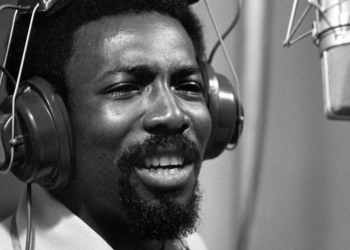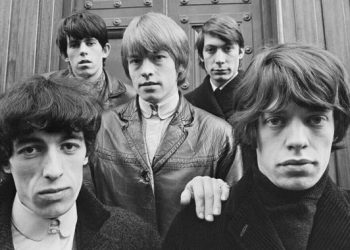
Few voices in rock history have carried the power, mystery, and emotional fire of Robert Plant. Best known as the legendary frontman of Led Zeppelin, Plant helped redefine rock music with his soaring vocals, blues rooted passion, and fearless sense of musical adventure. From thunderous hard rock anthems to haunting folk inspired ballads, his performances always carried a larger than life intensity that captivated audiences around the world. Yet beyond Led Zeppelin, Robert Plant also built a remarkable solo career filled with experimentation, world music influences, Americana textures, and deeply personal songwriting. His music could sound mystical, sensual, reflective, or wild, often all within the same performance. Whether unleashing a primal scream or delivering a delicate melody filled with longing, Plant’s voice remained unmistakable. His greatest songs continue to inspire generations of listeners, proving why he remains one of the most influential and celebrated singers in rock history.
1. Big Log
Big Log remains one of Robert Plant’s most beloved solo recordings because it revealed a completely different side of the legendary singer. Instead of trying to recreate the thunder of Led Zeppelin, Plant moved into a spacious, atmospheric world filled with desert imagery, sleek guitar lines, and late night emotional mystery. The song feels like a long drive through open roads, where memory, longing, and distance all blur beneath the glow of headlights. Plant’s vocal performance is beautifully restrained, proving that his power did not always need to arrive as a scream. Here, he sings with smoky control, letting each phrase drift across the track with a kind of lonely elegance. The guitar work gives the song its hypnotic character, cool and fluid rather than aggressive. Big Log became a signature solo hit because it allowed Plant to step out from the shadow of his former band while still carrying the same sense of myth and atmosphere that made him iconic. It is romantic without being obvious, haunting without being gloomy, and polished without losing soul. Decades later, it still sounds like one of the great road songs of the eighties, full of space, heat, and quiet desire.
2. In the Mood
In the Mood captures Robert Plant finding a confident solo identity in the early eighties, blending rock, pop, and sleek rhythmic energy into one of his most accessible hits. The song has a bright, rolling momentum that feels lighter than his heaviest Led Zeppelin work, yet it still carries that unmistakable Plant charisma. His voice moves with ease through the melody, playful and expressive, showing how naturally he could adapt to a more modern production style without losing his personality. The groove has a subtle swing, helped by smooth backing vocals and guitar textures that keep the track moving with charm. In the Mood became popular because it feels inviting from the first moments. It is romantic, catchy, and polished, but never bland. Plant sings like someone enjoying the freedom of a new chapter, no longer bound to the expectations of his past. There is warmth in the performance, along with enough rhythmic bite to keep it from becoming soft. The song represents an important part of his solo career because it proved that he could make radio friendly music with class, taste, and character. It remains a favorite because it feels relaxed, stylish, and unmistakably alive.
3. Ship of Fools
Ship of Fools is one of Robert Plant’s most elegant and emotionally mature solo recordings, a song that drifts with melancholy beauty while carrying a deep sense of reflection. The track moves slowly and gracefully, allowing Plant’s voice to settle into a space of regret, wisdom, and quiet observation. Rather than reaching for dramatic vocal fireworks, he uses texture and phrasing to create intimacy. That restraint gives the song much of its power. The arrangement is polished but atmospheric, with guitar tones and keyboard colors that create a shimmering sense of distance. Ship of Fools became a standout because it shows Plant as more than a rock icon. It presents him as a thoughtful interpreter of mood, capable of turning a simple melodic line into something deeply affecting. The song’s title suggests human folly, emotional drift, and the strange ways people move through life without always understanding where they are headed. Plant sings with the voice of someone who has seen triumph, loss, reinvention, and uncertainty, making the performance feel lived in. Its popularity comes from that mixture of grace and sadness. It is not a song that overwhelms the listener. It slowly surrounds them, like mist over dark water.
4. Tall Cool One
Tall Cool One is Robert Plant at his most playful and self aware, a sharp, energetic rock track that nods to his Zeppelin legacy while pushing into a glossy late eighties sound. The song is packed with swagger, rhythm, and cheeky confidence, driven by a punchy arrangement that combines big guitars, crisp drums, and a modern studio sheen. Plant’s vocal performance is full of personality, shifting between teasing phrasing and full bodied rock attack. What makes the song especially fascinating is the way it incorporates echoes of his past without becoming trapped by nostalgia. The production includes recognizable fragments associated with Led Zeppelin, but Plant uses them like sparks inside a new machine. Tall Cool One became one of his most popular solo songs because it gave fans a clever bridge between eras. It acknowledged the myth while refusing to simply repeat it. The song feels bold, flashy, and built for radio, yet Plant’s performance keeps it grounded in real rock charisma. He sounds amused, energized, and completely in command. Its appeal comes from that sense of motion and mischief. It is the sound of a legendary singer having fun with his own history while proving he still had fresh electricity to offer.
5. Heaven Knows
Heaven Knows is a powerful example of Robert Plant’s late eighties solo sound, combining muscular rock energy with polished production and a sense of mystical drama. The song has a bold, driving quality, with guitars and keyboards creating a sleek but forceful backdrop for Plant’s unmistakable voice. He sings with bite and authority, leaning into the lyric with a mixture of urgency and theatrical flair. There is a sense of pursuit in the track, as though the music is moving through shadows toward some uncertain revelation. Heaven Knows became popular because it successfully balanced contemporary rock radio appeal with Plant’s enduring aura of mystery. He never sounds like a singer merely adapting to trends. Instead, he bends the era’s production style toward his own personality. The rhythm is tight, the chorus is memorable, and the atmosphere carries enough darkness to keep the song intriguing. Plant’s vocal remains the central force, rich with experience and still capable of commanding attention instantly. The track also reflects his ability to evolve after one of the most famous band careers in rock history. Rather than leaning only on memory, he created music that sounded confident in its own moment, full of edge, polish, and presence.
6. Burning Down One Side
Burning Down One Side marked a bold arrival for Robert Plant as a solo artist, giving listeners a first major taste of how he intended to move forward after Led Zeppelin. The song has a tense, angular energy, driven by crisp guitar work, active percussion, and a vocal performance that feels restless and alive. Plant does not attempt to simply summon the old thunder. Instead, he explores a leaner, more contemporary rock language while still using the dramatic instincts that made him famous. His voice cuts through the arrangement with familiar intensity, but there is also a sense of experimentation in the way he phrases and rides the rhythm. Burning Down One Side became important because it announced that Plant’s solo career would not be a museum piece. It would be curious, modern, and willing to take chances. The track carries heat in both sound and subject, suggesting emotional imbalance, desire, and a kind of inner combustion. The band sounds sharp and alert, giving Plant room to move without surrounding him in excess. Its popularity among fans comes from its historical significance as well as its raw energy. It is the sound of a major artist stepping into uncertainty with confidence.
7. 29 Palms
29 Palms is one of Robert Plant’s most evocative solo songs, a desert lit piece of melodic rock that blends longing, travel, and romantic memory into a warm, atmospheric recording. The song takes its name from a California desert town, and the music seems to carry that landscape in its bones. There is a feeling of open sky, sun baked roads, and emotional distance running through the track. Plant’s vocal is smooth and expressive, filled with a kind of mature yearning that feels very different from the raw blues howl of his early career. He sounds reflective, romantic, and deeply aware of the way places can become attached to people in memory. 29 Palms became popular because it offers a graceful version of Plant’s solo artistry, one rooted in melody and atmosphere rather than sheer force. The arrangement is polished without feeling sterile, with guitars and rhythmic textures creating motion that suits the travel imagery. Plant sings as if he is chasing both a person and a feeling, moving through geography as a way of moving through the heart. The song remains a fan favorite because it captures one of his greatest gifts: making personal longing feel mythic, cinematic, and timeless.
8. Little by Little
Little by Little shows Robert Plant embracing a darker, more atmospheric mid eighties sound, using tension, rhythm, and vocal mystery to create one of his most memorable solo tracks. The song has a brooding quality, built around sleek production, moody keyboard textures, and a groove that feels controlled but uneasy. Plant’s voice is the perfect instrument for this kind of setting. He does not simply sing over the track. He seems to haunt it, bringing flashes of desire, warning, and emotional fatigue into the performance. Little by Little became a standout because it demonstrated his willingness to explore new sonic spaces rather than rely on familiar hard rock formulas. The arrangement is very much of its time, yet the atmosphere remains compelling because Plant brings genuine drama to the material. The lyric suggests a gradual unraveling, the slow loss of certainty, or the way emotional damage can arrive in small increments before it becomes impossible to ignore. Plant’s phrasing gives those ideas weight. He sounds watchful and wounded, but never passive. The song remains important in his solo catalog because it captures an artist pushing into modern textures while retaining a deep sense of mystery, sensuality, and vocal command.
9. The Hurting Kind
The Hurting Kind is Robert Plant in bright, hard driving rock mode, delivering one of his most energetic solo singles with confidence and flair. The song charges forward with a lively guitar attack and a crisp arrangement that gives Plant plenty of room to unleash his vocal personality. There is a classic rock spirit in the track, but it is shaped through the cleaner production style of its period, making it feel both familiar and contemporary. Plant sings with playful force, bringing a sense of romantic danger and emotional heat to the performance. The Hurting Kind became popular because it delivers direct rock pleasure without overcomplication. The chorus is strong, the momentum is immediate, and Plant sounds completely engaged. What makes the song work especially well is the way his voice retains its expressive bite while adapting to a more streamlined structure. He does not need sprawling arrangements or epic mythology to hold attention. A sharp groove, a memorable hook, and his unmistakable presence are enough. The song also reflects his ability to keep moving creatively into the nineties, still sounding vital and spirited. It remains a strong fan favorite because it captures the thrill of Robert Plant as a rock singer who could still ignite a track with ease.
10. Please Read the Letter
Please Read the Letter holds a special place in Robert Plant’s later career, especially through his celebrated collaboration with Alison Krauss. The song is built on regret, vulnerability, and the desperate hope that written words might reach someone when spoken ones have failed. Plant’s voice in this setting is weathered, intimate, and beautifully restrained. He does not perform with the wild force of his younger years. Instead, he lets the ache sit in the grain of his tone, making the emotion feel honest and mature. Krauss brings a luminous harmony presence that surrounds the song with quiet grace, creating a blend that feels almost haunted. Please Read the Letter became widely admired because it revealed how powerful Plant could be when he embraced subtlety. The arrangement draws from folk, country, and roots music textures, placing the focus on melody, feeling, and vocal connection. The song is not about spectacle. It is about the fragile act of reaching out after damage has been done. Plant’s performance suggests memory, remorse, and the humility of someone who knows that love cannot always be commanded back. Its popularity reflects a remarkable artistic truth: even after decades of reinvention, Robert Plant could still find new emotional territory and make it resonate deeply.

Edward Tomlin is a frequent contributor to Singers Room. Since 2005, Singersroom has been the voice of R&B around the world. Connect with us via social media below.