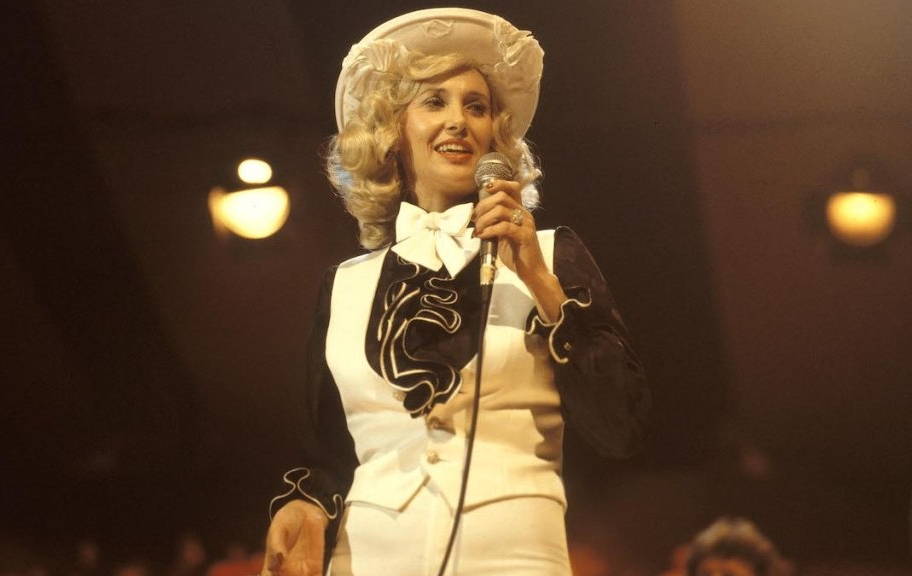
Few voices in country music history carried heartbreak, strength, and emotional honesty quite like Tammy Wynette. Often called the “First Lady of Country Music,” Tammy Wynette built a legendary career on songs that explored love, loyalty, loneliness, sacrifice, and the complicated realities of relationships with remarkable sincerity. Her rich, emotional voice could sound fragile and powerful at the same time, giving every lyric a deeply personal quality that connected instantly with listeners. Classics like “Stand by Your Man,” “D I V O R C E,” and “Til I Can Make It on My Own” became defining country standards because they captured real human vulnerability without losing dignity or grace. Wynette’s music reflected both the pain and resilience of everyday life, especially from a woman’s perspective during a changing era in country music. Her timeless songs continue to resonate because they remain heartfelt, relatable, and emotionally fearless.
1. Stand by Your Man
“Stand by Your Man” is the Tammy Wynette song that became both her signature recording and one of the most famous country songs ever released. Its opening piano line carries a sense of solemn ceremony, preparing the listener for a vocal performance filled with devotion, vulnerability, and emotional conviction. Wynette sings with remarkable control, allowing the lyric to unfold as a statement of loyalty inside a complicated relationship. The song has often sparked debate because of its message, yet its lasting power comes from the humanity in Wynette’s delivery. She does not sound naïve or passive. She sounds like someone who understands pain, imperfection, and the difficult choices love can demand.
What makes “Stand by Your Man” endure is the way Wynette transforms a simple country ballad into a cultural landmark. Her voice rises with aching strength, especially as the chorus opens into one of the most recognizable refrains in country music history. The production is classic Nashville, elegant and dramatic without overwhelming the singer. Every phrase feels shaped by lived experience, which is why the song has remained so emotionally potent across generations. Whether embraced as a heartfelt anthem of devotion or discussed as a reflection of its era, “Stand by Your Man” remains essential because it captures Tammy Wynette’s central gift: making complicated emotion sound direct, dignified, and unforgettable.
2. D I V O R C E
“D I V O R C E” is one of Tammy Wynette’s most heartbreaking classics, a country ballad built around a devastatingly simple storytelling device. The song follows a mother spelling out painful adult words to keep her young child from understanding that the family is falling apart. That lyrical choice gives the record an almost unbearable tenderness. It is not only a song about separation. It is a song about trying to protect innocence while grief is already entering the room. Wynette’s vocal performance is restrained, clear, and deeply wounded, making every spelled word feel like a small act of emotional survival.
The brilliance of “D I V O R C E” lies in how effectively it turns domestic sorrow into high country drama without ever feeling exaggerated. Wynette does not need to raise her voice to communicate devastation. She lets the ache live in her phrasing, especially in the way she balances maternal softness with private despair. The arrangement gives her room to tell the story, using classic Nashville instrumentation to support rather than crowd the lyric. The song became one of her defining hits because it captured a real experience many listeners recognized: the pain of family breakdown seen through the eyes of both parent and child. “D I V O R C E” remains popular because it is emotionally precise, beautifully sung, and almost cinematic in its ability to make one household’s sorrow feel universal.
3. Til I Can Make It on My Own
“Til I Can Make It on My Own” is one of Tammy Wynette’s most moving songs of emotional recovery, a ballad that captures the fragile space between heartbreak and independence. Written with remarkable honesty, the song does not pretend that healing happens immediately after love ends. Instead, it admits the painful truth that a person may still need comfort, memory, and even the presence of the one they are trying to move beyond. Wynette’s vocal performance is breathtaking because she sings from inside that vulnerability without making it sound weak. Her voice trembles with need, but also carries the quiet beginnings of strength.
What makes “Til I Can Make It on My Own” so powerful is its emotional maturity. It is not a revenge song, not a bitter farewell, and not a simple plea for reconciliation. It is a portrait of someone learning how to stand again after love has rearranged their life. The melody moves gently, giving Wynette room to shape each line with patience and ache. The orchestration supports the confession with warmth, creating an atmosphere that feels intimate and dignified. Many country songs address heartbreak, but few understand the slow, uneven process of rebuilding as well as this one. “Til I Can Make It on My Own” remains one of Wynette’s most beloved recordings because it honors vulnerability as part of survival and makes emotional dependence sound painfully human.
4. I Don’t Wanna Play House
“I Don’t Wanna Play House” is one of Tammy Wynette’s earliest major hits, and it established her as a singer capable of turning domestic heartbreak into deeply affecting country storytelling. The song is told from the perspective of a mother overhearing her child reject the idea of playing house because home has become associated with pain, arguments, and broken love. That angle gives the song its devastating emotional force. Instead of focusing only on adult sorrow, it shows how children absorb the tension around them. Wynette delivers the lyric with compassion, making the mother’s heartbreak feel quiet, guilty, and profoundly real.
The lasting strength of “I Don’t Wanna Play House” comes from its narrative clarity. The story is simple, but its implications are enormous. Wynette’s voice carries both tenderness and regret, allowing listeners to feel the mother’s realization that private adult pain has reached a child’s imagination. The song helped define the emotional world Wynette would explore throughout her career: marriage, family, loyalty, disappointment, and the cost of love when it fails to protect the vulnerable. The arrangement is classic country, direct and uncluttered, giving the lyric room to strike. “I Don’t Wanna Play House” remains popular because it captures heartbreak from an angle that is both intimate and universal. It is a song about a child’s words, but it reveals an entire household’s sadness.
5. Your Good Girl’s Gonna Go Bad
“Your Good Girl’s Gonna Go Bad” is the song that introduced Tammy Wynette to many listeners as a bold and emotionally complex voice in country music. Unlike the wounded devotion of some later classics, this track has a sharper edge. The narrator warns a careless partner that neglect and betrayal have consequences, and that the loyal woman he has taken for granted may change in response to his behavior. Wynette sings with a mixture of hurt, resolve, and controlled rebellion, making the song feel like a turning point rather than a simple threat. It is country heartbreak with backbone.
The power of “Your Good Girl’s Gonna Go Bad” lies in its blend of vulnerability and defiance. Wynette does not present the narrator as naturally reckless. She makes clear that the change comes from emotional injury, from being pushed too far by someone who failed to value faithfulness. That gives the song an interesting moral tension. It belongs to the honky tonk tradition of trouble, temptation, and wounded pride, but Wynette adds psychological depth through her phrasing. The arrangement has a classic country snap, giving the song enough movement to feel lively while still carrying real emotional consequence. “Your Good Girl’s Gonna Go Bad” remains important because it showed early on that Wynette could sing not only sadness, but also warning, pride, and transformation. It helped shape her identity as a storyteller of women under pressure.
6. Apartment No. 9
“Apartment No. 9” is one of Tammy Wynette’s most haunting early recordings, a song that captures abandonment with stark elegance. The lyric places the listener inside a lonely apartment after love has gone, where the walls seem to hold memory and silence becomes almost physical. Wynette sings with aching restraint, never pushing the emotion too hard, which makes the loneliness feel even more convincing. Her voice has a fragile clarity that suits the song perfectly, as if the narrator is still stunned by the sudden emptiness around her. The result is a record that feels intimate, wounded, and deeply country in its emotional honesty.
What makes “Apartment No. 9” so memorable is its atmosphere. The setting is ordinary, but Wynette turns it into a chamber of heartbreak. The apartment number itself becomes symbolic, a small detail that makes the story feel specific and lived in. Rather than using grand images, the song focuses on absence: the missing lover, the quiet room, the life that was supposed to continue but now feels suspended. The arrangement is understated, allowing Wynette’s phrasing to carry the emotional weight. This song helped reveal her extraordinary ability to inhabit sadness without melodrama. “Apartment No. 9” remains one of her cherished recordings because it shows heartbreak at its most private, where there is no audience, no escape, and no sound loud enough to cover the ache of being left alone.
7. Singing My Song
“Singing My Song” is one of Tammy Wynette’s most graceful expressions of love, devotion, and emotional gratitude. The song has a tender, flowing quality that allows Wynette to move away from pure heartbreak and into a warmer space of affection. Her vocal performance is soft but assured, communicating the feeling of someone whose life has been changed by love so deeply that even music itself becomes a form of recognition. The phrase at the center of the song suggests intimacy, as though the beloved person understands and expresses something private in the singer’s own heart.
The lasting charm of “Singing My Song” lies in its sincerity. Wynette had an unmatched ability to make simple romantic language feel meaningful because she sang with complete emotional presence. She never treats the lyric as decoration. She gives each line a sense of personal history, as if the song is not merely about happiness, but about relief after loneliness. The arrangement is polished in the classic Nashville style, with enough sweetness to support the theme without becoming overly ornate. “Singing My Song” remains popular because it shows a gentler side of Wynette’s artistry. While many of her most famous recordings explore divorce, sorrow, and emotional endurance, this song celebrates connection. It reminds listeners that her voice could convey tenderness with the same authority that it brought to heartbreak.
8. Kids Say the Darndest Things
“Kids Say the Darndest Things” is one of Tammy Wynette’s most affecting songs about family, innocence, and the emotional truths children reveal without fully understanding them. The song draws its power from small observations, the kind of remarks a child might make casually while adults feel the deeper meaning behind them. Wynette was especially gifted at songs that viewed domestic life through emotionally sensitive details, and this recording is a fine example. Her voice carries warmth, but also a trace of sadness, as if she recognizes that children often speak plainly about wounds grown people try to hide.
What makes “Kids Say the Darndest Things” so effective is its balance of sweetness and ache. The title may sound lighthearted, but the song reaches into serious emotional territory. Wynette does not sing down to the subject. She treats childhood innocence with respect, understanding that children can expose the truth of a home, a relationship, or a parent’s pain with startling clarity. The arrangement gives the song a gentle country setting, letting the narrative unfold naturally. This was one of Wynette’s great strengths as an interpreter: she could make everyday family moments feel worthy of serious musical attention. “Kids Say the Darndest Things” remains popular because it captures the complicated beauty of parenthood, where laughter, tenderness, worry, and heartbreak often live side by side. It is a song of small voices and big feelings.
9. He Loves Me All the Way
“He Loves Me All the Way” is one of Tammy Wynette’s most passionate country hits, a song that presents romantic fulfillment with confidence, warmth, and emotional certainty. Unlike many of her classic recordings centered on heartbreak or sacrifice, this track celebrates a love that feels complete and reassuring. Wynette sings with a glow in her voice, giving the lyric a sense of physical and emotional contentment. The song’s title suggests not partial affection or uncertain devotion, but a love that reaches fully into the singer’s life. That sense of being wholly cherished gives the record its special appeal.
The strength of “He Loves Me All the Way” comes from Wynette’s ability to make happiness sound just as convincing as sorrow. Some singers who excel at heartbreak struggle to communicate joy without losing depth, but Wynette brings emotional seriousness to this song as well. Her vocal is tender, expressive, and quietly powerful, suggesting that real romantic security can feel almost miraculous after pain. The arrangement is lush but tasteful, supporting the song’s intimacy while keeping the focus on her voice. “He Loves Me All the Way” remains popular because it captures the pleasure of being loved with certainty. In Wynette’s catalog, it stands as a reminder that her artistry was not limited to tears and endings. She could also sing fulfillment, devotion, and desire with grace and unmistakable sincerity.
10. Golden Ring
“Golden Ring” is one of Tammy Wynette’s most famous duets with George Jones, and it remains a landmark country story song about love’s beginning, breakdown, and symbolic remains. The song follows a wedding ring from a jewelry store to a marriage and eventually back into circulation after the relationship fails. That narrative device is beautifully simple and deeply effective. The ring becomes a witness to human hope and disappointment, shining through moments of promise while outlasting the love it was meant to represent. Wynette’s voice brings tenderness and ache to the story, while Jones adds his own unmistakable sorrowful power.
What makes “Golden Ring” so enduring is the emotional history surrounding the voices. Wynette and Jones were not merely duet partners in the public imagination. Their real life relationship, with all its passion and difficulty, made songs like this feel even more charged. Yet the recording stands on its own because the writing is so strong. The melody is classic country, the story is clear, and the performances are full of lived in feeling. Wynette’s contribution is essential because she gives the song its wounded dignity, making the listener feel the human cost behind the object’s journey. “Golden Ring” remains popular because it captures one of country music’s great themes: love can begin with shining hope and still end in sorrow, while the symbols people leave behind continue telling the story.

Edward Tomlin is a frequent contributor to Singers Room. Since 2005, Singersroom has been the voice of R&B around the world. Connect with us via social media below.