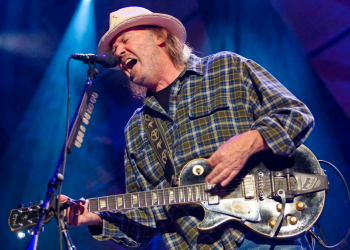
Few voices in music history carried the weight, honesty, and unmistakable presence of Johnny Cash. Known as “The Man in Black,” Johnny Cash built a legendary career on songs that explored love, sin, redemption, heartbreak, rebellion, faith, and the struggles of ordinary people living on the edges of society. His deep baritone voice and stripped down style gave even the simplest songs enormous emotional power, whether he was singing about prison life, personal regret, or spiritual salvation. Classics like “Ring of Fire,” “Folsom Prison Blues,” and “I Walk the Line” became timeless American anthems that crossed the boundaries of country, rock, folk, and gospel music. Cash’s music felt real because it came from lived experience, personal battles, and genuine compassion for outsiders. Decades after his rise to fame, his songs continue to resonate with listeners searching for truth, grit, and humanity in music.
1. Ring of Fire
“Ring of Fire” is one of Johnny Cash’s most instantly recognizable songs, a blazing country classic that turned romantic obsession into something vivid, dangerous, and unforgettable. The mariachi style horns give the record an unusual brightness, while Cash’s deep voice grounds the song in grit and emotional gravity. The lyric compares love to fire, not as a gentle warmth, but as a force that surrounds, consumes, and transforms. That image became one of the most famous metaphors in country music because Cash delivers it with such conviction. He sounds calm on the surface, yet the song suggests passion that has already crossed into surrender.
What makes “Ring of Fire” so enduring is its perfect balance of simplicity and personality. The melody is easy to remember, the arrangement is bold, and the performance carries the unmistakable stamp of Cash’s presence. Few songs can be playful, intense, romantic, and ominous all at once, yet this one manages it with remarkable ease. The horns lift the track into something almost celebratory, while the vocal reminds listeners that love can be a trial as much as a joy. “Ring of Fire” remains essential because it captures Johnny Cash at the center of his legend: direct, charismatic, emotionally honest, and impossible to confuse with anyone else.
2. Folsom Prison Blues
“Folsom Prison Blues” is one of Johnny Cash’s defining songs, a stark and unforgettable portrait of guilt, confinement, regret, and restless imagination. From its famous train rhythm to Cash’s low, steady delivery, the song creates a world with very few elements yet enormous atmosphere. The narrator hears a train passing while he sits locked away, and that sound becomes a symbol of everything he cannot reach: freedom, movement, sunlight, and ordinary life beyond prison walls. Cash’s genius is that he never overplays the character. He sings with a flat, haunted directness that makes the story feel chillingly real.
The lasting power of “Folsom Prison Blues” comes from the way Cash inhabits the margins of society without turning them into spectacle. He had a rare compassion for prisoners, outcasts, and people who had made terrible choices, and this song helped shape that image. The guitar pattern is spare but urgent, mimicking the motion of the train while also suggesting the mental loop of someone trapped with his memories. When Cash performed the song for incarcerated audiences, its meaning deepened, becoming not just entertainment but recognition. “Folsom Prison Blues” remains one of his most popular songs because it merges country storytelling, rockabilly drive, and moral ambiguity into something timeless. It is raw, economical, and unforgettable from the first note.
3. I Walk the Line
“I Walk the Line” is one of Johnny Cash’s purest declarations of devotion, a song built on discipline, temptation, and the effort to remain faithful. Its unusual chord movement and steady rhythm give the recording a hypnotic quality, while Cash’s voice carries both strength and vulnerability. He does not sing like a man untouched by desire. He sings like someone fully aware of temptation and determined to hold himself accountable. That tension makes the song far more compelling than a simple love pledge. It is romantic because it admits that loyalty requires effort.
What makes “I Walk the Line” so important is how completely it defined Cash’s early sound. The boom chick rhythm, the deep vocal tone, and the plainspoken lyric all became central to his musical identity. The song feels strict, almost like a vow spoken to oneself as much as to another person. Each verse circles the same promise, reinforcing the idea of commitment as a daily choice. The melody has a dark elegance that separates it from more sentimental country ballads of its era. “I Walk the Line” remains popular because it presents love as character, not just feeling. It shows Johnny Cash as a man wrestling with human weakness while reaching for honor, and that moral seriousness gives the song a timeless emotional weight.
4. Hurt
“Hurt” became one of Johnny Cash’s most powerful late career recordings because it sounded less like a cover and more like a final confession. Originally written by Trent Reznor, the song took on a new dimension in Cash’s hands. His aged voice, fragile but still commanding, transformed the lyric into a meditation on memory, regret, loss, fame, mortality, and the cost of a life fully lived. The arrangement is spare, allowing every crack in his voice to matter. Instead of hiding age, the performance makes age the emotional center of the song.
The impact of “Hurt” comes from its almost unbearable honesty. Cash sounds as though he is looking back across decades of triumph and damage, measuring what remains when applause fades and the body weakens. The song’s famous video deepened that feeling, but the recording stands on its own as a masterclass in interpretation. He does not need vocal power in the conventional sense. He brings authority through experience, silence, and emotional exposure. The lyric’s images of pain and emptiness feel deeply personal when delivered by an artist whose public life included addiction, faith, redemption, grief, and resilience. “Hurt” remains one of Cash’s most beloved songs because it reveals the full humanity behind the icon. It is not merely sad. It is brave, intimate, and devastatingly beautiful.
5. A Boy Named Sue
“A Boy Named Sue” shows Johnny Cash at his most humorous, theatrical, and crowd pleasing, turning a Shel Silverstein story song into one of the most famous live performances in country music history. Recorded at San Quentin, the song immediately connects with the audience through its outrageous premise: a father gives his son a name that causes him a lifetime of ridicule, forcing him to grow tough through conflict. Cash delivers the tale with perfect timing, moving between spoken word, singing, comedy, anger, and surprise with the instincts of a master entertainer.
The brilliance of “A Boy Named Sue” lies in how much personality Cash brings to the performance. He does not simply recite the story. He acts it out, letting the audience feel the humiliation, rage, confrontation, and absurdity at the center of the song. The live setting adds electricity, with the crowd responding to every twist as though they are hearing a tall tale unfold in a rough country bar. Beneath the comedy, the song also touches on masculinity, hardship, and the strange ways parents can wound children while believing they are preparing them for the world. It remains popular because it is funny, memorable, and surprisingly sharp. “A Boy Named Sue” proves that Cash could command a room not only through darkness and moral weight, but through wit, drama, and irresistible storytelling.
6. Man in Black
“Man in Black” is one of Johnny Cash’s clearest statements of identity, purpose, and conscience. The song explains the meaning behind his famous dark clothing, turning a visual trademark into a moral position. Cash sings for prisoners, the poor, the lonely, the addicted, the grieving, the hungry, and those ignored by polite society. Rather than presenting black as a symbol of mystery or personal style alone, he makes it a sign of solidarity. The result is a song that feels both autobiographical and social, rooted in Cash’s deep sympathy for people living under hardship.
What makes “Man in Black” so enduring is its sincerity. Cash does not sound like an artist crafting an image after the fact. He sounds like a man explaining a burden he willingly carries. The arrangement is straightforward, allowing the words to stand at the center. His voice has a firm, preacher like quality, but it never becomes self righteous. Instead, it communicates responsibility. Cash understood that his fame gave him a platform, and this song uses that platform to align himself with suffering rather than glamour. “Man in Black” remains one of his most important songs because it reveals the ethical dimension of his persona. It is not just about clothing. It is about memory, protest, compassion, and the refusal to look away from pain.
7. Jackson
“Jackson” is one of Johnny Cash’s most beloved duets with June Carter Cash, a fiery and playful performance that captures the chemistry between them with irresistible charm. The song presents a couple sparring over pride, frustration, desire, and the fantasy of escaping to Jackson for a fresh burst of excitement. What makes the record so delightful is the vocal interplay. Cash brings his deep, swaggering confidence, while June Carter answers with wit, sparkle, and perfect comic timing. Their voices do not merely harmonize. They act, tease, challenge, and flirt.
The appeal of “Jackson” comes from how alive it feels. The arrangement has a brisk country drive, but the real engine is the relationship inside the performance. Cash and Carter make the song sound like an argument that both people secretly enjoy, full of theatrical bluster and affectionate rivalry. The lyric plays with domestic restlessness, but the delivery transforms it into something joyous. In the context of Cash’s catalog, “Jackson” offers a lighter but still essential side of his artistry. It shows his ability to share the spotlight, respond to another performer, and create character through tone as much as words. The song remains popular because it captures one of country music’s great partnerships at full strength. It is funny, spirited, romantic, and deeply human in its depiction of love as both conflict and connection.
8. Sunday Morning Coming Down
“Sunday Morning Coming Down” is one of Johnny Cash’s most emotionally resonant interpretations, a Kris Kristofferson song that seemed perfectly suited to Cash’s voice and lived in presence. The lyric follows a lonely narrator moving through a Sunday morning after a hard night, surrounded by ordinary sights that deepen his isolation. The smell of food, the sound of church bells, children playing, and the quiet of the street all become reminders of belonging he does not have. Cash sings it with deep empathy, making the listener feel the ache of spiritual and emotional emptiness.
The greatness of “Sunday Morning Coming Down” lies in its attention to everyday detail. Nothing dramatic needs to happen because the pain is already everywhere. Cash’s delivery is gentle, weary, and profoundly human. He understands the narrator not as a caricature of a drinker or drifter, but as a person caught between regret and longing. The song became a signature performance because Cash could make loneliness sound monumental without overstating it. His voice carries moral weight, but also compassion, allowing the lyric to breathe without judgment. “Sunday Morning Coming Down” remains popular because it captures a feeling many people recognize: the hollow quiet after distraction fades, when the world seems to belong to everyone else. It is one of Cash’s finest examples of interpretive genius, turning another songwriter’s words into something unmistakably his own.
9. Get Rhythm
“Get Rhythm” is one of Johnny Cash’s most upbeat early classics, a lively song that showcases the bright rockabilly energy beneath his darker public image. The track is built around a snappy groove, quick lyrical movement, and the unmistakable boom chick pulse that helped define Cash’s sound. Its story centers on a shoeshine boy who uses rhythm and attitude to rise above hard work and daily struggle. That simple idea gives the song its charm. Cash turns rhythm into a survival tool, a way of carrying joy even when life is not easy.
What makes “Get Rhythm” so enjoyable is its sense of motion. The guitar work has a crisp, percussive feel, while Cash’s vocal moves with relaxed authority. He sounds amused, impressed, and energized by the character he describes. The song may be lighter than classics like “Folsom Prison Blues” or “I Walk the Line,” but it still reflects one of Cash’s central themes: dignity among working people. The shoeshine boy is not treated as background scenery. He becomes the hero of the song because he has spirit. “Get Rhythm” remains popular because it captures Cash’s gift for making simple stories memorable. It is joyful without being shallow, catchy without being slick, and filled with the kind of rhythmic confidence that made his early recordings so influential across country and rock music.
10. Ghost Riders in the Sky
“Ghost Riders in the Sky” became one of Johnny Cash’s most memorable late seventies recordings, a dramatic cowboy ballad that fit his deep voice and mythic presence perfectly. The song tells of a cowboy who witnesses spectral riders chasing a ghostly herd across the sky, receiving a warning about his own soul and future. Cash brings the tale to life with grave authority, making the supernatural imagery feel ancient, moral, and cinematic. His voice sounds like it belongs around a campfire, in a church, and on a storm darkened plain all at once.
The enduring appeal of “Ghost Riders in the Sky” comes from its blend of western folklore, spiritual warning, and country grandeur. Cash had a natural gift for songs that carried moral consequence, and this one gives him a perfect landscape for that gift. The melody is haunting, the imagery is vivid, and the performance creates a sense of awe. He does not treat the ghost riders as a novelty. He makes them feel like messengers from another world, urging the listener to consider the path they are on. The track remains popular because it connects Cash to the old storytelling traditions of American music, where ballads carried danger, wisdom, and mystery. “Ghost Riders in the Sky” is thrilling because it sounds both legendary and personal, like a warning echoing across time.

Samuel Moore is a frequent contributor to Singers Room. Since 2005, Singersroom has been the voice of R&B around the world. Connect with us via social media below.