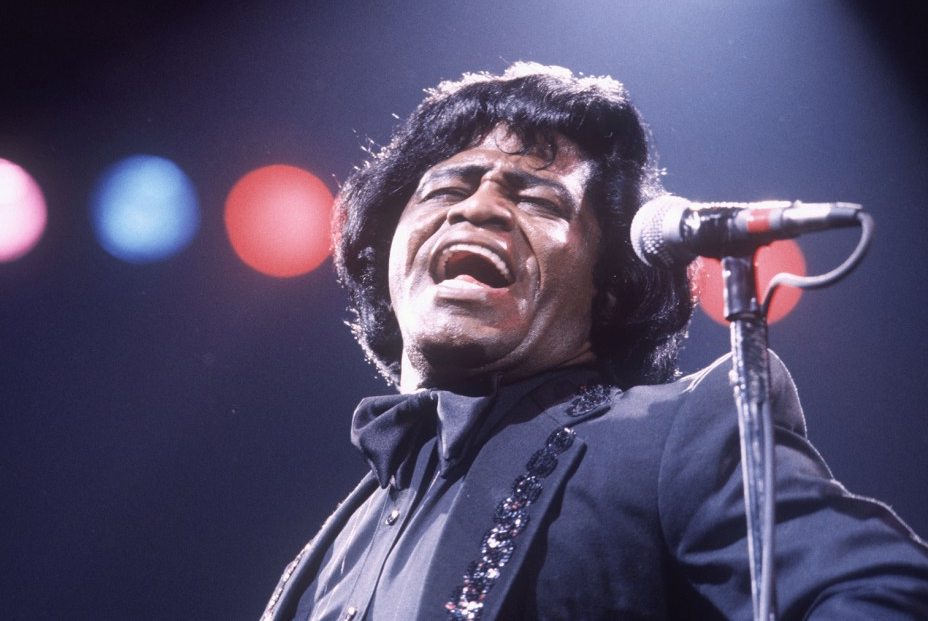
James Brown did not just influence popular music. He helped reinvent its rhythm, energy, and attitude from the ground up. With explosive stage performances, razor sharp bands, and a voice capable of raw screams, soulful pleading, and unstoppable funk grooves, Brown became one of the most important figures in music history. Known as the Godfather of Soul, he transformed rhythm and blues into something leaner, harder, and infinitely more rhythmic, laying the foundation for funk, hip hop, modern R&B, and countless other genres that followed. His songs pulsed with urgency, confidence, and movement, whether he was delivering fiery dance anthems, emotional soul ballads, or socially conscious messages filled with pride and determination. Every performance carried unmatched intensity and discipline, turning even simple grooves into electrifying experiences. This collection celebrates the timeless recordings that defined James Brown’s extraordinary legacy and changed the sound of modern music forever.
1. I Got You
“I Got You” is one of James Brown’s most instantly recognizable recordings, a burst of soul energy so direct and explosive that it feels like joy turned into rhythm. Better known by its famous parenthetical phrase “I Feel Good,” the song captures Brown at his most accessible without sacrificing the raw intensity that made him revolutionary. From the opening scream, he announces himself with total authority, then the horn section answers with a punchy riff that has become one of the most famous hooks in popular music. The brilliance of the track lies in its economy. Nothing is wasted. The groove is tight, the vocals are ecstatic, and the arrangement moves with the precision of a machine that somehow still sweats. Brown’s performance is pure physical expression, full of shouts, accents, and rhythmic phrasing that treats the voice like another drum in the band. The song became one of his most popular hits because it translates happiness into something bodily and immediate. It does not simply tell listeners that he feels good. It makes the room feel good. Decades later, “I Got You” remains a universal celebration, a record that can still ignite dance floors, commercials, films, and parties with only a few seconds of sound.
2. Papa’s Got A Brand New Bag
“Papa’s Got A Brand New Bag” is one of the most important recordings in the development of funk, a song where James Brown began bending rhythm and blues into something sharper, leaner, and more percussive. The track does not simply move through chord changes in the traditional sense. It locks into a rhythmic idea and makes every instrument serve the groove. The horns stab, the guitar scratches, the drums snap, and Brown commands the entire operation with vocal bursts that function like signals from a bandleader in total control. This is the sound of rhythm becoming the main event. Brown’s lyrics celebrate a new dance style and a renewed sense of confidence, but the real message is musical. Everything has changed. The beat has moved to the front, and popular music will never be the same. The song’s popularity came from its irresistible energy, but its influence reaches much further. Funk, soul, hip hop, and dance music all owe something to the rhythmic logic Brown sharpened here. “Papa’s Got A Brand New Bag” remains essential because it captures the moment when James Brown stopped merely being a great soul singer and became a true architect of modern groove.
3. It’s A Man’s Man’s Man’s World
“It’s A Man’s Man’s Man’s World” shows James Brown in one of his most dramatic and emotionally expansive modes, stepping away from pure dance floor command to deliver a soul ballad of sweeping intensity. The song is built around a grand, almost theatrical arrangement, with strings, horns, and slow burning rhythm creating a sense of monumental scale. Brown’s vocal performance is staggering because he sings with both pride and vulnerability. The lyric names the structures of a male dominated world, then undercuts that entire claim by admitting that none of it would mean anything without a woman. That contradiction gives the song its lasting power. It is forceful and humbled at the same time. Brown’s phrasing is full of cracks, cries, and sudden surges, revealing the gospel roots beneath his soul persona. He does not smooth out the emotion. He lets it tear at the edges of the performance. The song became one of his most popular recordings because it displays a different kind of strength than his funk anthems. Here, strength comes through confession, grandeur, and emotional exposure. “It’s A Man’s Man’s Man’s World” remains a landmark because it proves James Brown could command stillness and drama just as powerfully as he commanded rhythm and motion.
4. Get Up I Feel Like Being A Sex Machine
“Get Up I Feel Like Being A Sex Machine” is one of James Brown’s definitive funk statements, a record that strips popular music down to rhythm, command, repetition, and explosive band interaction. The song works less like a traditional composition and more like a living groove system. Brown calls, Bobby Byrd responds, the band snaps into place, and every instrument becomes part of a tightly disciplined rhythmic engine. The genius of the track is that it feels spontaneous while being incredibly controlled. Brown was famous for demanding precision from his musicians, and this recording shows why. The guitar chops, bass movement, drum accents, and horn punctuations all revolve around the power of the one, the downbeat emphasis that became central to his funk revolution. Vocally, Brown is not singing in a conventional melodic sense. He is directing, testifying, teasing, grunting, and pushing the groove forward with his body and voice. The song became popular because it feels unstoppable. It turns minimal musical material into maximum physical impact. “Get Up I Feel Like Being A Sex Machine” remains one of the most influential funk records ever made, not because it says a lot lyrically, but because it teaches the listener how rhythm itself can speak, move, and dominate.
5. Say It Loud I’m Black And I’m Proud
“Say It Loud I’m Black And I’m Proud” is one of James Brown’s most historically significant recordings, a song that turned funk into a declaration of identity, dignity, and political consciousness. Released during a turbulent era of civil rights struggle and Black empowerment, the track gave listeners a phrase that was direct, memorable, and powerful enough to become a cultural rallying cry. Brown’s performance is commanding, but the call and response structure is just as important as his lead vocal. The children’s voices answering him give the record a communal force, making pride sound like something being taught, shared, and carried forward. This is not only a song. It is a statement of self definition. Musically, the groove is sharp and lean, driven by the rhythmic discipline that defined Brown’s late sixties sound. Yet the emotional impact reaches beyond the beat. The song became popular because it spoke to people who needed affirmation in a society that had long denied their worth. Brown understood the power of repetition, and here repetition becomes both rhythm and resistance. “Say It Loud I’m Black And I’m Proud” remains essential because it captures a moment when popular music did not merely reflect cultural change. It helped energize it.
6. Cold Sweat
“Cold Sweat” is one of the records where James Brown’s funk language came into sharper focus, pushing rhythm and blues into a leaner, more radical direction. The song is built around tension, not sweetness. The groove is tight, clipped, and almost severe, with each instrument occupying its role like part of a rhythmic machine. Brown’s vocal performance is full of heat and pressure, moving between sung lines, spoken commands, grunts, and screams that make the track feel physically charged. What makes “Cold Sweat” so groundbreaking is its emphasis on the groove above almost everything else. Harmony becomes secondary. Melody becomes part of the rhythm. The drums, bass, horns, and guitar all lock into a pattern that seems designed to make the body respond before the mind has time to analyze it. The famous drum break also helped make the song a future treasure for hip hop producers and funk historians. Brown’s genius was not only in performing the music, but in reorganizing the priorities of the band. “Cold Sweat” became popular because it sounded raw, new, and irresistibly kinetic. It remains one of his most important recordings because it points directly toward the future of funk, dance music, and sample based production.
7. The Payback
“The Payback” is James Brown at his most cinematic, dangerous, and deeply funky, a revenge groove that unfolds with the patience of a street drama. The song moves slower than some of his most frantic dance records, but its weight is enormous. The bass line is thick, the rhythm guitar is sharp, and the horns rise like warning signs. Brown’s vocal is full of controlled fury, sounding less like a singer performing a lyric and more like a man narrating a personal code of justice. The brilliance of “The Payback” is its atmosphere. It feels tense, smoky, and deliberate, as though every instrumental figure is part of a confrontation waiting to happen. Brown stretches phrases, talks through sections, and uses his voice as both storyteller and percussion. The groove has been widely admired because it is so spacious and heavy, allowing listeners to feel every pocket and accent. “The Payback” became one of his most popular and sampled recordings because it has a character larger than the song itself. It represents anger refined into rhythm, betrayal turned into swagger, and funk transformed into narrative power. Few records in Brown’s catalog feel as cool, menacing, and endlessly replayable as this one.
8. Get Up Offa That Thing
“Get Up Offa That Thing” is one of James Brown’s most infectious late period funk hits, a song built around movement as medicine. The message is simple and unforgettable: get up, release the pressure, and let the body shake off whatever is weighing it down. Brown had always understood the connection between rhythm and physical liberation, but this track makes that relationship especially clear. The groove is bright, brassy, and relentless, with horns blasting joyfully while the rhythm section keeps everything locked in motion. The song’s genius lies in its ability to turn instruction into celebration. Brown is not merely singing to the audience. He is directing them, coaching them, commanding them to participate. His voice is raspy, energetic, and full of that unmistakable showman’s authority. Even when the lyrics repeat, the performance never feels static because the band keeps generating excitement through accents, breaks, and bursts of sound. “Get Up Offa That Thing” became popular because it delivers instant release. It belongs to dance floors, live stages, workout playlists, and any space where people need to shake themselves back to life. The song remains one of Brown’s most joyful funk statements, proof that sometimes the deepest solution begins with moving your feet.
9. Please, Please, Please
“Please, Please, Please” is the song that introduced James Brown to the world as a soul singer of overwhelming emotional intensity. Recorded with The Famous Flames, the track is built on a simple plea, but Brown turns that plea into a full dramatic event. The lyric is minimal, almost prayer like, but the repetition becomes more powerful each time because of the way he bends, cries, and pushes his voice through the pain. This is James Brown before the full funk revolution, but the performance already contains the physical urgency that would define his career. He sounds desperate, wounded, and completely committed, pulling from gospel tradition and rhythm and blues feeling to create something raw and unforgettable. The song became especially legendary in his live performances, where the famous cape routine turned romantic collapse into soul theater. Yet even in its recorded form, “Please, Please, Please” carries remarkable force. It shows Brown’s ability to make emotion feel like action. He does not simply express heartbreak. He performs it as surrender, struggle, and survival. The song remains popular because it captures the earliest version of his genius: the voice as a body in motion, the stage as a battlefield, and love as something worth begging for.
10. Living In America
“Living In America” gave James Brown a major 1980s comeback and introduced his voice to a new generation through a bold, polished, and patriotic funk rock spectacle. Featured in Rocky IV, the song matched Brown’s larger than life persona with a cinematic sense of triumph. The production is brighter and more contemporary than his classic sixties and seventies recordings, filled with big drums, glossy horns, and an arena sized chorus. Yet Brown remains unmistakably himself. His vocal is full of raspy command, rhythmic authority, and explosive personality. Even inside a modern production style, he sounds like the Godfather of Soul. The song celebrates motion, travel, cities, performance, and the mythic energy of America as a place of ambition and spectacle. It became popular because it worked both as a soundtrack moment and as a comeback anthem for Brown himself. After decades of reshaping soul and funk, he was once again standing in front of a massive audience, proving that his charisma still had commercial power. “Living In America” remains an essential later hit because it captures James Brown as survivor and showman. It is bright, brassy, theatrical, and full of the unstoppable confidence that defined his entire career.

Samuel Moore is a frequent contributor to Singers Room. Since 2005, Singersroom has been the voice of R&B around the world. Connect with us via social media below.