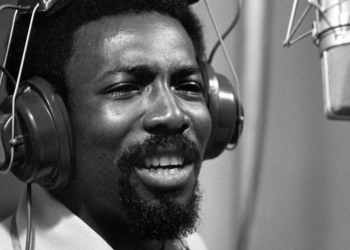
David Ruffin possessed one of the most powerful and emotionally unforgettable voices in soul music history. With a gritty yet deeply expressive vocal style, he could deliver heartbreak, passion, swagger, and vulnerability with astonishing intensity. Rising to fame as the magnetic lead singer of The Temptations during their golden era at Motown, Ruffin helped shape some of the most iconic soul recordings ever made before launching a remarkable solo career filled with raw emotion and dramatic performances. His voice carried a unique blend of gospel fire and streetwise soul that made every song feel personal and urgent. Whether singing about love, loneliness, pride, or pain, David Ruffin had the rare ability to make listeners believe every word. This collection celebrates the timeless songs that defined his extraordinary career and cemented his legacy as one of the greatest soul singers ever to step behind a microphone.
1. My Girl
“My Girl” remains the song most closely associated with David Ruffin’s golden era with The Temptations, and it is easy to understand why. Ruffin’s lead vocal gives the record its glow, turning a beautifully written Smokey Robinson and Ronald White composition into one of the most beloved soul songs ever recorded. The opening bass figure is instantly recognizable, but the true magic begins when Ruffin enters with that warm, grainy, emotionally alive voice. He does not oversing the lyric. Instead, he lets the happiness breathe, delivering each phrase with a graceful mixture of confidence and tenderness. The performance feels like sunlight in vocal form, full of romantic certainty without becoming syrupy or forced. The background harmonies from The Temptations add elegance and polish, surrounding Ruffin’s lead with the classic Motown balance of sophistication and street corner soul. What makes “My Girl” so enduring is its emotional directness. It is not complicated. It is not dramatic in the tragic sense. It is simply joy, affection, and admiration expressed through one of the most perfect melodies in pop and soul history. David Ruffin’s voice made that joy feel personal, and his performance helped turn the song into a timeless cultural treasure.
2. Ain’t Too Proud To Beg
“Ain’t Too Proud To Beg” captures David Ruffin at his rawest, most urgent, and most physically electrifying. As the lead voice of The Temptations on this Motown classic, Ruffin turns romantic desperation into a performance full of grit, pride, and emotional surrender. The rhythm hits hard, the horns punch with fierce momentum, and the background vocals snap around him like a well drilled soul machine. Yet Ruffin is the storm at the center. His vocal sounds almost torn from the chest, carrying the ache of a man willing to lower his guard if it means keeping love alive. That tension between masculine pride and emotional need is what makes the song unforgettable. He is begging, but he never sounds weak. He sounds human. Norman Whitfield’s production gives the record its driving force, pushing Motown into a tougher, more muscular direction than the smoother romantic textures of earlier Temptations hits. Ruffin responds with a lead vocal that feels explosive from the first line to the last. “Ain’t Too Proud To Beg” remains one of his most popular performances because it captures soul music as drama, rhythm, and confession all at once. It is pleading you can dance to, heartbreak with a backbeat, and one of Ruffin’s defining vocal triumphs.
3. My Whole World Ended
“My Whole World Ended” announced David Ruffin’s solo career with a dramatic force that made it clear his voice could stand outside The Temptations and still command attention. The song is a monumental heartbreak performance, built around the emotional devastation of a love suddenly gone. Ruffin sings as if the loss has shattered not only a relationship, but the entire structure of life around him. That is what makes the title so effective. It does not describe a small sadness. It describes total collapse. Ruffin’s genius was his ability to make grand emotional language feel believable. His voice cracks, surges, pleads, and burns with gospel rooted intensity, giving the arrangement a desperate human center. The production retains Motown’s polish, but there is a deeper sense of storm in the performance. Strings and backing vocals rise around him, yet Ruffin remains unmistakably in front, carrying the pain with theatrical precision and raw sincerity. “My Whole World Ended” became one of his signature solo recordings because it bridged his Temptations fame with his individual identity. It proved that his gift was not dependent on group choreography or harmony arrangements. David Ruffin could stand alone with a microphone and make heartbreak sound enormous, immediate, and unforgettable.
4. Walk Away From Love
“Walk Away From Love” is David Ruffin’s great mid seventies solo comeback, a sophisticated soul record that gave his voice a fresh setting without losing the emotional intensity that made him legendary. Produced by Van McCoy, the song moves with a polished groove that reflects the changing sound of rhythm and blues during the decade. It has a smooth, danceable pulse, but beneath that elegance is a powerful story of self protection. Ruffin sings as a man who knows love may destroy him if he stays too long, and the conflict in his voice gives the song its dramatic bite. He is not walking away because he feels nothing. He is walking away because he feels too much. That emotional contradiction is the heart of the performance. The arrangement is sleek, with strings, rhythm guitar, and a refined beat that make the record glide, yet Ruffin roughens the surface with his unmistakable vocal grain. He sounds wounded, proud, and determined all at once. “Walk Away From Love” became one of his most popular solo hits because it placed his classic soul authority inside a modern production style. It remains a favorite because it captures grown heartbreak with style, maturity, and unmistakable Ruffin fire.
5. I Wish It Would Rain
“I Wish It Would Rain” is one of David Ruffin’s most devastating performances with The Temptations, a song that turns private sorrow into majestic Motown tragedy. The lyric imagines a man so heartbroken that he wants the weather itself to hide his tears. In Ruffin’s hands, that idea becomes almost unbearably moving. His voice carries shame, grief, longing, and pride in a single breath, making the listener feel the emotional conflict behind every line. He wants release, but he also wants concealment. That is the painful brilliance of the song. The production is rich and dramatic, with rolling percussion, mournful strings, and harmonies that seem to gather like clouds around Ruffin’s lead. The Temptations provide the perfect vocal frame, but the emotional thunder belongs to Ruffin. He sings with gospel intensity, yet never loses the elegance that made Motown records so refined. “I Wish It Would Rain” remains one of his most popular and respected performances because it captures heartbreak as something both personal and cinematic. The song is not just sad. It is dignified sadness, the kind that tries to stand tall while breaking inside. Few soul singers could make that contradiction sound as convincing as David Ruffin.
6. Since I Lost My Baby
“Since I Lost My Baby” is one of David Ruffin’s most beautifully restrained lead performances with The Temptations, a song that places sorrow inside a bright Motown arrangement and lets the contrast do the emotional work. The lyric describes a world where everything appears normal, even pleasant, yet nothing feels right because love is gone. The sun is shining, the day is new, and life continues, but the singer remains trapped in absence. Ruffin’s vocal captures that strange emotional contradiction perfectly. He does not wail through the song. He allows the pain to sit beneath the surface, which makes the performance even more haunting. That restraint reveals another side of his genius. Ruffin is often celebrated for raw power, but here he shows subtlety, phrasing, and emotional patience. The Temptations’ harmonies are elegant and beautifully placed, giving the song its classic Motown shimmer. Smokey Robinson’s songwriting adds poetic simplicity, turning heartbreak into a series of everyday observations that become more painful with each line. “Since I Lost My Baby” remains popular because it feels instantly relatable. It understands that grief does not always arrive with thunder. Sometimes it appears in the middle of a sunny day, when everything looks fine except the heart.
7. I Miss You
“I Miss You” is one of David Ruffin’s most emotionally expansive solo recordings, a slow burning soul ballad that gives him room to stretch, testify, and ache with extraordinary intensity. The song is built around longing, but Ruffin makes that longing feel almost physical. His voice moves from tender reflection to full throated desperation, showing why he remains one of the most admired vocalists in soul music history. This is a performance about absence, but it is also about memory. Every phrase suggests someone replaying the past, searching for the moment when love slipped away, and trying to survive the silence left behind. The arrangement gives him plenty of space, using strings, backing voices, and a patient groove to support the emotional journey rather than crowd it. Ruffin’s phrasing is especially remarkable. He can bend a word until it sounds like a confession, then lift a line into gospel intensity without losing control. “I Miss You” became a favorite among serious soul listeners because it showcases his dramatic gifts outside the more compact Motown single format. It is not merely a song about missing someone. It is a study in how grief fills a room, changes the air, and turns a voice into testimony.
8. I’ve Lost Everything I’ve Ever Loved
“I’ve Lost Everything I’ve Ever Loved” is a stunning example of David Ruffin’s ability to turn emotional ruin into high soul drama. The title alone sets the stage for complete devastation, and Ruffin delivers the song with the kind of conviction that makes every word feel earned. His voice carries a rough edged elegance, moving through the lyric with a mixture of disbelief, pain, and spiritual exhaustion. He does not treat the song as ordinary heartbreak. He treats it like a reckoning. That sense of total emotional consequence is what gives the recording its power. The arrangement supports him with classic Motown sophistication, using rhythm, strings, and background vocals to build a sweeping atmosphere around his lead. Yet Ruffin never disappears into the production. He cuts through it, not by overwhelming the track, but by making the listener believe in the depth of the loss. This song remains popular among fans who appreciate the darker, more dramatic side of his solo work. It reveals the same gift that made him unforgettable with The Temptations, but in an even more personal setting. David Ruffin had a voice that could make sorrow sound noble, wounded, and strangely beautiful. “I’ve Lost Everything I’ve Ever Loved” proves that gift in unforgettable fashion.
9. Statue Of A Fool
“Statue Of A Fool” gives David Ruffin one of his finest showcases as a soul interpreter, allowing him to inhabit a lyric of regret, humiliation, and emotional exposure with remarkable depth. The image at the center of the song is powerful: a monument not to glory, but to foolishness in love. Ruffin turns that idea into something painfully human. He sings as a man who recognizes his own mistakes too late and now stands as a public symbol of romantic failure. The performance is dramatic, but never empty. Ruffin’s vocal texture gives the song its truth, moving from quiet hurt to soaring anguish with the instinct of a singer deeply connected to gospel tradition. The arrangement provides the kind of grand, mournful setting his voice deserved, with strings and backing vocals adding weight to the confession. What makes “Statue Of A Fool” memorable is how completely Ruffin commits to the emotional scene. He does not hide behind coolness or pride. He allows the narrator to appear broken, embarrassed, and still full of feeling. That vulnerability is central to his greatness. The song remains popular among David Ruffin fans because it captures his ability to elevate a ballad into a soul performance of towering emotional power.
10. Common Man
“Common Man” is one of David Ruffin’s most compelling solo recordings because it places his extraordinary voice inside a theme of dignity, struggle, and everyday identity. The song speaks from the perspective of someone who may not have wealth or social status, but still carries pride, feeling, and humanity. Ruffin delivers the lyric with deep conviction, making the idea of the common man feel noble rather than ordinary. His voice has always contained a remarkable mix of roughness and beauty, and here that combination serves the song perfectly. He sounds like someone speaking for more than himself, giving emotional weight to people whose lives are often overlooked. The arrangement is soulful and grounded, allowing the message to remain clear while still giving Ruffin space to soar. There is a sincerity in his phrasing that keeps the song from becoming a slogan. It feels personal, lived in, and deeply connected to the traditions of gospel and rhythm and blues storytelling. “Common Man” remains popular because it reveals another dimension of Ruffin’s artistry. He was not only a singer of romantic heartbreak. He could also bring power to songs about identity, resilience, and human worth. In his hands, the ordinary becomes unforgettable.

Samuel Moore is a frequent contributor to Singers Room. Since 2005, Singersroom has been the voice of R&B around the world. Connect with us via social media below.