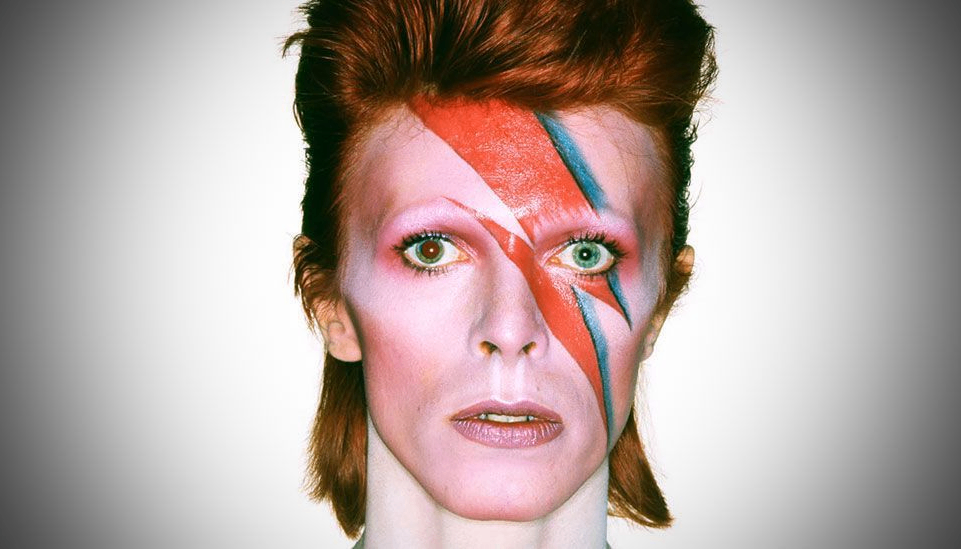
Few artists in music history reinvented themselves as brilliantly and fearlessly as David Bowie. Across decades of constant transformation, Bowie created songs that blended rock, glam, soul, electronic music, art pop, and experimental sound into a catalog unlike any other. His music could feel theatrical and futuristic one moment, then deeply intimate and emotionally vulnerable the next. With a voice capable of both haunting restraint and explosive drama, Bowie turned every era of his career into a new creative adventure filled with unforgettable characters, bold visual style, and daring musical ideas. From glittering glam rock anthems and haunting ballads to adventurous art rock masterpieces, his songs challenged expectations while remaining instantly memorable. Bowie’s greatest recordings continue to inspire generations because they combine imagination, emotional depth, and fearless originality with melodies and performances that still sound timeless decades later.
1. Space Oddity
Space Oddity is the song that first placed David Bowie in the public imagination as a master of character, atmosphere, and emotional strangeness. Released into a world fascinated by space travel, the track tells the story of Major Tom, an astronaut whose journey becomes both technological adventure and existential isolation. Bowie’s vocal performance is haunting because he does not sing the song like a simple science fiction novelty. He gives Major Tom a fragile humanity, allowing the listener to feel wonder, fear, distance, and surrender all at once. The countdown, acoustic guitar, orchestral textures, and drifting production make the song feel as though it is floating between earth and infinity.
The lasting power of Space Oddity lies in its emotional ambiguity. Is Major Tom escaping, disappearing, dying, or finding peace somewhere beyond ordinary life? Bowie never answers completely, and that mystery helped the song become one of his most enduring creations. The arrangement expands gradually, moving from intimate folk flavored storytelling into a cinematic soundscape filled with loneliness and awe. It introduced the world to Bowie’s gift for turning pop music into theatre without losing sincerity. The song is imaginative, but its core feeling is deeply human: the terror and beauty of drifting away from everything familiar. Space Oddity remains one of Bowie’s most popular songs because it captures the first full arrival of his artistic universe, where identity, alienation, and fantasy become unforgettable music.
2. Heroes
Heroes is one of David Bowie’s most powerful songs, a soaring anthem of fragile hope set against a backdrop of division, danger, and emotional urgency. Recorded during his Berlin period, the track carries the atmosphere of a city split by history and shadow, yet it transforms that tension into something strangely uplifting. Bowie’s vocal is extraordinary because it grows in intensity as the song unfolds. He begins with restraint, almost conversationally, then gradually pushes his voice into a raw, open cry that feels like resistance itself. The performance turns a brief romantic moment into an act of defiance.
The brilliance of Heroes comes from the way its sound builds around repetition and release. The guitars shimmer and surge, with Robert Fripp’s atmospheric playing adding a sense of heroic scale without traditional rock flash. Brian Eno’s influence can be felt in the texture and mood, while the rhythm section keeps the song moving with steady determination. The lyric imagines two lovers standing together despite forces that seem impossible to overcome. That image has become universal, representing courage in temporary, imperfect form. Bowie does not promise permanent victory. He offers the possibility of being heroic for one day, and that limitation makes the song even more moving. Heroes remains a classic because it understands that hope does not have to be naive. Sometimes hope is temporary, desperate, and still magnificent.
3. Life on Mars
Life on Mars is one of David Bowie’s most dazzling and mysterious songs, a piano driven masterpiece that combines theatrical grandeur, surreal imagery, and emotional unrest. The song moves like a dream assembled from cinema, advertising, social frustration, and youthful disillusionment. Bowie’s vocal performance is magnificent, rising from delicate observation to full dramatic flight. He sings with both elegance and urgency, making the strange images feel connected by a deep emotional logic even when the literal meaning remains elusive. The result is a song that feels like pop music refracted through art film and private longing.
Life on Mars stands apart because it turns confusion into beauty. Rick Wakeman’s piano gives the track its sweeping foundation, while the orchestration adds a sense of classic Hollywood scale. Yet beneath the grandeur is a sense of alienation. Bowie seems to be watching the modern world as a spectacle that is dazzling, absurd, and emotionally unsatisfying. The famous question in the title is less about outer space than the desire for something beyond the dullness and cruelty of ordinary reality. The melody is one of Bowie’s finest, moving through unexpected turns with breathtaking confidence. Life on Mars remains one of his most beloved songs because it refuses to reduce itself to a single interpretation. It is glamorous, strange, heartbreaking, witty, and overwhelming, a perfect example of Bowie’s ability to make the surreal feel deeply personal.
4. Changes
Changes is one of David Bowie’s defining songs because it turns reinvention into both personal philosophy and pop hook. Long before constant transformation became the central myth of his career, Bowie captured the anxiety and excitement of becoming someone new in this sharply written track. The piano driven arrangement has a bright, almost cabaret styled energy, while the vocal is playful, clever, and slightly defiant. Bowie sounds like an artist announcing that he cannot and will not remain fixed in one identity. The song became a manifesto for artistic evolution, but it also speaks to anyone who has felt the pressure of growing beyond expectations.
The genius of Changes lies in its balance of accessibility and self awareness. The famous chorus is instantly memorable, but the verses are full of sly observations about youth, generational tension, and the difficulty of understanding oneself while still in motion. Bowie’s phrasing is nimble and expressive, moving between wit and vulnerability with ease. The saxophone touches add warmth and character, reinforcing the sense of theatrical personality that would become central to his early 1970s work. Changes remains popular because it captures a universal truth in unmistakably Bowie fashion: identity is not a finished object, but a process. The song is clever, catchy, and quietly profound, a reminder that transformation can be frightening, liberating, and absolutely necessary.
5. Let’s Dance
Let’s Dance is David Bowie at his most commercially powerful, a sleek and irresistible pop rock classic that brought him massive global success in the 1980s. Produced with Nile Rodgers, the song blends dance floor sophistication, rock guitar bite, and Bowie’s cool vocal presence into a track that feels both stylish and commanding. The groove is immediate, polished, and built for movement, but there is more tension in the song than its title might suggest. Bowie sings with elegance and distance, turning the invitation to dance into something romantic, sensual, and slightly mysterious.
Let’s Dance became a worldwide hit because it understood how to make sophistication sound effortless. Rodgers’ production gives the track a clean rhythmic snap, while Stevie Ray Vaughan’s guitar work adds blues fire that cuts through the glossy surface. The combination of funk influenced rhythm and rock edge gives the song its distinctive character. Bowie does not need to overperform. His vocal restraint lets the arrangement shine while preserving his unmistakable charisma. The song’s imagery, including red shoes and moonlight, adds a dreamlike quality to what might otherwise have been a straightforward dance single. Let’s Dance remains one of Bowie’s most popular songs because it captures a rare moment when art pop intelligence, mainstream appeal, and physical groove met perfectly. It is elegant, catchy, and full of controlled heat.
6. Starman
Starman is one of David Bowie’s most magical glam rock songs, a radiant message from the stars that helped bring the Ziggy Stardust mythology into homes, headphones, and imaginations around the world. The track presents extraterrestrial contact not as terror, but as liberation. Bowie sings like a messenger carrying hope to outsiders, dreamers, and young people waiting for permission to become themselves. His vocal has a bright, inviting quality, combining theatrical character with genuine warmth. The famous chorus lifts beautifully, giving the song a sense of wonder that still feels fresh.
The appeal of Starman lies in its blend of fantasy and emotional truth. The acoustic verses feel intimate, almost like a secret being passed between friends, before the chorus opens into cosmic possibility. Mick Ronson’s arrangement adds color and lift, helping the song balance folk pop sweetness with glam rock sparkle. The lyric suggests that salvation might arrive through music, imagination, or a figure from beyond ordinary society. For many listeners, that figure was Bowie himself. Starman became a cultural turning point because it offered a new kind of pop identity: strange, beautiful, theatrical, and welcoming to those who felt different. The song remains beloved because it captures discovery in its purest form. It is the sound of hearing something from another world and realizing that world might have room for you.
7. Ziggy Stardust
Ziggy Stardust is one of David Bowie’s most iconic character songs, a compact glam rock classic that tells the story of a doomed extraterrestrial rock star with style, wit, and unforgettable guitar power. The song is central to Bowie’s Ziggy mythology, but it also works brilliantly on its own as a portrait of fame, ego, beauty, and collapse. Bowie sings with narrative precision, sounding both fascinated by and detached from the character he created. That distance gives the song its sharpness. Ziggy is glamorous and magnetic, but he is also fragile, excessive, and destined to burn out.
The musical force of Ziggy Stardust comes from Mick Ronson’s guitar riff, one of the great glam rock signatures. It is lean, dramatic, and instantly recognizable, setting the stage for Bowie’s storytelling. The band plays with tight confidence, giving the song enough punch to rock hard while still leaving room for theatrical detail. The lyrics are vivid and economical, sketching Ziggy’s image through hair, guitar, stage power, and mythic downfall. Bowie understood that rock stars were not only musicians, but constructed figures shaped by audience desire. Ziggy Stardust remains one of his most popular songs because it captures that idea with dazzling clarity. It is a song about a fictional star that became part of the real star’s legend, blurring art, identity, and performance in true Bowie fashion.
8. Rebel Rebel
Rebel Rebel is David Bowie’s great glam rock farewell kiss, a swaggering anthem built around one of his most addictive guitar riffs. The song captures youth, style, gender ambiguity, and defiant self presentation with a grin that feels both playful and revolutionary. Bowie sings with loose confidence, celebrating a figure who refuses to fit neatly into social categories. The famous image of torn dress, messy identity, and rebellious glamour became one of the clearest expressions of Bowie’s ability to make difference sound thrilling rather than marginal.
Rebel Rebel is driven by its riff, a gritty, circular guitar figure that gives the song endless momentum. Compared with some of Bowie’s more elaborate art rock pieces, this track is direct, cheeky, and gloriously physical. Yet beneath its simplicity is a sharp cultural charge. Bowie was not merely writing a rock and roll song about teenage rebellion. He was celebrating the power of self invention, the joy of confusing expectations, and the beauty of refusing to be easily read. The chorus is simple enough to shout, but the attitude behind it is complex and liberating. Rebel Rebel remains popular because it captures Bowie’s glam era in one electric burst: stylish, provocative, catchy, and full of restless personality. It is a song that still sounds like permission to be loud, strange, and entirely oneself.
9. Modern Love
Modern Love is one of David Bowie’s brightest 1980s hits, a fast moving pop rock song that mixes joy, anxiety, faith, romance, and rhythm into one irresistible rush. The track opens with a burst of energy, immediately placing Bowie in a world of crisp production, lively horns, and driving momentum. Yet for all its upbeat sound, the song carries a sense of uncertainty. Bowie sings about modern love as something exciting but unstable, connected to work, religion, fear, and emotional confusion. That tension gives the track more depth than a simple danceable hit.
The brilliance of Modern Love is how it makes nervousness feel exhilarating. The rhythm is propulsive, the backing vocals are sharp, and Bowie’s lead performance has a cool, almost preacher like urgency. He sounds energized but not entirely comforted, as if the song is sprinting forward to avoid standing still. The influence of soul and early rock and roll can be heard beneath the polished 1980s surface, giving the track a timeless rhythmic backbone. Modern Love remains one of Bowie’s most popular songs because it captures his ability to make mainstream pop feel intelligent and emotionally layered. It is catchy, bright, and full of movement, but its questions linger beneath the beat. Bowie turns the complexities of contemporary life into a song that feels like a celebration and a panic attack dancing together.
10. Under Pressure
Under Pressure, David Bowie’s legendary collaboration with Queen, is one of the most powerful rock songs of the early 1980s. Built around John Deacon’s unforgettable bass line, the track captures emotional strain, social tension, and human vulnerability with remarkable urgency. Bowie and Freddie Mercury bring two of rock’s most distinctive voices into dramatic conversation, and the result feels electric. Mercury supplies flamboyant power and melodic lift, while Bowie brings cool intensity and philosophical weight. Their voices push against each other, then join in moments of shared emotional force.
The lasting impact of Under Pressure comes from its ability to turn anxiety into communal release. The song begins with tension and clipped fragments, gradually building toward a plea for compassion that remains deeply moving. Bowie’s presence is essential because he gives the track its reflective center, especially as the lyric turns toward love as the answer to pressure, fear, and division. The arrangement is spacious but powerful, letting the bass line, piano accents, drums, and vocals create a sense of mounting crisis. The famous final passages feel like a breakthrough, not because they solve everything, but because they insist that empathy still matters. Under Pressure remains one of Bowie’s most popular songs because it combines star power with genuine emotional urgency. It is dramatic, human, unforgettable, and still painfully relevant.

Edward Tomlin is a frequent contributor to Singers Room. Since 2005, Singersroom has been the voice of R&B around the world. Connect with us via social media below.