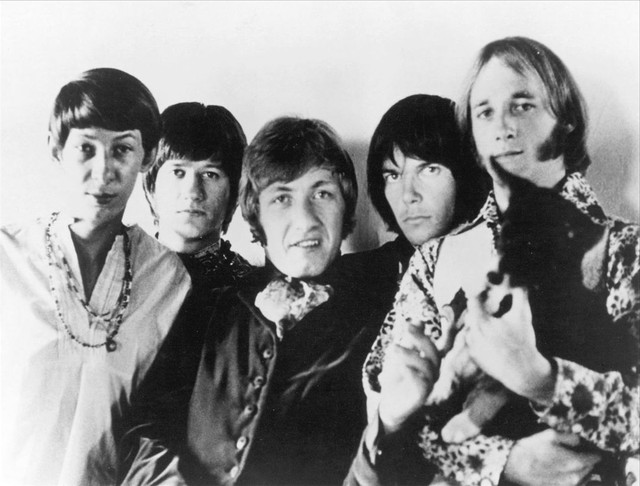
Few bands captured the restless spirit of the late 1960s quite like Buffalo Springfield, a group whose brief existence produced some of the most influential folk rock and psychedelic songs of the era. Blending rich harmonies, sharp songwriting, country influences, and electric experimentation, the band became a launching ground for legendary musicians like Neil Young, Stephen Stills, and Richie Furay. Their music reflected a changing world filled with political tension, youthful rebellion, and artistic freedom, yet it also carried moments of vulnerability and introspection that still resonate decades later. Whether delivering explosive guitar driven rockers or beautifully layered acoustic ballads, Buffalo Springfield created songs that felt adventurous and emotionally honest. Their catalog may not be enormous, but its impact on rock history remains massive. The group’s finest recordings continue to inspire generations of musicians and listeners who are drawn to music that is thoughtful, daring, and timelessly cool.
1. For What It’s Worth
“For What It’s Worth” is the song that made Buffalo Springfield immortal, a recording so spare and haunting that it became one of the defining sounds of the 1960s. Written by Stephen Stills, the song does not roar like a protest anthem in the usual sense. Instead, it watches, listens, and warns. That famous guitar harmonic rings out like a signal in the night, while the rhythm moves with a quiet tension that makes every line feel loaded with meaning. Its power comes from restraint, from the way the band lets space, mood, and observation carry the message.
The lyric captures a moment of unease without tying itself too tightly to one event, which is one reason the song has lasted so long. It feels specific and universal at the same time. Stills sings with calm urgency, sounding less like a preacher than a witness trying to make sense of conflict unfolding in front of him. Behind him, the band keeps the arrangement lean, giving the song a ghostly clarity.
“For What It’s Worth” remains Buffalo Springfield’s most popular song because it became larger than the group itself. It has been heard in films, documentaries, political reflections, and countless conversations about social change. Yet beyond its cultural symbolism, it is simply a brilliantly constructed record. The melody is unforgettable, the atmosphere is chilling, and the performance captures the fragile moment when folk rock became a mirror for a restless generation.
2. Mr. Soul
“Mr. Soul” is Neil Young’s sharp, swaggering portrait of fame, identity, and personal unease, delivered through Buffalo Springfield at their most electric and jagged. The song has a riff that immediately grabs attention, thick with blues rock attitude and a slightly sinister edge. Young’s vocal sounds sly, weary, and suspicious of the very attention the music is attracting. It is not a celebration of stardom. It is a sideways glance at the strange bargain between performer and audience.
The track’s brilliance lies in its compact intensity. Buffalo Springfield does not waste a second. The guitars bite, the rhythm punches forward, and the lyric moves through images of recognition, expectation, and confusion. Young’s writing already shows the restless intelligence that would define his later work. He seems fascinated by fame, but also uncomfortable inside it, turning that discomfort into one of the band’s most enduring rock songs.
“Mr. Soul” remains popular because it feels tougher and more mysterious than much of the folk rock being made around the same time. It is concise, but it opens up a whole psychological landscape. The sound hints at garage rock, blues, psychedelia, and the rawer edge of what would become Young’s signature style. Within Buffalo Springfield’s catalog, “Mr. Soul” is essential because it captures the band’s ability to balance melody with menace, intelligence with instinct, and 1960s cool with genuine emotional friction.
3. Bluebird
“Bluebird” is one of Buffalo Springfield’s most dazzling achievements, a Stephen Stills composition that moves with the confidence of a band eager to stretch folk rock into something richer, heavier, and more adventurous. The song opens with intricate guitar textures that seem to shimmer and spark, blending acoustic brightness with electric muscle. From there, it becomes a journey through changing moods, from driving rock momentum to a gentler, roots flavored conclusion. Few Buffalo Springfield songs better display their gift for musical contrast.
The greatness of “Bluebird” comes from its layered arrangement. Stills sings with a cool, searching quality, while the guitars create a dense web of motion around him. The rhythm has push, but the song never feels blunt. It is elegant, almost architectural, with each instrumental turn adding color and tension. The track also reveals how naturally the band could fuse California folk rock with blues, country, and psychedelic atmosphere without sounding forced.
“Bluebird” became one of the group’s most loved songs because it captures their ambition at full height. It is melodic enough to remain accessible, but sophisticated enough to reward close listening. The extended versions and live associations only deepened its reputation among devoted fans. Even in its album form, the song feels expansive, as if Buffalo Springfield were mapping out roads that later country rock, folk rock, and guitar centered Americana would continue to explore for decades.
4. Expecting to Fly
“Expecting to Fly” is one of the most haunting and beautiful songs connected to Buffalo Springfield, a Neil Young composition that feels almost suspended outside ordinary rock language. Rather than leaning on the group’s usual folk rock drive, the recording moves through orchestral textures, dreamlike atmosphere, and a deep sense of emotional distance. It sounds like memory dissolving in slow motion. The song does not simply describe sadness. It creates a world where sadness hangs in the air.
Young’s vocal is fragile and mysterious, floating through the arrangement with a sense of resignation that feels far older than his years. The melody has a drifting quality, as if the singer is watching something disappear and knows he cannot stop it. The orchestration adds grandeur without becoming sentimental, wrapping the song in strings and space while preserving its loneliness. It is one of those rare 1960s recordings where pop, psychedelia, and chamber music seem to meet in a single emotional fog.
“Expecting to Fly” remains popular because it shows how fearless Buffalo Springfield could be, even within their short career. The song points toward the more introspective, cinematic side of Neil Young’s future work, while also expanding the group’s musical identity beyond jangling guitars and vocal harmonies. It is not the loudest or most immediate song in their catalog, but it may be one of the most emotionally unforgettable. Its beauty is quiet, strange, and lasting.
5. Rock and Roll Woman
“Rock and Roll Woman” is one of Buffalo Springfield’s most polished and radiant songs, a Stephen Stills gem that glows with harmony, rhythm, and California mystique. The track has an effortless grace, moving between folk rock warmth and electric sophistication with the kind of confidence that made the band so influential. The vocal blend is especially striking, creating a smooth but spirited atmosphere that hints at the sound Stills would later help develop in Crosby, Stills and Nash. It is a song filled with light, motion, and subtle power.
The arrangement is tight yet airy, giving the guitars room to sparkle while the rhythm keeps everything moving forward. Stills brings a melodic assurance that feels both romantic and admiring, singing about a woman whose presence seems tied to music itself. There is a sense of celebration in the track, but it is not loud or obvious. It is more like a warm current running beneath the song, lifting each harmony and guitar phrase.
“Rock and Roll Woman” remains popular because it captures Buffalo Springfield at their most naturally stylish. It has the craft of a great pop record, the texture of folk rock, and the easy cool of the late 1960s Los Angeles scene. The song also reflects the band’s ability to make sophistication sound casual. Nothing feels overworked, yet every detail matters. It is one of their finest examples of melodic rock elegance.
6. Nowadays Clancy Can’t Even Sing
“Nowadays Clancy Can’t Even Sing” was Buffalo Springfield’s debut single, and it remains one of the most intriguing early signs of Neil Young’s songwriting genius. The song is unusual, poetic, and slightly elusive, built around images that feel more like fragments of thought than straightforward storytelling. Richie Furay’s lead vocal brings warmth and clarity to Young’s mysterious lyric, giving the song an accessible emotional center without stripping away its strangeness. It sounds like folk rock discovering how abstract it could become.
The melody is one of the song’s great strengths. It moves in unexpected ways, shifting through phrases that seem to question themselves as they unfold. The band’s arrangement supports that complexity with jangling guitars, gentle harmonies, and a rhythm that keeps the song grounded. Even in this early recording, Buffalo Springfield already sound different from many of their peers. They are tuneful, but not simple. They are poetic, but not distant.
“Nowadays Clancy Can’t Even Sing” remains popular among fans because it represents the beginning of something enormous. The song did not become a massive national hit, but it introduced the band’s unusual chemistry and gave listeners one of the first major glimpses of Young’s ability to combine melody, mystery, and emotional unease. It is a key Buffalo Springfield recording because it shows their artistic ambition from the start, long before their legend had fully formed.
7. Kind Woman
“Kind Woman” is Richie Furay’s tender farewell statement within Buffalo Springfield, a song that radiates warmth, gratitude, and the early sound of country rock taking shape. Written near the end of the band’s brief life, the track has a gentleness that contrasts beautifully with the tension and instability surrounding the group at the time. Furay’s vocal is sincere and unguarded, carrying the sweetness of a love song without slipping into sentimentality. It is one of the most heartfelt recordings in the Buffalo Springfield catalog.
The arrangement is graceful and intimate, with pedal steel tones and country flavored textures that point directly toward Furay’s later work with Poco. The song does not try to dazzle through complexity. Its strength comes from feel, melody, and emotional honesty. Furay sings as if he is offering thanks, not performing grand romance. That directness makes the track deeply appealing.
“Kind Woman” remains popular because it captures a crucial transition in American rock music. It helped open a path toward the country rock movement that would become hugely influential in the 1970s. Yet even without that historical importance, the song stands on its own as a beautiful piece of songwriting. It is calm, affectionate, and deeply human. Within Buffalo Springfield’s often restless catalog, “Kind Woman” feels like a quiet room, a place where the noise fades and the emotional truth comes forward.
8. On the Way Home
“On the Way Home” is one of Buffalo Springfield’s most graceful late period recordings, a Neil Young song sung with radiant warmth by Richie Furay. The track has the bittersweet feeling of a goodbye, which makes sense given its place near the end of the band’s story. It carries a sense of movement, memory, and reflection, as if the singer is looking backward and forward at the same time. The melody is beautifully shaped, full of wistful turns that linger long after the song ends.
Furay’s vocal is essential to the song’s emotional success. He brings a bright, open quality that softens the lyric’s more dreamlike edges, allowing the track to feel both mysterious and welcoming. The arrangement is polished but not excessive, with guitars, harmonies, and orchestral touches combining into a sound that feels rich without being heavy. It is one of the clearest examples of Buffalo Springfield’s ability to make complexity feel effortless.
“On the Way Home” remains popular because it unites two of the band’s greatest strengths. Young provides the lyrical depth and unusual melodic imagination, while Furay delivers the song with warmth and humanity. The result is a recording that feels timeless, poised between folk rock, pop, and the emerging singer songwriter era. It may not have the cultural fame of “For What It’s Worth,” but among devoted listeners, it is one of the group’s most emotionally satisfying songs.
9. Sit Down I Think I Love You
“Sit Down I Think I Love You” is one of Buffalo Springfield’s brightest early pop moments, a Stephen Stills song that reveals his gift for melody, charm, and concise emotional expression. The title has a conversational immediacy that makes the song feel casual and direct, yet the writing is more carefully crafted than it first appears. The tune moves with folk rock freshness, supported by crisp guitars and a breezy rhythm that give the recording an inviting glow. It is catchy without feeling disposable.
The song captures the youthful side of Buffalo Springfield, before the band’s heavier tensions and more experimental ambitions took center stage. Stills writes with clarity and melodic confidence, offering a romantic statement that is simple but not empty. The performance has a garage pop edge, which keeps the sweetness from becoming too polished. There is still a bit of nervous energy in the track, a feeling that the band is discovering how strong its instincts really are.
“Sit Down I Think I Love You” remains popular partly because of its later success through cover versions, but the Buffalo Springfield original has its own appeal. It shows the group’s lighter, more accessible side while still carrying the harmonic richness and guitar texture that made them distinctive. The song is a reminder that even amid their political resonance and artistic ambition, Buffalo Springfield could also deliver an irresistible folk pop tune with style and personality.
10. Broken Arrow
“Broken Arrow” is one of Buffalo Springfield’s most ambitious and enigmatic recordings, a Neil Young composition that unfolds less like a conventional rock song and more like a surreal suite of memory, performance, and emotional dislocation. The track moves through shifting sections, unexpected textures, and dreamlike transitions, creating a sense of fragmentation that was daring for its time. It is the sound of a songwriter testing the limits of what a rock recording could contain.
Young’s vocal carries a strange, searching quality, as if he is wandering through scenes that are meaningful but difficult to explain directly. The song’s structure mirrors that feeling. Rather than following a simple verse and chorus path, it drifts through musical episodes, each one adding another layer of mystery. The result is a recording that rewards patient listening. Its beauty is not always immediate, but it becomes more fascinating with every return.
“Broken Arrow” remains popular among serious Buffalo Springfield fans because it points clearly toward Neil Young’s future as one of rock’s great explorers of form and feeling. It also shows how adventurous the band could be when given room to experiment. While some of their most famous songs thrive on directness, this one thrives on atmosphere, collage, and emotional suggestion. It stands as one of their most artistically bold pieces, a song that turns confusion, longing, and imagination into a uniquely powerful listening experience.

Samuel Moore is a frequent contributor to Singers Room. Since 2005, Singersroom has been the voice of R&B around the world. Connect with us via social media below.