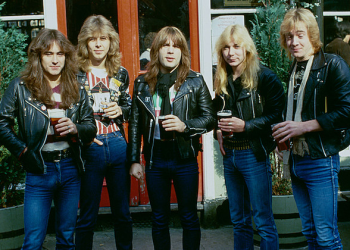
Few artists have navigated the shifting tides of rock, pop, and jazz with the elegance and intelligence of Sting. From his early days with The Police to a richly layered solo career, Sting has crafted songs that feel both intimate and expansive, blending poetic storytelling with unforgettable melodies. His music explores love, politics, spirituality, and the human condition, often wrapped in arrangements that are as sophisticated as they are accessible. Whether driven by haunting minimalism or lush instrumentation, his greatest songs reveal an artist constantly evolving yet unmistakably distinct. This collection highlights the tracks that define his legacy, capturing the voice, vision, and emotional depth that have made Sting one of the most enduring figures in modern music.
1. Every Breath You Take
“Every Breath You Take” is one of the most recognizable songs ever associated with Sting, a recording so polished and haunting that it has become almost impossible to separate from the sound of modern pop history. Released with The Police, the song is often mistaken for a romantic ballad, yet its real brilliance lies in the uneasy tension beneath its elegant surface. Sting sings with cool restraint, delivering each line with a measured calm that makes the obsession at the center of the song feel even more unsettling. The guitar figure is spare, crystalline, and instantly memorable, creating a hypnotic pattern that pulls the listener in before the darker emotional implications fully register. Every Breath You Take thrives on contradiction. It is beautiful, controlled, intimate, and quietly menacing. That complexity is why it has lasted far beyond its original era. The arrangement is clean but not empty, giving every instrumental part a precise emotional function. The drums pulse with quiet certainty, the bass remains disciplined, and the vocal sits at the center like a private thought made public. Few songs have achieved this level of global familiarity while retaining such psychological depth, making it one of Sting’s defining masterpieces.
2. Fields of Gold
“Fields of Gold” is among Sting’s most graceful and deeply loved solo recordings, a song that feels simple on first hearing yet grows richer with every return. Its beauty comes from understatement. Rather than building a grand romantic drama, Sting paints a pastoral scene filled with memory, tenderness, and the quiet ache of passing time. The image of barley fields becomes more than scenery. It becomes a place where love, promise, nostalgia, and mortality all meet beneath golden light. His vocal performance is controlled and intimate, carrying the song with a warmth that never becomes sentimental. The melody moves gently, almost like a folk song remembered from childhood, while the arrangement gives it a luminous softness. Acoustic textures, subtle rhythmic motion, and carefully placed instrumental colors allow the lyric to breathe. Fields of Gold is popular because it speaks to listeners across generations. It can sound like a wedding song, a remembrance, a private vow, or a reflection on a life once shared. Sting’s gift here is his ability to make emotional depth feel effortless. He does not over explain the feeling. He lets the landscape hold it. The result is one of his most enduring songs, tender without weakness and poetic without losing direct human contact.
3. Englishman in New York
“Englishman in New York” stands as one of Sting’s sharpest and most stylish portraits of identity, individuality, and outsider grace. Built around a sleek blend of pop, jazz, reggae, and urbane sophistication, the song captures the sensation of being visibly different while refusing to shrink from that difference. Sting’s vocal is dry, elegant, and quietly amused, perfectly suited to a lyric that celebrates manners, wit, and personal code in a city defined by motion and noise. The soprano saxophone line gives the track its signature color, adding a cosmopolitan brightness that feels both playful and refined. What makes the song so memorable is its balance of humor and seriousness. It is not simply about national identity. It is about the courage to remain oneself in unfamiliar surroundings. The famous refrain has become a cultural shorthand for dignified eccentricity, but the entire song is filled with finely observed details. Englishman in New York became a favorite because it makes sophistication feel catchy, and because its groove is as memorable as its message. Sting created a song that feels like a walk through city streets with a raised eyebrow, a sharp suit, and an unshakable sense of self.
4. Shape of My Heart
“Shape of My Heart” is one of Sting’s most atmospheric and emotionally mysterious songs, built with the quiet elegance of a secret being slowly revealed. The song is often admired for its guitar pattern, which has a delicate, almost classical beauty, but the true power of the recording comes from the way that pattern supports a meditation on fate, chance, and hidden feeling. Sting does not sing like a conventional pop narrator here. He sounds like someone observing a private ritual, using cards and symbols to explore the human need for meaning. The lyric never reduces itself to an obvious love story. Instead, it moves through images of gamblers, masks, and emotional concealment, suggesting that the heart can be both guarded and exposed. His vocal performance is restrained, calm, and deeply evocative, letting the melody unfold with quiet melancholy. Shape of My Heart has remained one of his most beloved songs because it feels cinematic without needing spectacle. It carries an air of midnight thought, a sense of beauty touched by loneliness. Its influence has traveled widely through popular culture, yet the original retains its singular magic. Few Sting songs feel this intimate, this philosophical, and this effortlessly haunting.
5. Desert Rose
“Desert Rose” is one of Sting’s most adventurous and instantly captivating solo hits, a song that expands his familiar melodic intelligence into a broader, more global sound world. The track is built around atmosphere, rhythm, and contrast, bringing together Sting’s cool vocal presence with the soaring ornamentation of Cheb Mami. That pairing gives the song its unmistakable character. Sting sounds reflective and searching, while the Arabic vocal lines add a sense of longing that feels ancient, sensual, and cinematic. The production is sleek but not sterile, combining electronic textures, pulsing rhythm, and desert imagery into a recording that feels both modern and mythic. Desert Rose works because it does not treat cultural fusion as decoration. The song’s emotional identity depends on the meeting of voices, languages, and musical colors. Its lyric evokes dreams, heat, distance, and desire, creating a landscape where romance feels almost like a mirage. The chorus is memorable, but the atmosphere is what truly lingers. Sting had already proven himself as a master of literate pop songwriting, yet this song showed his willingness to stretch outward and invite new sounds into his world. The result remains one of his most popular and visually evocative recordings.
6. Roxanne
“Roxanne” is the song that announced Sting’s voice to the world with startling force. Recorded with The Police, it remains one of the most important songs in his catalog because it captures the band at the point where punk urgency, reggae rhythm, and dramatic pop songwriting fused into something entirely their own. Sting’s vocal is unforgettable from the first cry of the title. It rises with a mix of desperation, theatrical flair, and sharp emotional command, making the song feel larger than its spare arrangement. The subject matter could easily have become melodramatic, but Sting gives it a human urgency that keeps the track alive and sympathetic. The rhythm has a loping tension, shifting between restraint and release, while the guitar and drums create a lean frame around the vocal. Roxanne is popular because it feels raw and sophisticated at the same time. It has the directness of early new wave music, but also the melodic intelligence that would define Sting’s later work. The song’s emotional center is obsession, concern, and wounded pride, all delivered with a voice that sounds impossible to ignore. Decades later, its opening still feels electric.
7. Message in a Bottle
“Message in a Bottle” is one of Sting’s greatest songs about loneliness, and its brilliance lies in how it turns isolation into a massive communal anthem. Recorded with The Police, the track begins with one of the band’s most memorable guitar figures, bright, restless, and immediately propulsive. From there, Sting builds a story around a castaway sending out a desperate signal, only to discover that countless others are stranded too. The metaphor is simple enough to grasp instantly, yet profound enough to remain powerful across a lifetime. His vocal performance captures both anxiety and revelation. He sounds alone at first, then increasingly aware that loneliness itself may be the common language connecting everyone. The band’s performance is exceptional in its forward motion. The drums snap and surge, the bass gives the song muscle, and the guitar keeps circling like a signal flashing across dark water. Message in a Bottle is popular because it speaks to a universal emotional paradox. People often feel most alone in the very feelings that millions share. Sting turns that realization into something exhilarating rather than bleak. The song is urgent, intelligent, infectious, and emotionally generous, proving how deeply thoughtful pop music can still hit with the force of a rock anthem.
8. Fragile
“Fragile” is one of Sting’s most moving meditations on violence, mortality, and human vulnerability. The song’s quietness is central to its power. Rather than responding to brutality with volume, Sting answers with tenderness, suggesting that the most serious truths are sometimes best delivered in a near whisper. The guitar work has a delicate Latin influenced grace, its nylon string tone giving the recording a warmth that feels intimate and mournful. Sting’s voice is calm but deeply affected, carrying the lyric with the patience of someone who understands grief as both personal and universal. The song’s message is clear without becoming heavy handed. Human life is breakable, and the illusion of invincibility disappears quickly in the face of loss. Fragile has endured because it feels timeless in the saddest sense. Its theme remains relevant whenever the world is shaken by conflict or tragedy. Yet the song is not despairing. There is compassion in its melody, and dignity in its restraint. Sting avoids easy drama, choosing instead to create a space for reflection. The result is one of his most beautiful compositions, a song that turns sorrow into art without softening the seriousness of what it mourns.
9. If I Ever Lose My Faith in You
“If I Ever Lose My Faith in You” is one of Sting’s most compelling solo singles, a song that balances skepticism, devotion, wit, and melodic lift with remarkable ease. The lyric begins from a place of disillusionment, naming the collapse of trust in institutions, systems, and worldly promises. Yet the song does not sink into cynicism. Instead, it finds its emotional anchor in a personal bond, suggesting that love or faith in another person can survive even when broader certainties fall away. Sting’s vocal performance is confident and agile, moving through the verses with conversational intelligence before opening into a chorus that feels both intimate and expansive. The arrangement is polished, rhythmic, and full of subtle detail, reflecting the sophistication of his early nineties solo sound. If I Ever Lose My Faith in You became popular because it speaks to a very adult kind of hope. It does not pretend the world is simple. It acknowledges disappointment, confusion, and doubt, then finds a reason to keep believing anyway. The song’s appeal lies in that tension between intellectual unease and emotional loyalty. Sting gives the listener a pop anthem for uncertain times, crafted with elegance, sharpness, and unmistakable melodic authority.
10. Every Little Thing She Does Is Magic
“Every Little Thing She Does Is Magic” is one of the brightest and most joyful songs in Sting’s catalog with The Police, a sparkling pop triumph built around nervous romantic energy. The song captures the feeling of being overwhelmed by affection, not in a dark or tortured way, but in a breathless rush of admiration and anxiety. Sting’s vocal carries that emotional contradiction beautifully. He sounds excited, vulnerable, and slightly bewildered, as though the intensity of his feelings has made eloquence difficult. The arrangement is unusually exuberant for The Police, with piano, rhythm, and melodic drive creating a sense of forward momentum that feels almost celebratory. Yet beneath the polished surface is a classic Sting theme: the difficulty of communication. The narrator is enchanted, but he cannot quite say what he needs to say. That tension gives the song emotional bite beneath its radiant chorus. Every Little Thing She Does Is Magic remains popular because it is irresistibly catchy without being shallow. Its melody lifts, its rhythm dances, and its lyric captures the awkward courage required by love. It is a song of hesitation transformed into joy, proof that Sting could write pop with dazzling immediacy while still preserving complexity, character, and emotional truth.

Samuel Moore is a frequent contributor to Singers Room. Since 2005, Singersroom has been the voice of R&B around the world. Connect with us via social media below.