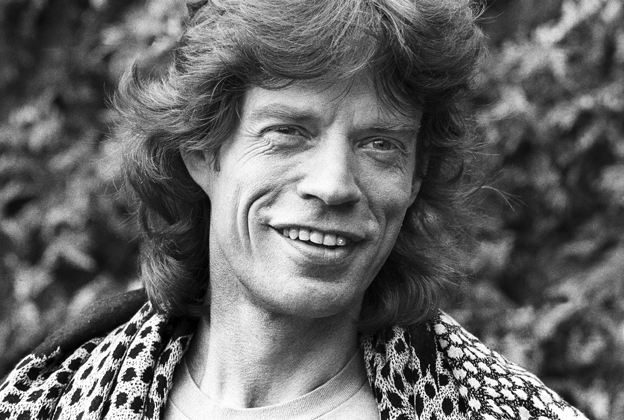
Few frontmen in rock history carry the swagger, voice, and enduring mystique of Mick Jagger. As the electrifying force behind The Rolling Stones and a compelling solo artist in his own right, Jagger has spent decades shaping the sound and attitude of modern rock. His songs pulse with energy, attitude, and a restless creativity that refuses to stand still. Whether delivering gritty blues soaked anthems or exploring more polished solo ventures, he brings a distinctive edge that is instantly recognizable. This collection highlights the tracks that define his musical legacy, capturing the charisma, daring, and unmistakable voice that have made Mick Jagger one of the most iconic figures ever to step onto a stage.
1. Satisfaction
“Satisfaction” is one of the most important songs ever associated with Mick Jagger, a record that captures youthful irritation, sexual frustration, consumer culture, and rock rebellion in one explosive package. From the moment the riff enters, the song announces itself with a confidence that still feels dangerous. Yet the true brilliance of the track rests in Jagger’s vocal performance. He does not simply sing the lyric. He sneers it, bites into it, stretches it, and turns dissatisfaction into a full body attitude. His delivery makes the narrator sound restless and amused, irritated and magnetic, as if boredom itself has become a form of power. “Satisfaction” became a cultural landmark because it gave rock music a new kind of swagger. It was not polite protest and it was not simple teenage complaint. It was sharper, cooler, and more physical than that. The arrangement is direct, but the personality behind it is enormous. Jagger’s phrasing gives every line a theatrical edge, making the song feel like a manifesto shouted from inside a moving car. Decades later, it remains one of his defining performances because it captures the essence of his rock persona: hungry, mocking, seductive, and impossible to ignore.
2. Start Me Up
“Start Me Up” is Mick Jagger in peak stadium command, turning a lean groove into one of rock’s most enduring bursts of kinetic energy. The song begins with a guitar figure that instantly creates anticipation, but Jagger’s entrance is what gives the track its pulse of mischief and motion. His voice is loose, sharp, and full of teasing confidence, making the lyric feel like both a flirtation and a dare. The genius of “Start Me Up” is its economy. Nothing feels overworked, yet every element has impact. The rhythm swings with muscular precision, the guitars snap and grind, and Jagger rides the whole thing like a showman who understands exactly how to turn restraint into excitement. His performance is not about vocal perfection. It is about character, timing, and physical presence. You can practically hear the stage lights hit him as he stretches certain phrases and tosses others away with casual brilliance. The song’s popularity comes from that immediate charge. It is built for movement, sports arenas, car speakers, and massive crowds singing as one. More than a late career classic, it proves that Jagger’s charisma could still transform a simple riff into a global rock event.
3. Sympathy for the Devil
“Sympathy for the Devil” is one of Mick Jagger’s most theatrical and intellectually daring performances, a song that turns rock and roll into a grand masquerade of history, evil, seduction, and rhythm. Rather than delivering the lyric as a simple villain’s monologue, Jagger approaches it with elegance, wit, and chilling charm. His vocal is conversational but commanding, allowing the character to feel civilized and terrifying at the same time. That contrast is what makes the song so powerful. The arrangement builds from a hypnotic groove, with percussion and piano creating a ritualistic energy while the famous backing chants give the track a sense of communal unease. Jagger’s phrasing is full of sly intelligence. He sounds amused by humanity’s repeated mistakes, turning historical reference into performance art. “Sympathy for the Devil” became one of the most popular and analyzed songs in the Rolling Stones catalog because it refuses easy moral comfort. It invites the listener into a dance with darkness, then makes that dance irresistible. The song is not frightening because it is loud. It is frightening because it is charming. Jagger understood that danger can arrive smiling, and his performance remains one of the most sophisticated examples of rock theater ever recorded.
4. Paint It Black
“Paint It Black” is one of Mick Jagger’s most haunting vocal performances, a song that brings grief, obsession, and psychological darkness into the heart of rock music. The track’s famous sitar driven sound gives it an exotic and unsettling atmosphere, but Jagger’s voice is what makes the emotion feel immediate. He sings with urgency, as though the world has become unbearable in its color and movement. The lyric’s central desire to erase brightness is both simple and deeply disturbing, capturing a mind overwhelmed by loss and emotional collapse. “Paint It Black” stands out because it does not treat sadness gently. It turns mourning into momentum, using a driving rhythm to push the darkness forward rather than letting it sit still. Jagger’s vocal has a sharp edge that avoids sentimentality. He sounds haunted, but also energized by the intensity of the feeling. That tension gives the song its lasting fascination. It is melodic and memorable, yet emotionally severe. The recording remains popular because it captures an extreme inner state with startling clarity. In Jagger’s hands, the song becomes more than a gothic rock classic. It becomes a vivid portrait of grief as a force that changes the appearance of everything around it.
5. Gimme Shelter
“Gimme Shelter” is one of the most ominous and powerful recordings in Mick Jagger’s body of work, a song that sounds like a storm arriving before anyone has found safety. The atmosphere is extraordinary from the first moments, with the guitar creating a chilling sense of distance and danger. Jagger’s vocal enters with controlled urgency, not as a narrator standing above the chaos, but as someone inside it, trying to name what is happening before it consumes everything. The song’s themes of violence, fear, and survival give it a timeless gravity. Jagger’s voice is tense, lean, and alert, perfectly suited to a lyric that feels both personal and apocalyptic. “Gimme Shelter” gains further force from its unforgettable vocal interplay, where the additional voice turns the song into a shared cry from the edge of disaster. Yet Jagger remains the anchor, guiding the listener through the darkness with a performance that never loses its cool center. The song is popular because it captures dread without becoming vague. It feels specific and universal at once, rooted in a turbulent era but never trapped there. Few rock songs have sounded so beautiful and so threatening, and Jagger’s performance is central to that extraordinary balance.
6. Jumpin’ Jack Flash
“Jumpin’ Jack Flash” is one of the great Mick Jagger performances of toughness, survival, and rock mythmaking. The song sounds as if it has been dragged through smoke, mud, and electricity, only to emerge grinning. Jagger’s vocal is full of character, mixing blues phrasing with theatrical bravado until the narrator becomes larger than life. The lyric sketches hardship in vivid, almost surreal images, but the chorus turns suffering into triumph. That is the key to the song’s enduring appeal. It is not merely about having endured trouble. It is about transforming trouble into swagger. The guitars are raw and muscular, the rhythm has a heavy forward lurch, and Jagger rides the whole track with feral confidence. “Jumpin’ Jack Flash” helped define the Stones at their most elemental, reconnecting them with blues based rock while expanding their sense of menace and style. Jagger’s delivery makes every phrase feel like part of a legend being invented on the spot. He sounds weathered, amused, untouchable, and fully alive. The song remains popular because it gives listeners a fantasy of resilience that is not clean or sentimental. It is dirty, defiant, and thrilling, exactly the territory where Jagger has always sounded most electric.
7. Brown Sugar
“Brown Sugar” is one of the most famous and controversial songs in Mick Jagger’s career, a track whose explosive musical energy exists alongside lyrics that have long invited serious scrutiny. As a performance, it captures the Rolling Stones at their most swaggering and rhythmically charged. The guitar riff is sharp and instantly recognizable, the horn accents add a burst of heat, and the band moves with the confidence of musicians who know exactly how to make rock and roll swing. Jagger’s vocal is brash, loose, and animated, filled with the kind of outrageous theatricality that made him such a magnetic front man. Yet the song’s popularity has always been complicated by its subject matter, which draws on imagery connected to exploitation, race, sex, and history in ways that modern listeners often hear with discomfort. That tension is part of its legacy. “Brown Sugar” remains significant not only because it became a major rock staple, but because it shows how Jagger’s talent for provocation could produce both irresistible performance and uneasy debate. Musically, it is a fireball. Culturally, it is far from simple. That combination has kept it discussed, challenged, and remembered long after its original release.
8. Miss You
“Miss You” is Mick Jagger’s great dance floor reinvention, a song that brings disco influence into the Rolling Stones universe without sacrificing the band’s sly, bluesy character. What makes the track so successful is Jagger’s vocal persona. He sounds lonely, flirtatious, amused, and detached, as if emotional emptiness has been dressed up for a night out. The groove is smooth and elastic, driven by bass and rhythm guitar with a pulse that immediately separates it from the band’s heavier rock material. Jagger leans into the space, using falsetto touches, murmured asides, and conversational phrasing to create a character who is both vulnerable and evasive. “Miss You” became a huge hit because it understood the late seventies moment while still sounding unmistakably like the Stones. It is not disco as costume. It is disco filtered through Jagger’s restless appetite for style, attitude, and social observation. The lyric’s repeated longing is simple, but the performance makes it slippery. Is he heartbroken, bored, hunting, or performing heartbreak for effect? That ambiguity is the fun of it. Jagger turns absence into groove, and the result remains one of his most sophisticated and addictive popular songs.
9. Dancing in the Street
“Dancing in the Street” became one of Mick Jagger’s most visible solo era moments, thanks to his high energy duet with David Bowie. The song itself was already a Motown classic, but this version turned it into a bright, playful, mid eighties pop event centered on two of rock’s most charismatic performers. Jagger approaches the song with exuberance rather than restraint, leaning into its communal spirit with movement, vocal energy, and unmistakable showmanship. His voice brings a rougher texture against Bowie’s cooler elegance, and that contrast gives the performance much of its charm. “Dancing in the Street” is not meant to be subtle. It is celebratory, bold, and theatrical, driven by the joy of seeing two major artists throw themselves into a familiar song with full commitment. Jagger’s presence is especially physical. Even without the video, the vocal suggests motion, gesture, and a kind of delighted chaos. The track became popular because it felt like an event as much as a single, connecting classic soul history, rock star friendship, and a major charitable cultural moment. For Jagger, it showed that his appeal could thrive outside the Rolling Stones frame, especially when matched with another performer capable of meeting his energy head on.
10. Just Another Night
“Just Another Night” is one of Mick Jagger’s most successful solo singles, a sleek eighties rock and pop track that captures his desire to step outside the Rolling Stones machinery while still relying on the charisma that made him famous. The song has a bright, polished sound, shaped by the production style of its era, but Jagger’s personality keeps it from feeling anonymous. His vocal is urgent, rhythmic, and full of familiar restless energy. He sounds like a man trying to outrun boredom, temptation, and emotional repetition, which fits the title perfectly. “Just Another Night” works because it presents Jagger in a different setting without stripping away his central qualities. The groove is modern, the arrangement is glossy, and the song is clearly designed for radio, yet the performance carries that unmistakable bite in his phrasing. He bends words, pushes the rhythm, and gives the track a sense of forward motion that feels very much his own. As a solo statement, it remains important because it proved Jagger could score a major hit under his own name. The song may not have the raw danger of his greatest Stones work, but it offers a fascinating portrait of a legendary rock singer testing his identity inside a changing pop landscape.

Samuel Moore is a frequent contributor to Singers Room. Since 2005, Singersroom has been the voice of R&B around the world. Connect with us via social media below.