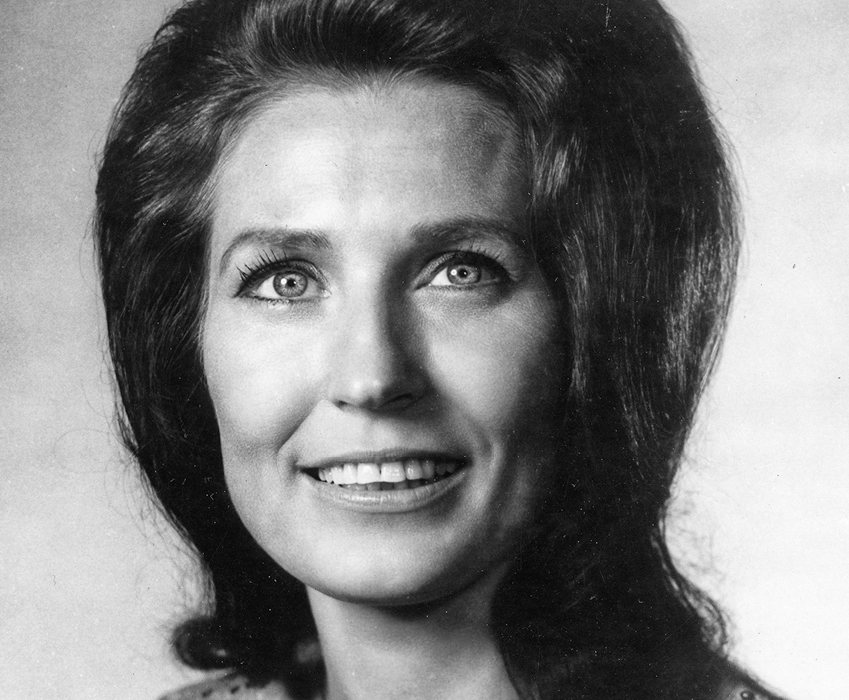
With her fearless songwriting, unmistakable voice, and deep roots in everyday American life, Loretta Lynn became one of the most influential figures in country music history. Rising from humble beginnings in rural Kentucky, she transformed personal struggles, family stories, and working class experiences into songs that connected with millions of listeners across generations. Loretta Lynn never shied away from difficult subjects, often tackling love, heartbreak, marriage, motherhood, independence, and social expectations with honesty and sharp wit. Her music carried the spirit of classic country while pushing boundaries in ways that changed the genre forever. From heartfelt ballads to fiery anthems of female empowerment, her catalog is filled with timeless recordings that continue to resonate decades after their release. These unforgettable songs showcase the strength, authenticity, and storytelling brilliance that helped make Loretta Lynn one of country music’s greatest and most beloved legends.
1. Coal Miner’s Daughter
“Coal Miner’s Daughter” is the Loretta Lynn song that feels closest to her heart, her history, and her identity as one of country music’s most important storytellers. Built around plainspoken memories of growing up in Butcher Hollow, Kentucky, the song turns poverty, family, work, and pride into something deeply moving. Lynn does not romanticize hardship in a polished or distant way. She sings from inside the memory, recalling her father’s labor, her mother’s care, and the humble details of a childhood shaped by struggle and love.
What makes “Coal Miner’s Daughter” so powerful is its honesty. Loretta Lynn’s voice carries warmth, toughness, and gratitude without ever sounding sentimental for its own sake. The arrangement is classic country, direct and beautifully uncluttered, allowing the story to remain at the center. Every line feels like a photograph from a life that was hard, meaningful, and deeply rooted. The song became more than a hit. It became her signature, the title of her autobiography, and the foundation of her public legend. “Coal Miner’s Daughter” endures because it captures the dignity of working class life with rare clarity. It is personal enough to belong to Loretta alone, yet universal enough to speak to anyone shaped by family, sacrifice, and memory.
2. You Ain’t Woman Enough
“You Ain’t Woman Enough” is one of Loretta Lynn’s sharpest and most confident hits, a song that established her as a fearless voice for women who refused to be quietly pushed aside. The premise is direct and unforgettable: another woman thinks she can take the narrator’s man, but Loretta meets the threat with steel, wit, and absolute certainty. In an era when many female country singers were expected to remain soft spoken or purely heartbroken, Lynn delivered a performance full of backbone.
The brilliance of “You Ain’t Woman Enough” is that it never sounds insecure. Loretta Lynn does not beg, plead, or collapse under jealousy. She stands her ground. Her voice has a conversational bite, making the song feel like a warning delivered face to face. The arrangement has the clean drive of classic Nashville country, but the personality belongs entirely to Lynn. She turns a domestic confrontation into an anthem of self respect and territorial pride. The song’s popularity comes from how instantly understandable it is. Listeners do not need elaborate symbolism to feel its power. “You Ain’t Woman Enough” remains one of Loretta Lynn’s defining records because it captures her gift for saying what many women felt but were rarely encouraged to say out loud. It is tough, catchy, funny, and unmistakably hers.
3. Fist City
“Fist City” is Loretta Lynn at her most fiery, direct, and gloriously unfiltered. The song is a classic example of her ability to turn real world conflict into country music drama without sanding down the edges. The narrator addresses another woman with a threat that is both comic and serious, warning her to stay away from her husband or face the consequences. In lesser hands, the song might have become a novelty. With Loretta, it becomes a vivid portrait of pride, anger, and working class toughness.
What makes “Fist City” so memorable is its language. Lynn writes and sings like someone who knows exactly how people talk when manners have run out. The phrase itself is colorful, unforgettable, and full of personality. Her vocal delivery is crisp and confident, never overplayed, which makes the threat even more convincing. The band keeps the song moving with bright country energy, giving the track a lively bounce that contrasts with the sharpness of the lyric. “Fist City” became one of her most popular songs because it showed a woman in country music refusing to be passive, polite, or victimized. It is funny, fierce, and loaded with attitude. More importantly, it demonstrates why Loretta Lynn’s songwriting felt so revolutionary. She made female anger sound honest, entertaining, and completely justified.
4. Don’t Come Home A Drinkin’
“Don’t Come Home A Drinkin’” is one of Loretta Lynn’s most important songs because it brought an everyday domestic frustration into the center of country music with fearless clarity. The song addresses a husband who comes home drunk expecting affection, only to be met by a wife who has had enough. Lynn delivers the message with humor, firmness, and unmistakable authority. She does not whisper her frustration. She turns it into a warning, a boundary, and a hit record.
The song’s power lies in how plainly it speaks. Loretta Lynn had a gift for writing about marriage not as fantasy, but as lived experience. She understood the exhaustion, disappointment, and anger that could exist behind closed doors, especially for women expected to endure bad behavior quietly. “Don’t Come Home A Drinkin’” gave that frustration a voice. The arrangement moves with classic honky tonk energy, making the song entertaining even as its subject remains serious. Lynn’s performance is sharp but never joyless. There is wit in her tone, as though she knows the audience understands exactly what she means. “Don’t Come Home A Drinkin’” remains a landmark in her catalog because it turned a private complaint into a public anthem. It is country music at its boldest, funniest, and most socially observant.
5. One’s On The Way
“One’s On The Way” is one of Loretta Lynn’s smartest and most humorous songs, a brilliant snapshot of motherhood, domestic routine, and cultural contrast. Written by Shel Silverstein and delivered with Lynn’s unmistakable timing, the song compares glamorous images of modern womanhood with the exhausting reality of a housewife in Topeka who is raising children while another baby is on the way. The result is funny, sharp, and quietly revealing.
Loretta Lynn’s performance is essential to the song’s success. She sings with a conversational ease that makes every detail land like a line from someone’s real kitchen. There is comedy in the lyric, but also truth. The narrator is not simply complaining. She is observing the gap between public fantasy and private labor. While celebrities and fashionable women appear to be living modern, liberated lives, the woman in the song is still dealing with diapers, groceries, noise, and pregnancy. “One’s On The Way” became popular because it made ordinary motherhood visible in a way that country audiences immediately recognized. The arrangement is light and catchy, allowing the wit to shine without becoming heavy handed. “One’s On The Way” remains one of Loretta Lynn’s most beloved records because it proves how much emotional and social insight she could pack into a song that also makes people smile.
6. The Pill
“The Pill” is one of Loretta Lynn’s boldest and most controversial songs, a groundbreaking country record about birth control, bodily autonomy, and female freedom. Released at a time when such subjects were rarely addressed so openly in country music, the song gave voice to women whose lives had been shaped by constant pregnancy, domestic obligation, and limited choices. Lynn sings from the perspective of a wife who is finally able to reclaim control over her body and future.
What makes “The Pill” remarkable is its combination of humor, defiance, and plainspoken social commentary. Loretta Lynn does not treat the subject as abstract politics. She places it inside marriage, motherhood, and everyday life, which makes the song feel immediate and human. Her vocal delivery has a grin in it, but also unmistakable determination. The narrator is not asking permission. She is announcing a change. The arrangement has an upbeat country sparkle, making the message feel celebratory rather than grim. “The Pill” became famous partly because of controversy, but its lasting power comes from the way it captures a real shift in women’s lives. Loretta Lynn had the courage to sing about experiences that many people lived but few mainstream country artists dared to mention. The song remains a fearless example of country music as social truth.
7. Rated X
“Rated X” is one of Loretta Lynn’s most daring songs, confronting the stigma faced by divorced women with characteristic bluntness and intelligence. In a traditional country world where marriage was often idealized and female respectability was closely watched, Lynn sang about the social judgment that followed women after a marriage ended. The title is provocative, but the song is not cheap or sensational. It is a sharp critique of double standards.
Loretta Lynn’s vocal performance gives the song its authority. She sings with the tone of someone who has seen how quickly people gossip, label, and condemn. The lyric points out that a woman can be treated differently simply because she is no longer married, while men often escape the same scrutiny. This was exactly the kind of subject Lynn handled better than almost anyone else. She made social commentary sound like a conversation at the kitchen table, direct enough for everyone to understand and brave enough to make people uncomfortable. “Rated X” is musically rooted in classic country, but its message pushed the genre forward. “Rated X” remains one of her essential recordings because it reveals how Loretta Lynn used popularity not to avoid controversy, but to tell the truth about women’s lives. It is honest, bold, and still relevant.
8. Louisiana Woman, Mississippi Man
“Louisiana Woman, Mississippi Man” is one of the most joyful and energetic duets Loretta Lynn recorded with Conway Twitty, and it remains a defining song from one of country music’s most beloved vocal partnerships. The track bursts with personality from the start, using the image of the Mississippi River as both a physical barrier and a symbol of romantic excitement. Rather than sounding like lovers separated by impossible distance, Lynn and Twitty make the situation feel thrilling, playful, and unstoppable.
The chemistry is the heart of the record. Loretta Lynn brings brightness, bite, and country charm, while Conway Twitty answers with smooth confidence. Together, they create a back and forth energy that feels natural and alive. The song’s rhythm moves quickly, giving it a sense of motion that matches the lyric’s river crossing imagery. It is easy to hear why audiences loved them as a duo. They sounded like two distinct personalities meeting in perfect musical balance. “Louisiana Woman, Mississippi Man” became a major favorite because it captures romantic desire without heaviness. It is fun, fast, and full of rural color. “Louisiana Woman, Mississippi Man” endures because it showcases Loretta Lynn’s ability to shine not only as a solo storyteller, but also as a duet partner with timing, humor, and irresistible presence.
9. You’re Lookin’ At Country
“You’re Lookin’ At Country” is Loretta Lynn’s proud declaration of identity, a song that celebrates rural roots, country values, and the confidence of a woman who knows exactly who she is. The lyric presents country not simply as a musical style, but as a way of living, speaking, loving, and seeing the world. Lynn sings it with joy and certainty, making the song feel like both an introduction and a statement of purpose.
What makes “You’re Lookin’ At Country” so enduring is its authenticity. Loretta Lynn never had to perform rural credibility as a costume. It was part of her story, her language, and her artistic foundation. When she sings about country identity, it does not feel manufactured. It feels lived. The arrangement is bright and inviting, built around the familiar sound of classic Nashville country, but Lynn’s personality gives it its spark. Her voice carries pride without arrogance and warmth without polish. The song connects because it allows listeners to celebrate where they come from, especially those whose lives and accents were often dismissed by mainstream culture. “You’re Lookin’ At Country” remains one of Loretta Lynn’s signature songs because it turns self definition into an anthem. It is cheerful, confident, and deeply rooted in the world that shaped her.
10. After The Fire Is Gone
“After The Fire Is Gone” is one of Loretta Lynn and Conway Twitty’s most emotionally powerful duets, a song that explores loneliness, desire, and moral conflict with remarkable nuance. The recording tells of two people who find comfort in each other after the love in their own relationships has faded. It is a classic country theme, but Lynn and Twitty deliver it with such vocal chemistry and emotional conviction that it feels deeply human rather than merely scandalous.
Loretta Lynn’s voice brings ache and honesty to the performance. She does not make the narrator sound careless. Instead, there is a sense of emotional hunger, disappointment, and vulnerability in her phrasing. Conway Twitty’s smooth delivery complements her beautifully, creating a conversation between two wounded people who understand the risk of what they are singing. The arrangement is rich but restrained, allowing the voices to carry the moral weight of the story. “After The Fire Is Gone” became a landmark duet because it refused to reduce adult relationships to simple right and wrong categories. It recognized that emotional neglect can create complicated choices. “After The Fire Is Gone” remains one of Loretta Lynn’s most popular recordings because it captures country music’s great strength: telling difficult truths about love, need, and loneliness with melody, grace, and devastating honesty.

Samuel Moore is a frequent contributor to Singers Room. Since 2005, Singersroom has been the voice of R&B around the world. Connect with us via social media below.