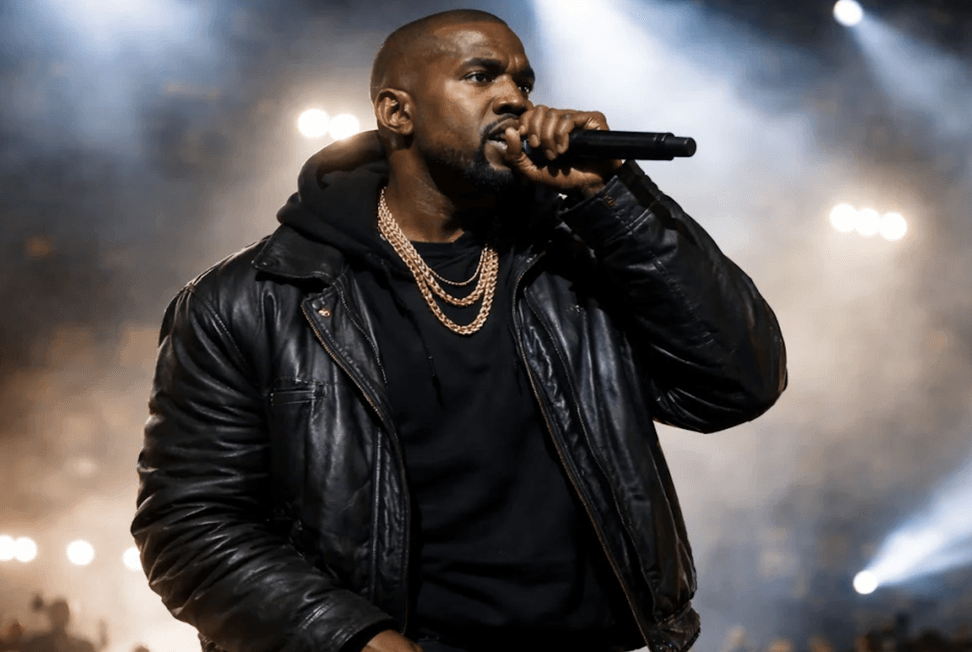
Few artists in modern music have reshaped hip hop as dramatically as Kanye West. From soulful chipmunk sampled beats to grand experimental productions that blurred the lines between rap, electronic music, gospel, and stadium pop, Kanye built a catalog filled with songs that changed the sound of an entire generation. His music has always been larger than simple chart success. Every era introduced a new style, a new attitude, and a new level of ambition. Whether delivering deeply personal lyrics, explosive anthems, or emotionally layered productions, Kanye consistently pushed creative boundaries while remaining one of the most talked about figures in popular culture. The songs on this list represent the defining moments of that remarkable journey, the tracks that dominated radio, inspired artists across genres, and cemented his legacy as one of the most influential and unpredictable musicians of the twenty first century.
1. Stronger
“Stronger” is one of Kanye West’s most recognizable songs because it captures the moment when hip hop fully embraced futuristic electronic pop without losing its rap center. Built around the legendary Daft Punk sample from “Harder, Better, Faster, Stronger,” the track turns sleek robotic funk into a stadium sized statement of confidence, survival, and self reinvention. Kanye does not simply rap over the sample. He bends it into his own world, using its mechanical pulse as a backdrop for lyrics about resilience, fame, ambition, and ego. The result feels both icy and explosive, a song that sounds engineered for nightclubs, sports arenas, headphones, and victory montages all at once.
What makes “Stronger” so powerful is its sense of motion. The beat does not relax. It keeps pushing forward with chrome plated intensity, while Kanye’s delivery rides the rhythm with sharp clarity. The hook became an instant cultural phrase, turning personal toughness into a universal chant. As a pop moment, it was massive. As a production move, it was visionary. “Stronger” helped redefine what mainstream rap could sound like, opening space for a decade of artists to experiment with electronic textures, fashion forward visuals, and global dance music energy. It remains one of Kanye’s most enduring anthems because it feels like transformation in musical form.
2. Gold Digger
“Gold Digger” is one of Kanye West’s biggest commercial hits, a song that turned sharp social comedy into an irresistible pop rap phenomenon. Powered by a vibrant Ray Charles inspired hook performed by Jamie Foxx, the track immediately feels larger than life. Its production is crisp, bouncy, and theatrical, built around a vintage soul flavor that Kanye reshapes into something modern, witty, and radio ready. The genius of the song lies in its balance. It is playful enough to dominate parties, but pointed enough to reveal Kanye’s gift for character study, satire, and cultural observation.
Kanye’s verses move with conversational precision. He sketches scenes of money, romance, suspicion, status, and gender politics with the eye of a storyteller who understands both humor and discomfort. The song’s popularity comes partly from its unforgettable hook, but also from the way Kanye turns everyday relationship anxieties into a cinematic performance. He is not merely describing a situation. He is building a world of ambition, temptation, and social performance.
“Gold Digger” became one of the defining rap singles of the 2000s because it appealed to nearly everyone without feeling generic. It had soul history in its bones, pop brightness on its surface, and Kanye’s unmistakable personality at the center. Even years later, its opening moments can still spark instant recognition, proving how deeply it embedded itself in popular music memory.
3. Heartless
“Heartless” is one of Kanye West’s most emotionally influential songs, a landmark in the fusion of hip hop, pop, and melodic vulnerability. Released during the 808s and Heartbreak era, the track revealed a colder, lonelier, more wounded version of Kanye’s artistry. Instead of soul samples and dense rap arrangements, “Heartless” relies on icy synths, booming drum programming, and Auto Tuned vocals that sound detached yet deeply bruised. That tension is the heart of the song. Kanye sounds distant because the emotion is too sharp to deliver plainly.
The lyrics revolve around betrayal, emotional exhaustion, and the confusion of loving someone who feels unreachable. His vocal performance is not traditionally polished, but that is exactly why it works. The robotic texture does not erase the pain. It magnifies it. The song feels like heartbreak processed through machinery, which made it feel shockingly modern when it arrived and deeply prophetic in hindsight.
“Heartless” helped lay the foundation for an entire wave of emotionally open, melody driven rap and R&B. Its influence can be heard across later generations of artists who blurred the lines between singing and rapping while embracing sadness as a central theme. As one of Kanye’s most popular songs, “Heartless” endures because it turned emotional damage into a sound, creating a lonely anthem that still feels haunting, stylish, and painfully human.
4. Runaway
“Runaway” is often regarded as one of Kanye West’s greatest artistic achievements, a sprawling, self aware meditation on ego, failure, love, and self destruction. The song begins with a single piano note, stark and unforgettable, before expanding into one of the most emotionally charged productions in his catalog. That opening is almost ceremonial. It feels like a spotlight turning on before a confession. Kanye uses the space not to defend himself, but to examine the patterns that make him difficult, fascinating, and deeply flawed.
The chorus is both ironic and sincere, inviting listeners to raise a toast to people who cause pain, including himself. That emotional complexity is what gives “Runaway” its lasting power. It is not a simple apology, nor is it pure arrogance. It sits somewhere between remorse and defiance, which makes it feel unusually honest. Pusha T’s verse adds a sharper, more luxurious edge, contrasting Kanye’s wounded self reflection with cool precision.
The extended outro transforms the song into something almost abstract, with distorted vocals stretching into wordless emotion. “Runaway” is popular not because it is easy, but because it is monumental. It captures Kanye at his most cinematic and self revealing, turning personal chaos into grand art. Few songs in modern hip hop feel as dramatic, vulnerable, and architecturally ambitious as this one.
5. Power
“Power” is Kanye West in imperial mode, a thunderous statement of dominance, paranoia, fame, and creative force. From its opening chant to its pounding drums and King Crimson sample, the song sounds less like a single and more like an entrance into a palace built from ego and pressure. Every element feels huge. The drums are heavy, the vocals are layered, and Kanye’s delivery is sharp with the energy of someone both celebrating and questioning his own position at the center of culture.
The lyrics are packed with bravado, frustration, humor, and anxiety. Kanye is not simply bragging about success. He is wrestling with what success does to a person when every move becomes spectacle. That is what makes “Power” so compelling. It sounds victorious, but there is tension under the victory. The song understands that fame can be intoxicating and destructive at the same time.
As a piece of production, “Power” is among Kanye’s most muscular creations. It fuses progressive rock, hip hop, gospel like chants, and stadium drama into a track that feels almost mythological. “Power” became one of his signature songs because it presents Kanye as both ruler and prisoner of his own ambition. It is bold, dense, theatrical, and impossible to ignore, which makes it one of the clearest examples of his grand scale artistic imagination.
6. All of the Lights
“All of the Lights” is one of Kanye West’s most spectacular productions, a maximalist pop rap anthem that feels like a city skyline bursting into color. The song is packed with horns, drums, layered vocals, and a dazzling list of contributors, yet it never collapses under its own weight. Instead, it moves with the force of organized chaos. Kanye builds the track like a parade, giving every sound a place in the larger emotional architecture. It is bright, overwhelming, and dramatic in a way only he could make feel controlled.
The song’s emotional core is more complicated than its triumphant sound might suggest. Beneath the blazing arrangement are lyrics about family breakdown, public mistakes, legal trouble, and the desire to be seen clearly. That contrast gives “All of the Lights” its depth. It sounds like celebration, but it is also filled with regret and urgency. Rihanna’s hook gives the song a soaring pop center, while the surrounding vocal layers create a communal, almost cinematic atmosphere.
“All of the Lights” remains popular because it is pure spectacle with emotional stakes. It captures Kanye’s ability to turn personal turmoil into grand public theater, making pain feel radiant and massive. Few songs from the 2010s feel as ambitious in scale, yet still as immediate in impact. It is one of his most dazzling examples of production as world building.
7. Flashing Lights
“Flashing Lights” is one of Kanye West’s most stylish songs, a sleek and moody track that captures the glamour and loneliness of fame with remarkable precision. The production is elegant and restrained compared with some of his larger anthems, but every detail feels carefully placed. The strings, synth textures, and crisp drums create an atmosphere that is both luxurious and haunted. It sounds like a late night drive through a city full of cameras, desire, and emotional distance.
Kanye’s performance is controlled, almost understated, which gives the song its cool sophistication. He raps about love strained by celebrity, the pull of attention, and the way success can distort intimacy. The lyrics feel personal without becoming overly direct, leaving enough space for the listener to project their own sense of longing and disconnection onto the track. Dwele’s hook adds a smooth, soulful quality that makes the song even more hypnotic.
The music video further strengthened its reputation, offering one of Kanye’s most striking visual statements. “Flashing Lights” became a fan favorite because it feels timelessly fashionable. It does not chase trends. It glows with its own nocturnal atmosphere. As a song, it shows Kanye’s gift for mood, texture, and emotional suggestion, proving that some of his most powerful work comes not from volume, but from elegance, tension, and restraint.
8. Can’t Tell Me Nothing
“Can’t Tell Me Nothing” is one of Kanye West’s most definitive statements of self belief, a song that turns stubborn ambition into an anthem. Unlike the bright, celebratory feel of some of his other hits, this track is darker, heavier, and more meditative. The beat moves with a slow, ominous confidence, giving Kanye space to rap with the intensity of someone who has heard every criticism and decided to keep going anyway. It is triumphant, but not cheerful. Its power comes from defiance.
The lyrics are filled with contradictions, which is part of their brilliance. Kanye addresses money, mistakes, faith, pressure, and pride with a tone that feels both boastful and self aware. He knows he is flawed. He knows success can make people reckless. Yet the song refuses to surrender its confidence. That mixture of arrogance and vulnerability is central to Kanye’s appeal as an artist. He makes personal conflict sound monumental.
The hook became one of his most enduring phrases because it speaks to anyone who has ever felt underestimated. “Can’t Tell Me Nothing” is popular because it captures the psychology of ambition. It is the sound of someone pushing forward despite doubt, judgment, and inner conflict. In Kanye’s catalog, it stands as a raw declaration of independence, a song built not for easy celebration, but for moments when confidence has to be fought for.
9. Jesus Walks
“Jesus Walks” is one of Kanye West’s most important songs because it challenged expectations about what a mainstream rap single could address. At a time when radio rap was often expected to focus on club energy, street narratives, or luxury, Kanye delivered a song centered on faith, struggle, sin, fear, and spiritual searching. The result was not quiet or gentle. It was militant, urgent, and dramatic, driven by pounding drums, choral voices, and a sense of moral intensity that made it feel larger than a typical debut era single.
Kanye’s delivery carries both conviction and conflict. He is not presenting himself as saintly. He is rapping from the perspective of someone navigating temptation, violence, commercial pressure, and the need for grace. That honesty makes the song powerful. It does not treat faith as decoration. It treats it as a battlefield. The production reinforces that feeling, turning gospel influence into a marching force.
“Jesus Walks” became a landmark because it proved that spiritual subject matter could succeed at the highest level of popular hip hop. It expanded Kanye’s identity beyond producer and rapper, establishing him as an artist willing to take thematic risks. The song remains one of his most respected works because it combines ambition, belief, social commentary, and raw musical impact in a way that still feels fearless.
10. Bound 2
“Bound 2” is one of Kanye West’s most memorable later hits because it fuses raw soul sampling with strange romantic sincerity and deliberately rough edges. After the harsh industrial sound that defined much of Yeezus, this song arrived like a sudden burst of warmth. Its production centers on a bright soul sample, chopped and looped with an almost old school directness, while the lyrics move through love, lust, humor, frustration, and devotion. The contrast between sweetness and bluntness gives the song its distinctive personality.
Kanye’s performance is unfiltered, playful, and oddly tender. He does not present romance in polished greeting card language. Instead, he makes it messy, funny, physical, and emotionally impulsive. That honesty, however imperfect, is part of the song’s appeal. The hook brings a glowing melodic lift, giving the track a feeling of nostalgic release after the abrasive textures of the album around it.
The video, with its surreal imagery and celebrity spectacle, made “Bound 2” even more widely discussed. Yet beneath the visual conversation, the song itself remains compelling because it reconnects Kanye to the soul driven foundation of his early work while keeping the strangeness of his later artistic persona. “Bound 2” is popular because it feels both classic and bizarre, a love song that refuses to be smooth, clean, or predictable. It is Kanye at his most contradictory, which is often Kanye at his most fascinating.

Samuel Moore is a frequent contributor to Singers Room. Since 2005, Singersroom has been the voice of R&B around the world. Connect with us via social media below.