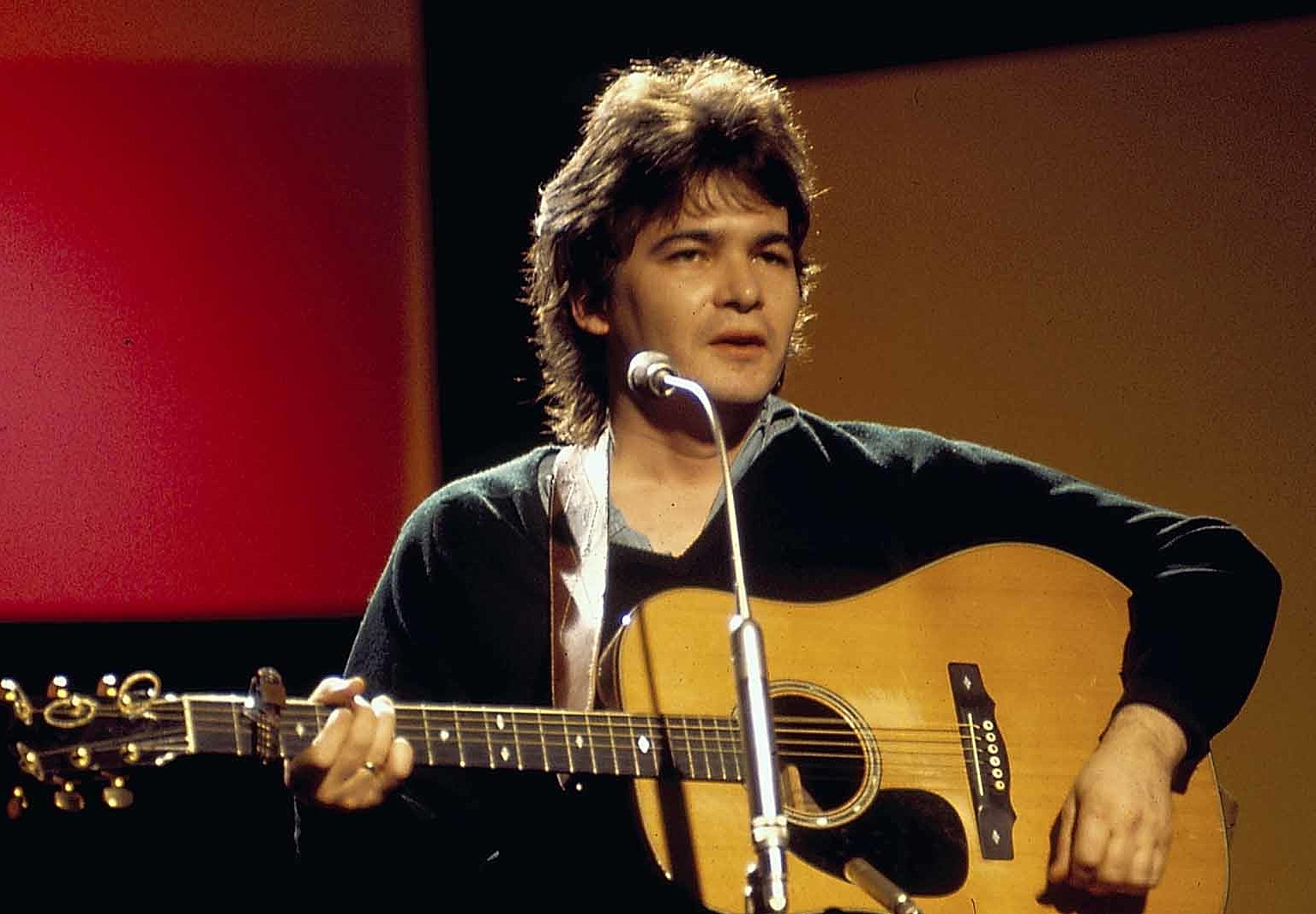
Few songwriters have ever captured everyday life with the honesty, humor, and heartbreak of John Prine. With a guitar in hand and a storyteller’s soul, Prine built a catalog filled with unforgettable characters, bittersweet reflections, and razor-sharp observations about love, loneliness, aging, and the beauty hidden inside ordinary moments. His songs could make listeners laugh one minute and quietly break their hearts the next, all without ever sounding forced or overly polished. From humble folk beginnings in Chicago coffeehouses to becoming one of the most respected lyricists in American music, Prine created timeless songs that continue to inspire generations of artists and fans alike. Whether tender, witty, or deeply emotional, these classics showcase the remarkable songwriting brilliance that made John Prine one of the most beloved voices in folk and Americana history.
1. Angel from Montgomery
Angel from Montgomery stands as one of John Prine’s most deeply loved songs because it turns plainspoken longing into something almost sacred. Written from the perspective of a woman trapped inside a life that has grown dull, tired, and emotionally starved, the song shows Prine’s astonishing gift for empathy. He was not simply describing sadness from the outside. He was stepping into another soul and letting that person speak with quiet dignity. The narrator’s wish to be an angel from Montgomery is not grand fantasy. It is a cry for escape, tenderness, and some proof that life can still surprise her. The melody moves gently, but the emotional weight is enormous. Every line feels weathered by years of disappointment, yet the song never becomes melodramatic. That balance is Prine’s genius. He lets sorrow breathe without forcing it to perform. Angel from Montgomery has become a folk standard because it feels both personal and universal. It speaks to anyone who has ever looked around at ordinary life and wondered where the dream went. Its popularity also grew through many unforgettable interpretations, yet Prine’s own version remains essential because his voice carries the humility, ache, and strange grace at the center of the song.
2. Sam Stone
Sam Stone is one of John Prine’s most devastating songs, a piece of writing so direct and compassionate that it still feels painfully alive decades after its release. The song tells the story of a soldier who returns home from war carrying wounds that nobody around him can fully understand. Prine does not turn Sam into a symbol or a slogan. He makes him a man. That is what gives the song its force. The domestic details, the quiet collapse, and the terrible toll of addiction are presented with the restraint of a writer who trusts the listener to feel the damage. The famous chorus is unforgettable because it expresses tragedy with haunting simplicity, showing how a family can be broken by forces that continue long after the battlefield is gone. Sam Stone became one of Prine’s defining songs because it joined social awareness with human intimacy. It was not protest music in the loudest sense. It was something sharper, sadder, and more enduring. Prine understood that the deepest political songs often begin at the kitchen table, inside a home where love is still present but helpless against pain. The song remains popular because it refuses to let suffering become abstract. It asks listeners to look closely, listen carefully, and remember the person behind the damage.
3. Paradise
Paradise is one of John Prine’s most beloved songs because it feels like a family memory, an environmental lament, and a country folk classic all at once. Written about the Kentucky town connected to Prine’s own family history, the song mourns a place damaged by coal mining while keeping the emotional tone warm, musical, and deeply human. What makes it so powerful is the way Prine frames loss through childhood memory. The listener does not receive a lecture. Instead, the listener hears about rivers, towns, fathers, and the ache of returning to find that something precious has been changed beyond repair. The chorus has the easy singalong quality of an old front porch standard, but beneath that charm is a serious grief. Paradise became a favorite among folk, bluegrass, and country musicians because it is simple enough to gather people together and deep enough to stay with them after the singing stops. Prine’s writing gives the land a human presence. The place is not scenery. It is inheritance. It is memory. It is home. That is why the song continues to resonate with listeners who may never have been to Kentucky but understand the pain of seeing a beloved place disappear under the machinery of progress.
4. Hello in There
Hello in There is one of John Prine’s most compassionate masterpieces, a song that looks at old age with a tenderness rarely found in popular music. Prine was remarkably young when he wrote it, which makes the depth of understanding even more striking. The song gives voice to older people who feel forgotten, people whose lives contain whole worlds of love, grief, memory, disappointment, and endurance, even if younger strangers pass them without a thought. Its greatness lies in its patience. Prine does not sentimentalize aging, but he also refuses to treat it as invisible. He notices the silence inside a house, the names from the past, the children who have moved away, and the ache of still being alive while much of one’s world has vanished. Hello in There remains one of his most popular songs because it turns a simple act of recognition into a profound moral statement. The phrase itself feels humble, almost childlike, yet it carries immense emotional power. Prine asks the listener to greet the humanity inside another person. That request is gentle, but it is not small. Few songs have made loneliness sound so quiet, so dignified, and so impossible to ignore.
5. Illegal Smile
Illegal Smile introduced many listeners to the mischievous side of John Prine, the writer who could make a sly joke feel like a philosophy of survival. The song has often been interpreted through a countercultural lens, but its charm goes beyond any single meaning. At heart, it is about finding a private pocket of joy when the world feels absurd, judgmental, or heavy. Prine’s narrator moves through everyday frustrations with a wink, carrying an inner amusement that no one else can fully control. The melody has a loose, conversational bounce, as though the song wandered into the room grinning and decided to stay. Illegal Smile became one of Prine’s signature numbers because it showed how funny he could be without sacrificing intelligence. His humor was never merely decorative. It revealed character, exposed hypocrisy, and made hard living feel momentarily lighter. The song also captures the early Prine persona beautifully. He sounds like a mailman poet, a neighborhood philosopher, a guy who has seen enough trouble to know that laughter is not a luxury. It is a tool. The popularity of Illegal Smile rests in that irresistible blend of wit, rebellion, and warmth. It is John Prine at his most playful, but still unmistakably wise.
6. In Spite of Ourselves
In Spite of Ourselves is John Prine’s gloriously imperfect love song, a duet that celebrates romance not as polished fantasy but as a funny, stubborn, lived in partnership between two deeply human people. Featuring Iris DeMent, the song became one of Prine’s most widely recognized later career favorites because it is frank, hilarious, affectionate, and strangely touching all at once. The couple in the song is not presented as idealized or elegant. They are odd, flawed, lusty, loyal, and completely believable. That is precisely why listeners adore it. Prine understood that real love often survives through quirks, bad habits, teasing, forgiveness, and shared ridiculousness. The vocal chemistry between Prine and DeMent adds enormous charm. His rough, amused delivery meets her bright Appalachian tone in a way that feels theatrical without becoming artificial. In Spite of Ourselves is popular because it gives people permission to see romance as something more durable than glamour. It is about two people who know each other’s weaknesses and choose each other anyway. Beneath the comedy is one of Prine’s sweetest ideas: love does not need perfection to be holy. Sometimes it is strongest when it has mud on its boots, laughter in its throat, and a long memory of staying put.
7. That’s the Way That the World Goes Round
That’s the Way That the World Goes Round is one of John Prine’s great comic wisdom songs, a bright and resilient tune that turns life’s humiliations into something almost joyful. The song captures Prine’s ability to sound casual while delivering lines packed with philosophical weight. Its famous image of being up one day and down the next has the feel of front porch advice, but the writing is far more artful than it first appears. Prine presents existence as a strange cycle of luck, trouble, recovery, confusion, and laughter. Rather than complain about the unfairness of it all, he shrugs with musical grace and invites the listener to keep moving. That’s the Way That the World Goes Round has remained popular because it gives people a chorus they can sing when life refuses to behave. There is comfort in its comic fatalism. The song does not deny pain, but it refuses to let pain have the final word. Prine’s vocal delivery makes the whole thing feel like a knowing smile from someone who has slipped on the ice himself and lived to tell the story. It is one of those songs that sounds simple until you realize how much emotional intelligence it takes to make hardship feel this light.
8. Lake Marie
Lake Marie is one of John Prine’s most mysterious and mesmerizing songs, a sprawling story that moves like memory itself. It begins with historical echoes, drifts into romance, shifts into menace, and somehow holds together through Prine’s uncanny sense of rhythm and voice. The song is beloved because it does not behave like a conventional folk narrative. It feels more like a movie remembered in fragments, with images arriving in flashes: lakes, names, love, violence, radio news, and barbecue. Prine’s repeated phrases create a hypnotic effect, making the listener feel as though the story is circling something too strange or painful to name directly. Lake Marie became a fan favorite partly because of its live power. Prine could stretch the drama, lean into the humor, and let the crowd feel every twist of its strange emotional weather. What makes the song remarkable is how it combines beauty and unease. The lake itself seems peaceful, but danger keeps flickering beneath the surface. Love and death occupy the same landscape. Ordinary details become ominous, then funny, then oddly beautiful. Few songwriters could hold those tones together without losing control. Prine does it with the confidence of a master storyteller, making Lake Marie one of the most distinctive songs in his catalog.
9. Summer’s End
Summer’s End is one of John Prine’s most moving late period songs, a tender ballad that feels like a hand reaching across distance, grief, and time. Released on The Tree of Forgiveness, it carries the softness of an elder songwriter who had lost none of his emotional precision. The song is simple on the surface, built around an invitation to come home, yet that simplicity opens into something vast. It can be heard as a family song, a recovery song, a song of mourning, or a song about the fragile hope that people can still find their way back to love. Prine’s aging voice gives it tremendous power. Every crack and grain seems to deepen the feeling rather than weaken it. Summer’s End became one of his most popular later songs because it speaks gently to people who are hurting. It does not shout encouragement. It leaves the porch light on. The melody is warm but sorrowful, and the lyrics contain the kind of plain beauty that made Prine beloved across generations. The song feels especially poignant because it arrived near the end of his life, but it should not be reduced to biography. It stands on its own as a quiet masterpiece about mercy, return, and the ache of wanting someone safe.
10. I Remember Everything
I Remember Everything carries a rare emotional gravity because it feels like John Prine saying goodbye without making a spectacle of farewell. The song is intimate, spare, and almost unbearably gentle, built around images of memory that seem ordinary until they begin to glow. Prine sings like a man taking inventory of a life, not in grand monuments, but in small sensations, places, faces, mistakes, pleasures, and traces of love. That was always one of his greatest gifts. He knew that a life is not only remembered through major events. It is remembered through rooms, weather, smells, jokes, regrets, and the way light falls on a moment after it has already passed. I Remember Everything became one of Prine’s most treasured final songs because it offers closure without neatness. There is sadness in it, certainly, but also gratitude and wonder. The arrangement leaves space around his voice, allowing every phrase to feel close and human. Nothing is overdecorated. Nothing needs to be. The song’s popularity comes from the sense that Prine is speaking directly to the listener, quietly and honestly, with the same humane brilliance that defined his career. It is a final chapter that sounds less like an ending than a soul remembering what mattered.

Edward Tomlin is a frequent contributor to Singers Room. Since 2005, Singersroom has been the voice of R&B around the world. Connect with us via social media below.