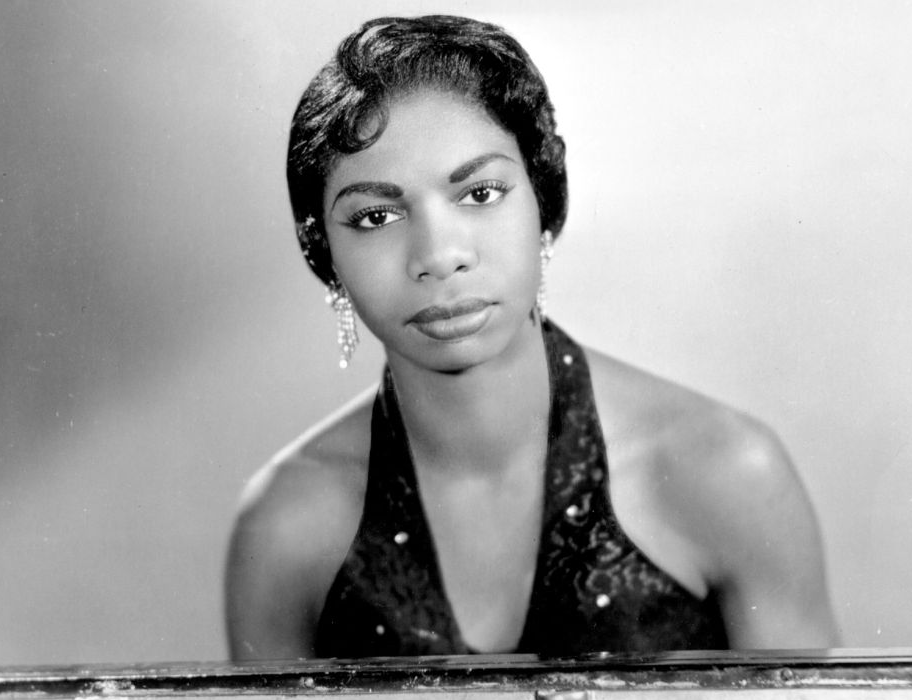
Few artists in music history possessed the emotional power, fearless artistry, and commanding presence of Nina Simone. Blending jazz, blues, soul, gospel, folk, and classical influences into a style entirely her own, Simone created songs that could comfort, challenge, inspire, and devastate within the span of a single performance. Her voice carried unmatched intensity, capable of sounding tender and vulnerable one moment, then thunderous and defiant the next. Beyond her extraordinary musical talent, Nina Simone became a cultural force whose recordings reflected both personal pain and social truth. From haunting ballads to fiery civil rights anthems, her catalog remains one of the most emotionally rich and influential bodies of work ever recorded. Decades after her rise to prominence, her music still resonates deeply with listeners around the world. These unforgettable songs showcase the brilliance, courage, and timeless artistry that made Nina Simone a true legend.
1. Feeling Good
“Feeling Good” stands as one of Nina Simone’s most recognizable performances, a recording that transforms a theatrical song into a declaration of personal liberation. The opening is almost stark, with Simone’s voice entering alone and commanding immediate attention. She does not simply sing the words. She inhabits them with the authority of someone stepping into a new life. When the brass and rhythm section arrive, the song expands into something bold, elegant, and unmistakably triumphant.
What makes “Feeling Good” so powerful is the way Simone balances grandeur with intimacy. The lyric celebrates birds, sun, breeze, and freedom, yet in her hands those images become more than poetic scenery. They sound like evidence of survival. Her phrasing is patient and deliberate, allowing each line to land with emotional weight. The arrangement has a cinematic sweep, but Simone never disappears inside it. She remains the center of gravity, shaping the performance with control, sensuality, and quiet danger. “Feeling Good” became a signature song because it captures one of the core truths of her artistry: joy can be fierce, freedom can be hard earned, and a great singer can make renewal sound like revolution.
2. Sinnerman
“Sinnerman” is one of Nina Simone’s most electrifying recordings, a towering spiritual performance that feels like pursuit, judgment, and revelation all happening at once. Stretching across an epic running time, the song builds through relentless piano, handclaps, percussion, and Simone’s commanding voice. It does not behave like a conventional popular song. Instead, it moves like a ritual, gathering speed and force until the listener feels swept into its urgent moral landscape.
The brilliance of “Sinnerman” lies in its momentum. Simone repeats phrases not as simple hooks, but as incantations. The question of where the sinner will run becomes more intense with each return, pressing against the body as much as the mind. Her classical training, gospel roots, and jazz instinct merge into a performance that is both disciplined and wild. The band follows her with extraordinary focus, creating a groove that feels unstoppable. As the song unfolds, it becomes clear that escape is impossible, not because of external punishment alone, but because conscience itself has become the pursuer. “Sinnerman” remains one of her most popular and widely used recordings because it carries unmatched dramatic force. It is danceable, terrifying, spiritual, and hypnotic, a masterpiece that turns ancient fear into modern musical fire.
3. I Put A Spell On You
“I Put A Spell On You” is one of Nina Simone’s most magnetic performances, a song that turns obsession, desire, and command into a slow burning dramatic experience. Originally known through Screamin’ Jay Hawkins, the composition already had a wild theatrical reputation, but Simone reshaped it into something more elegant, dangerous, and psychologically complex. Her version does not rely on shock. It relies on control. Every phrase sounds measured, as if she is drawing the listener closer before revealing the full force of the feeling underneath.
The arrangement gives Simone space to create atmosphere. The horns, piano, and rhythm section move with smoky sophistication, but the real spell is in her voice. She sings with a mixture of tenderness and threat, making it difficult to tell whether the narrator is pleading, warning, or claiming power. That ambiguity gives the performance its enduring fascination. “I Put A Spell On You” is romantic, but not soft. It is passionate, but never careless. Simone’s gift was her ability to hold contradictions in a single note, and this song is one of the clearest examples of that gift. “I Put A Spell On You” remains unforgettable because it sounds less like a love song than an act of emotional sorcery.
4. My Baby Just Cares For Me
“My Baby Just Cares For Me” shows Nina Simone at her most stylish, playful, and effortlessly sophisticated. The song swings with a lightness that makes it instantly charming, yet beneath that easy surface is an astonishing level of musicianship. Simone’s piano work is crisp, witty, and full of personality, while her vocal delivery carries a cool confidence that turns the lyric into a portrait of romantic satisfaction without vanity. She sounds amused, adored, and completely in command.
What makes “My Baby Just Cares For Me” so enduring is its combination of accessibility and elegance. The melody is bright and memorable, but Simone never treats it as a simple novelty. She phrases with jazz intelligence, slightly bending time and tone to keep the performance alive. Her voice has warmth, but also a dry humor that gives the song its sparkle. The recording gained renewed popularity decades after its original release, proving how timeless its charm really is. It fits cocktail lounges, jazz collections, film soundtracks, and casual playlists because it carries a universal sense of delight. “My Baby Just Cares For Me” remains beloved because it captures Simone’s lighter touch without diminishing her depth. It is graceful, clever, romantic, and unmistakably hers.
5. Mississippi Goddam
“Mississippi Goddam” is one of Nina Simone’s most courageous and historically important songs, a blistering response to racial violence and injustice in America. The song opens with a lively, almost show tune like piano figure, but that brightness quickly becomes part of its radical force. Simone uses musical charm as a weapon, drawing listeners in before confronting them with anger, grief, and truth. The contrast between the upbeat tempo and the seriousness of the message makes the performance even more devastating.
What separates “Mississippi Goddam” from many protest songs is its immediacy. Simone does not speak from a safe distance. She sounds furious, wounded, impatient, and morally clear. Her delivery is sharp and controlled, but the emotion is unmistakable. Every line carries the weight of lived reality and collective exhaustion. The song refuses politeness, refuses delay, and refuses the comfort of gradual change. That urgency made it controversial, but it also made it essential. “Mississippi Goddam” remains one of Simone’s defining works because it captures the role she believed an artist must play in a violent society. It is not background music. It is testimony. It is confrontation. It is a demand for justice delivered with musical brilliance and fearless human conviction.
6. Don’t Let Me Be Misunderstood
“Don’t Let Me Be Misunderstood” is one of Nina Simone’s most emotionally revealing performances, a song that turns vulnerability into quiet strength. The lyric asks for compassion from someone who has seen only the difficult edges of a complicated person. In Simone’s hands, that request becomes deeply human. She does not sound like someone making excuses. She sounds like someone asking to be seen fully, with flaws, pain, pride, and tenderness all intact.
The arrangement is restrained enough to let the emotional message breathe. Simone’s voice carries a remarkable mixture of dignity and fragility, moving through the melody with a controlled intensity that makes each phrase feel personal. She understood how to communicate inner conflict without overstatement. A line that might seem simple in another performance becomes layered with history and self knowledge when she sings it. “Don’t Let Me Be Misunderstood” later became famous in other versions, but Simone’s reading remains uniquely profound because it feels less like a pop confession and more like a portrait of the artist herself. “Don’t Let Me Be Misunderstood” endures because its central plea is universal. Everyone has felt misread. Simone gave that feeling a voice of extraordinary grace, intelligence, and emotional honesty.
7. I Loves You Porgy
“I Loves You Porgy” was the song that first brought Nina Simone major national attention, and it remains one of the most tender performances in her catalog. Drawn from Porgy and Bess, the song gives Simone a character shaped by fear, longing, dependency, and love. Rather than treating it as a polished theater piece, she turns it into something intimate and deeply fragile. Her voice is quiet, careful, and full of emotional shadow.
The performance is remarkable because of what Simone chooses not to do. She does not overwhelm the song with vocal display. She lets the feeling sit close to the microphone, almost as if the listener is overhearing a private plea. Her classical discipline gives the phrasing elegance, while her blues sensibility gives it ache. The piano accompaniment supports the mood with delicacy, allowing silence and space to become part of the emotional language. “I Loves You Porgy” reveals the young Simone as an artist already capable of extraordinary depth. She could take a familiar composition and make it feel newly vulnerable, newly alive. “I Loves You Porgy” remains popular because it captures the rare beauty of restraint. It is sorrowful, intimate, and quietly devastating, a performance where every small vocal movement carries enormous feeling.
8. To Be Young, Gifted And Black
“To Be Young, Gifted And Black” is one of Nina Simone’s most uplifting and culturally significant songs, a proud anthem of identity, promise, and self recognition. Inspired by Lorraine Hansberry, the song speaks directly to Black youth with affirmation and purpose. Simone’s performance carries warmth, dignity, and a sense of mission. She is not merely entertaining. She is encouraging, teaching, and celebrating through music.
The power of “To Be Young, Gifted And Black” lies in its directness. The message is clear, but it never feels ordinary because Simone gives it emotional authority. Her voice carries both tenderness and command, making the song feel like a blessing passed from one generation to another. The melody has a graceful simplicity that allows the words to shine, while the arrangement supports the spirit of collective pride. In a career filled with protest, pain, and confrontation, this song stands as one of her great statements of hope. It does not deny struggle. It insists that beauty, intelligence, and possibility exist within and beyond that struggle. “To Be Young, Gifted And Black” remains essential because it gave listeners language for pride at a moment when such affirmation was urgently needed, and its message continues to resonate with power and grace.
9. Ain’t Got No, I Got Life
“Ain’t Got No, I Got Life” is one of Nina Simone’s most exhilarating performances, a song that moves from deprivation into defiant self possession. Adapted from material associated with the musical Hair, Simone transforms it into something unmistakably her own. The first section lists what is missing, creating a stark inventory of absence. Then the song shifts, and the energy changes completely. What begins as loss becomes a celebration of the body, the self, and the will to live.
Simone’s performance is electric because she understands the dramatic turn at the heart of the song. She does not simply brighten the mood. She makes the arrival of self affirmation feel earned. Her voice gathers force as she names what remains, turning each part of the body into proof of existence and resistance. The rhythm becomes joyous, but the joy is not shallow. It is rooted in survival. “Ain’t Got No, I Got Life” became one of Simone’s most popular songs because it speaks to people who have been stripped of comfort, status, or certainty and still find power in being alive. “Ain’t Got No, I Got Life” remains thrilling because it captures the moment when a person refuses to be defined by what has been taken away.
10. Four Women
“Four Women” is one of Nina Simone’s most powerful narrative songs, a work that compresses generations of racial history, gendered pain, and identity into four unforgettable portraits. Each woman in the song carries a different story, shaped by violence, colorism, labor, survival, and rage. Simone does not present them as symbols without flesh. She gives each one a voice, a name, and an emotional atmosphere. The result is a song that feels both intimate and historical.
Musically, “Four Women” is built with remarkable restraint. The arrangement allows Simone’s storytelling to dominate, while the repeated musical structure creates a sense of accumulating pressure. As each character appears, the song becomes heavier, deeper, and more unsettling. Simone’s vocal performance is extraordinary because she changes emotional temperature without resorting to theatrical excess. She understands the dignity of each woman and the pain behind each self description. By the final portrait, the song erupts into a fierce declaration that feels like the release of generations of suppressed anger. “Four Women” remains essential because it shows Simone as composer, historian, dramatist, and truth teller. It is not simply one of her most popular songs. It is one of her most profound artistic statements, a work that still demands close listening and serious reflection.

Samuel Moore is a frequent contributor to Singers Room. Since 2005, Singersroom has been the voice of R&B around the world. Connect with us via social media below.