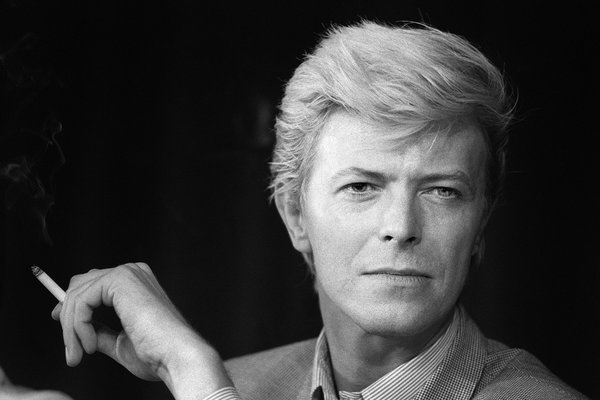
Few artists have reinvented music, image, and identity as boldly as David Bowie. With a career that constantly defied expectation, Bowie transformed rock into a canvas for storytelling, experimentation, and fearless self expression. His songs move effortlessly between glam, soul, electronic, and art rock, each era unveiling a new persona and a new sonic landscape. Yet beneath the ever shifting surface lies a singular voice, one capable of capturing alienation, desire, wonder, and transformation with striking clarity. Whether crafting cinematic epics or intimate reflections, Bowie turned music into theater and emotion into spectacle, leaving behind a catalog that continues to inspire and challenge listeners across generations.
1. Space Oddity
“Space Oddity” is the David Bowie song that first made the world understand he was not simply another singer with a guitar, but a creator of entire emotional universes. Built around the story of Major Tom drifting beyond Earth, the song turns science fiction into a deeply human meditation on isolation, wonder, fame, and disconnection. Bowie’s vocal performance is beautifully controlled, moving from calm communication to eerie detachment as the astronaut’s fate becomes less certain. The arrangement grows with cinematic patience, using acoustic textures, orchestral lift, and strange studio atmosphere to create the sensation of leaving ordinary life behind. What makes “Space Oddity” so enduring is that it works as both narrative and metaphor. Major Tom can be read as an explorer, a casualty, a dreamer, or an artist cut loose from the world that made him. Bowie sings the song with enough mystery to keep every interpretation alive. Its popularity comes from that haunting combination of melody and myth. The chorus feels weightless, the story feels unforgettable, and the emotional center remains strangely intimate. It is a song about outer space that ultimately reveals the loneliness of being human.
2. Heroes
“Heroes” is one of David Bowie’s most powerful and emotionally expansive songs, a recording that turns a fleeting moment of courage into something monumental. The song does not present heroism as grand conquest or flawless bravery. Instead, it finds transcendence in two people standing together against impossible pressure, choosing connection even when the world around them feels divided and dangerous. Bowie’s vocal is extraordinary because it grows in intensity as the song progresses. He begins with restraint, almost conversationally, then rises into a cry that feels torn from the deepest part of the spirit. The production has a shimmering, atmospheric force, with guitars and electronics creating a vast emotional landscape around him. “Heroes” became popular because it speaks to the human need for one shining moment of defiance. Its message is not naive. The phrase about being heroes just for one day carries both hope and sadness, acknowledging that triumph may be temporary while insisting that it still matters. Bowie makes that temporary victory feel eternal. The song remains a cornerstone of his legacy because it captures love, resistance, fragility, and grandeur in one unforgettable surge of sound.
3. Life on Mars?
“Life on Mars?” is one of David Bowie’s most dazzling compositions, a song that feels like cinema, cabaret, satire, and dream logic colliding in brilliant color. The piano opening has a poised, theatrical elegance, immediately drawing the listener into a world that seems familiar and surreal at the same time. Bowie’s vocal performance is magnificent, full of drama but never empty display. He sings with curiosity, frustration, and wonder, giving the lyric the feeling of someone searching for meaning inside a culture overloaded with images. The words move like fragments from television, movies, politics, and private disillusionment, creating a portrait of modern life as both absurd and mesmerizing. “Life on Mars?” became one of Bowie’s most loved songs because it refuses to flatten itself into one simple explanation. It can feel like a question, a protest, a fantasy, or a cry from someone who wants reality to be stranger and more beautiful than it is. The orchestral arrangement lifts the song into grandeur, while Bowie’s voice keeps it emotionally grounded. Few pop songs are this ambitious while still being so melodically unforgettable. It remains a masterpiece of imaginative songwriting, full of mystery, elegance, and emotional force.
4. Starman
“Starman” is one of David Bowie’s most magical songs, a radiant glam rock transmission that sounds like hope arriving from another world. The song is central to the mythology of Ziggy Stardust, but its appeal reaches far beyond that concept. It captures the thrill of hearing something on the radio that seems to speak directly to outsiders, dreamers, and young people waiting for permission to become themselves. Bowie’s vocal is warm, theatrical, and gently uncanny, as though he is both messenger and message. The melody has a lifting quality that makes the chorus feel like a door opening in the sky. “Starman” became popular because it transforms alien visitation into emotional liberation. The figure in the song is not a monster or conqueror, but a strange savior bringing music, possibility, and permission to dance. The arrangement sparkles with acoustic strum, electric color, and pop immediacy, yet beneath the brightness is one of Bowie’s deepest themes: the power of art to reach the lonely and make them feel chosen. The song remains beloved because it makes difference sound beautiful. It is glam rock as invitation, a promise that somewhere above the ordinary world, something extraordinary is waiting.
5. Let’s Dance
“Let’s Dance” is David Bowie’s great global pop statement, a sleek, rhythmic, and irresistible song that brought him to a massive eighties audience without erasing his intelligence or sense of style. Produced with a bright, polished sheen, the track fuses dance pop, rock guitar, soul, and sharp rhythmic precision into one of the most recognizable records of his career. Bowie’s vocal is cool and commanding, delivering the invitation to dance with a mixture of elegance and hidden tension. The song sounds celebratory, yet there is a shadow beneath its surface, a sense that dancing may be escape, seduction, or even survival. Stevie Ray Vaughan’s guitar adds a striking blues fire, giving the polished production an earthy, expressive edge. “Let’s Dance” became one of Bowie’s most popular songs because it works instantly on the body while still leaving room for interpretation. Its groove is direct, its chorus is unforgettable, and its atmosphere is far more layered than a simple party record. Bowie understood that dance music could be glamorous and meaningful at once. This song remains iconic because it captures him at the point where art rock sophistication met worldwide pop power, and the result was thrilling.
6. Changes
“Changes” is one of David Bowie’s most defining songs because it turns reinvention itself into a musical philosophy. Long before constant transformation became the central legend of his career, this track announced an artist fascinated by movement, identity, youth, and the refusal to remain fixed. The piano gives the song a bright, theatrical bounce, while Bowie’s vocal combines wit, vulnerability, and self awareness. He sounds both amused and serious, recognizing that change can be liberating, confusing, necessary, and frightening all at once. The famous chorus became a cultural shorthand for transformation, but the entire song is full of sharp observation. It addresses generational tension, personal evolution, and the instability of image with remarkable clarity. “Changes” became popular not simply because it is catchy, but because it explains Bowie without reducing him. The song feels like a manifesto delivered with a wink, a warning, and a melody strong enough to survive every era. It is playful on the surface, yet deeply revealing underneath. Bowie understood that identity could be art, and that growth often requires discomfort. This recording remains one of his essential works because it captures the thrill and unease of becoming someone new.
7. Rebel Rebel
“Rebel Rebel” is David Bowie at his most swaggering, playful, and gloriously electric. Built around one of his most famous guitar riffs, the song has the loose, dirty thrill of classic rock and roll while still carrying Bowie’s unmistakable sense of gender play and theatrical provocation. The lyric celebrates a figure who refuses easy classification, someone whose clothes, attitude, and desires disturb conventional expectations. Bowie sings with delight rather than judgment, turning rebellion into style, movement, and irresistible charm. The track feels raw compared with some of his more polished or conceptual work, but that rawness is part of its appeal. The riff circles with joyous insistence, giving the song a street level energy that makes it instantly memorable. “Rebel Rebel” became popular because it captures Bowie’s gift for making outsiders sound glamorous. It is not only a rock anthem. It is a celebration of self invention, sexual ambiguity, and the thrill of being too vivid to be contained. The vocal performance is full of knowing amusement, as if Bowie understands that rebellion can be serious and fun at the same time. Few songs make defiance sound this catchy, stylish, and alive.
8. Ziggy Stardust
“Ziggy Stardust” is one of David Bowie’s most iconic character songs, a compact piece of rock mythology that tells the rise and fall of a dazzling alien star with unforgettable economy. The guitar figure immediately sets a mood of glam electricity, while Bowie’s vocal delivers the story with affection, irony, and a hint of sadness. Ziggy is presented as magnetic and doomed, a figure of beauty, ego, talent, and destruction. What makes the song so brilliant is how much world building Bowie accomplishes in such a concise form. The listener can see the band, the crowds, the image, the fame, and the collapse, all through carefully chosen details. “Ziggy Stardust” became popular because it transformed rock stardom into myth while also exposing its dangers. Bowie sings about Ziggy as though describing both a creation and a warning. The performance has swagger, but there is melancholy beneath it, especially in the sense that charisma can become a trap. The song’s power lies in its layered identity. It is a portrait of a fictional figure, a reflection on Bowie’s own theatrical ambitions, and a broader statement about fame’s appetite. It remains essential because Ziggy still feels alive, strange, brilliant, and tragically human.
9. Ashes to Ashes
“Ashes to Ashes” is one of David Bowie’s most fascinating and self reflective songs, a strange, elegant, and unsettling return to the Major Tom mythology. Where “Space Oddity” floated with cosmic mystery, this track looks back with darker knowledge. The sound is unlike anything else in mainstream pop of its moment, filled with unusual textures, ghostly melody, and a rhythm that seems to move slightly sideways. Bowie’s vocal is both cool and troubled, delivering lines that feel like confession, commentary, and coded autobiography. The song’s brilliance lies in how it turns memory into something unstable. Major Tom is no longer simply a drifting astronaut. He becomes a symbol of escape, addiction, fame, failure, and the lingering ghosts of an earlier self. “Ashes to Ashes” became popular because it was visually striking, musically inventive, and emotionally mysterious. It feels polished yet haunted, catchy yet deeply strange. Bowie uses the song to revisit his own past while refusing nostalgia. Instead of offering comfort, he transforms familiar imagery into a new puzzle. The result is one of his greatest recordings, a pop single that feels like a dream, a warning, and a mirror held up to artistic reinvention.
10. Modern Love
“Modern Love” is one of David Bowie’s most energetic and infectious pop songs, a bright burst of rhythm that hides a more complicated emotional engine beneath its glossy surface. The track moves with joyful speed, driven by pounding piano, crisp drums, and a chorus that feels built for motion. Bowie’s vocal is lively and charismatic, full of bounce, wit, and polished confidence. Yet the lyric is not simply a celebration of romance. It circles around uncertainty, faith, anxiety, and the strange emptiness that can exist inside modern relationships. That contrast gives the song its lasting appeal. “Modern Love” sounds like liberation, but it also asks whether love in a fast, restless world can still provide meaning. Bowie delivers that question through one of his most accessible arrangements, proving once again that he could smuggle complexity into unforgettable pop. The song became popular because it is immediate, danceable, and full of life, but repeated listening reveals its clever emotional tension. It captures the eighties with style while remaining broader than its decade. Bowie sounds like a man running toward pleasure while still thinking about doubt, and that mixture makes the song far richer than a simple feel good hit.

Edward Tomlin is a frequent contributor to Singers Room. Since 2005, Singersroom has been the voice of R&B around the world. Connect with us via social media below.