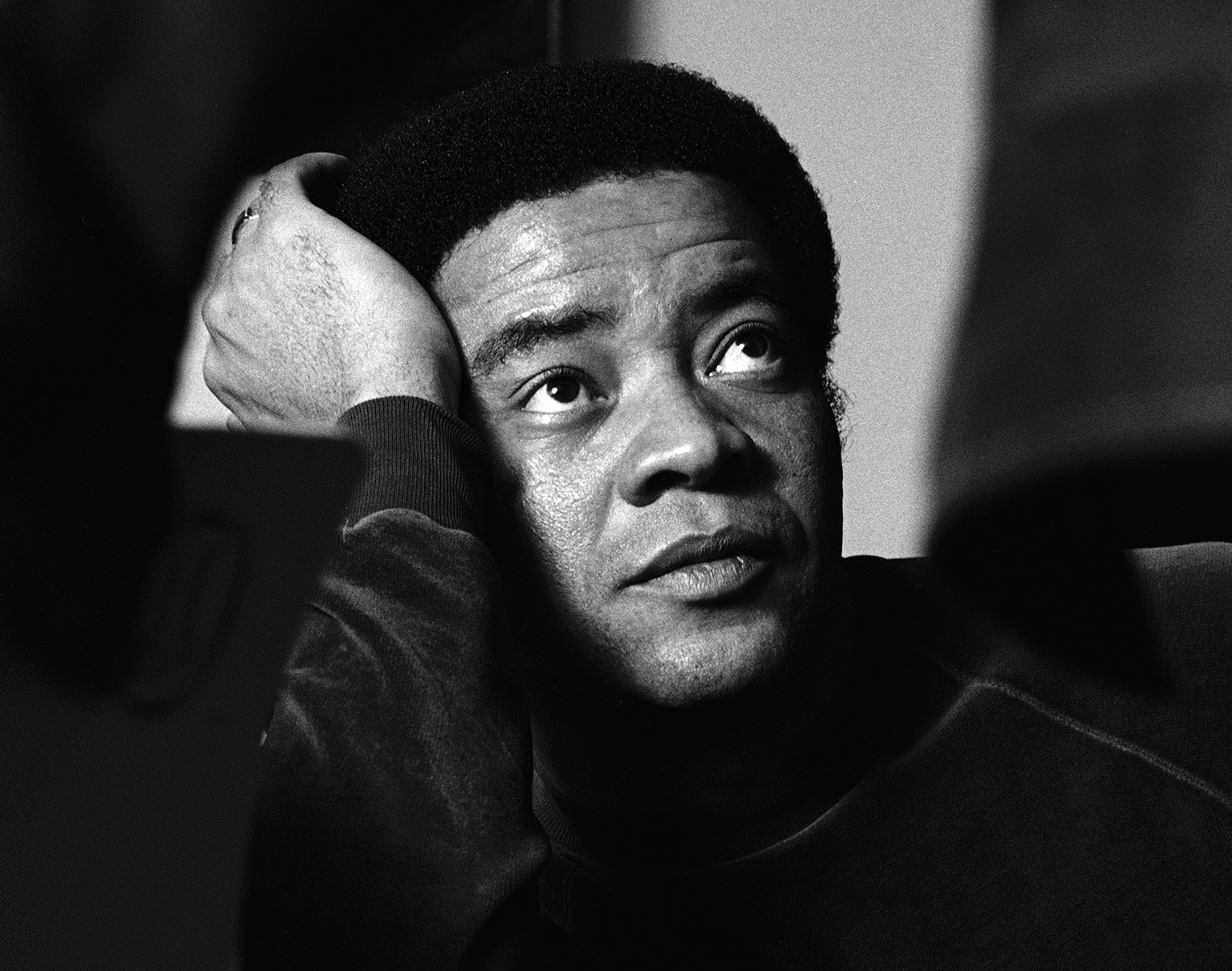
With a voice full of warmth, wisdom, and quiet honesty, Bill Withers created some of the most timeless soul songs ever recorded. Unlike many performers who relied on flashy production or larger than life personas, Withers connected with listeners through simplicity, emotional truth, and an extraordinary ability to capture everyday human experiences. His music could feel comforting, heartbreaking, uplifting, and deeply personal all at once. Whether singing about friendship, loneliness, love, resilience, or social struggle, he brought an authenticity that made every lyric feel lived rather than performed. Blending soul, folk, R&B, and gospel influences into a style uniquely his own, Withers built a catalog filled with unforgettable melodies and universally relatable songs. Decades after their release, his greatest recordings continue to resonate across generations, proving that honest storytelling and genuine emotion never go out of style.
1. Lean on Me
Lean on Me is one of the most beloved soul songs ever recorded because it turns a simple promise of friendship into something almost universal. Bill Withers wrote and sang with the plainspoken wisdom of someone who understood ordinary people, and this song may be the clearest expression of that gift. There is no unnecessary drama in the arrangement. The piano chords move with steady, hymn like dignity, while Withers delivers the lyric with a calm sincerity that makes every word feel trustworthy. He does not sound like a star performing compassion. He sounds like a neighbor, a brother, a friend, and a fellow traveler offering help because he knows everyone eventually needs it.
Lean on Me became a timeless anthem because its message is direct without being shallow. The song acknowledges pain, weakness, and sorrow, but it never leaves the listener there. It insists that human connection is not sentimental decoration. It is survival. Withers’ voice carries warmth and moral clarity, allowing the song to work in churches, schools, memorials, celebrations, and private moments of hardship. Few recordings have crossed generations so naturally. Its greatness lies in the way it makes kindness sound strong, practical, and necessary. That is why it remains one of Bill Withers’ defining masterpieces.
2. Ain’t No Sunshine
Ain’t No Sunshine is the song that introduced Bill Withers as a master of emotional economy. In just a few minutes, he created one of the most haunting portraits of absence in modern soul music. The lyric is famously simple, but its simplicity is the source of its power. Withers does not need elaborate imagery to explain loneliness. He only needs the repeated feeling that the world loses its light when someone is gone. His vocal performance is intimate and restrained, almost as if he is singing to himself in an empty room. That quietness makes the pain feel more real.
Ain’t No Sunshine remains so powerful because every musical choice serves the mood. The groove is spare, the strings are mournful, and Withers’ voice carries a weary ache that never becomes theatrical. The famous repeated phrase in the middle section feels less like a hook than a mind caught in a loop of grief. It is the sound of someone knowing the truth and being unable to escape it. The song’s popularity has endured because it captures romantic absence with unforgettable precision. Listeners do not have to know the details of the relationship to feel the loss. Withers leaves space around the emotion, and that space allows the listener’s own memories to enter. It is soul music at its most beautifully distilled.
3. Lovely Day
Lovely Day is one of Bill Withers’ most radiant recordings, a song that turns gratitude and affection into pure musical sunlight. The track begins with a relaxed groove that immediately feels calm, confident, and warm. Withers’ voice enters with conversational ease, as though he is describing a morning transformed by the presence of someone he loves. What makes the song special is that it does not force happiness. It lets joy unfold naturally. The rhythm is smooth, the melody is inviting, and the arrangement feels spacious enough to breathe. It is optimistic without being sugary, uplifting without sounding manufactured.
Lovely Day became a classic because it captures a feeling everyone wants to recognize: the moment when love makes the ordinary world easier to face. Withers sings as if the day itself improves because one person exists in it. His famous sustained vocal note has become legendary, not simply because it is impressive, but because it feels like the emotional peak of the song stretching toward the sky. The record is a masterclass in controlled warmth. It is soulful, polished, and deeply human. Decades after its release, it still works as morning music, celebration music, comfort music, and proof that joy can be expressed with elegance. Bill Withers understood that a positive song does not need to be loud to be powerful. Sometimes it only needs honesty, groove, and light.
4. Just the Two of Us
Just the Two of Us is one of Bill Withers’ most recognizable collaborations, pairing his unmistakable vocal warmth with the smooth jazz sophistication of Grover Washington Jr. The song glides rather than rushes, creating an atmosphere of intimacy, elegance, and quiet devotion. Withers’ contribution is essential because his voice keeps the record from becoming merely polished background music. He brings emotional weight to the melody, making the lyric feel like a genuine promise rather than a decorative romantic phrase. His delivery is relaxed, but every line carries intention. He sings as someone who believes love must be nurtured patiently, like something living.
Just the Two of Us became a major favorite because it blends soul, jazz, and pop with remarkable ease. The groove is smooth and urbane, the saxophone lines add sophistication, and Withers’ vocal gives the track its heart. The song’s imagery of building castles and making love grow has a gentle optimism that has helped it endure across generations. It feels romantic without being overly dramatic, stylish without feeling cold. Withers had a rare ability to make even a refined studio production sound personal and grounded. That is why this track remains beloved at weddings, on classic radio, and in countless playlists built around romance and nostalgia. It is not just a smooth love song. It is a beautifully crafted statement about partnership, patience, and the private world two people can create together.
5. Use Me
Use Me is one of Bill Withers’ funkiest and most psychologically fascinating songs, a groove driven classic about desire, pride, and the complicated pleasures of a relationship that outsiders do not understand. The track is built on a tight, hypnotic rhythm that feels almost impossible to resist. Withers sings with sly confidence, presenting a narrator who knows people are warning him about being taken advantage of, yet refuses to see himself as a victim. That tension gives the song its spark. Is he being used, or is he choosing the arrangement because it gives him something he wants? Withers leaves that question deliciously alive.
Use Me became a standout because it combines humor, sensuality, and emotional ambiguity inside a brilliant funk pocket. The clavinet style groove is lean and infectious, giving the song a muscular pulse that never lets up. Withers’ vocal phrasing is conversational but rhythmically sharp, sliding through the beat with a mixture of irritation and satisfaction. He sounds amused by the advice he receives and fully aware of his own contradictions. That human complexity makes the song feel modern even decades later. It is not a simple love song, and it is not a simple complaint. It is about appetite, ego, dependency, and pleasure, all wrapped in one of the most irresistible grooves of the 1970s. Withers proves here that soul music can be wise, funny, funky, and deeply adult all at once.
6. Grandma’s Hands
Grandma’s Hands is one of Bill Withers’ most tender and personal songs, a moving tribute to family memory, spiritual guidance, and the quiet strength of a grandmother’s love. The song is remarkable because it builds an entire emotional world from a single image. Those hands become symbols of protection, discipline, prayer, comfort, and wisdom. Withers sings with deep affection, but he avoids sentimentality by grounding the song in concrete details. The listener can almost see the hands clapping in church, offering warning, soothing pain, and shaping a child’s understanding of the world. That specificity gives the song its lasting emotional power.
Grandma’s Hands remains beloved because it honors the kind of love that often works quietly in the background of a life. The arrangement is spare and rhythmic, allowing the handclap feel and vocal phrasing to create a sense of intimacy. Withers does not perform the song as a grand eulogy. He sings it like memory itself, warm, reverent, and touched by loss. His voice carries gratitude for someone whose influence remains present even after she is gone. The song speaks especially strongly to listeners who understand the role of elders in family and community life, particularly those whose love was practical, spiritual, and steady. Withers turns that memory into art without overdecorating it. The result is one of his most beautiful recordings, intimate enough to feel personal and universal enough to belong to everyone.
7. Who Is He And What Is He to You
Who Is He And What Is He to You is one of Bill Withers’ most gripping songs because it turns suspicion into a slow burning soul drama. The groove is dark, tense, and quietly funky, creating the perfect setting for a narrator who notices a look between his partner and another man. Withers does not sing the song with explosive jealousy. Instead, he keeps his voice controlled, almost conversational, which makes the tension even stronger. The listener can feel the narrator putting pieces together in real time, trying to remain calm while a painful possibility begins to form. That restraint is what makes the performance so compelling.
Who Is He And What Is He to You stands out because it captures the psychology of doubt with remarkable precision. The song is not about confirmed betrayal. It is about the dangerous space before certainty, when a glance or gesture can disturb an entire relationship. Withers’ phrasing is sharp and observant, giving each line a suspicious edge without turning the narrator into a caricature. The arrangement supports that mood beautifully, with a groove that feels watchful and uneasy. It is soul music with the instincts of a detective story. Every detail seems to matter. The track has remained a favorite among serious Withers fans because it proves how dramatically he could use minimal elements. A few chords, a tight rhythm, and one loaded question become enough to create a complete emotional scene.
8. Kissing My Love
Kissing My Love is Bill Withers at his most joyful and rhythmically infectious, a song that celebrates desire with a groove so deep it practically moves on its own. The track opens with a sense of physical excitement, driven by crisp percussion, funky guitar work, and Withers’ relaxed but unmistakably energized vocal. Unlike his more reflective ballads, this song lives in the body. It captures the thrill of affection as something immediate, playful, and full of life. Withers sings with a smile in his voice, making the performance feel spontaneous and completely unforced.
Kissing My Love has remained a favorite because it shows how naturally Withers could inhabit funk without losing his signature plainspoken humanity. The song is sensual, but not slick in a hollow way. It feels grounded, warm, and personal. The rhythm section is essential, creating a tight pocket that lets Withers ride the groove with effortless authority. His phrasing is conversational, yet every line lands with musical precision. The song’s charm comes from its lack of pretension. It is about the happiness of kissing someone you love, and Withers makes that simple pleasure sound like a complete emotional event. Many artists try to manufacture feel good energy, but this recording has the real thing. It is loose, confident, and deeply musical, proving that Bill Withers could make joy feel every bit as honest as heartbreak.
9. Hope She’ll Be Happier
Hope She’ll Be Happier is one of Bill Withers’ most heartbreaking recordings, a song that explores romantic loss with extraordinary maturity and restraint. The narrator has been left behind, yet instead of lashing out, he offers a painful blessing: the hope that the person he loves will be happier with someone else. That emotional posture is devastating because it contains both generosity and defeat. Withers sings with aching quietness, allowing the sadness to settle into every phrase. There is no need for dramatic vocal excess. The hurt is already immense, and his restraint makes it feel even deeper.
Hope She’ll Be Happier stands as one of Withers’ finest ballads because it understands the dignity of sorrow. The arrangement is sparse and shadowed, giving the vocal room to exist almost naked before the listener. Every pause matters. Every note feels weighed down by acceptance. The song’s power comes from the contradiction at its center. To genuinely wish happiness for someone who has broken your heart requires a kind of love that has moved beyond possession, yet that does not make the pain any easier. Withers captures that complex emotional state with rare honesty. He does not romanticize suffering, and he does not turn heartbreak into bitterness. Instead, he gives voice to the lonely grace of letting go. It remains a deeply affecting song because it speaks to anyone who has ever loved someone enough to release them, even while still hurting.
10. I Can’t Write Left Handed
I Can’t Write Left Handed is one of Bill Withers’ most powerful and socially conscious performances, a haunting song that gives voice to the physical and emotional wreckage of war. Told from the perspective of a wounded soldier, the song avoids slogans and instead focuses on the intimate consequences of violence. The title detail is devastating because it is so specific. The soldier cannot write with his damaged hand, and that small fact opens into a larger portrait of pain, disillusionment, and altered life. Withers sings with solemn gravity, allowing the story to unfold slowly, almost like testimony.
I Can’t Write Left Handed is remarkable because it demonstrates Withers’ ability to combine political awareness with human compassion. He does not lecture the listener. He introduces a person, a body, a voice, and a wound. The live performance adds even more weight, as Withers stretches the song into a meditative space where every phrase feels deliberate. His vocal is controlled but deeply emotional, carrying anger, sadness, and empathy without collapsing into melodrama. The song’s popularity among devoted fans comes from its courage and craft. It asks listeners to consider the cost of war not through statistics, but through the changed life of one young man. That is where Withers’ genius often lived. He understood that the most profound truths could be found in plain language, specific details, and a voice honest enough to make silence feel heavy.

Edward Tomlin is a frequent contributor to Singers Room. Since 2005, Singersroom has been the voice of R&B around the world. Connect with us via social media below.