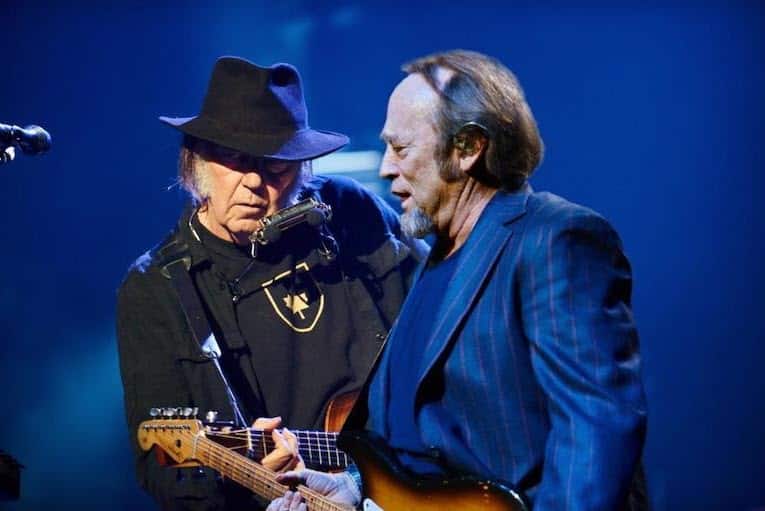
Few artists have left as profound a mark on rock, folk, and blues as Stephen Stills. A true musical visionary, Stills’ career spans decades, from his groundbreaking work with Buffalo Springfield to his legendary collaborations in Crosby, Stills & Nash (CSN) and Crosby, Stills, Nash & Young (CSNY). But his influence doesn’t stop there—his solo career has produced some of the most enduring songs of the era, showcasing his exceptional songwriting, masterful guitar skills, and unmistakable voice.
From politically charged anthems to intimate acoustic ballads, Stills has written songs that defined a generation and continue to inspire listeners today. Whether he’s crafting intricate harmonies, delivering fiery electric solos, or weaving poetic storytelling into his lyrics, his music remains as powerful and relevant as ever.
In this list, we’ll take a deep dive into the 10 most popular Stephen Stills songs of all time—tracks that have stood the test of time and cemented his place in rock history. Get ready to relive the magic, nostalgia, and sheer brilliance of one of music’s greatest legends. 🎸✨
Let’s count them down! 🚀
1. “Love the One You’re With” (1970)
One of the most defining songs of the early 1970s, “Love the One You’re With” stands as Stephen Stills’ most recognizable solo hit. Released on his self-titled debut album in 1970, this uplifting anthem perfectly captures the era’s free-spirited philosophy, encouraging people to embrace the present moment rather than dwell on lost love. The inspiration for the song came from musician Billy Preston, who often said, “If you can’t be with the one you love, love the one you’re with.” Stills took that phrase and turned it into an infectious, feel-good tune with a mix of gospel-style harmonies, energetic handclaps, and a vibrant blend of acoustic and electric guitars. Its singalong chorus and joyous energy helped the song become a timeless classic, proving Stills’ ability to craft hits both within and beyond his legendary collaborations.
2. “For What It’s Worth” (1966)
Few songs capture the turbulence and unrest of the 1960s as powerfully as “For What It’s Worth.” Written by Stills for Buffalo Springfield in 1966, the song was originally inspired by the Sunset Strip curfew riots in Los Angeles. However, its haunting melody and ominous lyrics quickly transformed it into a universal protest anthem. With its signature, tension-filled guitar riff and Stills’ calm yet urgent vocal delivery, the song created an atmosphere of quiet rebellion that resonated far beyond its original context. Over the decades, “For What It’s Worth” has been embraced by generations as a symbol of resistance, proving that its message remains just as relevant in today’s world of political and social upheaval.
3. “Suite: Judy Blue Eyes” (1969)
A masterpiece of folk-rock storytelling, “Suite: Judy Blue Eyes” is a deeply personal song written about Stills’ breakup with folk singer Judy Collins. Released on Crosby, Stills & Nash’s 1969 debut album, the track is structured as a multi-part suite, flowing seamlessly between melodies, moods, and time signatures. From its tender opening lines to the exhilarating “doo-doo-doo” outro, the song is a rollercoaster of emotion. Stills’ intricate acoustic guitar work pairs beautifully with his impassioned vocals, creating one of the most beloved songs in CSN’s catalog. The song became forever tied to the golden era of Woodstock and remains a defining moment in the folk-rock movement.
4. “Carry On” (1970)
Opening Crosby, Stills, Nash & Young’s 1970 album Déjà Vu, “Carry On” is an exhilarating display of Stills’ musical genius. Written as a response to the band’s search for an album opener, the song carries an uplifting message of perseverance. It blends folk harmonies with shifting rhythms, intricate electric guitar work, and a layered production style. As the track progresses, it evolves from a solid rock groove into a dreamy, psychedelic outro, capturing the adventurous spirit of CSNY at their peak. It’s a song that highlights the band’s ability to merge technical brilliance with profound emotion.
5. “Helplessly Hoping” (1969)
A stunning showcase of vocal harmony, “Helplessly Hoping” is one of Stills’ most hauntingly beautiful compositions. Featured on Crosby, Stills & Nash’s 1969 debut album, the song tells a sorrowful tale of longing and missed connections. The poetic, alliteration-rich lyrics create an almost hypnotic effect, while the tight three-part harmonies elevate the song into something ethereal. Beneath the vocals, Stills’ delicate acoustic guitar adds to the song’s intimacy. The result is a mesmerizing folk ballad that continues to captivate listeners with its raw emotion and understated beauty.
6. “Bluebird” (1967)
From Buffalo Springfield’s 1967 album Buffalo Springfield Again, “Bluebird” is an electrifying mix of folk, blues, and hard rock, showcasing Stills’ incredible guitar work. The song builds in intensity with a dynamic interplay between acoustic and electric guitars, before transitioning into a dreamy, banjo-driven outro. Lyrically, it tells a cryptic story of love and change, but it’s the instrumental work that truly shines. Stills and bandmate Neil Young push each other to exhilarating heights, making “Bluebird” a standout track in Buffalo Springfield’s influential catalog.
7. “Southern Cross” (1982)
A later-career gem, “Southern Cross” became one of CSN’s biggest hits upon its release on Daylight Again in 1982. Stills reworked an unfinished song by the Curtis Brothers, adding his own lyrics and melodies to craft a poignant nautical-themed journey of lost love and self-discovery. The song’s soaring harmonies and evocative imagery of sailing across the South Pacific give it a sense of freedom and wanderlust. With an anthemic chorus and a warm, open-road feel, “Southern Cross” has remained a fan favorite and a staple of classic rock radio.
8. “Treetop Flyer” (1991)
A hidden treasure in Stills’ solo catalog, “Treetop Flyer” from his 1991 album Stills Alone is a bluesy acoustic masterpiece. The song tells the story of a Vietnam War veteran turned smuggler, flying under the radar to make a living. Stills’ intricate fingerpicking and vivid storytelling bring the character’s life to reality, giving the song a cinematic quality. With its stripped-down, raw energy and compelling narrative, “Treetop Flyer” has earned a cult following among die-hard fans and remains one of Stills’ most underrated works.
9. “Change Partners” (1971)
Released on Stephen Stills 2 in 1971, “Change Partners” is a beautifully crafted song that blends folk, country, and jazz influences. With lyrics often interpreted as a metaphor for relationships and life’s ever-changing dynamics, the song is delivered with Stills’ signature warmth and sincerity. The elegant melody and waltz-like rhythm give it a timeless quality, making it one of the most memorable compositions from his early solo career.
10. “Rock & Roll Woman” (1967)
Buffalo Springfield’s “Rock & Roll Woman” from Buffalo Springfield Again (1967) is a vibrant, energetic track that foreshadowed the sound of Crosby, Stills & Nash. Featuring layered harmonies and shimmering guitar work, the song captures the excitement and spirit of the late ’60s rock scene. Some believe it was inspired by Grace Slick of Jefferson Airplane, though Stills never confirmed this. Regardless of its origins, the track stands out for its lively energy and sharp songwriting, making it a defining moment in Buffalo Springfield’s legacy.

Samuel Moore is a frequent contributor to Singers Room. Since 2005, Singersroom has been the voice of R&B around the world. Connect with us via social media below.