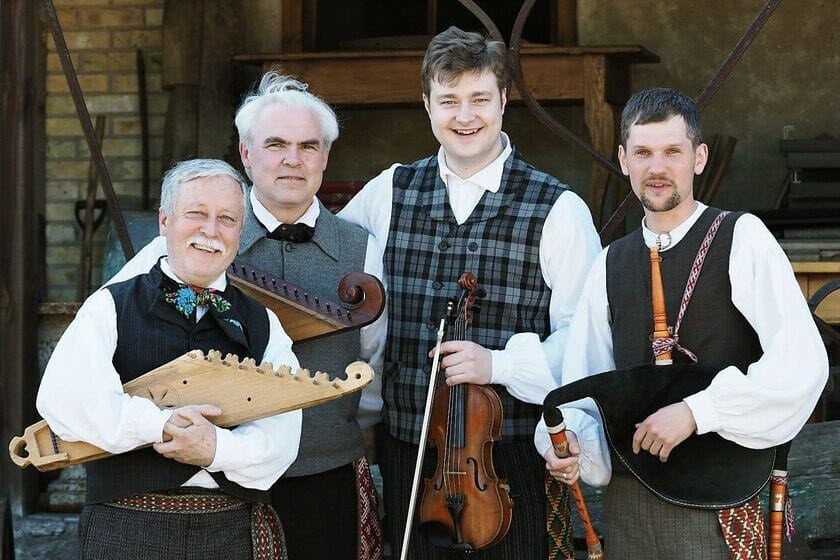
Folk music is more than just a genre—it’s a living, breathing chronicle of human experience. Rooted in storytelling, activism, and raw emotion, folk songs have the power to transport us through time, uniting generations with their timeless melodies and profound lyrics. From protest anthems that fueled social change to ballads of love, loss, and longing, folk music has shaped history and continues to inspire artists and audiences alike.
In this article, we celebrate the 15 most popular and influential folk songs of all time—songs that have defined movements, captured the struggles and triumphs of everyday life, and resonated across cultures. Whether it’s Bob Dylan’s poetic calls for change, Woody Guthrie’s ode to the American landscape, or haunting traditional ballads passed down for centuries, these songs have left an indelible mark on music history.
Get ready to rediscover the classics that have shaped folk music’s legacy. Whether you’re a lifelong folk fan or new to the genre, this list will remind you why these songs remain as powerful and relevant today as when they were first sung. Let’s dive into the greatest folk anthems of all time!
1. Blowin’ in the Wind – Bob Dylan (1962)
Few songs capture the essence of change and social consciousness like Bob Dylan’s Blowin’ in the Wind. Released in 1962, this folk anthem posed profound questions about peace, freedom, and justice, resonating deeply with the civil rights and anti-war movements of the 1960s. With its simple yet haunting melody, the song carries an almost hymn-like quality, allowing Dylan’s poetic lyrics to shine. Each verse presents a question—How many roads must a man walk down?—that lingers in the air, unanswered, as if the truth is just out of reach. More than just a protest song, Blowin’ in the Wind is a meditation on the human condition, its meaning evolving with every new generation. Though decades have passed, its message remains as powerful and relevant as ever, a testament to Dylan’s unparalleled songwriting and the enduring power of folk music.
2. The Times They Are a-Changin’ – Bob Dylan (1964)
Bob Dylan’s The Times They Are a-Changin’ is nothing short of a generational battle cry. Released in 1964, at the height of cultural and political upheaval, the song’s prophetic lyrics speak directly to those in power, warning them that change is inevitable. “Come senators, congressmen, please heed the call,” Dylan sings, as if urging the world to embrace progress rather than resist it. The song’s universal message made it a defining anthem of the folk revival era, its urgency resonating with activists fighting for civil rights, social justice, and an end to war. Its impact didn’t fade with the ‘60s—every time society finds itself at a crossroads, The Times They Are a-Changin’ resurfaces, a timeless reminder that progress waits for no one.
3. This Land Is Your Land – Woody Guthrie (1940)
Woody Guthrie’s This Land Is Your Land is often mistaken for a simple patriotic tune, but at its core, it is a song of protest and inclusion. Written in 1940 as a response to Irving Berlin’s overly optimistic God Bless America, Guthrie’s lyrics paint a broader, more complex portrait of the American landscape. While the song celebrates the nation’s beauty—from the Redwood forests to the Gulf Stream waters—it also contains verses that critique economic inequality and exclusion. Over the decades, it has become a staple of American folk music, performed in schools, rallies, and marches. Covered by countless artists, from Pete Seeger to Bruce Springsteen, This Land Is Your Land remains a powerful anthem for unity, belonging, and social justice.
4. If I Had a Hammer – Pete Seeger & Lee Hays (1949)
Written in 1949 by folk legends Pete Seeger and Lee Hays, If I Had a Hammer is a song of hope, justice, and resilience. First recorded by The Weavers, it truly soared in the 1960s when Peter, Paul, and Mary’s stirring rendition brought it to a wider audience. The song’s lyrics use simple yet powerful imagery—a hammer, a bell, and a song—to symbolize the tools needed for change. It became an anthem for civil rights activists, sung at rallies and protests as a call for unity and equality. Decades later, its message still rings true: the fight for justice is never over, and each of us holds the power to shape a better world.
5. Where Have All the Flowers Gone? – Pete Seeger (1955)
Few songs capture the tragedy of war as poignantly as Pete Seeger’s Where Have All the Flowers Gone?. Written in 1955 and later expanded by Joe Hickerson, the song’s gentle, almost lullaby-like melody contrasts with its heartbreaking message. Inspired by a Cossack folk song, its cyclical lyrics depict a never-ending loop of war and loss, as flowers become soldiers, soldiers become graves, and graves become forgotten. The Kingston Trio’s 1961 version helped bring the song to a wider audience, and it quickly became an anti-war anthem during the Vietnam era. The song’s quiet sorrow still resonates today, a reminder of the devastating human cost of conflict.
6. House of the Rising Sun – Traditional (1930s)
A song of mystery, sorrow, and despair, House of the Rising Sun has been passed down through generations, its origins tracing back to the American folk tradition of the 1930s. The lyrics tell the story of a young person—sometimes a man, sometimes a woman—who has been led astray in a house of ill repute, often interpreted as a gambling den or brothel. The song has been recorded countless times, but it was The Animals’ electrifying 1964 version that turned it into a folk-rock classic. With its dramatic organ intro and Eric Burdon’s raw, haunting vocals, The Animals’ rendition transformed House of the Rising Sun from a folk ballad into a rock masterpiece, ensuring its place in music history.
7. Scarborough Fair – Traditional (17th Century)
A haunting and poetic tale of lost love, Scarborough Fair dates back to at least the 17th century, its origins rooted in English folk tradition. The lyrics describe a series of impossible tasks set for a former lover, filled with cryptic symbolism and medieval mysticism. The song took on new life in the 1960s when Simon & Garfunkel revived it, blending it with their own composition, Canticle, to create a mesmerizing and ethereal rendition. Their version introduced Scarborough Fair to a new generation, ensuring its survival in popular music. Its timeless themes of love, longing, and fate continue to captivate listeners, making it one of the most enduring folk songs in history.
8. Mr. Tambourine Man – Bob Dylan (1965)
Bob Dylan’s Mr. Tambourine Man is a surreal, dreamlike journey through poetic landscapes of imagination and escapism. Released in 1965, the song’s vivid, flowing lyrics paint the picture of a wandering soul seeking inspiration and freedom. With its hypnotic melody and stream-of-consciousness storytelling, the song stands as one of Dylan’s most evocative works. The Byrds’ electrified folk-rock version became a huge hit, introducing Dylan’s songwriting to a wider audience, but the original acoustic rendition remains a mesmerizing masterpiece. Whether interpreted as a song about creativity, a call for transcendence, or even an ode to mind-altering experiences, Mr. Tambourine Man continues to spark the imagination, proving the power of words set to music.
9. “500 Miles” – Hedy West (1961)
Written by folk musician Hedy West in 1961, “500 Miles” is a poignant song about homesickness, regret, and the loneliness of a traveler who has strayed too far to return home. With its hauntingly simple lyrics and melancholy melody, the song conveys a deep sense of sorrow and isolation. The protagonist, too ashamed to face their loved ones, drifts further away with each passing mile, emphasizing the emotional weight of distance and loss. Over the years, “500 Miles” has been covered by numerous folk artists, including Peter, Paul, and Mary, Joan Baez, and The Kingston Trio, cementing its place as one of folk music’s most enduring classics. Its universal themes of longing and estrangement continue to resonate with listeners worldwide.
10. “Turn! Turn! Turn!” – Pete Seeger (1959)
Pete Seeger’s “Turn! Turn! Turn!”, written in 1959, is a folk anthem built on the timeless words of the biblical book of Ecclesiastes. Seeger set the passage to music, transforming its message about the cycles of life—birth, death, love, and change—into a deeply moving song. While it resonated with folk audiences in its early years, it was The Byrds’ 1965 folk-rock adaptation that propelled it to international fame. With its jangly guitar sound and uplifting harmonies, their version became a defining song of the 1960s. More than six decades later, “Turn! Turn! Turn!” remains a song of wisdom, offering comfort and perspective through its message that everything has its time and place.
11. “City of New Orleans” – Steve Goodman (1971)
Steve Goodman’s “City of New Orleans”, written in 1971, is a folk classic that captures the fading glory of America’s railroads. The song follows a train journey from Chicago to New Orleans, painting vivid images of small towns, railroad workers, and a vanishing way of life. It carries both a sense of nostalgia and a quiet mourning for an era slipping away. Arlo Guthrie’s 1972 recording popularized the song, and Willie Nelson’s later version further cemented its legacy. With its rolling rhythm and rich storytelling, “City of New Orleans” stands as one of folk music’s most evocative travel songs, celebrating the beauty and bittersweet nature of change.
12. “The Sound of Silence” – Simon & Garfunkel (1964)
Originally released as an acoustic folk ballad in 1964, “The Sound of Silence” became an unexpected hit when it was re-released in 1965 with electric instrumentation. Paul Simon’s introspective lyrics explore themes of alienation, miscommunication, and societal disconnect, making the song a powerful reflection of the turbulent 1960s. Its somber yet mesmerizing melody, combined with Simon & Garfunkel’s signature harmonies, struck a deep emotional chord with listeners. Over the decades, “The Sound of Silence” has remained one of the duo’s most iconic songs, continually covered and reinterpreted. Its haunting beauty and poetic depth ensure its place as one of folk music’s most timeless compositions.
13. “Hallelujah” – Leonard Cohen (1984)
Leonard Cohen’s “Hallelujah”, first released in 1984, is a masterful fusion of folk, poetry, and spiritual themes. The song weaves together cryptic biblical references and deeply personal emotions, creating a rich and layered piece that has been interpreted in countless ways. While Cohen’s original version was not widely recognized at first, later covers by artists like Jeff Buckley and John Cale transformed it into one of the most beloved songs in modern music. Its themes of love, loss, and redemption, paired with its unforgettable melody, have made “Hallelujah” a universal anthem, performed in both intimate and grand settings. It continues to move audiences worldwide, solidifying its place as a folk masterpiece.
14. “Goodnight Irene” – Lead Belly (1933)
Originally recorded by Lead Belly in 1933, “Goodnight Irene” is a folk ballad steeped in themes of love, heartbreak, and longing. With its slow, sorrowful melody and deeply emotional lyrics, the song tells the story of a man lamenting his lost love, Irene. While Lead Belly’s version introduced the song to the world, it was The Weavers’ 1950 cover that turned it into a nationwide hit, bringing folk music into the mainstream. Since then, countless artists—from Johnny Cash to Eric Clapton—have covered it, ensuring its place in folk history. “Goodnight Irene” remains a timeless standard, passed down through generations as a heartfelt expression of sorrow and devotion.
15. “Wild Mountain Thyme” – Traditional (19th Century)
A cherished Scottish-Irish folk ballad, “Wild Mountain Thyme” dates back to the 19th century, though its origins are often traced to earlier traditional songs. With lyrics celebrating love and the beauty of nature, it evokes a romanticized vision of the rolling hills and blooming heather of the countryside. The song’s gentle, lilting melody makes it an enchanting listening experience, and its poetic lyrics capture a deep reverence for the natural world. In the 20th century, folk icons like Joan Baez, The Byrds, and Bob Dylan helped popularize it for new audiences. “Wild Mountain Thyme” remains one of the most beautiful and enduring folk songs, sung at gatherings, festivals, and intimate moments alike.

Samuel Moore is a frequent contributor to Singers Room. Since 2005, Singersroom has been the voice of R&B around the world. Connect with us via social media below.