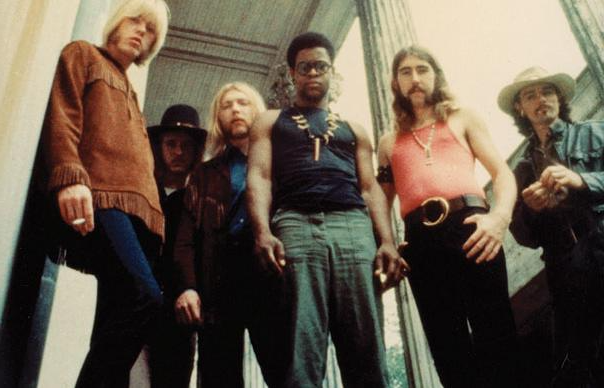
Few bands have captured the spirit of Southern rock with the depth, soul, and improvisational fire of The Allman Brothers Band. Blending blues, jazz, country, and rock into a sound that feels both grounded and expansive, their music carries a raw emotional honesty shaped by masterful musicianship. Twin guitar harmonies, expressive slide work, and extended jams create songs that breathe, evolve, and resonate far beyond their studio origins. Whether channeling heartbreak, freedom, or spiritual reflection, their greatest recordings feel lived in and deeply human. This collection explores the songs that define their legacy, where every note tells a story and every performance feels like a moment unfolding in real time.
1. Ramblin’ Man
“Ramblin’ Man” is one of The Allman Brothers Band’s most beloved songs, a bright and restless classic that brought their Southern rock spirit to a wider audience without losing the rootsy honesty at the center of their sound. Written and sung by Dickey Betts, the song has a warmth that feels instantly welcoming, built around a melody that seems born for open roads, radio speakers, and long stretches of highway. Its country influenced character gives it a lighter touch than some of the band’s deeper blues and jam based recordings, yet the musicianship remains unmistakably Allman Brothers. The guitars shimmer and sing, the rhythm section moves with easy confidence, and Betts delivers the vocal with the calm authority of someone who understands the pull of movement. “Ramblin’ Man” became popular because it captures a very American kind of freedom, not as fantasy, but as temperament. The narrator is not simply traveling. He is made for motion, shaped by wandering, unable to belong completely to one place. That feeling gives the song its lasting charm. It is sunny, melodic, and accessible, but beneath the polish is a genuine portrait of restlessness, identity, and the beauty of never quite settling down.
2. Whipping Post
“Whipping Post” is one of the most intense and emotionally overwhelming songs in The Allman Brothers Band catalog, a blues rock masterpiece built on anguish, tension, and musical release. Gregg Allman’s vocal is central to its force. He sings like a man pushed beyond patience, turning romantic betrayal and emotional torment into something almost mythic. The famous opening bass figure immediately creates a sense of unease, pulling the listener into a world where pain is not background emotion, but the engine of the entire performance. What makes “Whipping Post” so powerful is the way the band expands a personal wound into a full musical journey. The guitars do not merely decorate the song. They argue, cry, and burn around the vocal, giving shape to feelings too large for words alone. The rhythm section keeps the track grounded while allowing it to stretch and surge with dramatic force. In live versions, the song became a vehicle for extended improvisation, revealing the band’s rare ability to make exploration feel urgent rather than indulgent. Its popularity endures because it captures suffering with almost unbearable honesty. This is blues transformed through rock power, jazz freedom, and Southern soul, delivered with total emotional commitment.
3. Midnight Rider
“Midnight Rider” is one of The Allman Brothers Band’s most haunting and enduring songs, a compact piece of Southern rock poetry built around escape, determination, and outlaw resolve. Gregg Allman’s vocal carries the track with weary authority, sounding like a man who has already accepted the loneliness of the road but refuses to be caught by whatever is chasing him. The song’s groove is steady and hypnotic, not fast, but full of forward motion. That sense of movement is crucial. It feels like traveling at night with headlights cutting through darkness, danger somewhere behind and uncertainty somewhere ahead. “Midnight Rider” is memorable because it says a great deal with very little. The lyric is direct, almost plain spoken, yet every phrase suggests a deeper story of survival and independence. The guitars add texture and mood rather than excess, while the rhythm section gives the song its patient pulse. Its popularity comes from the way it captures freedom as both romance and burden. The midnight rider is not simply heroic. He is alone, stubborn, and bound to motion. That emotional complexity has helped the song remain one of the band’s signature recordings, admired for its restraint, atmosphere, and quiet power.
4. Melissa
“Melissa” is one of The Allman Brothers Band’s most tender and beautifully written songs, a ballad that reveals the softer emotional center behind their formidable instrumental reputation. Gregg Allman sings with a warmth that feels deeply personal, letting the melody unfold with a sense of memory, longing, and bittersweet calm. The song tells of a restless traveler and the woman who represents comfort, love, and the possibility of return. Yet the beauty of “Melissa” comes from the fact that it never fully resolves that tension. The road still calls. The heart still remembers. The music lives in that space between motion and belonging. The arrangement is graceful, with acoustic textures and gentle guitar work giving the song a luminous, reflective quality. It does not need a long jam or dramatic explosion to make its mark. Its emotional precision is enough. The song became one of the band’s most popular recordings because it brought vulnerability into their catalog with remarkable dignity. It feels intimate, but not fragile. Sad, but not hopeless. Gregg’s voice gives every line the weight of lived experience, making “Melissa” a timeless portrait of love as shelter, memory, and the one name that follows a wandering soul wherever he goes.
5. Jessica
“Jessica” is one of The Allman Brothers Band’s most joyful instrumentals, a radiant piece of music that captures motion, melody, and Southern rock optimism without needing a single sung word. Written by Dickey Betts, the song has a lyrical quality that makes the guitars feel almost vocal. The main melody dances with bright confidence, giving the track a sense of open sky and forward movement. Unlike some of the band’s darker blues based pieces, “Jessica” feels full of sunlight. It has bounce, grace, and a spirit of celebration that makes it immediately recognizable. The musicianship is extraordinary, but it never sounds like sterile display. Every passage feels conversational, as if the instruments are smiling at one another across the groove. The piano adds warmth and momentum, the rhythm section keeps the song flowing with relaxed power, and the guitars weave together with the effortless elegance that defined the band’s finest work. Its popularity comes from its pure musical generosity. It invites listeners into the pleasure of melody and movement, making complexity feel natural and accessible. “Jessica” remains a favorite because it embodies one of the Allmans’ greatest gifts: the ability to turn instrumental interplay into emotion, personality, and lasting joy.
6. Statesboro Blues
“Statesboro Blues” is one of the definitive examples of The Allman Brothers Band’s ability to take traditional blues material and electrify it with fresh fire, muscle, and Southern soul. Their version, especially as captured in live performance, is powered by Duane Allman’s slide guitar, which enters with a tone so sharp and vocal that it practically speaks before the singing begins. Gregg Allman’s voice brings grit and authority, giving the song a rough elegance that honors its blues roots while pushing it into a new rock context. The band’s arrangement is tight, confident, and full of swing. It does not treat the blues as a museum form. It treats it as living music, something to be played with heat, instinct, and deep respect. “Statesboro Blues” became one of their most popular performances because it captures the Allmans at their most immediate. The song is concise compared with their extended jams, yet it contains everything essential about their sound: slide guitar brilliance, soulful singing, rhythmic command, and a natural feel for American roots music. It remains a cornerstone of their legacy because it shows how tradition can be reborn when placed in the hands of musicians with vision, taste, and fearless energy.
7. Blue Sky
“Blue Sky” is one of The Allman Brothers Band’s most uplifting songs, a warm and melodic celebration of love, nature, and emotional clarity. Sung by Dickey Betts, the track glows with an easygoing brightness that makes it stand apart from the heavier blues and darker themes often associated with the band. The guitar work is exquisite, filled with lyrical phrases that seem to drift and sparkle like sunlight across water. Duane Allman and Dickey Betts create a twin guitar conversation that feels joyful, graceful, and deeply human. Instead of competing, the instruments complement one another, trading melodic ideas with a sense of generosity that gives the song its soul. “Blue Sky” became popular because it captures happiness without sounding shallow. Its optimism feels earned, rooted in the natural world and in the comfort of affection. The rhythm section gives the song a relaxed but steady foundation, allowing the guitars to breathe and sing freely. There is a feeling of openness in every measure, as if the music itself is looking toward a clear horizon. The song remains beloved because it shows the Allman Brothers at their most radiant, proving that their depth was not limited to sorrow and struggle. They could also make joy sound profound.
8. One Way Out
“One Way Out” is one of The Allman Brothers Band’s most exciting blues rock showcases, a song that turns tension, danger, and swagger into a thrilling performance. Built around a classic blues scenario, the lyric places the narrator in a tight spot, trying to escape a romantic complication before trouble catches up with him. Gregg Allman sings it with grit and sly humor, giving the story just the right blend of panic and confidence. The real magic comes from the band’s attack. The groove is sharp and swinging, with the rhythm section creating a hard driving foundation while the guitars slice through with fiery precision. Duane Allman’s slide work gives the song a vocal quality of its own, while Dickey Betts adds melodic bite and balance. “One Way Out” became popular because it captures the Allmans’ live energy in a compact, explosive form. It has the looseness of a jam, but the focus of a great single. Every player sounds alert, responsive, and fully locked into the moment. The song is not merely a blues cover in their hands. It becomes a statement of band identity, full of Southern grit, instrumental brilliance, and the irresistible thrill of musicians pushing one another higher.
9. In Memory of Elizabeth Reed
“In Memory of Elizabeth Reed” is one of The Allman Brothers Band’s most elegant and ambitious instrumentals, a composition that reveals the full scope of their jazz influenced imagination. Written by Dickey Betts, the piece moves with mystery, grace, and emotional depth, creating a mood that feels both Southern and cosmopolitan. The melody is haunting, almost cinematic, and the band uses it as a doorway into extended conversation rather than as a simple theme. What makes the track extraordinary is its balance of structure and freedom. The musicians improvise with real purpose, listening closely, responding intuitively, and allowing the music to unfold naturally. The guitars glide and burn, the organ adds color and atmosphere, and the rhythm section gives the entire performance a fluid, shifting foundation. “In Memory of Elizabeth Reed” became popular among serious fans because it demonstrates the Allmans’ ability to move beyond conventional rock forms. It is not a song built around a vocal hook. It is a journey through tone, rhythm, mood, and collective invention. The piece remains essential because it proves that Southern rock could be sophisticated without losing soul, exploratory without becoming distant, and deeply emotional without using words.
10. Dreams
“Dreams” is one of The Allman Brothers Band’s most atmospheric early masterpieces, a slow burning song that captures longing, uncertainty, and spiritual searching with remarkable depth. Gregg Allman’s vocal is weary and soulful, floating over the arrangement with a sense of private struggle. He sounds like someone caught between resignation and hope, trying to make sense of inner visions that remain just out of reach. The music supports that mood beautifully. Rather than rushing toward release, the band creates a spacious groove that allows emotion to gather gradually. The guitars are expressive and patient, with Duane Allman’s playing adding a searching quality that feels almost like a second voice. “Dreams” is important because it reveals the group’s ability to blend blues feeling, jazz openness, and rock intensity into something deeply original. Its popularity among fans comes from its atmosphere as much as its melody. The song feels like drifting through a troubled night, aware of pain but still reaching toward something transcendent. It does not offer easy answers. Instead, it creates a musical space where doubt, desire, and reflection can coexist. In the Allman Brothers catalog, “Dreams” stands as one of their most soulful and visionary recordings.

Edward Tomlin is a frequent contributor to Singers Room. Since 2005, Singersroom has been the voice of R&B around the world. Connect with us via social media below.