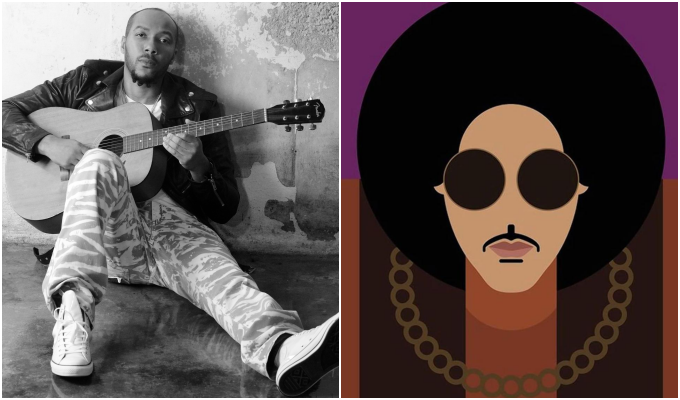
In moments of national grief and unrest, music often becomes a powerful outlet for reflection and expression. That was evident as Lyfe Jennings and Prince Pen turned their attention to the city of Baltimore following the tragic death of Freddie Gray. Their musical responses emerged during a period of intense public scrutiny and emotional upheaval, as six police officers were charged in connection with the case, sparking widespread conversation about justice, accountability, and systemic issues.
The death of Freddie Gray in police custody became a flashpoint that ignited protests across Baltimore and beyond. Communities gathered in the streets demanding answers, while the nation watched closely as legal proceedings unfolded. When the announcement came that six officers would face charges, it marked a significant moment in a case that had already drawn deep concern and frustration from the public. For many, it represented a step toward accountability, though it also underscored the complexities of achieving justice in such cases.
Artists like Lyfe Jennings and Prince Pen responded in the way they know best, through music that speaks directly to lived experiences and collective emotion. Lyfe Jennings, known for his storytelling and introspective style, delivered a song that captured both pain and resilience. His approach emphasized humanity, urging listeners to consider the broader impact of the tragedy on families and communities. Rather than focusing solely on anger, his message carried a tone of reflection and a call for understanding.
Prince Pen, on the other hand, brought a more urgent and raw energy to his response. His lyrics confronted the realities of injustice head on, giving voice to frustrations that had been building for years. By channeling the emotions of those protesting in the streets, he created a piece that resonated with individuals who felt unheard. His work highlighted the role of hip hop as a platform for social commentary, continuing a long tradition of artists using the genre to address inequality.
Together, their contributions illustrated the diverse ways in which music can respond to social issues. While their styles differ, both artists aimed to shed light on the human cost of the situation and the need for meaningful change. Their songs became part of a larger cultural response that included protests, public discussions, and calls for reform.
The events in Baltimore also sparked broader conversations about policing and community relations across the United States. The charges against the six officers were closely followed by media outlets and legal experts, with many debating what the outcome might mean for future cases. For some, it signaled progress in holding authorities accountable. For others, it raised questions about whether the legal system could truly address the underlying issues.
In this context, the role of artists became even more significant. Music has the ability to reach people on an emotional level, cutting through the noise of headlines and statistics. Songs inspired by real events can humanize complex situations, making them more accessible to a wider audience. In the case of Baltimore, the works of Lyfe Jennings and Prince Pen served as reminders that behind every headline are real lives affected by tragedy.
The intersection of art and activism continues to shape how society processes difficult moments. By responding to the death of Freddie Gray and the subsequent charges against the officers involved, these artists contributed to an ongoing dialogue about justice and accountability. Their music stands as a testament to the enduring power of creative expression in times of crisis, offering both a mirror to society and a voice for those seeking change.

Founder and Creator of Singersroom.com and IncredibleWork.com. Follow me on Instagram at @gary.gentles.