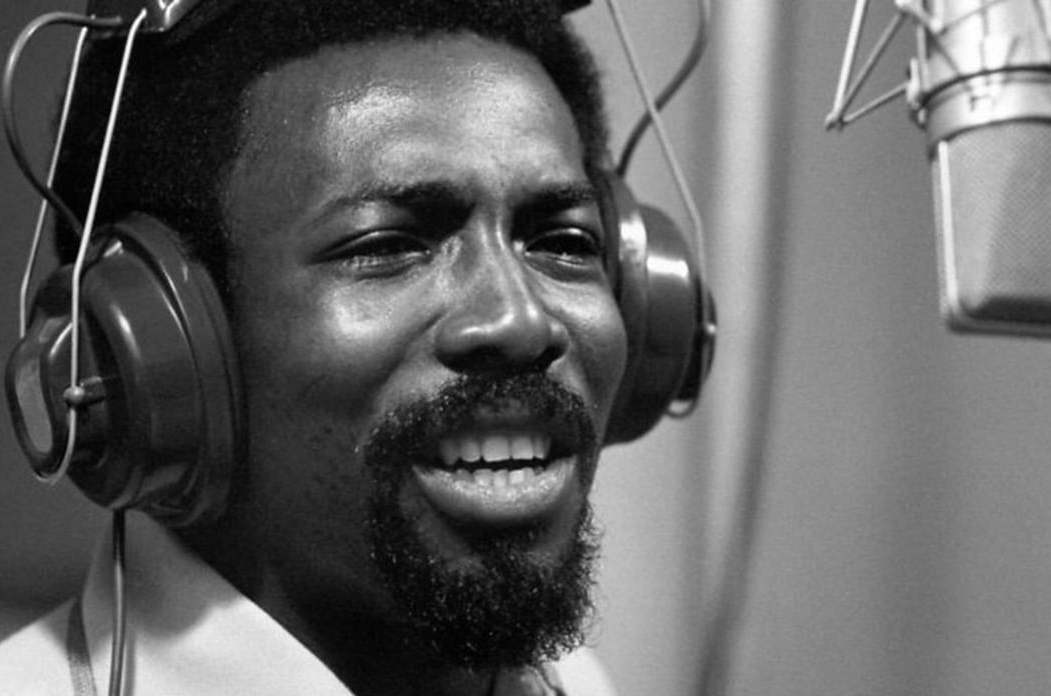
Few voices in soul music history carried the raw fire, grit, and emotional power of Wilson Pickett. Known as “The Wicked Pickett,” he exploded out of the golden era of rhythm and blues with a sound that was fierce, passionate, and impossible to ignore. Whether delivering sweaty dance floor anthems or deep soul ballads filled with longing and heartbreak, Pickett sang with an intensity that could shake the walls of any room. Backed by blazing horn sections, unforgettable grooves, and the legendary musicians of Stax and Muscle Shoals, his recordings helped define the sound of classic Southern soul during the nineteen sixties and seventies. Songs like Mustang Sally and In the Midnight Hour became timeless staples of American music, influencing generations of rock, soul, funk, and R&B artists. His greatest songs still sound alive today, bursting with energy, swagger, heartbreak, and unstoppable rhythm.
1. In the Midnight Hour
In the Midnight Hour is the Wilson Pickett recording that helped define his legend, a soul classic built on restraint, tension, and explosive vocal command. The groove does not rush. It moves with a deliberate, after dark strut, giving Pickett space to build anticipation line by line. His voice carries desire with a rawness that feels both disciplined and untamed, as if every phrase is being pulled from somewhere deep in the body. The song’s greatness comes from that perfect balance between control and release. The rhythm section locks into a pocket so tight it becomes almost hypnotic, while the horns add sharp bursts of excitement without overwhelming the vocal. In the Midnight Hour became one of the most important soul records of the nineteen sixties because it captured the sound of Southern soul at its most potent. Pickett does not merely sing about longing. He makes longing move, breathe, sweat, and wait for the right moment. The track remains popular because it feels timelessly physical. It belongs to dance floors, jukeboxes, late night drives, and every playlist that needs a shot of real rhythm and blues electricity.
2. Mustang Sally
Mustang Sally is one of Wilson Pickett’s most recognizable songs, a groove drenched soul anthem that became a permanent fixture in popular music. The song’s appeal begins with its relaxed but irresistible rhythm, a steady ride that gives Pickett the perfect setting for his commanding personality. He sings with teasing authority, turning the story of Sally and her prized car into a playful warning full of attitude, humor, and bluesy grit. What makes the recording work so well is its simplicity. The hook is easy to remember, the beat is impossible to resist, and Pickett’s voice gives every line a sense of character. Mustang Sally became a favorite among soul fans, rock bands, bar bands, and live performers because it invites participation without losing its original swagger. Pickett’s version has a natural looseness, but beneath that looseness is a masterful sense of timing. He knows exactly when to lean into a phrase, when to pull back, and when to let the groove do the talking. Its popularity has endured because it feels communal. Once the chorus arrives, the song belongs to everybody in the room, yet Pickett remains the driver behind the wheel.
3. Land of 1000 Dances
Land of 1000 Dances is Wilson Pickett at full ignition, a record that turns call and response, dance crazes, and raw soul power into one unstoppable celebration. From its famous count in to the unforgettable chant that follows, the song is built for movement. Pickett attacks the vocal with volcanic energy, making every phrase sound like a command from the center of a packed dance floor. The brilliance of the track is that it feels both structured and wild. The band drives hard, the horns punch with precision, and Pickett rides above it all with a voice that sounds ready to tear through the speakers. Land of 1000 Dances became one of his most popular songs because it captures the communal joy of soul music in its purest form. It is not only about dancing. It is about release, confidence, and the thrill of shared rhythm. The song names dances, shouts encouragement, and keeps pushing forward until resistance feels impossible. Pickett transforms a party record into something almost athletic in its force. Decades later, it still has the power to wake up a crowd instantly, proving that some grooves never lose their fire.
4. Funky Broadway
Funky Broadway is one of Wilson Pickett’s grittiest and most rhythmically infectious recordings, a song that helped push the word funky into the center of popular music conversation. The track struts with urban confidence, built on a groove that feels sweaty, stylish, and alive with motion. Pickett’s vocal performance is pure personality. He does not simply sing the lyrics. He prowls through them, shouting, stretching, and snapping phrases with the authority of a man who knows exactly how to command a band. The horn arrangement gives the recording extra bite, while the rhythm section creates a street level pulse that feels impossible to fake. Funky Broadway became a major Pickett favorite because it captures the moment when soul music began leaning even harder into funk attitude. The song has grit in its bones. It is not polished in a delicate way, and that is precisely why it works. Pickett turns the idea of a street into a musical universe, a place where rhythm rules and everyone is invited to move. Its popularity comes from that sense of location and heat. The song feels like a block party, a stage show, and a late night club all rolled into one blazing performance.
5. 634 5789
634 5789 is one of Wilson Pickett’s most charming soul classics, a song that turns a telephone number into a promise of comfort, romance, and irresistible groove. The recording has a friendly swing that separates it from some of Pickett’s more explosive performances, but his voice still carries that unmistakable edge. He sounds inviting, confident, and full of warmth, offering himself as the person to call when affection, attention, and companionship are needed. The song’s simplicity is part of its genius. The number becomes a hook, the hook becomes a memory, and Pickett’s delivery makes the whole idea feel natural rather than gimmicky. 634 5789 became popular because it blends soul sweetness with Southern grit in perfect proportion. The band gives the track a relaxed but sturdy groove, with crisp drums, tasteful guitar, and bright horn support adding color around the vocal. Pickett brings enough fire to keep the song from becoming too soft, yet enough tenderness to make it feel genuinely romantic. The result is a record that still sounds welcoming and alive. It is a perfect example of how Wilson Pickett could make even a simple phone number feel like a soul music landmark.
6. Don’t Let the Green Grass Fool You
Don’t Let the Green Grass Fool You is a brilliant example of Wilson Pickett’s ability to turn romantic warning into a joyous, hard grooving soul performance. The song is built around a familiar idea: someone thinks life may be better somewhere else, but the singer insists that outside temptation is not always what it seems. In Pickett’s hands, that message becomes both playful and urgent. His voice has a preacher like force, pushing the lyric with conviction while still riding the groove with effortless musicality. The production has a bright, danceable feel, showing how Pickett adapted beautifully into the changing soul sounds of the early seventies. Don’t Let the Green Grass Fool You became one of his most popular later hits because it combines wisdom with movement. It gives listeners advice, but never stops making them dance. The rhythm section is crisp, the backing vocals add lift, and Pickett’s lead performance cuts through with warmth and command. What makes the song last is its emotional practicality. It knows that desire often imagines better things elsewhere, but Pickett delivers the reminder with enough charm to make caution sound exciting. It is soul music with a smile, a groove, and a lesson tucked inside.
7. Hey Jude
Hey Jude became one of Wilson Pickett’s boldest and most unforgettable interpretations, transforming a Beatles classic into a fiery Southern soul experience. Rather than simply covering a famous song, Pickett completely reimagines it through his own vocal intensity. He begins with warmth and control, honoring the melody, but gradually pushes the performance into a place of gospel charged release. His voice digs into the lyric with grit and emotional force, turning reassurance into something urgent and deeply human. The recording is also legendary for the guitar work of Duane Allman, whose playing adds a searing rock edge that blends beautifully with Pickett’s soul foundation. Hey Jude became popular because it showed how a great singer could take a song known around the world and make it feel newly discovered. Pickett does not compete with the original. He testifies through it. The arrangement grows with intensity, moving from tenderness into a roaring final section that feels communal and ecstatic. It is a perfect example of Pickett’s interpretive power. He could take familiar material and reshape it with personality, muscle, and emotional truth, proving that soul music could transform anything it touched.
8. Engine Number 9
Engine Number 9 captures Wilson Pickett entering the Philadelphia soul era with swagger, rhythm, and remarkable adaptability. The song rides on a chugging groove that perfectly matches its train imagery, creating a sense of forward motion from the first moments. Pickett sounds energized and fully engaged, bringing his gritty Southern vocal style into a slicker, more urban production environment without losing his identity. His performance is full of urgency, as if the track itself is moving down the line and he is determined to stay ahead of it. Engine Number 9 became one of his standout seventies recordings because it bridges eras in his career. It keeps the raw force that made him famous while embracing a newer rhythmic polish. The percussion, bass, and horn accents create a kinetic sound that feels made for dance floors, but Pickett’s vocal gives it emotional muscle. He was never a singer who disappeared into production. No matter how the arrangement changed around him, his voice remained the central event. The song’s popularity comes from that combination of movement and personality. It sounds like travel, momentum, escape, and pursuit, all powered by one of soul’s most commanding voices.
9. I’m in Love
I’m in Love reveals Wilson Pickett’s ability to bring depth and tenderness to a romantic soul ballad while still keeping his unmistakable vocal grit. The song moves at a smoother pace than his most explosive dance records, allowing the listener to focus on the emotional grain of his voice. Pickett sings like a man overtaken by feeling, not in a fragile or passive way, but with the full conviction of someone who cannot hold back the truth any longer. The arrangement is elegant and warm, with organ, rhythm, and subtle instrumental support creating a glowing backdrop for the vocal. I’m in Love became one of his memorable love songs because it proves that intensity does not always require shouting. Pickett can soften his attack and still sound powerful. He phrases each line with care, letting the emotion rise naturally rather than forcing it. The result is a recording that feels sincere, soulful, and beautifully human. While many listeners know Pickett best for high energy classics, this song shows another essential side of his artistry. He could make romance sound grounded, mature, and passionate, turning a simple declaration into a deeply felt soul performance.
10. Ninety Nine and One Half
Ninety Nine and One Half is one of Wilson Pickett’s most forceful early soul statements, a song built around the idea that love, faith, and commitment demand everything, not almost everything. The title phrase gives the record its central message, but Pickett’s vocal is what makes that message unforgettable. He sings with conviction that feels almost spiritual, pushing the listener to understand that partial devotion simply will not do. The groove is tight, the band is sharp, and the performance carries the unmistakable influence of gospel energy transformed into secular soul power. Ninety Nine and One Half became a fan favorite because it captures Pickett’s gift for making repetition feel dramatic. Each return to the central phrase gains more weight, more heat, and more urgency. He does not simply repeat words. He intensifies them. The song also reflects the Stax connected sound that helped shape his greatest period, with musicians who understood how to support a vocalist without crowding him. Pickett stands at the center like a preacher of rhythm and desire, demanding complete emotional surrender. Its popularity endures because it expresses a universal truth with unforgettable force: when the feeling is real, anything less than all of it is not enough.

Edward Tomlin is a frequent contributor to Singers Room. Since 2005, Singersroom has been the voice of R&B around the world. Connect with us via social media below.