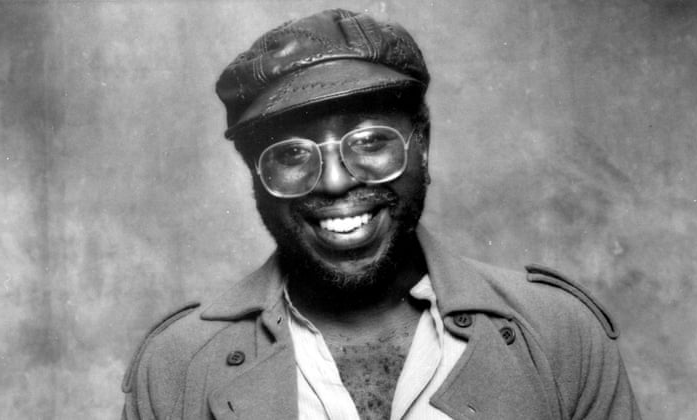
Curtis Mayfield created soul music that moved both the heart and the mind, blending silky melodies, socially conscious lyrics, and groundbreaking production into a sound that remains timeless decades later. With his unmistakable falsetto voice and deeply thoughtful songwriting, Mayfield transformed rhythm and blues into something spiritually uplifting, politically aware, and emotionally powerful all at once. From the smooth harmonies of The Impressions to his legendary solo career, he crafted songs that explored love, struggle, hope, poverty, faith, and survival with extraordinary honesty and elegance. His music could groove with effortless funk one moment and deliver profound social commentary the next, all while maintaining a warmth and humanity that made every performance unforgettable. This collection celebrates the songs that defined Curtis Mayfield’s extraordinary legacy and secured his place as one of the most influential songwriters, producers, and soul artists in music history.
1. Move On Up
“Move On Up” is one of Curtis Mayfield’s most exhilarating recordings, a song that turns perseverance into pure musical flight. From the moment the horns burst open and the rhythm starts moving, the track feels like a celebration of forward motion, not just physically, but spiritually and socially. Mayfield’s falsetto glides above the arrangement with warmth and conviction, never shouting, yet somehow sounding more powerful because of its calm certainty. The genius of “Move On Up” lies in the way it makes hope feel active. This is not passive optimism. It is a command to keep climbing, keep believing, and keep pushing through discouragement. The percussion races with almost unstoppable energy, while the brass and strings create a sense of triumph that feels both personal and collective. Mayfield was a master at writing songs that could speak to individual struggle while also reflecting larger community dreams, and this track is one of his clearest examples. It works as a dance record, a motivational anthem, and a soul masterpiece all at once. Decades after its release, “Move On Up” still sounds alive with possibility, reminding listeners that dignity and joy can become a rhythm strong enough to carry anyone forward.
2. Superfly
“Superfly” is one of Curtis Mayfield’s most famous and culturally important songs, a sleek funk portrait of street survival, ambition, and moral compromise. Written for the legendary soundtrack to the film Super Fly, the track does something more sophisticated than simply glamorizing its subject. Mayfield sings with cool observation, examining the character of Youngblood Priest as both a symbol of style and a victim of a brutal social environment. The groove is smooth, seductive, and dangerous, built around tight rhythm guitar, deep bass, crisp percussion, and Mayfield’s unmistakable falsetto. The song feels glamorous on the surface, but there is warning underneath the shine. That duality is what makes it so powerful. Mayfield understood that the world of the film was not merely about crime or swagger. It was about limited options, systemic pressure, and the complicated search for escape. His lyrics cut through fantasy with a poet’s eye and a reporter’s clarity. “Superfly” became popular because it delivered unforgettable funk while also carrying serious social meaning. It is stylish enough to fill a dance floor and thoughtful enough to reward close listening. As a signature Mayfield recording, it remains one of the finest examples of soul music as storytelling, atmosphere, and critique.
3. Freddie’s Dead
“Freddie’s Dead” is one of Curtis Mayfield’s most haunting hits, a song that turns tragedy into a graceful yet devastating piece of social soul. Taken from the Super Fly soundtrack, the track reflects on the death of a character whose fate becomes larger than one storyline. Freddie represents vulnerability, exploitation, and the way people can be consumed by systems that promise escape while offering only destruction. Mayfield’s vocal is light, almost floating, but that delicacy makes the message more chilling. He does not need to scream to convey grief. His falsetto moves through the arrangement like a spirit observing the wreckage. The contrast between the smooth groove and the tragic lyric is central to the song’s brilliance. The rhythm section keeps the record moving with undeniable funk, while the strings add a mournful elegance that turns the track into something cinematic. Mayfield had an extraordinary gift for exposing harsh realities without flattening them into slogans. “Freddie’s Dead” became one of his most popular songs because it works on multiple levels. It is musically infectious, emotionally unsettling, and socially observant. The song remains a landmark because it proves that a hit record can groove beautifully while still confronting the cost of neglect, addiction, and lost humanity.
4. Pusherman
“Pusherman” is one of Curtis Mayfield’s most mesmerizing and unsettling recordings, a funk classic that places the listener directly inside the seductive danger of the drug economy portrayed in Super Fly. The groove is slow, slippery, and hypnotic, with bass and guitar moving like shadows through a city at night. Mayfield’s vocal is calm and controlled, almost eerily inviting, which makes the song’s subject even more disturbing. He sings from the perspective of the dealer, presenting the pusher as provider, manipulator, father figure, and parasite all at once. That complexity is what separates the song from simple moral warning. Mayfield does not reduce the character to a cartoon villain. He reveals how power operates through dependency, charm, and desperation. The arrangement is lean but deeply atmospheric, using repetition to create a sense of entrapment. Every musical element seems to circle the same dark block, making escape feel difficult. “Pusherman” became one of Mayfield’s most popular songs because it is impossible to forget once heard. It is funky, cinematic, and morally charged without preaching. The track shows Mayfield’s genius as both composer and social observer, proving that soul music could explore dangerous characters while still exposing the conditions that allowed them to thrive.
5. People Get Ready
“People Get Ready” is one of Curtis Mayfield’s most sacred creations, a song that stands among the greatest spiritual anthems in American popular music. Originally recorded with The Impressions, it carries the language of gospel into the heart of soul music, using the image of a train as a symbol of faith, liberation, and collective movement. Mayfield’s writing is simple on the surface, but its emotional and historical resonance is enormous. The song emerged during the civil rights era, and its message of readiness, belief, and moral courage spoke deeply to a community pressing toward justice. What makes “People Get Ready” timeless is its quiet strength. It does not shout. It does not need to. The melody unfolds with gentle certainty, and the harmonies lift the song into a space that feels both human and holy. Mayfield’s genius was his ability to write music that could comfort and mobilize at the same time. The song became popular because it offered hope without denying struggle. It suggested that change required faith, preparation, and unity. Even decades later, “People Get Ready” remains a hymn for anyone seeking dignity and deliverance. Its beauty lies in how softly it carries one of the strongest messages in soul history.
6. Keep On Pushing
“Keep On Pushing” is one of Curtis Mayfield’s most important songs with The Impressions, a stirring anthem of perseverance that helped establish him as one of soul music’s great voices of uplift. The song is built around a message that is direct, durable, and deeply rooted in the spirit of the civil rights movement. Mayfield’s vocal presence is gentle but firm, encouraging forward movement with a calm confidence that feels almost pastoral. He does not frame struggle as something glamorous or easy. Instead, he presents endurance as a moral duty, a daily choice, and a communal act of faith. The arrangement has the polished warmth of early sixties soul, with graceful harmonies and a steady rhythm that make the song feel both inspirational and accessible. The Impressions’ vocal blend gives the message its power, transforming individual determination into collective resolve. “Keep On Pushing” became popular because it gave listeners a phrase they could carry into real life. It was not only a song for radio. It was a song for marches, workdays, family struggles, and private moments of doubt. Curtis Mayfield understood that music could strengthen people without sounding heavy handed. This recording remains a beautiful example of encouragement shaped into melody.
7. We’re A Winner
“We’re A Winner” is one of Curtis Mayfield’s most powerful declarations of Black pride, collective dignity, and rising self belief. Recorded with The Impressions, the song arrived during a period of tremendous social change, and its message felt bold, necessary, and energizing. Mayfield sings with a confidence that is uplifting without being boastful. He is not simply celebrating victory as a final result. He is insisting on worth, strength, and progress in the face of a society that had long denied those things. The song’s greatness comes from its combination of joy and resistance. The rhythm moves with bright momentum, the harmonies are clean and inspiring, and the lyric offers affirmation with unmistakable purpose. Mayfield had a rare ability to write political music that never felt stiff or detached. He made social consciousness sing. “We’re A Winner” became popular because it gave people a powerful emotional language for pride and perseverance. It was celebratory, but it also carried the force of history. The song remains important because it captures a moment when soul music became a vehicle for empowerment as much as entertainment. In Mayfield’s hands, the phrase becomes more than a chorus. It becomes a statement of identity, survival, and shared victory.
8. The Makings Of You
“The Makings Of You” reveals Curtis Mayfield at his most tender and poetic, offering a love song filled with delicacy, elegance, and almost spiritual admiration. Unlike his harder funk statements from the Super Fly era, this track floats with a quiet beauty that showcases another dimension of his genius. The melody is graceful, the arrangement is warm, and Mayfield’s falsetto feels like it is tracing the shape of affection with extraordinary care. What makes the song so moving is the way it treats love as something made of small, precious details. Mayfield does not rely on grand romantic clichés. He uses images that feel intimate, thoughtful, and deeply human. The strings and gentle rhythm support the vocal without overwhelming it, allowing the lyric to remain close and personal. “The Makings Of You” became one of his most cherished songs because it captures beauty without excess. It is refined, soulful, and emotionally generous. The song also shows why Mayfield was such a complete artist. He could write social anthems, street narratives, and protest songs, but he could also craft romantic music of stunning subtlety. This recording remains a favorite because it turns admiration into art, making love sound graceful, sacred, and unforgettable.
9. If There’s A Hell Below We’re All Going To Go
“If There’s A Hell Below We’re All Going To Go” is one of Curtis Mayfield’s boldest and most confrontational solo recordings, a furious piece of funk soul prophecy that announced his arrival as an artist willing to stare directly into social collapse. The track opens with spoken tension before exploding into a groove that feels chaotic, urgent, and dangerous. Mayfield addresses race, class, politics, hypocrisy, and moral failure with a directness that was startling for its time and remains powerful today. This is Curtis Mayfield not as gentle comforter, but as street preacher, witness, and alarm bell. The music is dense and fiery, with bass, percussion, guitar, and horns creating a sense of pressure that mirrors the lyric’s apocalyptic warning. Yet even at its angriest, the song is carefully constructed. Mayfield’s sense of rhythm and arrangement keeps the track gripping rather than messy. Its popularity among serious soul and funk listeners comes from how fearless it feels. It refuses easy optimism and demands that people confront the consequences of injustice and indifference. The song remains essential because it shows Mayfield expanding soul music’s vocabulary, proving that beauty, groove, rage, and moral urgency could occupy the same recording.
10. It’s All Right
“It’s All Right” is one of Curtis Mayfield’s brightest early achievements with The Impressions, a joyful soul classic that radiates reassurance, warmth, and communal feeling. The song has the kind of effortless lift that made early sixties vocal group soul so irresistible, but Mayfield’s writing gives it a deeper emotional center. The message is simple: despite trouble, sadness, or uncertainty, things can still be all right. That phrase becomes a musical balm, repeated with enough conviction to feel comforting without becoming empty. The Impressions’ harmonies are central to the song’s charm. Their voices blend with smooth elegance, creating a sound that feels friendly, stylish, and spiritually grounded. Mayfield’s melodic instincts shine throughout, proving that he could write songs that were immediately catchy while still carrying emotional usefulness. “It’s All Right” became popular because it gave listeners a reason to smile, move, and believe in better moments ahead. It does not ignore hardship. It simply answers hardship with grace. The arrangement is clean, buoyant, and full of classic soul brightness, making it one of the defining recordings from Mayfield’s years with The Impressions. Even after his later work became more political and complex, this song remained a reminder of his gift for uplifting simplicity.

Samuel Moore is a frequent contributor to Singers Room. Since 2005, Singersroom has been the voice of R&B around the world. Connect with us via social media below.