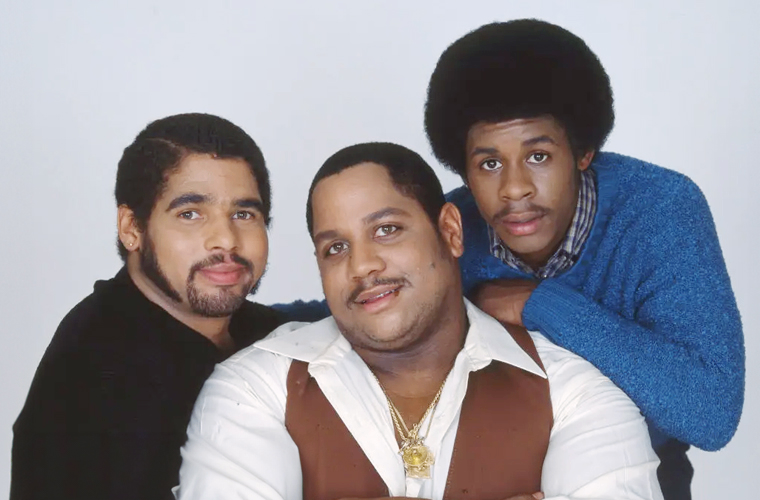
From the moment “Rapper’s Delight” exploded out of radios and onto dance floors in 1979, The Sugarhill Gang helped change the course of popular music forever. Blending infectious grooves, playful storytelling, and an effortless party atmosphere, the pioneering hip-hop trio brought rap music into the mainstream at a time when many listeners had never heard anything like it before. Their records captured the excitement of block parties, disco culture, and the emerging voice of urban America, all wrapped inside unforgettable basslines and crowd-moving rhythms. While they are often celebrated for one groundbreaking anthem, The Sugarhill Gang created a catalog filled with energetic tracks that showcased humor, charisma, and early rap innovation. These songs remain essential listening for anyone exploring the roots of hip-hop and the timeless spirit that made the genre a worldwide phenomenon.
1. Rapper’s Delight
“Rapper’s Delight” is the record that turned The Sugarhill Gang into permanent residents of music history. Released in 1979, it carried rap from block party culture into living rooms, radio playlists, record stores, and dance floors around the world. The song’s famous groove, adapted from the sparkling disco funk pulse of Chic’s “Good Times,” gave Wonder Mike, Big Bank Hank, and Master Gee a luxurious rhythmic runway. What makes the track so enduring is not only its historical importance, but its sense of joy. The verses feel loose, funny, boastful, and communal, like three charismatic hosts keeping a party alive deep into the night. It is rap as celebration, full of playful rhymes, crowd pleasing chants, and the feeling of a cultural door being kicked wide open. Even listeners who know little about early hip hop instantly recognize its opening phrases and bouncing cadence. “Rapper’s Delight” remains The Sugarhill Gang’s signature because it captured a moment when hip hop sounded brand new to the wider public, yet already felt complete, confident, and irresistible.
2. Apache
“Apache” stands as one of The Sugarhill Gang’s most beloved party records, especially because its energy feels almost impossible to resist. Built around the famous Incredible Bongo Band groove, the song transforms a breakbeat favorite into a playful, chant driven hip hop anthem. The group approaches the track with a sense of theater, leaning into call and response hooks, dance commands, and colorful vocal interplay that helped make it a staple at parties, sporting events, and later pop culture moments. The famous “Jump on it” section gave the song a second life far beyond its original era, turning it into one of those records that can instantly wake up a crowd. Unlike the sprawling conversational style of “Rapper’s Delight,” this cut is more compact in spirit, more physical, and more focused on movement. Its genius lies in how naturally it blends early rap showmanship with funk spectacle. The drums snap, the rhythm gallops, and the vocals invite everyone within earshot to participate. “Apache” proves that The Sugarhill Gang were not simply hip hop pioneers, but masters of turning rhythm into communal excitement.
3. 8th Wonder
“8th Wonder” is one of The Sugarhill Gang’s strongest follow up statements, showing how the group continued shaping early rap after the massive success of “Rapper’s Delight.” The song moves with a polished funk foundation, giving the emcees plenty of room to trade verses, jokes, boasts, and crowd pleasing vocal patterns. What makes it special is the confidence radiating through the performance. The group sounds aware that they helped introduce rap to a global audience, but they do not sound trapped by that achievement. Instead, they keep pushing the party forward with crisp rhythmic phrasing and a bright sense of fun. The title itself suggests something larger than life, and the track carries that feeling with a mix of swagger and charm. The verses show how early hip hop was still deeply tied to live performance culture, where personality mattered as much as technical skill. Every line seems designed to make dancers smile, nod, and respond. “8th Wonder” remains essential because it captures The Sugarhill Gang at a moment when rap was expanding its vocabulary while still staying close to the dance floor roots that made it so magnetic.
4. The Lover in You
“The Lover in You” reveals a smoother side of The Sugarhill Gang, one that leans into romantic charm while still keeping the group’s signature rhythmic personality intact. Released during the early eighties, the track reflects a moment when hip hop was beginning to stretch beyond pure party chants and boast driven routines. The groove feels warm, melodic, and polished, with a funk and soul atmosphere that gives the vocals a more intimate setting. Instead of simply commanding the dance floor, the group plays with flirtation, humor, and charisma, showing that early rap could handle romance without losing its bounce. The appeal of the song lies in its relaxed confidence. It does not rush to prove itself. It lets the rhythm breathe, allowing the emcees to slide into the pocket with conversational ease. There is a late night quality here, the kind of sound that fits both a roller rink and a neighborhood radio dedication. “The Lover in You” remains one of The Sugarhill Gang’s most enjoyable deeper favorites because it broadens their image beyond one monumental anthem and highlights their ability to adapt rap to different moods.
5. Showdown
“Showdown” is a fascinating meeting of early hip hop forces, bringing The Sugarhill Gang together with The Furious Five for a record that feels like a friendly lyrical contest and a historic snapshot at the same time. The track thrives on the excitement of crews stepping into the same arena, each voice bringing its own tone, rhythm, and personality. In the early rap era, competition was a vital part of the culture, but it often carried the spirit of performance rather than hostility. “Showdown” captures that balance beautifully. The beat provides a driving foundation, while the emcees take turns creating momentum through boasts, crowd work, and rhythmic flair. For The Sugarhill Gang, the record helped position them within a broader movement rather than as a single hit phenomenon. Their presence beside The Furious Five gives the song a sense of occasion, almost like a recorded block party battle preserved on vinyl. Its charm comes from hearing rap still inventing its rules in real time. “Showdown” remains popular among early hip hop fans because it documents collaboration, rivalry, and showmanship during a crucial period in the genre’s growth.
6. Hot Hot Summer Day
“Hot Hot Summer Day” is one of The Sugarhill Gang’s most atmospheric records, capturing the easygoing pleasure of warm weather, neighborhood life, and music made for open windows. The song carries a sunny funk pulse that feels lighter than some of the group’s bigger party anthems, but that gentleness is part of its appeal. Rather than exploding out of the speakers, it settles into a groove, creating the sound of people relaxing, moving, and enjoying the moment. The emcees bring their usual charisma, but the mood is more laid back, closer to a summer gathering than a crowded club. There is a strong visual quality to the track, as if the listener can picture streets buzzing with conversation, kids playing, and music drifting from car speakers. It is early hip hop as seasonal memory, warm, social, and deeply connected to everyday life. “Hot Hot Summer Day” deserves attention because it shows The Sugarhill Gang could build songs around mood as well as novelty and impact. Its popularity among fans comes from the way it preserves a simple feeling with style, rhythm, and unmistakable old school charm.
7. Kick It Live from 9 to 5
“Kick It Live from 9 to 5” brings The Sugarhill Gang back to the performance centered energy that made their earliest work so influential. The title alone suggests endurance, stamina, and a crew ready to keep the microphones active all day. Musically, the track is built for motion, with a groove that supports lively vocal exchanges and steady crowd engagement. What makes it memorable is the way it reflects the live show roots of early hip hop. Before rap became dominated by studio perfection, much of its magic came from emcees proving they could control a room, stretch a rhythm, and keep people locked into the moment. This song carries that tradition clearly. The group sounds animated and comfortable, leaning into rhythmic repetition, personality driven rhymes, and a sense of constant forward movement. It feels less like a detached recording and more like a party already in progress. “Kick It Live from 9 to 5” remains a strong favorite for listeners who appreciate the raw entertainment value of old school rap. It captures The Sugarhill Gang as working performers, not merely historical figures, and that gives the record lasting vitality.
8. Passion Play
“Passion Play” is a distinctive entry in The Sugarhill Gang’s catalog because it carries a slightly moodier and more dramatic flavor than their most famous party records. The track still has the rhythmic bounce expected from the group, but its atmosphere feels more layered, drawing from the lush funk and soul textures that surrounded early rap production. The performance has a theatrical quality, with the voices moving through the groove in a way that suggests storytelling, seduction, and stage presence all at once. This is one of those songs that rewards listeners who look beyond the obvious classics. It shows how The Sugarhill Gang were part of a larger musical conversation between disco, funk, soul, and the emerging language of hip hop. The arrangement gives the emcees space to stretch their personalities without overwhelming the music. Its appeal comes from mood as much as motion, making it a compelling listen for fans who want to hear the group explore a different shade of their sound. “Passion Play” may not be as universally recognized as “Rapper’s Delight,” but it remains one of their most intriguing and musically rich recordings.
9. Livin’ in the Fast Lane
“Livin’ in the Fast Lane” captures The Sugarhill Gang moving deeper into the eighties, when hip hop was beginning to change rapidly and new production styles were pushing the genre forward. The song has a sleek, energetic feel, matching its title with a sense of speed, nightlife, ambition, and motion. The group’s vocal style remains rooted in the old school tradition, but the surrounding sound points toward a more modern urban funk direction. That tension makes the track especially interesting. It has one foot in the block party era and another in the more electronic, rhythmically sharpened rap sound that would soon dominate the decade. The lyrics and delivery carry a sense of confidence, with the emcees presenting themselves as figures moving through a lively, high energy world. The record feels like city lights passing by a car window, stylish and restless. “Livin’ in the Fast Lane” deserves its place among The Sugarhill Gang’s most notable songs because it shows their willingness to remain active as hip hop evolved. It may not have the innocence of their earliest hits, but it offers a valuable portrait of a pioneering group adapting to a changing musical landscape.
10. Work, Work the Body
“Work, Work the Body” is one of The Sugarhill Gang’s most dance focused recordings, built around the simple but powerful idea of rhythm as physical release. By the mid eighties, club music and hip hop were becoming increasingly connected through drum machines, electronic textures, and workout like dance commands. This song fits neatly into that world while still carrying the group’s old school personality. The repeated title phrase works like an instruction from the dance floor, urging listeners to move rather than overthink. The beat has a bright, functional quality, designed to keep bodies active and the room energized. What makes it enjoyable is the group’s commitment to fun. The performance does not try to be heavy or complicated. Instead, it celebrates motion, rhythm, and communal excitement, values that had been central to The Sugarhill Gang from the beginning. It is a reminder that early rap was often inseparable from dancing. “Work, Work the Body” may sit later in the group’s catalog, but it connects directly to their core strength: turning a groove into an invitation. For fans of vintage hip hop and electro funk flavored party music, it remains a spirited and worthwhile listen.

Samuel Moore is a frequent contributor to Singers Room. Since 2005, Singersroom has been the voice of R&B around the world. Connect with us via social media below.