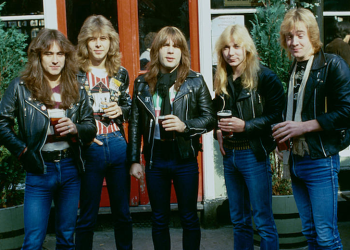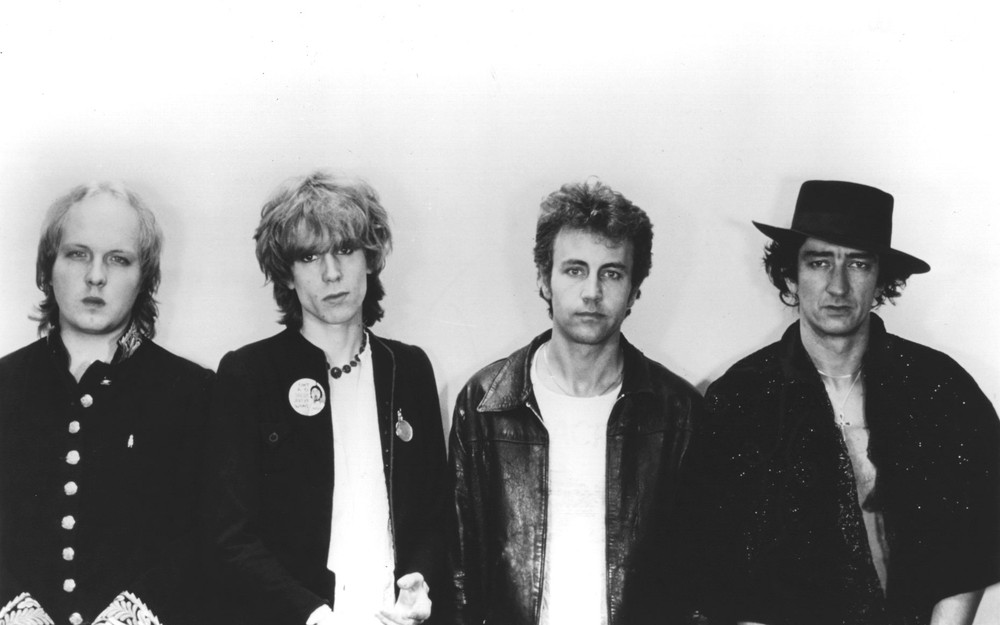
Few bands from the late 1970s underground carried the same mix of danger, romance, and raw emotion as The Only Ones. Blending punk energy with aching melodies and poetic songwriting, the group created songs that felt both reckless and deeply human. Frontman Peter Perrett brought a world weary cool to the band’s sound, delivering lyrics filled with longing, vulnerability, and sharp streetwise observation. While many of their contemporaries leaned heavily into aggression or attitude, The Only Ones stood apart by weaving together jangling guitars, emotional depth, and unforgettable hooks. Their music could sound fragile one moment and explosive the next, creating a timeless appeal that still resonates with listeners decades later. From cult classics to enduring alternative rock staples, the band’s catalog remains filled with songs that capture the beautiful tension between chaos, heartbreak, and restless freedom.
1. Another Girl, Another Planet
Another Girl, Another Planet is the song that turned The Only Ones into cult immortals, a glowing rush of punk romance, guitar fire, and emotional danger. From its opening seconds, the track feels airborne, as if it is already halfway between heartbreak and escape. Peter Perrett’s voice carries a fragile cool that makes the song feel both reckless and wounded, while John Perry’s guitar work gives it a shimmering lift that separates it from so much of the late 1970s punk landscape. The song has all the urgency of punk, but its heart is far more melodic, poetic, and haunted.
What makes Another Girl, Another Planet so beloved is the way it captures intoxication in every sense of the word. It sounds like obsession, danger, romantic fantasy, and self destruction all wrapped into one perfect guitar pop anthem. The lyrics feel mysterious rather than literal, which is part of the magic. Perrett writes like someone standing at the edge of something beautiful and disastrous, and the band plays as though they are chasing him into the unknown. The rhythm section keeps everything moving with lean momentum, while the guitars sparkle, slash, and soar. Decades after its release, the song still feels timeless because it refuses to belong to one scene. It is punk, power pop, new wave, and classic rock all at once, but more importantly, it is pure emotional electricity.
2. Lovers of Today
Lovers of Today captures The Only Ones before the world fully understood how unique they were. The song has the nervous glow of early punk, yet it moves with a kind of romantic sophistication that set the band apart from the louder, rougher groups of the era. Peter Perrett’s vocal sounds detached on the surface, but beneath that cool delivery is a deep current of longing. He had a rare gift for making emotional collapse sound stylish, and this track is one of the clearest examples of that gift. The song feels intimate, urgent, and slightly bruised, like a confession delivered with a cigarette still burning in the ashtray.
The beauty of Lovers of Today lies in its tension between sweetness and decay. The guitars jangle and bite, creating a sound that is melodic without being soft. The rhythm section gives the track enough movement to keep it restless, while the vocal phrasing adds an almost literary mood. This is not simply a love song. It is a snapshot of people trying to connect in a world that already feels unstable. The title itself has a bittersweet quality, suggesting romance that exists in the moment but may not survive it. The Only Ones made songs that sounded lived in, and Lovers of Today remains one of their most affecting early statements. It is charming, damaged, sharp, and beautifully human.
3. The Whole of the Law
The Whole of the Law is one of The Only Ones’ most elegant and emotionally revealing songs, a track that shows how far the band could travel beyond simple punk aggression. There is a graceful melancholy running through the music, with Peter Perrett’s vocal floating above the arrangement like a tired romantic trying to make sense of desire, damage, and devotion. The song’s title gives it a grand, almost philosophical weight, but the performance remains intimate and direct. That contrast is part of what makes it so compelling. The Only Ones could make private heartbreak feel mythic without ever sounding theatrical.
Musically, The Whole of the Law is built on a refined sense of melody. The guitars do not merely support the song. They color it with shade, ache, and movement. John Perry’s playing is especially important, adding lyrical detail that makes the track glow around the edges. Perrett’s songwriting thrives on ambiguity, and here his words suggest emotional surrender without fully explaining the wound. That openness gives the song its lasting power. Listeners can hear obsession, regret, romance, or spiritual exhaustion depending on where they enter it. Compared with the band’s most explosive work, this track moves with restraint, but it is no less intense. It proves that The Only Ones were not just a great cult punk band. They were also masters of mood, atmosphere, and emotionally intelligent rock songwriting.
4. Out There in the Night
Out There in the Night is one of The Only Ones’ most atmospheric songs, filled with nocturnal tension, lonely glamour, and the uneasy pulse of city life after dark. Peter Perrett sounds perfectly at home in this shadowed world, delivering the vocal with a weary elegance that makes the song feel both seductive and dangerous. The track has a refined rock sensibility, but it still carries the nervous energy of the late 1970s underground. Rather than exploding outright, it smolders. That slow burn quality gives the song much of its character, allowing the listener to sink into its mood rather than simply be hit by it.
The brilliance of Out There in the Night is how vividly it creates a setting. The title alone suggests wandering, temptation, and emotional uncertainty, and the band backs that feeling with music that feels restless but controlled. The guitars are expressive without overcrowding the arrangement, adding flashes of drama around Perrett’s voice. The rhythm section keeps the song steady, giving it the feel of movement through dim streets and private thoughts. It is easy to hear why this song has remained a favorite among listeners who appreciate the more cinematic side of The Only Ones. It does not rely on one massive chorus or obvious hook. Instead, it builds its power through atmosphere, personality, and emotional suggestion. It is a perfect example of the band’s ability to make romance sound haunted.
5. No Peace for the Wicked
No Peace for the Wicked brings out the sharper and more urgent side of The Only Ones, showing how naturally they could combine punk velocity with melodic intelligence. The song moves with a restless charge, but it never becomes careless. Every part of the track feels purposeful, from the tight rhythmic push to the guitar lines that cut through the arrangement with bright, nervous energy. Peter Perrett’s vocal is cool and detached in that unmistakable way of his, yet the song itself feels full of inner agitation. That contrast gives the performance its bite.
What makes No Peace for the Wicked so memorable is the way it turns moral unease into rock momentum. The title suggests guilt, consequence, and spiritual unrest, but The Only Ones avoid heavy handed drama. Instead, they channel that tension into a song that feels lean, stylish, and alive. The guitars carry a jagged melodic quality that gives the track its identity, while the bass and drums keep the pressure constant. Perrett had a gift for writing from the perspective of people who seemed trapped between pleasure and punishment, and this song captures that territory beautifully. It is not as universally famous as Another Girl, Another Planet, but it represents the band’s appeal just as well. It has attitude, intelligence, danger, and a sense of emotional unrest that lingers after the final note.
6. From Here to Eternity
From Here to Eternity shows The Only Ones leaning into grandeur without losing their streetwise edge. The title carries a cinematic sweep, and the song lives up to that promise by pairing emotional weight with the band’s unmistakable guitar driven sound. Peter Perrett’s vocal feels weary but romantic, as if he is singing from the middle of a story that has already gone wrong but still holds some strange beauty. His voice is never conventionally polished, yet that is exactly why it works. He sounds human, damaged, observant, and completely believable.
The musical arrangement gives From Here to Eternity a sense of forward motion that matches the title’s vastness. The guitars are melodic and expressive, weaving around the vocal rather than simply charging behind it. John Perry’s playing again adds a crucial layer of sophistication, proving how important his musicianship was to the band’s identity. The rhythm section keeps the track grounded, preventing its romantic scope from drifting into excess. This balance between earthiness and aspiration is central to The Only Ones’ charm. They could write songs that seemed to reach toward the infinite while still sounding like they were born in cramped rooms, clubs, and late night streets. From Here to Eternity remains a standout because it captures that duality so well. It is dramatic, thoughtful, melodic, and quietly devastating.
7. Why Don’t You Kill Yourself
Why Don’t You Kill Yourself is one of The Only Ones’ most provocative songs, and its title alone reflects the band’s willingness to enter uncomfortable emotional territory. Beneath the shock value, however, the track is not merely a blunt piece of punk nastiness. It carries the bitter humor, alienation, and psychological unease that often ran through Peter Perrett’s writing. His delivery makes the song feel less like a simple insult and more like a portrait of exhaustion, cruelty, and fractured communication. The Only Ones were at their best when they made listeners uneasy while still drawing them in with melody and style, and this track does exactly that.
Musically, Why Don’t You Kill Yourself has a sharp, insistent energy that fits its confrontational tone. The guitars are wiry and tense, while the rhythm section gives the track a steady pulse that keeps it moving with purpose. Perrett’s songwriting often explored people living close to the edge, and this song pushes that interest into darker terrain. What makes it work is the band’s refusal to flatten the emotion. There is sarcasm here, but also despair. There is aggression, but also a strange kind of theatrical self awareness. It is not the easiest Only Ones song, but it is one of the most striking. It reminds listeners that the band’s cult reputation was built not only on beauty and romance, but also on risk, discomfort, and dangerous honesty.
8. Programme
Programme captures The Only Ones with a raw live wire intensity that highlights the band’s punk credentials while still leaving room for their distinctive melodic personality. The song feels urgent, clipped, and restless, built around the kind of energy that made their performances so compelling. Peter Perrett’s vocal brings his familiar blend of cool detachment and underlying tension, while the band pushes forward with a wiry attack. It is easy to hear how The Only Ones belonged to the punk era, but it is just as clear that they were never limited by it.
The power of Programme comes from its lean construction. There is no unnecessary ornament, yet the song still feels full of character. The guitars have a sharp edge, but they are not merely noisy. They carry melodic intelligence, adding color and bite in equal measure. The rhythm section drives the track with a sense of nervous purpose, giving it that late 1970s feeling of speed, pressure, and urban unease. Lyrically and vocally, Perrett gives the impression of someone resisting control, expectation, or emotional scripting. That makes the title feel especially fitting, as if the song is pushing against whatever program has been written for the self. Among the band’s deeper favorites, Programme stands as a reminder that The Only Ones could be fierce, concise, and thrilling without sacrificing their strange poetic identity.
9. Someone Who Cares
Someone Who Cares reveals The Only Ones at their most vulnerable, offering a song that feels emotionally direct without losing the band’s cool, damaged elegance. Peter Perrett’s voice is central to the track’s appeal. He sounds fragile, knowing, and slightly removed, as if he is singing from behind a wall that is beginning to crack. That emotional distance makes the song even more affecting. Rather than pleading loudly, he lets the ache sit in the phrasing, allowing the listener to feel the loneliness beneath the surface.
The arrangement of Someone Who Cares is understated but deeply effective. The guitars provide texture and melodic shape, giving the song a gentle glow while still retaining the band’s rough edged character. The rhythm section supports the mood with quiet discipline, never overpowering the emotional center. The song’s title is simple, but that simplicity is part of its force. So many Only Ones songs revolve around desire, damage, and the difficulty of connection, and this track distills those themes into something painfully clear. It is about the need for recognition, tenderness, and some form of emotional shelter. The Only Ones never sounded sentimental in an obvious way, and that restraint makes this song resonate even more. Someone Who Cares remains one of their most quietly moving pieces, a track that rewards close listening and reveals deeper feeling with each return.
10. The Beast
The Beast is one of the darker and more intriguing songs associated with The Only Ones’ early sound, carrying a sense of danger that fits perfectly with the band’s reputation for romantic ruin and psychological tension. The track has an uneasy atmosphere, as if something wild is moving beneath the surface of the performance. Peter Perrett’s vocal style is ideal for this kind of material because he never oversells the menace. Instead, he lets it creep in through tone, phrasing, and implication. He sounds like a narrator who understands the danger because he may already be part of it.
Musically, The Beast has the jagged quality that made The Only Ones such a fascinating band. The guitars do not simply decorate the song. They circle it, adding tension and a sense of unstable motion. The rhythm section keeps the track grounded while still allowing the mood to feel unpredictable. The title suggests instinct, appetite, fear, and inner conflict, all themes that fit naturally into Perrett’s lyrical universe. The Only Ones were never just a romantic guitar band. They were also fascinated by compulsion, self sabotage, and the strange forces that pull people toward trouble. The Beast stands out because it gives those themes a raw musical shape. It is not polished in the conventional sense, but it has atmosphere, nerve, and a dangerous charisma that makes it unforgettable within the band’s catalog.

Samuel Moore is a frequent contributor to Singers Room. Since 2005, Singersroom has been the voice of R&B around the world. Connect with us via social media below.