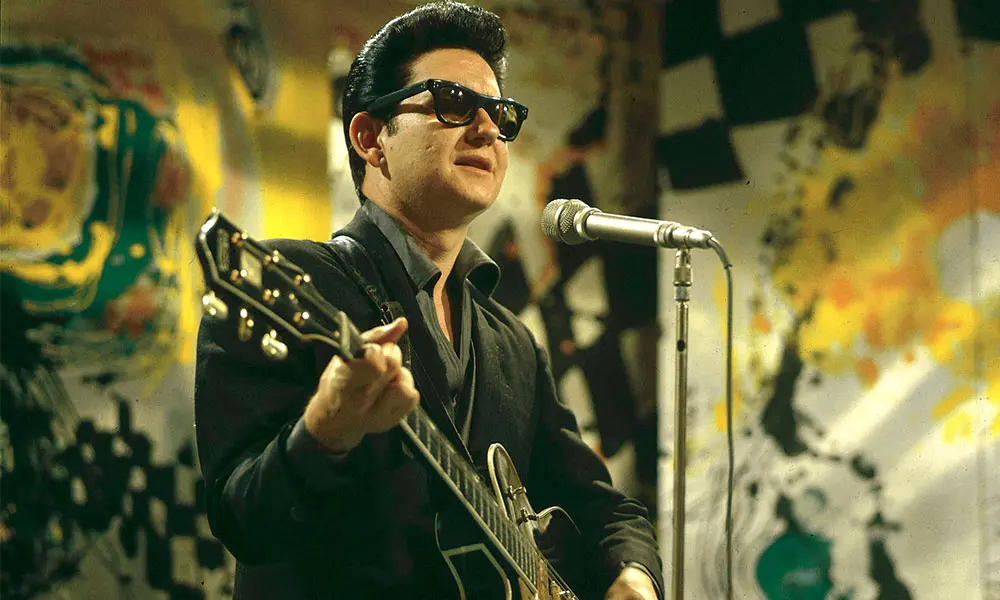
Darkly romantic, emotionally towering, and instantly recognizable, Roy Orbison created some of the most haunting and dramatic songs in rock and roll history. With his operatic voice, trademark sunglasses, and deeply emotional songwriting, Orbison stood apart from nearly every artist of his era. While many early rock stars relied on swagger and rebellion, Orbison built his legacy through heartbreak, vulnerability, longing, and cinematic intensity. His songs often began softly before rising into breathtaking crescendos that showcased one of popular music’s most extraordinary vocal ranges. Whether singing about loneliness, lost love, desire, or emotional devastation, he delivered every line with sincerity and unforgettable power. Backed by lush arrangements and timeless melodies, his greatest recordings blended rock, pop, country, and orchestral drama into a style entirely his own. Decades later, Roy Orbison’s music still feels timeless because it captures raw human emotion with elegance, mystery, and one of the most powerful voices ever heard in popular music.
1. Oh Pretty Woman
“Oh Pretty Woman” is the Roy Orbison song that became a permanent fixture in rock and roll history, a record built on one of the most recognizable guitar riffs ever recorded. From the opening groove, the song walks with confidence, style, and cinematic charm. Orbison’s vocal enters with cool precision, telling a story of sudden attraction with a mixture of wonder, humor, and longing. It is one of the rare songs that feels instantly visual, as if the listener can see the woman passing by and feel the singer’s fascination unfold in real time.
The brilliance of “Oh Pretty Woman” lies in its simplicity and control. The rhythm is lean, the guitar line is unforgettable, and the stop and start vocal moments create suspense without overcomplicating the song. Orbison’s voice is powerful, but he does not need to soar here the way he does in many of his ballads. Instead, he uses timing, personality, and sly restraint to make the track irresistible.
The song remains Orbison’s most widely known hit because it combines rock energy with pop elegance and dramatic storytelling. It has swagger, romance, and a sense of surprise, especially when the emotional outcome shifts near the end. “Oh Pretty Woman” is timeless because it captures one thrilling moment of desire and turns it into a rock classic that still sounds fresh, stylish, and alive.
2. Crying
“Crying” is one of Roy Orbison’s most emotionally overwhelming performances, a song that turns heartbreak into a towering vocal drama. Few singers could make vulnerability sound this majestic. Orbison begins with controlled sadness, almost as if he is trying to hold himself together, but as the song progresses, his voice climbs into one of the most breathtaking crescendos in popular music. It is not just a song about sadness. It is the sound of someone losing the battle to hide it.
The lyric is built around the painful experience of seeing someone from the past and realizing that old feelings remain alive. Orbison sings the story with extraordinary emotional precision. He does not rush the ache. He lets it build line by line, revealing how pride collapses when memory becomes too powerful. The orchestration adds grandeur, but the voice remains the center, carrying the full weight of longing, regret, and helpless love.
“Crying” remains one of Orbison’s most popular songs because it showcases the qualities that made him unlike anyone else in early rock and pop. He could sing with operatic range, but he never sounded detached from real feeling. Every high note lands because the emotion has earned it. The song is dramatic without becoming artificial, polished without losing pain. It stands as one of the greatest heartbreak records ever made.
3. Only the Lonely
“Only the Lonely” is the song that fully revealed Roy Orbison’s unique emotional universe, a place where loneliness, romance, and grand vocal beauty could exist inside a pop record. The track moves with a haunting elegance, built around a melody that seems to drift through empty rooms. Orbison’s voice is unforgettable from the beginning, soft and aching in the lower passages before rising into those famous dramatic peaks. The song made heartbreak sound almost sacred.
What separates “Only the Lonely” from many early 1960s pop ballads is its atmosphere. It is not merely sad. It is lonely in a deep, cinematic way. The background vocals add a ghostly quality, while the rhythm keeps the song gently moving, as if the narrator is walking through memories he cannot escape. Orbison sings with restraint, then releases emotion in carefully timed surges, proving his mastery of tension and release.
The song remains one of his most popular recordings because it established the Orbison blueprint. He was not the typical rock and roll frontman built on swagger alone. He was a singer of private devastation, a man who could make vulnerability feel powerful. “Only the Lonely” endures because it speaks to anyone who has felt isolated by love, loss, or longing. Its beauty lies in how honestly it names that feeling and how magnificently Orbison gives it voice.
4. In Dreams
“In Dreams” is one of Roy Orbison’s most haunting and imaginative songs, a dreamlike masterpiece that moves through longing, fantasy, and emotional collapse with astonishing grace. The song does not follow a conventional pop structure. Instead, it unfolds like a miniature opera, shifting from gentle narration into soaring emotional revelation. Orbison sings of meeting a lost love in dreams, where happiness briefly returns before morning destroys the illusion. That contrast between fantasy and reality gives the song its devastating power.
The arrangement is delicate and cinematic, allowing the story to build naturally. Orbison’s voice is the true architecture of the recording. He moves through different melodic sections with remarkable control, making each change feel like another step deeper into the dream. There is innocence in the opening, tenderness in the middle, and almost unbearable grief near the end. The song’s final emotional turn is one of his most powerful moments.
“In Dreams” remains popular because it captures something universal in a form that feels entirely unique. Many people know the strange comfort and cruelty of dreaming about someone they have lost. Orbison turns that experience into music with rare precision. The song is surreal, romantic, and heartbreaking, yet it never feels excessive. It is one of his greatest examples of pop songwriting as emotional theater, where a private dream becomes an unforgettable shared experience.
5. You Got It
“You Got It” is one of Roy Orbison’s great late career triumphs, a bright and heartfelt song that reintroduced his voice to a new generation while reminding longtime fans that his magic had never disappeared. Released near the end of his life, the song has a warm, uplifting quality that feels both nostalgic and fresh. Orbison sings with clarity, sweetness, and unmistakable authority, proving that his voice still carried the emotional glow that made him legendary decades earlier. It is a comeback song that feels effortless rather than forced.
The melody is direct and memorable, with a chorus that sounds like a promise made without hesitation. The production has a clean late 1980s polish, but it never overwhelms Orbison’s identity. His vocal remains the emotional center, supported by tasteful instrumentation and harmonies that give the song a sense of renewed life. There is joy in the performance, but also a quiet poignancy because the song now carries the weight of farewell.
“You Got It” remains one of Orbison’s most popular songs because it feels like a final gift. It captures romance, generosity, and devotion in language that is simple yet deeply effective. The song also stands as proof that Orbison was not only a voice from rock and roll’s early years. He remained a vital artist capable of creating timeless music across generations. It is tender, confident, and beautifully lasting.
6. Blue Bayou
“Blue Bayou” is one of Roy Orbison’s most graceful songs, a wistful ballad filled with longing for peace, home, and emotional refuge. The song’s beauty comes from its calm surface and deep undercurrent of sadness. Orbison sings as someone dreaming of return, imagining a place where worries fade and love waits near quiet waters. It is not only a song about geography. It is a song about the human need for belonging.
The arrangement is gentle and spacious, allowing the melody to float with a soft, almost tropical ease. Orbison’s vocal is controlled and tender, carrying the ache of homesickness without forcing drama. His phrasing makes the dream of Blue Bayou feel real enough to touch, yet distant enough to hurt. That emotional distance gives the song its lasting poignancy. It is about hope, but hope seen from far away.
“Blue Bayou” remains one of Orbison’s most popular songs because it combines simplicity with atmosphere. Its melody is instantly memorable, and its emotional message is easy to understand across generations. Later versions brought the song to even wider audiences, but Orbison’s original carries a special purity. His voice gives the dream a lonely beauty, turning a gentle ballad into a deeply affecting meditation on escape, memory, and the imagined comfort of home.
7. Running Scared
“Running Scared” is one of Roy Orbison’s most dramatic early masterpieces, a song built almost entirely around suspense. From the first line, the narrator is trapped in emotional fear, worried that a former lover may return and steal away the person he loves. The song moves with a quiet but relentless build, increasing tension step by step until it reaches one of the most thrilling endings in pop history. Orbison turns romantic insecurity into high drama, and every second feels carefully designed to pull the listener closer.
The structure is unusual and brilliant. Instead of relying on a standard repeated chorus, the song climbs continuously, gathering emotional pressure as it goes. The orchestration swells, the rhythm tightens, and Orbison’s voice rises with extraordinary control. He sounds vulnerable, anxious, and hopeful all at once. When the final resolution arrives, it feels like a release the entire song has been waiting for.
“Running Scared” remains popular because it demonstrates Orbison’s gift for storytelling through musical architecture. He did not simply sing dramatic lyrics. He built songs that behaved dramatically. Every chord change and vocal lift serves the story. The song is short, but it feels cinematic because it contains conflict, fear, suspense, and resolution within a compact frame. It is one of his finest examples of how pop music can create emotional tension as powerful as any film scene.
8. Dream Baby
“Dream Baby” shows Roy Orbison in a brighter, more rhythmically relaxed mode, delivering a song that blends pop charm, country warmth, and rock and roll ease. Unlike some of his grand heartbreak ballads, this track moves with a gentle bounce and an appealing lightness. Orbison still brings emotional depth, but the mood is sweeter and more playful, centered on romantic fascination and the dreamy pull of desire. It is one of his most immediately likable recordings.
The song’s rhythm gives it a natural sway, making it feel both radio friendly and rooted in Orbison’s Texas musical background. His vocal is smooth and controlled, gliding through the melody with warmth rather than anguish. The repeated title phrase becomes hypnotic, capturing the way infatuation can loop through the mind again and again. Orbison’s voice elevates the song, turning a simple romantic idea into something polished and memorable.
“Dream Baby” remains popular because it reveals the versatility of Orbison’s catalog. He was famous for operatic sadness, but he could also create easygoing pop records with charm and rhythmic grace. The song has endured because it feels timelessly pleasant without being shallow. Its melody is strong, its performance is confident, and its mood offers a welcome contrast to the darker emotional landscapes that define much of his best known work. It is Roy Orbison at his most inviting and warmly romantic.
9. It’s Over
“It’s Over” is one of Roy Orbison’s most devastating heartbreak songs, a grand ballad that captures the crushing finality of love ending. The title is simple, but Orbison gives it enormous emotional weight. He sings as if every word is part of a difficult truth he can no longer avoid. The song’s power comes from its sense of collapse, the moment when hope gives way and the heart has to face what it already knows.
The arrangement is sweeping and dramatic, perfectly suited to Orbison’s voice. Strings and backing vocals create a lush emotional setting, but the vocal performance is what makes the song unforgettable. Orbison begins with controlled sorrow, then gradually rises into a breathtaking display of range and feeling. He does not merely hit high notes. He makes those notes sound like emotional breaking points. Every rise feels earned by the lyric’s pain.
“It’s Over” remains popular because few songs have ever captured romantic finality with such elegance. It is not angry, not bitter, and not theatrical for its own sake. It is heartbreak viewed with painful clarity. Orbison’s performance gives dignity to devastation, making the listener feel both the beauty of what was lost and the emptiness left behind. The song stands as one of his greatest vocal achievements and one of the most moving breakup records of its era.
10. Mean Woman Blues
“Mean Woman Blues” captures Roy Orbison in a tougher, more rock and roll driven mood, showing the fiery side of an artist often remembered for sweeping ballads and operatic heartbreak. The song has a strong rhythm and blues foundation, filled with swagger, bite, and a sense of playful frustration. Orbison’s vocal is powerful and energetic, proving that he could handle uptempo material with the same authority he brought to dramatic ballads. He sounds confident, sharp, and completely in command.
The track’s appeal comes from its grit. The rhythm section pushes forward, the guitar work adds punch, and Orbison rides the groove with impressive ease. His voice, often associated with soaring vulnerability, takes on a rougher edge here. He leans into the bluesy attitude of the lyric without losing his precision. That balance makes the performance especially compelling.
“Mean Woman Blues” remains a popular part of Orbison’s catalog because it broadens the picture of who he was as a performer. He was not only the lonely dreamer in dark glasses. He was also a rock and roll singer with roots in country, blues, and early rhythm driven music. The song has a lively immediacy that still works beautifully, giving listeners a taste of Orbison’s tougher side. It is bold, catchy, and full of the raw energy that helped shape his early sound.

Edward Tomlin is a frequent contributor to Singers Room. Since 2005, Singersroom has been the voice of R&B around the world. Connect with us via social media below.