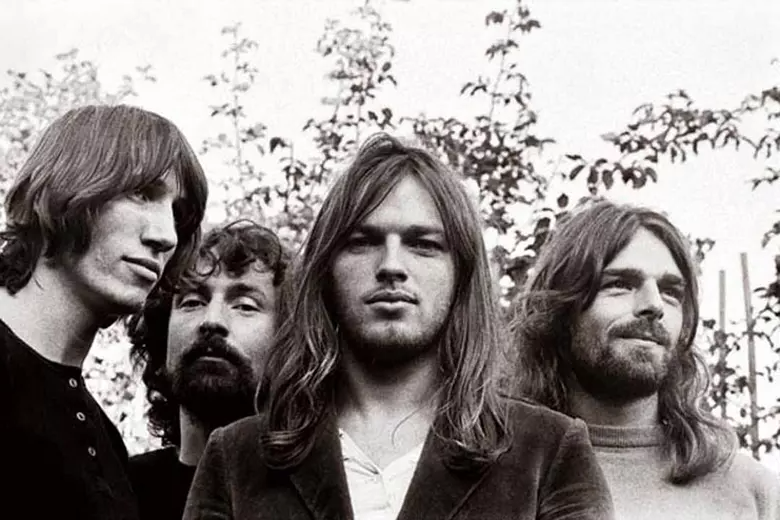
Few bands in rock history created music as immersive, emotional, and thought provoking as Pink Floyd. Blending psychedelic experimentation, progressive rock ambition, and haunting lyrical themes, the band built songs that feel less like ordinary recordings and more like complete emotional experiences. From soaring guitar solos and hypnotic soundscapes to deeply reflective lyrics about time, isolation, war, greed, and human connection, Pink Floyd transformed rock music into cinematic storytelling. Their albums became cultural landmarks, filled with unforgettable moments that continue to captivate generations of listeners. David Gilmour’s expressive guitar work, Roger Waters’ conceptual vision, Richard Wright’s atmospheric keyboards, and Nick Mason’s steady rhythms combined to create a sound unlike anything else in popular music. Whether delivering quiet introspection or massive sonic explosions, Pink Floyd’s greatest songs remain timeless journeys through imagination, emotion, and the darker corners of the human experience.
1. Comfortably Numb
Comfortably Numb is one of Pink Floyd’s most powerful songs because it captures emotional distance with almost surgical precision. The track comes from The Wall, yet it stands on its own as a haunting portrait of disconnection, exhaustion, and the strange numbness that can settle over a person when pain becomes too much to process. Roger Waters’ verses create a clinical atmosphere, almost like a conversation between a doctor and a patient, while David Gilmour’s chorus lifts the song into something vast, mournful, and deeply human. The contrast between those voices gives the recording its dramatic force. Musically, the song is famous for Gilmour’s guitar solos, especially the final solo, which many listeners regard as one of the greatest in rock history. His tone does not simply impress through technique. It sings, cries, pleads, and burns with emotional clarity. The arrangement moves with patience, allowing every phrase to land with weight. Comfortably Numb remains popular because it speaks to a feeling that is difficult to explain but instantly recognizable. It is grand without being hollow, sad without being sentimental, and beautiful without softening the darkness at its core.
2. Wish You Were Here
Wish You Were Here is one of Pink Floyd’s most beloved songs because it turns absence into something almost physical. Built around a warm acoustic guitar figure, the track feels intimate from the first notes, as if the listener has stumbled into a private moment rather than a grand rock performance. The song is often connected to the memory of Syd Barrett, the band’s original creative spark, whose decline and departure left a deep emotional mark on Pink Floyd. Yet the beauty of Wish You Were Here is that it reaches far beyond that specific history. It speaks to anyone who has felt the ache of distance, whether from a lost friend, a former self, or a world that no longer feels real. David Gilmour’s vocal is plainspoken and deeply affecting, avoiding dramatic excess in favor of quiet sincerity. The lyrics ask simple but devastating questions about authenticity, compromise, and emotional survival. The song’s arrangement is spacious, allowing the acoustic guitars to breathe while subtle textures create an atmosphere of memory and longing. Wish You Were Here remains timeless because it does not force grief into spectacle. It lets sorrow sit in the room, gently illuminated by melody.
3. Another Brick in the Wall Part 2
Another Brick in the Wall Part 2 is Pink Floyd’s most famous protest song, a sleek and unforgettable attack on rigid education, emotional repression, and systems that grind individuality into obedience. Released as part of The Wall, the song became a global hit partly because its message was direct, memorable, and easy to chant. Yet beneath its famous refrain is a carefully constructed piece of music that blends rock, disco rhythm, theatrical concept, and social criticism. Roger Waters’ lyrics are sharp and economical, turning childhood frustration into a universal symbol of institutional control. The children’s choir gives the track its most iconic feature, transforming the song from one man’s complaint into a collective act of rebellion. David Gilmour’s guitar solo adds bite and sophistication, bringing bluesy fire into a track otherwise driven by its cool groove. Nick Mason’s drums and the steady bass movement give the song an almost mechanical feel, perfectly matching its theme of conformity. Another Brick in the Wall Part 2 remains popular because it is both accessible and loaded with meaning. It works as a catchy anthem, a theatrical scene, and a critique of authority, all while sounding unmistakably like Pink Floyd.
4. Time
Time is one of Pink Floyd’s most profound songs, a stunning meditation on aging, wasted years, and the sudden realization that life has been moving faster than expected. Opening with a collage of clocks and alarms, the song immediately places the listener inside a world ruled by passing seconds. That introduction is not a gimmick. It is an emotional warning. When the band enters, the music feels heavy, spacious, and urgent, as if time itself has become a physical pressure. The lyrics are among Roger Waters’ most devastating, describing how people drift through youth believing there will always be more chances, only to discover that the starting gun went off long ago. David Gilmour and Richard Wright share vocal duties, bringing both force and melancholy to the song’s message. Gilmour’s guitar solo is magnificent, full of soaring bends and aching sustain, expressing in sound what the words make clear: regret can be overwhelming. The reprise of Breathe near the end adds a weary tenderness, linking the song back to the wider emotional arc of The Dark Side of the Moon. Time remains popular because its message grows more powerful with age. It is not merely a classic rock track. It is a mirror.
5. Money
Money is one of Pink Floyd’s most recognizable songs, famous for its cash register sound effects, unusual rhythm, biting lyrics, and sharply polished groove. Featured on The Dark Side of the Moon, the track stands out because it combines sophisticated musicianship with a direct critique of greed and material obsession. The opening loop of coins and registers immediately establishes the theme before the band slides into one of the most distinctive bass lines in rock history. Roger Waters’ riff is cool, sly, and instantly memorable, giving the song a swagger that matches its cynical subject matter. The seven beat rhythm gives the track an off balance quality, subtly reflecting the absurdity and distortion of a world ruled by profit. David Gilmour’s vocal is dry and confident, delivering the lyrics with just the right amount of sarcasm. His guitar work later explodes into a blues soaked solo that brings heat and release to the song’s tightly controlled structure. The saxophone solo adds another layer of sophistication, giving the track a smoky, almost jazz flavored edge. Money remains popular because it is clever without being cold, accessible without being simple, and critical without sacrificing groove. It is Pink Floyd turning social commentary into unforgettable sound.
6. Shine On You Crazy Diamond
Shine On You Crazy Diamond is one of Pink Floyd’s most majestic works, a sprawling tribute filled with grief, admiration, and cosmic atmosphere. Written in large part as a reflection on Syd Barrett, the band’s former leader, the song carries the emotional weight of friendship, loss, and memory. Its slow opening is among the most patient and evocative passages in progressive rock. Richard Wright’s keyboards create a vast, shimmering space, while David Gilmour’s guitar enters with phrases that feel mournful, deliberate, and almost vocal. Every note seems to hang in the air like a signal sent across an enormous distance. When the band finally settles into the main theme, the song becomes both elegy and celebration. Roger Waters’ lyrics address a vanished figure with tenderness and sorrow, recognizing brilliance while acknowledging damage and absence. The performance avoids cheap sentiment. Instead, it builds an atmosphere where sadness and wonder coexist. Gilmour’s guitar work is deeply expressive, Nick Mason’s drumming is restrained and spacious, and the entire arrangement unfolds like a slow sunrise over emotional ruins. Shine On You Crazy Diamond remains popular because it captures Pink Floyd’s greatest strengths: atmosphere, patience, emotional depth, and the ability to make memory feel monumental.
7. Us and Them
Us and Them is one of Pink Floyd’s most elegant and sorrowful songs, a beautifully arranged reflection on conflict, division, and the quiet human cost of systems that separate people from one another. Featured on The Dark Side of the Moon, the song moves with a dreamlike calm, but beneath that calm lies a deep sadness. Richard Wright’s piano and keyboard textures give the track its floating quality, creating a sense of space that feels almost weightless. David Gilmour’s vocal is gentle and distant, perfectly suited to lyrics that examine war, class, power, and misunderstanding without turning into a simple protest slogan. The song’s dynamic shifts are breathtaking. Soft verses unfold like private thoughts, then the chorus opens into a huge, aching release, supported by soulful backing vocals and rich instrumentation. The saxophone lines add warmth and melancholy, giving the recording a late night jazz tinged beauty. Us and Them remains popular because it expresses a massive idea with grace and restraint. It asks listeners to consider how easily people are divided into opposing sides, and how much suffering hides behind those divisions. Pink Floyd makes the political feel personal, and the personal feel universal.
8. Hey You
Hey You is one of Pink Floyd’s most haunting songs, a desperate cry from behind emotional walls. Placed within the world of The Wall, the track captures the moment when isolation becomes unbearable and the need for connection rises to the surface. The opening acoustic guitar is quiet and tense, drawing the listener into a private space of loneliness. David Gilmour’s vocal is tender and searching, delivering the first verses with a fragile beauty that makes the song feel painfully intimate. As the arrangement grows, Roger Waters’ voice brings a sharper sense of anguish, deepening the drama. The song’s structure mirrors the emotional struggle at its center. It begins as a plea, expands into confrontation, and eventually becomes a recognition that the wall may be stronger than the person trapped behind it. Gilmour’s guitar solo adds a piercing emotional voice, rising above the arrangement with sorrow and force. The rhythm section builds without overwhelming the song’s bleak atmosphere. Hey You remains popular because it captures loneliness in a way that feels both theatrical and deeply real. It is not merely about one character’s isolation. It speaks to anyone who has reached outward and feared that no one could hear.
9. Learning to Fly
Learning to Fly is one of Pink Floyd’s most recognizable songs from their later era, a track that blends atmospheric rock with themes of uncertainty, renewal, and the desire to rise beyond limitation. Released on A Momentary Lapse of Reason, the song arrived during a period of major transition for the band, and that sense of change is woven into its sound. David Gilmour’s vocal carries a calm but searching quality, matching lyrics that use flight as both literal imagery and emotional metaphor. The production has a spacious, polished feel, filled with echoing drums, layered guitars, and airy keyboard textures that create a feeling of motion through open sky. The guitar work is tasteful and lyrical rather than overpowering, showing Gilmour’s ability to communicate emotion through tone and phrasing. Unlike some of Pink Floyd’s darker classics, Learning to Fly contains a sense of aspiration. It recognizes fear and disorientation, but it also points toward movement and possibility. The song became popular because it connected the band’s classic atmospheric identity with a more modern rock sound. It remains a favorite for listeners who appreciate Pink Floyd’s ability to make personal transformation feel cinematic, mysterious, and emotionally expansive.
10. High Hopes
High Hopes is one of Pink Floyd’s most moving late period masterpieces, a song filled with memory, regret, grandeur, and the ache of looking back at a life that has changed beyond recognition. Released on The Division Bell, the track feels like a farewell to youth, innocence, and perhaps even to the band’s own long history. The bell motif gives the song a solemn, almost ceremonial atmosphere, while the piano and orchestral textures create a sense of vast emotional space. David Gilmour’s vocal is reflective and weathered, carrying the lyrics with the gravity of someone surveying the distance between past dreams and present reality. The words evoke childhood fields, lost possibilities, and the irreversible passage of time, themes that have always sat near the heart of Pink Floyd’s music. Gilmour’s guitar solo is breathtaking, especially in the way it seems to rise from sorrow into something majestic. It does not erase the sadness. It gives it shape, dignity, and beauty. High Hopes remains popular because it feels like a final panoramic statement from a band known for turning inner life into sound. It is melancholy, cinematic, and deeply human.

Edward Tomlin is a frequent contributor to Singers Room. Since 2005, Singersroom has been the voice of R&B around the world. Connect with us via social media below.