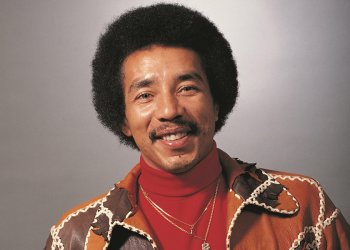
With his gentle voice, reflective songwriting, and deeply spiritual sense of storytelling, Cat Stevens created some of the most heartfelt and enduring songs of the folk rock era. Blending acoustic melodies with themes of love, self discovery, loneliness, freedom, and hope, his music connected with listeners on an intensely personal level. Whether performing intimate ballads like “Father and Son,” uplifting classics such as “Peace Train,” or timeless singalong favorites like “Wild World,” Cat Stevens brought warmth, honesty, and emotional wisdom to every recording. His songs often feel like conversations between generations, reflections on life’s uncertainties, or quiet moments of spiritual searching. Decades after their release, they continue to resonate because they speak to universal emotions with remarkable simplicity and sincerity. These unforgettable tracks celebrate the extraordinary artistry of a songwriter whose music still offers comfort, reflection, and inspiration around the world.
1. Father and Son
Father and Son is one of Cat Stevens’ most powerful songs because it turns a family conversation into a timeless emotional drama. The song presents two voices, a father urging patience and caution, and a son longing for freedom, identity, and a life of his own. Stevens gives each perspective a different vocal character, making the exchange feel intimate and theatrical without ever becoming exaggerated. The father’s lines carry age, worry, and restraint, while the son’s sections rise with frustration, urgency, and youthful hunger. That contrast gives the song its remarkable emotional weight.
What makes Father and Son so enduring is that it never turns either character into a villain. The father is not cruel, and the son is not careless. Both are trying to express love through different languages. The song understands that generational conflict often comes from fear, hope, and misunderstanding rather than simple rebellion. The acoustic arrangement gives the lyric room to breathe, allowing the listener to sit inside the tension. Decades later, it remains one of Cat Stevens’ most beloved songs because it speaks to parents and children alike. It captures the painful beauty of growing apart while still being connected by love.
2. Wild World
Wild World is one of Cat Stevens’ most recognizable songs, a bittersweet farewell wrapped in one of the most memorable melodies of the folk pop era. The song sounds gentle at first, but beneath its warm acoustic surface is a complicated emotional landscape. Stevens sings to someone leaving, offering concern, advice, and affection while also revealing his own sadness. The phrase “wild world” gives the song its universal reach, suggesting a place full of beauty, danger, heartbreak, and possibility. His vocal carries tenderness, but also a trace of resignation, as though he knows love cannot become a cage.
The beauty of Wild World lies in its balance between care and release. It is not a simple goodbye song, because the narrator still feels protective. Yet it is not possessive either. Cat Stevens captures the difficult grace of loving someone enough to let them walk into life on their own terms. The rhythm has a soft sway, the chorus is instantly singable, and the arrangement remains uncluttered, allowing the lyric to carry the emotion. The song has remained popular across generations because almost everyone eventually faces a moment like this. Someone leaves, the world opens, and love becomes a wish for safety from a distance.
3. Morning Has Broken
Morning Has Broken is one of Cat Stevens’ most graceful and spiritually radiant recordings, a song that transforms a traditional hymn into a folk pop classic filled with wonder. The lyric, originally written by Eleanor Farjeon, celebrates the freshness of creation, the beauty of morning, and the sense that every new day carries a kind of sacred renewal. Stevens’ performance is gentle and reverent, but never stiff. He sings with warmth and clarity, making the song feel both devotional and deeply personal. His voice brings humility to the melody, as if he is not performing above the listener but sharing in a moment of quiet gratitude.
The piano accompaniment, famously played by Rick Wakeman, gives the recording much of its luminous character. Its flowing lines feel like sunlight spilling across a landscape, supporting Stevens’ voice with elegance and lift. The power of Morning Has Broken comes from its simplicity and sincerity. It does not argue for wonder. It simply notices it. In a catalog filled with searching, questioning, and emotional reflection, this song stands as one of Stevens’ purest expressions of awe. It remains beloved because it offers peace without sentimentality, faith without heaviness, and beauty without excess. Few songs capture the spiritual freshness of a new beginning so naturally.
4. Peace Train
Peace Train is one of Cat Stevens’ most hopeful and anthemic songs, a folk rock call for unity that became deeply connected to the idealism of the early nineteen seventies. The song moves with a bright, rolling rhythm, creating the feeling of forward motion from the opening moments. Stevens sings with conviction and warmth, inviting listeners to imagine peace not as an abstract political slogan, but as a living movement that people can join. The image of a train is perfect because it suggests momentum, shared direction, and the possibility that hope can gather strength as more voices come aboard.
What makes Peace Train last is the sincerity of its optimism. Stevens does not sound naive in a careless way. He sounds determined to keep believing, even in a world marked by conflict and fear. The song’s greatness lies in its ability to make hope feel active rather than passive. The chorus is easy to sing, which gives the track a communal quality, as if the listener becomes part of the message. Its acoustic foundation keeps it human and approachable, while the rising energy gives it the force of a public anthem. Decades later, Peace Train remains powerful because its dream still feels necessary, urgent, and beautifully simple.
5. Moonshadow
Moonshadow is one of Cat Stevens’ most charming and philosophical songs, a playful acoustic meditation on loss, gratitude, and the strange beauty of existence. At first listen, the song feels light, almost childlike, with its bouncing rhythm and bright melody. Yet the lyric is surprisingly profound. Stevens imagines losing parts of himself, hands, eyes, legs, mouth, and still finding reasons to accept life with wonder. That unusual blend of whimsy and wisdom is what makes the song so distinctive. It feels like a fable sung by someone who has discovered that joy can survive even in the presence of limitation.
The arrangement is spare and inviting, allowing the melody and lyric to shine without distraction. Stevens’ vocal has a gentle smile in it, but the song is not merely cheerful. Moonshadow endures because it treats gratitude as a radical spiritual practice. Instead of focusing on what is missing, it looks for what remains. The title image itself is magical, suggesting a companion made of light and darkness, always moving beside the singer. The song became one of Stevens’ most beloved classics because it speaks to children and adults in different ways. For some, it is a delightful singalong. For others, it is a deep lesson in acceptance, resilience, and wonder.
6. Where Do the Children Play?
Where Do the Children Play? is one of Cat Stevens’ most thoughtful and socially aware songs, a quiet but urgent question about progress, development, nature, and the future. Released at a time when environmental concerns were becoming increasingly visible, the song feels remarkably ahead of its moment. Stevens looks at modern expansion with skepticism, asking what happens when roads, buildings, machines, and ambition leave no room for innocence or natural wonder. The lyric does not lecture with heavy handed anger. Instead, it asks a simple question so clearly that it becomes impossible to ignore.
The acoustic arrangement gives the song a reflective and intimate quality, allowing the concern in Stevens’ voice to guide the listener. His performance is calm, but there is real unease beneath the surface. The song remains powerful because it frames environmental anxiety through the image of children, making the issue emotional, moral, and deeply human. It is not only about trees or cities. It is about what kind of world is being inherited by those who come next. The melody is gentle, which makes the message even more affecting. Where Do the Children Play? continues to resonate because its central question has only grown more urgent with time. It is a song of conscience delivered with grace, compassion, and poetic restraint.
7. The First Cut Is the Deepest
The First Cut Is the Deepest is one of Cat Stevens’ most enduring compositions, a song whose emotional truth has allowed it to live through many famous interpretations. Stevens wrote it early in his career, and its central idea remains instantly recognizable: the first heartbreak leaves a wound that changes every love that follows. His own version carries a rawer, more youthful quality than some later covers, giving the lyric an immediacy that feels deeply sincere. He sings with a sense of guarded vulnerability, as though the narrator wants to love again but knows that innocence cannot be fully restored.
The strength of the song lies in its directness. There is no elaborate storytelling, only the emotional fact of being hurt and trying to continue. Cat Stevens captures one of love’s hardest lessons: healing is possible, but the first deep wound becomes part of the heart’s memory. The melody is strong enough to support soul, rock, pop, and country interpretations, which explains why so many artists have returned to it. Yet the songwriting itself remains the core achievement. Stevens distilled a universal experience into a phrase that feels both simple and profound. The First Cut Is the Deepest remains one of his most important songs because it proves how naturally he could write about pain in language that listeners immediately understand.
8. Oh Very Young
Oh Very Young is one of Cat Stevens’ most tender meditations on youth, time, mortality, and the traces people leave behind. The song has a gentle melodic beauty, but its emotional reach is large. Stevens addresses the young with affection and concern, asking what they will leave to the world during their brief passage through life. The lyric is not gloomy, even though it acknowledges how short existence can feel. Instead, it carries a soft sense of wonder, as if life’s fragility makes every dream, song, and act of love more meaningful.
The arrangement is warm and graceful, built around acoustic textures that let Stevens’ voice remain close to the listener. His vocal has the tone of someone offering wisdom without arrogance. Oh Very Young endures because it speaks across generations with unusual gentleness. It is not a lecture to the young, nor is it a sentimental memory from the old. It is a shared reflection on how quickly life moves and how deeply small things can matter. The song’s melody feels almost like a lullaby, but its questions are profound. What remains after youth passes? What survives after dreams change? Stevens does not answer directly. He leaves the listener with a feeling of tenderness, responsibility, and quiet awe.
9. Hard Headed Woman
Hard Headed Woman is one of Cat Stevens’ most soulful and passionate folk rock songs, showing a more forceful side of his songwriting and vocal delivery. The song is built around a search for a strong, grounded, honest partner, someone with conviction, depth, and emotional clarity. Stevens sings with intensity, pushing beyond the gentle image often associated with his acoustic classics. His voice has grit and urgency here, suggesting desire not only for romance, but for truth. The title phrase points toward strength of character, not coldness. The woman he imagines is someone real, independent, and deeply rooted.
The arrangement gives the song a rich, earthy drive, with acoustic guitar and rhythm working together to create a sense of movement. Hard Headed Woman stands out because it combines romantic longing with spiritual hunger. Stevens is not simply asking for affection. He is asking for someone who can meet him honestly in a confusing world. That desire gives the song emotional force. It belongs to the period when he was developing into one of the most compelling singer songwriters of his generation, able to blend folk intimacy with rock energy and soul feeling. The track remains popular among fans because it shows his music could be tough, searching, and passionate while still carrying his unmistakable melodic warmth.
10. Sitting
Sitting is one of Cat Stevens’ most reflective and spiritually searching songs, a track that captures the restless inner questioning that runs through much of his finest work. The song begins from a place of stillness, but the mind inside it is anything but still. Stevens sings about waiting, thinking, doubting, and trying to understand the direction of life. His vocal carries both patience and unease, making the song feel like a private conversation with the self. It is not as universally known as Wild World or Father and Son, but it remains one of his most compelling statements of introspection.
The arrangement gradually builds around the lyric, giving the song a sense of emotional movement even as the title suggests physical stillness. Sitting works because it understands that spiritual growth often begins in uncertainty. Stevens does not present himself as someone who has solved life’s mysteries. He sounds like someone honestly wrestling with them. That humility is central to his appeal. The melody is memorable, the rhythm has quiet insistence, and the performance captures the tension between contemplation and action. The song remains important in his catalog because it reveals the seeker behind the singer, the artist trying to locate meaning in a world full of noise, change, and unanswered questions.

Edward Tomlin is a frequent contributor to Singers Room. Since 2005, Singersroom has been the voice of R&B around the world. Connect with us via social media below.