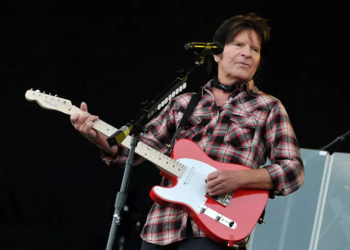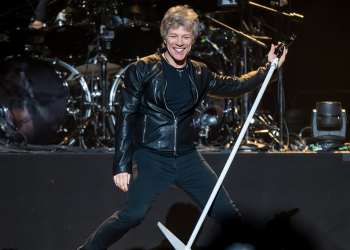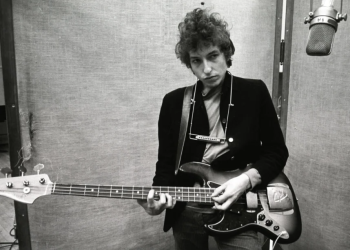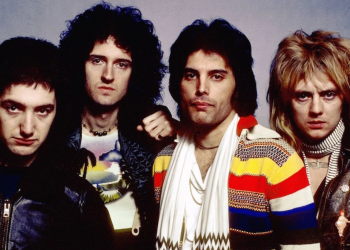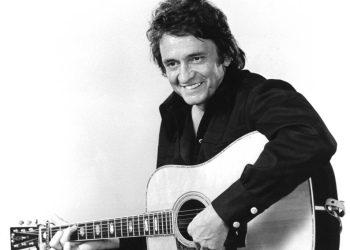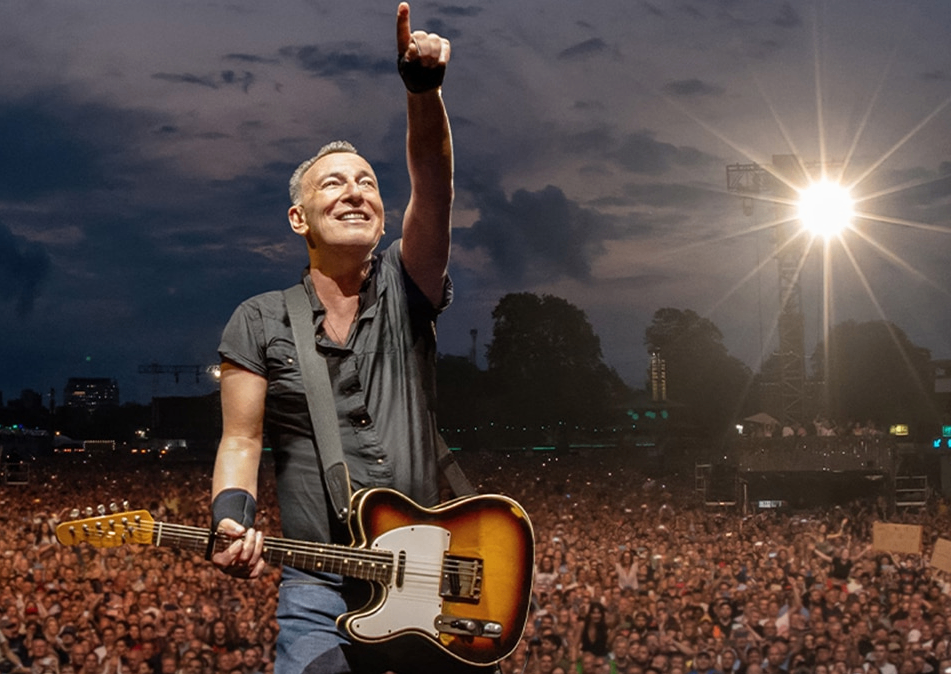
Few artists have captured the restless spirit of America quite like Bruce Springsteen. Known around the world as “The Boss,” Springsteen built a legendary career on songs filled with working class dreams, heartbreak, rebellion, hope, and the search for something greater beyond the horizon. Backed by the powerful energy of the E Street Band, his music blends rock and roll passion with deeply human storytelling that feels cinematic in scope and personal in emotion. From the explosive freedom of “Born to Run” to the emotional honesty of “Dancing in the Dark” and the reflective soul of “Thunder Road,” Springsteen’s songs have become timeless anthems for multiple generations. His ability to turn ordinary lives into unforgettable stories helped define heartland rock and cemented his reputation as one of music’s greatest songwriters and live performers.
1. Born to Run
“Born to Run” is the ultimate Bruce Springsteen anthem, a roaring declaration of escape, youth, romance, and restless hunger. From the first rush of sound, the song feels larger than life, as if every streetlight, engine, boardwalk, and broken dream in New Jersey has been gathered into one explosive piece of rock and roll mythology. Springsteen sings with the urgency of someone who cannot stay still, someone who believes salvation might be waiting just beyond the next highway curve. The song is not only about leaving. It is about the desperate belief that motion itself can become freedom.
The brilliance of “Born to Run” lies in how grand it sounds without losing its human core. The production is dense and cinematic, with pounding drums, surging saxophone, ringing guitars, and a vocal performance that feels almost breathless in its commitment. Yet beneath all that sound is a deeply intimate story about two people trying to outrun disappointment together. Springsteen turns teenage desire into epic drama, making ordinary roads feel mythic and ordinary lovers feel heroic. Decades after its release, “Born to Run” remains one of the most beloved rock songs ever recorded because it captures the exact moment when longing becomes action, when fear gives way to hope, and when a song feels like headlights cutting through the dark.
2. Dancing in the Dark
“Dancing in the Dark” is one of Bruce Springsteen’s most commercially successful songs, but its bright sound hides a surprisingly uneasy emotional center. On the surface, the track moves with sleek eighties energy, powered by a crisp rhythm, glowing synthesizers, and an instantly memorable chorus. Yet Springsteen’s lyric is not simple celebration. It is a portrait of frustration, creative exhaustion, loneliness, and the need to feel alive again. That tension between the song’s upbeat pulse and its restless words is what gives it such lasting power. It sounds like a party, but it is really about trying to break through numbness.
What makes “Dancing in the Dark” so fascinating is how Springsteen reshaped his working class intensity for a new pop era without losing his identity. His vocal is direct, urgent, and slightly frayed, bringing real emotional bite to a polished arrangement. The song became famous partly because of its iconic music video, yet it has endured because the writing speaks to something universal. Everyone knows the feeling of being stuck, waiting for a spark, hoping for change, needing some kind of movement before the spirit goes dull. “Dancing in the Dark” remains a classic because it turns personal restlessness into a massive pop anthem, proving Springsteen could dominate radio while still writing from a place of genuine inner conflict.
3. Born in the U.S.A.
“Born in the U.S.A.” is one of Bruce Springsteen’s most famous songs, and also one of his most misunderstood. Its massive drums, ringing synthesizer line, and arena sized chorus can sound triumphant at first, but the lyric tells a much darker story. Springsteen sings from the perspective of a Vietnam veteran returning home to disillusionment, economic hardship, and a country unwilling to fully reckon with the lives altered by war. The title phrase sounds huge and proud, yet in context it carries pain, irony, and bitter recognition. That contrast is the source of the song’s enduring complexity.
The power of “Born in the U.S.A.” comes from Springsteen’s ability to make protest music feel like a national thunderclap. He does not deliver the song gently. He belts it with a force that suggests anger, grief, endurance, and defiance all at once. The arrangement is bold and unforgettable, but it serves a story of alienation rather than simple patriotism. This is one reason the song remains so important. It invites listeners to look beneath surface spectacle and hear the human cost beneath the chorus. As a popular rock song, it is enormous. As a piece of social storytelling, it is sharp and unsettling. “Born in the U.S.A.” endures because it captures the complicated relationship between national identity, personal sacrifice, and the broken promises faced by people who gave more than they received.
4. Thunder Road
“Thunder Road” is one of Bruce Springsteen’s most cherished songs because it feels like the opening scene of an entire American dream. The harmonica, piano, and gradually swelling arrangement create the sense of a story beginning at dusk, with a screen door, a waiting car, and two people standing at the edge of possibility. Springsteen’s vocal is tender but urgent, filled with the ache of someone who knows time is passing and wants one last chance to believe in escape. The song is romantic, but not in a polished fantasy sense. It is full of bruised hope, small town frustration, and the fragile courage it takes to imagine a different life.
What makes “Thunder Road” so beloved is its emotional generosity. Springsteen does not present the characters as glamorous or perfect. He gives them dignity precisely because they are uncertain, aging, frightened, and still willing to try. The song builds beautifully, moving from quiet invitation to full band release, mirroring the emotional leap at its center. It is about leaving, but it is also about being seen. The narrator asks someone to step into the unknown with him, not because he can guarantee paradise, but because staying still feels like surrender. “Thunder Road” remains a fan favorite because it captures that rare combination of vulnerability and grandeur, turning a simple plea into one of rock music’s most moving promises.
5. The River
“The River” is Bruce Springsteen at his most devastatingly plainspoken, a song that turns personal memory into a quiet tragedy of adulthood, labor, love, and lost possibility. The harmonica introduction immediately sets a mournful tone, evoking wide open spaces and emotional emptiness. Springsteen sings with a restrained ache, telling the story of young romance, early responsibility, economic pressure, and the slow fading of youthful dreams. The river itself becomes a powerful symbol. It once represented escape, intimacy, and promise, but later becomes a place haunted by memory and disappointment.
The greatness of “The River” lies in its refusal to exaggerate. Springsteen does not need dramatic language to make the story hurt. He uses direct images, everyday details, and a vocal performance that sounds as if the narrator has carried this pain for years. The song is often admired for its emotional realism, especially in the way it connects private heartbreak to larger social forces. Work disappears, options narrow, love becomes strained, and the past becomes both refuge and burden. Few songwriters have captured the emotional cost of economic hardship with such grace. “The River” remains one of Springsteen’s most popular and respected songs because it understands that ordinary lives can hold epic sorrow. It is a ballad of memory, regret, and the painful distance between what people dream and what life allows them to keep.
6. I’m On Fire
“I’m On Fire” is one of Bruce Springsteen’s most haunting and understated recordings, proving that he could create intensity through restraint as powerfully as through full band force. The song moves with a quiet, pulsing rhythm that feels almost like a heartbeat in a dark room. Its guitar tone is spare and atmospheric, while Springsteen’s vocal is hushed, intimate, and charged with tension. Rather than spelling everything out, the track thrives on suggestion. Desire, loneliness, danger, and longing all flicker beneath the surface, giving the song an unsettling beauty.
What makes “I’m On Fire” so memorable is its mood. It does not sound like a conventional rock anthem or a standard love song. It feels like a confession whispered from the edge of sleep, where emotions become more intense because they are barely spoken. Springsteen’s voice carries both control and vulnerability, making the lyric feel suspended between yearning and restraint. The arrangement is minimal, but every sound matters. The steady beat, the echo, the guitar accents, and the short running time all contribute to its hypnotic effect. Its popularity has endured because listeners can feel the heat without needing the song to explain it. “I’m On Fire” is one of Springsteen’s great examples of atmospheric songwriting, a track that burns slowly and leaves a lasting mark through mystery rather than volume.
7. Glory Days
“Glory Days” is one of Bruce Springsteen’s most deceptively cheerful songs, pairing a bright barroom rock sound with a lyric about nostalgia, aging, and the strange sadness of living too long in the past. The track is instantly inviting, with a punchy rhythm, rowdy energy, and a chorus that sounds built for loud singalongs. Yet Springsteen’s storytelling has a sharp edge. The characters in the song are not simply celebrating old memories. They are measuring themselves against moments that have already slipped away. The former athlete, the old acquaintance, and the narrator himself all circle the same question: what happens when the best days seem to be behind you?
The brilliance of “Glory Days” comes from the way it lets humor and melancholy share the same space. Springsteen does not mock the people he describes. He recognizes them. He understands the temptation to replay old victories when present life feels smaller, harder, or less glamorous. The band plays with loose, joyful force, which makes the emotional undercurrent even more effective. People dance to the song, laugh with it, and sing along, but its message quietly cuts deep. “Glory Days” remains popular because it is both fun and painfully honest. It captures the comedy and sorrow of nostalgia, reminding listeners that memory can be a comfort, a trap, and a party song all at once.
8. Streets of Philadelphia
“Streets of Philadelphia” is one of Bruce Springsteen’s most moving later period songs, a quiet masterpiece of empathy, isolation, and human dignity. Written for the film Philadelphia, the track takes a restrained approach to enormous emotional subject matter. The rhythm is soft and ghostly, the production is spacious, and Springsteen’s voice is worn down to a near whisper. That choice is crucial. He does not dramatize suffering from a distance. He inhabits a voice marked by exhaustion, fear, memory, and the desire to be recognized before disappearing.
The power of “Streets of Philadelphia” lies in how little it forces upon the listener. The song moves slowly, almost like someone walking alone through a city while carrying an unbearable private burden. Its imagery is simple but devastating, and its emotional directness helped it become one of Springsteen’s most acclaimed songs. It won major awards, but its true achievement is artistic compassion. Springsteen strips away rock grandeur and focuses on vulnerability, creating a song that feels intimate, respectful, and deeply humane. The track remains popular because it speaks to anyone who has felt invisible in pain. “Streets of Philadelphia” is not only a film song or a ballad. It is a portrait of loneliness rendered with rare grace, proving that Springsteen’s storytelling could be just as powerful in a whisper as in an arena roar.
9. Hungry Heart
“Hungry Heart” gave Bruce Springsteen one of his most irresistible pop breakthroughs, combining a bright melody with a lyric that carries a far more complicated emotional weight. The song opens with a buoyant piano figure and a chorus that feels instantly familiar, making it one of the most singable tracks in his catalog. Yet the story beneath the catchy surface is restless and morally uneasy. The narrator leaves behind domestic life in search of something else, driven by a hunger he cannot fully explain or satisfy. Springsteen turns that contradiction into a perfect pop rock character study.
What makes “Hungry Heart” endure is its understanding of desire as both energizing and destructive. The song sounds joyful, but its lyric contains escape, abandonment, and dissatisfaction. That contrast gives it depth beyond its radio appeal. Springsteen’s vocal has warmth and charm, making the narrator likable even when his choices are troubling. The arrangement is concise, melodic, and full of classic craftsmanship, showing how easily Springsteen could write a hit without abandoning his storytelling instincts. The chorus became a communal favorite because it gives voice to a universal truth: people carry longing inside them, even when life appears settled. “Hungry Heart” remains one of his most popular songs because it is catchy enough for casual listeners and layered enough for devoted fans, a compact portrait of human restlessness wrapped in one of his brightest melodies.
10. Badlands
“Badlands” is one of Bruce Springsteen’s fiercest statements of resilience, a song that turns struggle into a roaring demand for meaning. From the opening riff and pounding drums, the track charges forward with a sense of purpose that feels impossible to ignore. Springsteen sings about frustration, anger, and the refusal to be spiritually crushed by disappointment. The song does not pretend life is easy. Instead, it insists that hardship can become fuel, that a person can look directly at bitterness and still choose motion, belief, and defiance.
The enduring force of “Badlands” comes from its balance of toughness and hope. Springsteen does not offer cheap optimism. His narrator has seen enough to know that dreams can be damaged and people can be pushed down. Yet the chorus rises like a battle cry, turning personal survival into communal release. The E Street Band plays with muscular precision, giving the song both grit and lift. Every part of the arrangement feels built for live performance, where audiences can shout the words back as if claiming them for themselves. “Badlands” remains one of Springsteen’s most beloved songs because it captures the heart of his artistic mission. It honors pain without surrendering to it, transforming frustration into a fierce belief that life must still be fought for, sung for, and lived with everything one has.

Samuel Moore is a frequent contributor to Singers Room. Since 2005, Singersroom has been the voice of R&B around the world. Connect with us via social media below.