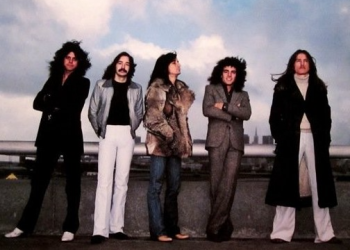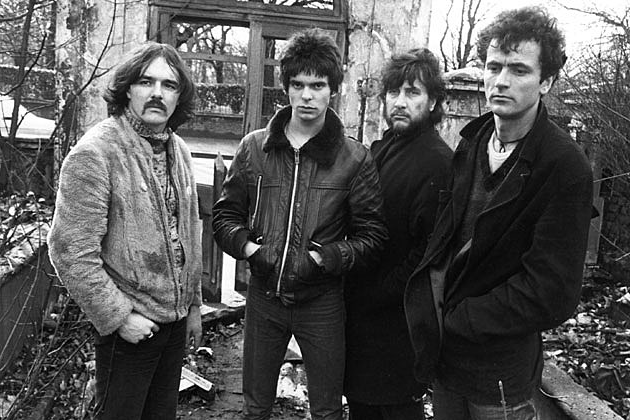
Few bands carved out a sound as darkly stylish and defiantly unconventional as The Stranglers. Emerging from the late seventies with a mix of punk attitude, art rock ambition, and brooding melody, they stood apart from their peers with a sound driven as much by eerie keyboards as by raw guitar force. Their songs often carry a sense of tension beneath the surface, blending sharp wit, menace, and unexpected beauty into something unmistakably their own. Whether delivering hypnotic grooves or stark, emotionally charged ballads, The Stranglers created music that feels both rebellious and refined, leaving behind a catalog that continues to intrigue listeners drawn to the darker edges of rock.
1. Golden Brown
“Golden Brown” is the rare popular song that feels instantly recognizable yet almost impossible to categorize. The Stranglers built it around a harpsichord like keyboard figure that gives the track an elegant, old world shimmer, while the unusual rhythmic sway makes it feel slightly off balance in the most fascinating way. Instead of the hard aggression often associated with their early punk era, this song moves with restraint, mystery, and strange beauty. Hugh Cornwell’s vocal is cool and distant, delivering the lyric with a dreamlike calm that only deepens the song’s ambiguity. “Golden Brown” has often been discussed because of its layered meaning, but its lasting power comes from atmosphere as much as interpretation. It sounds warm and narcotic, romantic and dangerous, graceful and unsettling all at once. Dave Greenfield’s keyboard work is central to the magic, giving the song a baroque elegance that separates it from nearly everything else in early eighties rock. The track became The Stranglers’ most famous recording because it revealed how sophisticated and unexpected they could be. It remains beloved because it does not explain itself. It simply glows, drifts, and leaves a golden trace in the mind.
2. No More Heroes
“No More Heroes” is one of The Stranglers’ defining statements, a fierce and unforgettable punk era anthem that captures disillusionment with wit, bite, and theatrical force. The song charges forward with a pounding rhythm, sharp guitar attack, and Dave Greenfield’s swirling keyboard presence, creating a sound that is far more distinctive than standard punk minimalism. The Stranglers always had a darker, more musically complex edge than many of their contemporaries, and this track proves it with every bar. Hugh Cornwell’s vocal carries a sneering intelligence, delivering references to fallen figures and broken ideals with dry contempt rather than simple anger. The chorus is brutally effective, turning cultural disappointment into a chant that feels both rebellious and oddly mournful. “No More Heroes” became popular because it expressed a mood that stretched beyond one scene or moment. It captured the feeling that old icons had failed, that authority looked hollow, and that the future needed something sharper than inherited mythology. The band’s performance gives the song its power. Jean Jacques Burnel’s bass snarls beneath the surface, Jet Black’s drumming keeps the pressure tight, and the whole track lands like a cynical grin set to rock and roll momentum.
3. Peaches
“Peaches” is one of The Stranglers’ most notorious and instantly identifiable songs, driven by a bass line so thick, sly, and hypnotic that it practically defines the recording before the vocal even begins. Jean Jacques Burnel’s bass carries the track with swaggering menace, while the rhythm moves with a reggae influenced lope that gives the song its strange, sun baked tension. Hugh Cornwell’s vocal is dry, watchful, and deliberately provocative, creating a narrator whose gaze feels uncomfortable by design. That discomfort has always been part of the song’s reputation. “Peaches” is not polite pop, nor is it clean punk rage. It is leering, satirical, crude, funny, and musically irresistible, which makes it one of the band’s most debated classics. The keyboard textures add a queasy brightness, while the drums keep everything locked into a slow, heavy groove. Its popularity comes from the collision between musical cool and lyrical provocation. The Stranglers knew how to make audiences uneasy while still giving them a hook they could not shake. As a recording, it captures the band’s early personality perfectly: confrontational, intelligent, rhythmically sharp, and fully willing to push past good taste in pursuit of impact.
4. Always the Sun
“Always the Sun” shows The Stranglers at their most melodic and reflective, trading some of their early aggression for a broader, more wistful kind of emotional reach. The song has a warm surface, carried by bright keyboards and a clean, memorable chorus, but beneath that accessibility sits a quietly unsettled mood. It asks questions about fairness, fate, and the uneven distribution of happiness without becoming heavy handed. The vocal is measured and thoughtful, giving the song a human seriousness that keeps it from sounding like simple radio pop. What makes “Always the Sun” so enduring is its contrast between brightness and unease. The title suggests comfort, yet the lyric hints that light does not fall equally on everyone. That tension gives the song its depth. The arrangement is smooth and spacious compared with the band’s earlier records, reflecting their evolution into a more atmospheric and mature sound. Still, the identity of The Stranglers remains clear in the slightly shadowed edges and the keyboard driven character. The song became one of their most popular later hits because it opened their music to a wider audience while preserving their skeptical spirit. It is graceful, thoughtful, and quietly haunting.
5. Skin Deep
“Skin Deep” is one of The Stranglers’ finest mid eighties singles, a polished yet quietly cutting song about appearances, trust, and emotional caution. By this point, the band had moved far from the blunt force of their earliest work, but they had not lost their ability to unsettle. The groove is smooth, the keyboards are sleek, and the melody is immediately appealing, yet the lyric carries a warning about surfaces and hidden motives. That contrast is exactly what makes the track so effective. It sounds inviting while quietly telling the listener not to be fooled by what looks inviting. Hugh Cornwell’s vocal is cool and knowing, delivering the message with the tone of someone who has learned suspicion through experience. “Skin Deep” became popular because it fit naturally into the sophisticated pop landscape of its era while retaining The Stranglers’ darker intelligence. The arrangement is elegant, with Dave Greenfield’s keyboard lines adding shimmer and texture, while the rhythm section gives the song a steady, controlled pulse. It is not aggressive in the old punk sense, but it has bite beneath the gloss. The song remains memorable because it proves The Stranglers could evolve without becoming ordinary, turning caution into a sleek, atmospheric pop classic.
6. Walk On By
“Walk On By” is one of The Stranglers’ most remarkable reinterpretations, taking a song associated with elegant heartbreak and transforming it into something darker, heavier, and psychologically charged. Their version stretches the material into a brooding rock performance, allowing the emotional pain inside the lyric to become tense, physical, and almost threatening. Instead of smoothing the hurt, the band roughens it. The bass digs deep, the keyboards swirl with eerie color, and the guitar adds a harder edge that changes the emotional temperature completely. Hugh Cornwell’s vocal does not plead sweetly. It sounds controlled, wounded, and slightly dangerous, as though restraint is the only thing keeping the feeling contained. “Walk On By” became one of the band’s most admired recordings because it shows how imaginative they could be with outside material. They do not simply cover the song. They rebuild it in their own image, finding shadows inside a familiar melody and expanding them until they fill the room. The extended instrumental passages reveal the band’s musicianship, especially their ability to create atmosphere through repetition and tension. It remains a favorite because it captures The Stranglers’ gift for turning sophistication into menace and heartbreak into something almost cinematic.
7. Duchess
“Duchess” is one of The Stranglers’ most elegant and sharply crafted pop moments, a song that combines melodic charm with the band’s unmistakable sense of irony and tension. It has a lighter touch than their earliest singles, but beneath the graceful surface is a cool intelligence that keeps it from becoming straightforward sweetness. The melody is bright and memorable, the rhythm moves with crisp confidence, and Dave Greenfield’s keyboard presence gives the track its distinctive color. Hugh Cornwell sings with a measured, slightly detached tone that suits the lyric’s mixture of fascination and skepticism. The title figure feels glamorous, distant, and possibly untouchable, turning the song into a miniature portrait of desire shaped by class, fantasy, and performance. “Duchess” became popular because it showed the band could write concise, radio friendly songs without abandoning their personality. It has polish, but not blandness. It has charm, but not innocence. The guitars and keyboards create a stylish frame, while the rhythm section keeps everything brisk and purposeful. The song remains beloved because it captures The Stranglers in a moment of refinement, proving their darkness could be playful, their pop instincts could be sharp, and their melodies could linger long after the final note.
8. Something Better Change
“Something Better Change” is The Stranglers in raw, urgent, street level form, a compact blast of frustration that captures the pressure and impatience of the late seventies with brutal clarity. The song does not waste time dressing up its message. It moves fast, hits hard, and carries the feeling of people who have grown tired of being told to wait. The title itself is a demand, not a suggestion, and the band plays it that way. Hugh Cornwell’s vocal is sharp and forceful, while the rhythm section drives forward with a tight, almost mechanical intensity. Jean Jacques Burnel’s bass gives the song its snarling weight, and Dave Greenfield’s keyboards add an unusual edge that keeps The Stranglers from sounding like any other punk band of the moment. “Something Better Change” became popular because it translated social and personal dissatisfaction into a direct musical attack. It is not subtle, but it is not mindless either. The Stranglers had a talent for making anger sound intelligent and rhythmically compelling. The song remains important because it captures their early energy at full force, before polish entered the picture, when everything sounded immediate, confrontational, and built to disturb complacency.
9. Hanging Around
“Hanging Around” is one of The Stranglers’ most vivid early songs, a track that captures urban boredom, underground character, and sly observational humor with gritty confidence. The song moves with a steady, slightly sinister groove, using bass, organ, and guitar to create a smoky atmosphere full of people watching, aimlessness, and low level menace. Hugh Cornwell’s vocal has the tone of someone reporting from a place where respectable society does not quite reach. He sounds amused, detached, and alert to every strange detail. That sense of perspective gives the song its personality. “Hanging Around” is not merely about doing nothing. It is about the world that gathers when people have nowhere better to go, the clubs, streets, habits, and half hidden rituals of city life. Dave Greenfield’s organ gives the track a distinctive theatrical flavor, while Jean Jacques Burnel’s bass keeps the mood dark and muscular. The song became popular with fans because it embodies the early Stranglers atmosphere so completely. It is grimy but intelligent, funny but bleak, catchy but strange. As a recording, it reveals the band’s ability to turn everyday stagnation into something dramatic, stylish, and deeply memorable.
10. European Female
“European Female” is one of The Stranglers’ most atmospheric and sensual later songs, marking a shift toward a more refined, continental sound while keeping the band’s shadowy identity intact. The track glides rather than attacks, built around smooth textures, electronic touches, and a mood that feels elegant but slightly dangerous. It reflects a period when The Stranglers were expanding their palette, moving beyond the aggressive punk associated with their earliest fame into something cooler, more stylized, and more cinematic. The vocal is controlled and understated, giving the song a sense of fascination without obvious confession. “European Female” works because it suggests more than it explains. The title conjures an image, a presence, a mysterious figure shaped by desire, geography, and imagination. The arrangement has a sleek nocturnal quality, with keyboards and rhythm working together to create an atmosphere of distance and allure. Its popularity comes from the way it presents the band in a more sophisticated frame without draining away their strangeness. The Stranglers were never simply punks, and this song makes that clear. It is stylish, moody, and quietly hypnotic, showing their ability to reinvent themselves while remaining unmistakably outside the ordinary mainstream.

Edward Tomlin is a frequent contributor to Singers Room. Since 2005, Singersroom has been the voice of R&B around the world. Connect with us via social media below.