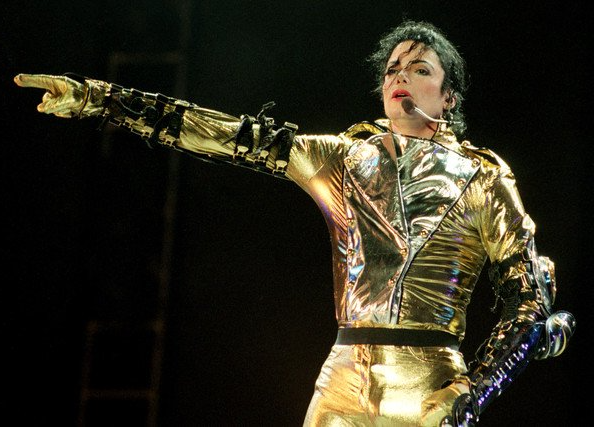
From moonwalking across global stages to redefining the sound of pop music, Michael Jackson didn’t just dominate charts—he reshaped the very fabric of modern entertainment. With a voice that could glide effortlessly from silky smooth to electrifying intensity, and a catalog packed with genre-defining hits, his music continues to echo through generations. Each song tells a story, pushes boundaries, and captures a moment in time. This collection dives into the unforgettable tracks that cemented his legacy as the King of Pop and changed music history forever.
1. Billie Jean
Billie Jean is the sound of pop music stepping into the future with a spotlight under its feet. From the first seconds of that unmistakable bass line, the record creates a world of mystery, tension, rhythm, and cinematic cool. Michael Jackson does not simply sing the song. He inhabits it like a character caught inside a noir drama, surrounded by whispers, suspicion, and flashing cameras. The vocal is one of his greatest performances because it balances precision with paranoia. Every breath, hiccup, and clipped phrase feels intentional, as if the anxiety of the story has entered the rhythm itself.
What makes Billie Jean so extraordinary is how sparse it feels despite its enormous impact. The groove is lean, the drums are sharp, and the arrangement leaves space for suspense to gather. It is dance music with a shadow. The track does not explode in the usual way. Instead, it tightens its grip. Michael’s voice glides across the beat with impossible control, turning a story of denial and accusation into something hypnotic.
The song also became inseparable from his visual identity. The glowing sidewalk, the fedora, the single glove, and the moonwalk helped transform Michael Jackson from superstar into mythic figure. Yet even without the imagery, Billie Jean remains a masterpiece of rhythm and restraint. It is sleek, eerie, elegant, and endlessly replayable, a record that still sounds modern because it was never chasing a trend. It was inventing one.
2. Thriller
Thriller is not merely one of Michael Jackson’s most popular songs. It is a full scale pop culture event disguised as a single. The track fuses funk, disco, horror theater, and dance floor spectacle into something that feels both playful and grand. Written with a storyteller’s instinct and produced with cinematic flair, it turns a monster movie fantasy into a groove that refuses to age. Michael’s vocal performance is sly, animated, and wonderfully theatrical. He understands that the song needs charisma as much as melody, so he sings with a wink, a shiver, and a dancer’s sense of timing.
The arrangement is packed with atmosphere. The bass moves with delicious menace, the synth textures glow like moonlight on fog, and the rhythm keeps the supernatural imagery grounded in pure physical motion. The genius of Thriller is that it makes fear fun. It invites listeners into the haunted house, then hands them a beat they can dance to.
Vincent Price’s spoken section gives the recording its final gothic flourish, but Michael remains the center of gravity. His phrasing keeps the track lively rather than campy, elegant rather than silly. The accompanying short film expanded the song’s universe and changed expectations for music videos forever, but the record itself still works beautifully on its own. It is catchy, stylish, theatrical, and brilliantly constructed.
Thriller remains popular because it occupies a rare space in music history. It is seasonal and timeless, spooky and joyful, theatrical and deeply musical. Few songs have ever created such a vivid world in so little time.
3. Beat It
Beat It is Michael Jackson’s great rock and pop collision, a record that proved his musical imagination could cross boundaries without losing identity. The song opens with urgency and never really relaxes. Its message is direct: walk away from violence, reject empty pride, and survive. Yet the performance is not timid or moralizing. Michael sings with sharp intensity, turning restraint into strength. He sounds alert, pressured, and determined, as though the danger in the lyric is unfolding right in front of him.
The production is muscular but clean. The rhythm has the force of rock, the chorus has the immediacy of pop, and Eddie Van Halen’s guitar solo brings a burst of fire that still feels electrifying. What makes Beat It remarkable is how naturally these worlds coexist. It does not sound like a pop artist borrowing rock clothing. It sounds like Michael Jackson expanding the language of mainstream music.
The vocal arrangement is also crucial. Michael’s stacked harmonies give the chorus power without making it heavy, while his lead vocal keeps the verses tense and focused. He uses short phrases almost like warning signals, letting the beat carry the confrontation.
The song’s popularity comes from more than its famous riff or explosive guitar break. Beat It has moral clarity, musical force, and enormous replay value. It is tough without being cruel, dramatic without being bloated, and accessible without being ordinary. In Michael’s catalog, it stands as one of the strongest examples of his ability to fuse message, movement, and mass appeal.
4. Smooth Criminal
Smooth Criminal is Michael Jackson at his most stylishly dangerous, a song built like a chase scene inside a nightclub. Everything about it feels sharpened. The beat snaps, the bassline prowls, and Michael’s voice cuts through the arrangement with icy precision. The lyric is mysterious and dramatic, centered around the repeated question of Annie’s condition, but the track’s real power comes from atmosphere. It creates a world of crime, panic, elegance, and choreography, all moving at breathtaking speed.
Michael’s vocal performance is a marvel of rhythmic control. He spits out phrases in quick bursts, shifts into breathy urgency, then snaps back into melodic command. Few pop singers have ever used the voice as percussively as Michael does here. Every gasp and accent becomes part of the groove. The result is a song that feels almost mechanical in its precision, yet completely alive in its tension.
The visual legacy of Smooth Criminal is enormous, especially the iconic lean and the 1930s gangster inspired imagery. Still, the recording itself is powerful enough to stand apart from the video. It is one of his most rhythmically inventive tracks, built on suspense rather than warmth. There is little softness here. The song is sleek, silver toned, and relentless.
Smooth Criminal remains popular because it captures Michael Jackson’s rare gift for turning pop music into architecture. The sound, story, movement, and image all lock together. It is not just a song you hear. It is a scene you enter.
5. Man in the Mirror
Man in the Mirror is one of Michael Jackson’s most emotionally direct recordings, a song that transforms self examination into communal uplift. Unlike some of his tracks that rely on mystery, fantasy, or high gloss spectacle, this one begins from an intensely human place: the recognition that change has to start within. Michael sings it with a sincerity that builds slowly and powerfully. At first, he sounds reflective, almost conversational. By the end, he is testifying.
The arrangement is carefully shaped for emotional ascent. It begins with restraint, allowing the melody and lyric to establish their quiet moral force. Then the choir enters, the dynamics widen, and the song becomes something close to a modern gospel statement. What makes Man in the Mirror so moving is that it never feels detached from personal responsibility. It does not simply ask the world to improve. It asks the singer, and by extension the listener, to begin the work.
Michael’s vocal is beautifully judged. He avoids over singing early on, saving the greater intensity for the final stretch, where his ad libs and cries push the song toward catharsis. The performance feels less like a polished studio exercise and more like a public vow.
The song remains popular because its message is universal without becoming vague. It speaks to conscience, compassion, and accountability in language almost anyone can understand. Man in the Mirror endures because it captures Michael Jackson’s idealistic side at full strength, wrapped in a melody that feels both intimate and monumental.
6. Bad
Bad is Michael Jackson playing with confrontation, image, and swagger at maximum volume. The song arrived at a point when he was already the most famous performer in the world, which makes its central question especially fascinating. How does an artist follow a global phenomenon? Michael’s answer was to sharpen the edges, lower the lights, and step forward with theatrical defiance. Bad is not simply about toughness. It is about performance as armor.
The groove is tight and angular, built for movement. The rhythm punches with clean precision, while the bass and synth textures give the track a streetwise gleam. Michael’s vocal is aggressive by his standards, filled with clipped phrases, exclamations, and rhythmic jabs. He turns the word bad into a declaration of style, control, and self possession. The song’s power lies in how knowingly he performs that attitude. There is menace, but also theater. There is confidence, but also craft.
The music video, directed with cinematic ambition, helped define the song’s identity, but the recording itself is a formidable pop machine. Its hooks are immediate, its structure is lean, and its attitude is unmistakable. Michael uses repetition as a weapon, making the central phrase feel bigger each time it returns.
Bad remains popular because it captures a fascinating side of Michael Jackson: the disciplined perfectionist portraying rebellion with immaculate precision. It is bold, stylish, and unforgettable, a song that turns bravado into choreography and pop into spectacle.
7. Black or White
Black or White is Michael Jackson’s global pop anthem of unity, built with the scale and confidence of an artist addressing the entire planet. The song blends pop rock energy with a bright, accessible chorus and a message centered on racial harmony. What makes it work is its immediacy. The guitar riff is clean and memorable, the rhythm has a spring loaded drive, and Michael’s vocal carries both optimism and urgency. He sings as though the message should be obvious, yet still needs to be shouted from the rooftops.
The production has a broad, open sound that suits the theme. It is less shadowy than Billie Jean and less theatrical than Thriller, but it has its own kind of power. Black or White succeeds because it turns a social statement into a massive singable hook. The chorus is direct, almost conversational, and that simplicity gives it global reach.
Michael’s performance is energetic and focused. He brings bite to the verses and warmth to the refrain, making the song feel both personal and universal. The accompanying video expanded the message through images of cultural connection, dance, and transformation, but the song’s foundation is strong enough without visual support.
Its popularity comes from the way it balances message and momentum. Black or White is not a quiet plea. It is bright, rhythmic, and declarative. It captures Michael Jackson’s ambition to make pop music that could entertain millions while also carrying an idealistic charge. Few artists could make that combination feel so natural.
8. Don’t Stop ’Til You Get Enough
Don’t Stop ’Til You Get Enough is the moment adult Michael Jackson fully arrives, glowing with confidence, freedom, and rhythmic sophistication. The song feels like a door opening into a new era. It has the shimmer of disco, the snap of funk, and the elegance of Quincy Jones’s production, but at the center is Michael’s own creative spark. His vocal is astonishingly light and agile, floating above the groove with a falsetto that sounds weightless but never weak.
The track’s greatest pleasure is its sense of motion. The percussion bubbles, the strings flash, the bass moves with elastic grace, and Michael’s voice rides the whole arrangement like a dancer catching light. It is one of the finest examples of joy translated into sound. There is no heaviness, no strain, no wasted drama. The song simply keeps rising, inviting the listener deeper into its pulse.
Michael’s spoken introduction adds a charming sense of anticipation, as if he is letting the audience in on a secret before the music erupts. Once the groove begins, the record becomes almost impossible to resist. It is sensual without being crude, polished without being sterile, and sophisticated without losing its sense of fun.
Don’t Stop ’Til You Get Enough remains popular because it captures liberation. It is the sound of a young artist stepping beyond childhood fame and discovering the full force of his own musical identity. Radiant, stylish, and endlessly danceable, it still feels like pure ignition.
9. Rock With You
Rock With You is one of Michael Jackson’s smoothest and most elegant recordings, a song that turns the dance floor into a place of intimacy rather than spectacle. Where Don’t Stop ’Til You Get Enough sparkles with ecstatic lift, Rock With You glows with warmth and control. It is relaxed, sensual, and beautifully balanced, carried by a groove that never hurries because it knows exactly how persuasive it is.
Michael’s vocal is the heart of the record. He sings with a velvet touch, shaping each phrase with subtle grace. The performance is youthful but refined, full of charm without ever sounding forced. His genius here is in making effortlessness feel expressive. He does not push the song toward drama. He lets it sway. That restraint gives the track its enduring sophistication.
The arrangement is a masterclass in late disco polish. The bass is rounded and steady, the percussion is crisp, and the background textures shimmer without overcrowding the vocal. Everything serves the groove. The chorus is simple, but Michael delivers it with such fluidity that it feels almost luxurious.
Rock With You remains popular because it captures a mood that never goes out of style. It is romantic without being sentimental, danceable without being frantic, and polished without losing soul. The song shows Michael Jackson not as a spectacle, but as a consummate vocalist with extraordinary feel. It is one of his most graceful recordings, and one of the great slow burning pop dance tracks of its era.
10. Remember the Time
Remember the Time is Michael Jackson’s new jack swing elegance at its most seductive, a song that wraps nostalgia in rhythm and polish. The track looks backward emotionally while sounding completely modern for its era. Its lyric is built around memory, romance, and the lingering glow of a relationship that still haunts the imagination. Michael sings it with a mixture of sweetness and rhythmic command, making the past feel vivid rather than distant.
The production is sleek, percussive, and richly textured. The beat has the snap and sophistication associated with the early 1990s, but Michael’s vocal phrasing gives it a timeless quality. He dances through the melody with remarkable ease, using breath, emphasis, and syncopation to create movement inside every line. Remember the Time works so well because it treats memory as something physical, something the body can still feel through rhythm.
The chorus is among his most inviting, warm enough to sing along with yet polished enough to feel luxurious. Michael’s performance balances longing with pleasure. He is not simply mourning what has passed. He is savoring it, replaying the emotional details with a smile and a ache at the same time.
The celebrated video, set in an Ancient Egypt fantasy, added cinematic grandeur and star power, but the song itself remains the foundation. Remember the Time endures because it captures Michael Jackson’s ability to evolve with contemporary sounds while preserving his unmistakable melodic identity. It is romantic, rhythmic, stylish, and deeply replayable.

Samuel Moore is a frequent contributor to Singers Room. Since 2005, Singersroom has been the voice of R&B around the world. Connect with us via social media below.