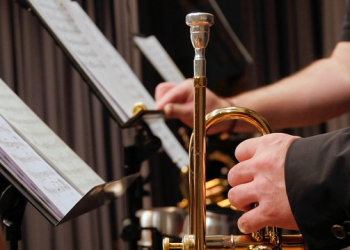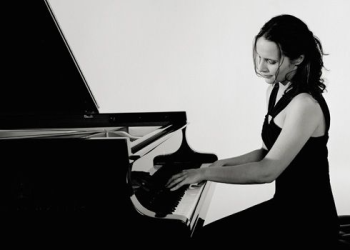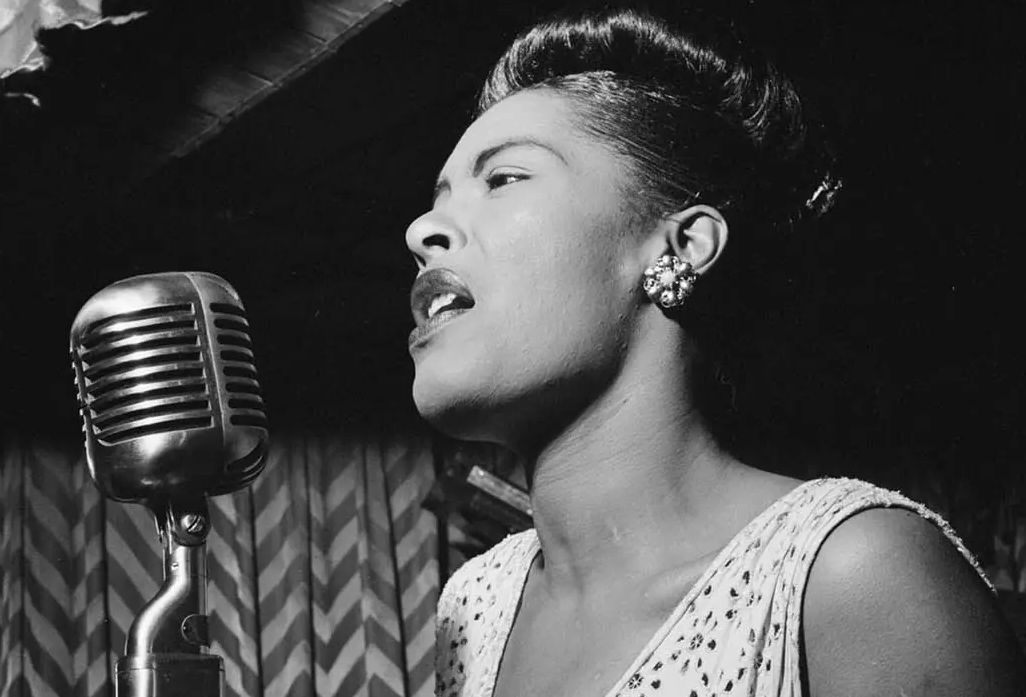
From smoky late night clubs and elegant concert halls to timeless recordings that still sound alive decades later, jazz has produced some of the most influential artists in music history. The greatest jazz musicians combined technical brilliance with fearless creativity, transforming improvisation into an art form filled with emotion, sophistication, and individuality. Some became legends through breathtaking instrumental mastery, while others captivated audiences with unforgettable vocals, groundbreaking compositions, and revolutionary musical ideas. Across swing, bebop, cool jazz, fusion, and soul jazz, these iconic performers pushed the boundaries of rhythm, harmony, and expression. Their music continues to inspire listeners around the world, proving that jazz remains one of the richest, boldest, and most emotionally powerful forms of music ever created.
1. Louis Armstrong
Louis Armstrong stands as one of the most popular jazz artists of all time because he helped turn jazz from a regional New Orleans style into a worldwide musical language. Born in New Orleans, Armstrong rose from difficult beginnings to become one of the most beloved entertainers and most important instrumentalists in history. His trumpet playing changed the role of the soloist, giving jazz a new sense of individual voice, swing, and emotional personality. His most famous songs include West End Blues, Potato Head Blues, Heebie Jeebies, When the Saints Go Marching In, La Vie En Rose, Hello, Dolly!, and What a Wonderful World. What a Wonderful World became one of his most treasured recordings, showing his warm vocal tone and ability to make a simple lyric feel deeply human. Yet Armstrong’s earlier trumpet work remains just as historic, especially in the way he phrased melodies with freedom, force, humor, and soul. His gravelly singing voice was instantly recognizable, while his trumpet could sound joyful, heroic, tender, or blues soaked. Armstrong was not only a jazz musician. He was a cultural ambassador whose presence introduced millions to the sound and spirit of jazz. Every major jazz soloist who followed owes something to his imagination, courage, and unmistakable swing.
2. Miles Davis
Miles Davis remains one of the most influential jazz artists of all time because he repeatedly changed the direction of the music without losing his personal identity. Born in Illinois, Davis emerged in the bebop era before becoming a central figure in cool jazz, hard bop, modal jazz, orchestral jazz, fusion, and electric experimentation. His top recordings include So What, Freddie Freeloader, Blue in Green, All Blues, Round Midnight, Milestones, Sketches of Spain, and Bitches Brew. So What, from the landmark album Kind of Blue, is one of his most famous performances, built on spacious modal harmony and a cool, relaxed atmosphere that allowed improvisation to breathe. Davis did not need to play many notes to make a phrase unforgettable. His trumpet tone could be muted, lonely, elegant, sharp, or smoky, often using silence as powerfully as sound. He had an extraordinary gift for choosing collaborators, with bands that included John Coltrane, Cannonball Adderley, Herbie Hancock, Wayne Shorter, Tony Williams, Chick Corea, and many more. Davis made jazz feel modern in every decade he touched. His popularity comes from both mystery and authority. He sounded like someone who had already moved past the obvious answer and was inviting everyone else to catch up.
3. Duke Ellington
Duke Ellington is one of the most popular jazz artists of all time because he elevated jazz composition, arranging, and bandleading into high art without losing swing, elegance, or entertainment value. Born Edward Kennedy Ellington in Washington, D.C., he became a defining figure of the big band era and led one of the greatest orchestras in music history for more than fifty years. His most famous works include Take the A Train, Mood Indigo, It Don’t Mean a Thing, Sophisticated Lady, In a Sentimental Mood, Caravan, Prelude to a Kiss, and Black and Tan Fantasy. Take the A Train, written by Billy Strayhorn and forever linked to Ellington’s orchestra, became a signature theme that captures the speed, glamour, and urban sophistication of jazz in motion. Ellington’s genius was not simply writing melodies. He wrote for people. He knew the individual tones of his musicians and crafted pieces that allowed their personalities to shine. His orchestra could sound lush, bluesy, exotic, playful, sacred, or cinematic. Ellington expanded jazz beyond dance music into suites, concert works, sacred concerts, and extended compositions. His popularity endures because his music feels grand without becoming stiff. It swings, glows, seduces, and speaks with unmistakable class.
4. John Coltrane
John Coltrane is one of the most revered jazz artists of all time because he turned the saxophone into a channel for technical discovery, emotional urgency, and spiritual searching. Born in North Carolina, Coltrane developed through years of intense study and performance, gaining major attention with Miles Davis before becoming a visionary bandleader. His essential recordings include Giant Steps, Naima, My Favorite Things, Blue Train, Equinox, Impressions, and the monumental suite A Love Supreme. Giant Steps remains one of his defining works, famous for its challenging harmonic movement and dazzling improvisational demands. Yet Coltrane’s greatness is not only about difficulty. His tone could be prayerful, muscular, searching, and overwhelming, as if every solo were part of a larger quest. In the early 1960s, his classic quartet with McCoy Tyner, Jimmy Garrison, and Elvin Jones created some of the most powerful music in jazz history. Coltrane pushed beyond bebop into modal exploration, avant garde intensity, and deep spiritual expression. His popularity among listeners and musicians continues because his music feels alive with purpose. He did not simply perform jazz. He used it to ask questions about faith, suffering, beauty, discipline, and transcendence.
5. Ella Fitzgerald
Ella Fitzgerald is one of the most popular jazz artists of all time because her voice combined warmth, clarity, swing, humor, and technical brilliance in a way few singers have ever matched. Known as the First Lady of Song, Fitzgerald rose to fame in the swing era and remained a beloved figure across decades. Her greatest recordings include A Tisket, A Tasket, Dream a Little Dream of Me, Summertime, Cheek to Cheek, Mack the Knife, Someone to Watch Over Me, and her celebrated songbook albums devoted to composers such as Cole Porter, George Gershwin, Duke Ellington, and Irving Berlin. Summertime shows her ability to turn a familiar standard into something elegant, controlled, and deeply expressive. Fitzgerald’s diction was immaculate, her pitch was extraordinary, and her sense of swing felt effortless. She was also one of the greatest scat singers in history, using her voice like a horn as she improvised with rhythm, melody, and playful invention. What makes Ella especially beloved is the sense of joy in her singing. Even when the material is romantic or melancholy, there is an inner light in her tone. She made jazz vocals feel graceful, generous, and endlessly musical. Her popularity has never faded because her recordings still sound fresh, charming, and beautifully alive.
6. Billie Holiday
Billie Holiday is one of the most emotionally powerful jazz artists of all time because she changed the meaning of vocal interpretation. Born Eleanora Fagan, Holiday did not possess the polished range of some singers, but she had something even rarer: a voice that could bend time, reshape a lyric, and expose hidden pain inside a melody. Her essential recordings include Strange Fruit, God Bless the Child, Lady Sings the Blues, Good Morning Heartache, Fine and Mellow, All of Me, and Don’t Explain. Strange Fruit remains one of the most haunting performances in American music, a chilling protest against racial terror delivered with stark control and devastating emotional force. Holiday’s phrasing was deeply influenced by horn players, especially Lester Young, with whom she shared an extraordinary musical bond. She could lag behind the beat, stretch a word, or soften a note until the lyric seemed newly written in that moment. Her life was marked by hardship, exploitation, addiction, and struggle, but her greatest recordings are not merely tragic. They are intelligent, elegant, intimate, and fiercely personal. Holiday made jazz singing an art of emotional truth. Her popularity endures because listeners still hear themselves in her vulnerability, her restraint, and her unmistakable ability to make heartbreak sound beautiful.
7. Charlie Parker
Charlie Parker is one of the most revolutionary jazz artists of all time because he helped create bebop, a style that transformed jazz harmony, rhythm, and improvisation. Known as Bird, Parker was born in Kansas City and developed into one of the most brilliant alto saxophonists ever recorded. His essential works include Now’s the Time, Ornithology, Ko Ko, Confirmation, Billie’s Bounce, Scrapple from the Apple, and Yardbird Suite. Now’s the Time is one of his most famous blues based pieces, showing how Parker could take a familiar structure and fill it with rhythmic snap, melodic surprise, and effortless swing. His playing was fast, but speed alone does not explain his greatness. Parker’s lines had logic, wit, and emotional bite. He could turn complex chord changes into flowing speech, making advanced musical ideas feel natural and alive. Alongside Dizzy Gillespie, Parker moved jazz away from dance hall expectations and toward modern improvisational art. His life was troubled and short, but the music he left behind became a foundation for generations of players. Parker’s popularity among musicians is almost unmatched because studying jazz means eventually studying him. He made the saxophone sound daring, intelligent, blues rooted, and permanently modern.
8. Thelonious Monk
Thelonious Monk is one of the most original jazz artists of all time, a pianist and composer whose music sounds unmistakable from the first few notes. Born in North Carolina and raised in New York, Monk became a central figure in modern jazz, contributing to the birth of bebop while following a path that was entirely his own. His best known compositions include Round Midnight, Blue Monk, Straight, No Chaser, Epistrophy, Well, You Needn’t, Ruby, My Dear, and In Walked Bud. Round Midnight is his most famous composition, a dark, elegant ballad that has become one of the most recorded standards in jazz. Monk’s piano style was percussive, angular, witty, and full of surprising pauses. He used dissonance not as decoration, but as personality. His melodies often sound crooked in the most beautiful way, as if they are walking through the room with a strange but perfect balance. Monk was sometimes misunderstood during his early career, but later generations recognized the depth of his architecture and imagination. His music is playful yet serious, simple yet mysterious, abstract yet deeply rooted in swing and blues. Monk’s popularity endures because he created a complete musical universe. No one else phrases, composes, or thinks quite like him.
9. Dizzy Gillespie
Dizzy Gillespie is one of the most popular jazz artists of all time because he combined genius level trumpet playing with irresistible personality, humor, and cultural openness. Born in South Carolina, Gillespie became one of the main architects of bebop alongside Charlie Parker. His playing introduced a new level of speed, harmonic complexity, and rhythmic daring to jazz trumpet. His major songs include A Night in Tunisia, Salt Peanuts, Groovin’ High, Manteca, Con Alma, and Birks Works. A Night in Tunisia remains one of his most famous compositions, full of dramatic rhythm, exotic color, and bebop intensity. Gillespie’s trumpet could soar into brilliant high notes, dart through complicated lines, and swing with breathtaking command. His bent trumpet and puffed cheeks became iconic, but those visual trademarks only added to a deeper musical legacy. Gillespie also helped bring Afro Cuban rhythms into jazz, working with musicians who expanded the music’s rhythmic vocabulary and helped shape Latin jazz. He could be wildly funny on stage, yet his musicianship was serious and deeply advanced. His popularity rests in that unusual combination of intellect and joy. Dizzy made difficult music feel exciting, social, and alive, proving that innovation could still make audiences smile, dance, and cheer.
10. Herbie Hancock
Herbie Hancock is one of the most popular jazz artists of all time because he has remained creative across acoustic jazz, funk, fusion, electronic music, film scoring, and modern popular culture. Born in Chicago, Hancock emerged as a brilliant pianist and composer before joining Miles Davis’s second great quintet, one of the most influential groups in jazz history. His top works include Watermelon Man, Cantaloupe Island, Maiden Voyage, Chameleon, Actual Proof, Rockit, and Butterfly. Chameleon became one of his most famous groove based recordings, built around a funky keyboard bassline and a spacious arrangement that helped define jazz funk. Hancock’s genius lies in his ability to embrace change without abandoning musical intelligence. On acoustic piano, he plays with elegant touch, harmonic sophistication, and subtle interaction. On electric keyboards and synthesizers, he helped push jazz into new sonic territory. His music has been sampled by hip hop producers, studied by jazz students, loved by funk audiences, and admired by electronic musicians. Hancock is both cerebral and deeply grooving, a rare combination that gives his work wide appeal. His popularity endures because he never treated jazz as a museum piece. He treats it as a living language, open to technology, rhythm, melody, and imagination.
11. Dave Brubeck
Dave Brubeck is one of the most popular jazz artists of all time because he brought sophisticated rhythm, memorable melody, and cool intelligence to a massive audience. Born in California, Brubeck became a leading figure in West Coast jazz and built one of the most famous quartets in jazz history with alto saxophonist Paul Desmond, bassist Eugene Wright, and drummer Joe Morello. His best known recordings include Take Five, Blue Rondo à la Turk, Strange Meadow Lark, The Duke, In Your Own Sweet Way, and Unsquare Dance. Take Five, composed by Paul Desmond, became the group’s signature hit and one of the most recognizable jazz recordings ever made. Its unusual five beat meter, cool saxophone melody, and crisp piano support made complex rhythm sound accessible and stylish. Brubeck’s piano playing could be bold, block chord driven, and rhythmically adventurous, reflecting his interest in classical structure and unusual meters. He helped show that jazz experimentation could reach mainstream listeners without losing artistic seriousness. His quartet toured widely and became a symbol of modern, educated, internationally minded jazz culture. Brubeck’s popularity endures because his music balances elegance and surprise. It is smart enough to challenge musicians, yet melodic and inviting enough to welcome listeners hearing jazz for the first time.
12. Count Basie
Count Basie is one of the most popular jazz artists of all time because his orchestra defined swing with unmatched ease, precision, and rhythmic joy. Born William Basie in New Jersey, he became strongly associated with Kansas City jazz, where blues feeling, riff based arrangements, and relaxed swing shaped his musical identity. His greatest songs include One O’Clock Jump, Jumpin’ at the Woodside, April in Paris, Every Day I Have the Blues, Shiny Stockings, and Li’l Darlin’. April in Paris became one of the Basie band’s most beloved recordings, famous for its elegant arrangement, crisp ensemble work, and joyful shout ending. Basie’s piano style was famously economical. He could say more with a few perfectly placed notes than many players could say with a flood of runs. As a bandleader, he built an orchestra around groove, balance, and personality. His rhythm sections were legendary, giving the music a buoyant pulse that made dancers and listeners feel instantly lifted. The Basie sound was smooth but never soft, powerful but never cluttered. His bands featured major talents such as Lester Young, Freddie Green, Joe Williams, and many others. Basie’s popularity endures because his music swings with effortless authority. It is classy, bluesy, joyful, and built on one of the deepest grooves in jazz history.
13. Sarah Vaughan
Sarah Vaughan is one of the most popular jazz vocalists of all time because her voice possessed a rare combination of operatic richness, bebop intelligence, emotional depth, and technical command. Nicknamed Sassy and The Divine One, Vaughan emerged from Newark, New Jersey, and became one of the central jazz singers of the twentieth century. Her greatest recordings include Misty, Lullaby of Birdland, Broken Hearted Melody, Send in the Clowns, Whatever Lola Wants, Key Largo, and If You Could See Me Now. Misty is one of her signature performances, showing her ability to shape a ballad with luxurious tone, subtle phrasing, and emotional control. Vaughan’s vocal range was extraordinary, but her genius went far beyond range. She could bend notes like a horn player, glide through complex harmony, and alter a melody without losing its emotional center. Her low notes were plush, her high notes radiant, and her improvisational instincts deeply rooted in jazz language. She could sound regal, playful, heartbreaking, or flirtatious depending on the song. Vaughan’s popularity endures because her recordings feel both technically astonishing and warmly human. She made the voice itself sound like a complete jazz instrument, capable of elegance, swing, drama, and breathtaking beauty.
14. Charles Mingus
Charles Mingus is one of the most important jazz artists of all time because he combined the roles of bassist, composer, bandleader, arranger, and emotional provocateur with unmatched intensity. Born in Arizona and raised in Los Angeles, Mingus absorbed gospel, blues, swing, bebop, classical music, and avant garde ideas, then forged them into a fiercely personal musical language. His major works include Goodbye Pork Pie Hat, Better Git It in Your Soul, Haitian Fight Song, Moanin’, Fables of Faubus, Boogie Stop Shuffle, and Wednesday Night Prayer Meeting. Goodbye Pork Pie Hat is one of his most beautiful compositions, written as an elegy for Lester Young and filled with mournful melody, blues feeling, and deep respect. Mingus’ music often feels like a conversation between tradition and rebellion. He could write tender ballads, explosive gospel drenched pieces, political statements, and wild ensemble passages that seemed to teeter on the edge of collapse while remaining brilliantly controlled. As a bassist, he played with strength, melody, and rhythmic authority. As a bandleader, he demanded emotional commitment from his musicians. Mingus remains popular because his music feels alive with personality. It can shout, cry, preach, laugh, and fight, often in the same composition.
15. Chet Baker
Chet Baker is one of the most popular jazz artists of all time because his sound captured a particular kind of fragile beauty that continues to fascinate listeners. Born in Oklahoma and strongly associated with West Coast cool jazz, Baker rose to fame as a trumpeter with Gerry Mulligan before becoming known as both an instrumentalist and a vocalist. His major recordings include My Funny Valentine, I Fall in Love Too Easily, But Not for Me, Let’s Get Lost, Time After Time, and There Will Never Be Another You. My Funny Valentine became his signature piece, revealing the tender understatement that made his trumpet playing so recognizable. Baker did not play with the blazing power of Dizzy Gillespie or the commanding authority of Clifford Brown. His genius was intimacy. His trumpet tone often sounded soft, breathy, and vulnerable, as if every phrase were being whispered in confidence. His singing carried the same quality, plain and almost weightless, yet emotionally piercing. Baker’s troubled life has sometimes overshadowed the depth of his musicianship, but the best recordings remain haunting on their own terms. He made jazz feel romantic, lonely, stylish, and painfully human. His popularity endures because his music meets listeners in quiet moments and stays there.

Samuel Moore is a frequent contributor to Singers Room. Since 2005, Singersroom has been the voice of R&B around the world. Connect with us via social media below.