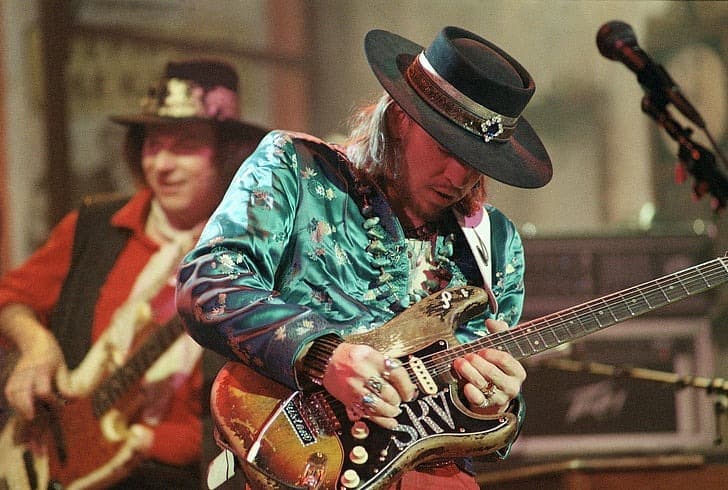
Stevie Ray Vaughan, an iconic figure in the world of blues and rock guitar, left an indelible mark on music with his profound skill, emotional depth, and electrifying performances before his untimely death in 1990. Known for his intense guitar playing and soulful vocals, Vaughan revitalized the blues genre in the 1980s, blending traditional blues with rock ‘n’ roll to create a sound uniquely his own. His discography, though cut short, is rich with songs that have since become anthems for guitarists and music lovers alike, showcasing his technical prowess, emotional expression, and unparalleled ability to connect with listeners. As we delve into the “Top 10 Best Stevie Ray Vaughan Songs of All Time,” we aim to celebrate the legacy of a musician whose work transcended the boundaries of genre and era. This list is carefully curated to highlight Vaughan’s versatility, from his explosive guitar solos that could set the stage ablaze to the tender, nuanced performances that could whisper to the soul. Through a journey of hits like “Pride and Joy” and “Texas Flood,” to deeper cuts that showcase his evolution as an artist, we explore the breadth of Vaughan’s impact on music and guitar playing. His songs are not just remembered for their technical brilliance but for their ability to convey profound emotions, from joy and exuberance to heartache and introspection. As we explore these timeless tracks, we pay homage to Stevie Ray Vaughan’s enduring influence, his mastery of the guitar, and the unforgettable legacy he left behind in the world of music.
1. Pride and Joy
“Pride and Joy” stands as one of Stevie Ray Vaughan’s most iconic and enduring hits, encapsulating the raw energy and emotional depth that characterized his brief but impactful career. Released in 1983 as part of his debut album, “Texas Flood,” this song immediately distinguished Vaughan as a formidable force in the blues genre. The track is driven by Vaughan’s masterful guitar work, featuring a blend of nimble finger-picking and fiery electric solos that showcase his virtuosity and deep connection to the blues tradition. The lyrics, a straightforward celebration of love and happiness, are delivered with Vaughan’s distinctive vocal style—gritty, passionate, and imbued with a sense of authenticity that resonates with listeners.
The song’s structure, a classic blues progression, is enlivened by Vaughan’s innovative guitar techniques and the tight, dynamic backing of his band, Double Trouble. The interplay between the guitar and rhythm section creates a compelling groove that has made “Pride and Joy” a staple in the repertoire of blues enthusiasts worldwide. Beyond its technical brilliance, the song is a testament to Vaughan’s ability to infuse traditional blues with a modern sensibility, making it accessible to a broader audience. Its enduring popularity reflects not only Vaughan’s skill as a musician but also his passion for the blues, a genre he revitalized and redefined for a new generation.
2. Texas Flood
“Texas Flood” is not just a song; it’s a monumental piece of blues history that further cements Stevie Ray Vaughan’s legacy as one of the greatest guitarists of all time. Released in 1983 as the title track of his debut album, “Texas Flood” showcases Vaughan’s extraordinary ability to convey deep emotional narratives through his instrument. The song, a slow-burning blues number, features Vaughan’s intense, soulful guitar playing and emotionally charged vocals, narrating the story of heartache and longing amidst a metaphorical flood. His guitar solos in the track are a powerful expression of raw emotion, bending notes and strings with a ferocity and tenderness that speak directly to the listener’s soul.
What sets “Texas Flood” apart is not just Vaughan’s technical prowess, but his ability to breathe life into the blues tradition, infusing it with his unique style and intensity. The song’s lyrical content, combined with its musical complexity, creates a deeply immersive experience, showcasing Vaughan’s deep blues roots while highlighting his innovative approach to guitar playing. The track’s enduring appeal lies in its authenticity and emotional depth, qualities that have made it a beloved classic among fans of blues and guitar music alike. “Texas Flood” stands as a testament to Vaughan’s genius, a reminder of his profound impact on the music world and his timeless influence on the blues genre.
3. Little Wing
“Little Wing” is a testament to Stevie Ray Vaughan’s exceptional talent for reinterpreting the work of other legendary artists while imbuing it with his own distinctive flair. Originally composed by Jimi Hendrix, Vaughan’s version, featured on his 1984 album “Couldn’t Stand the Weather,” transforms the song into a breathtaking instrumental showcase of his virtuosic guitar skills. Vaughan’s rendition strips back the vocal element, allowing his guitar to sing the melody, thereby creating a deeply emotional and expressive interpretation of Hendrix’s original composition. His approach to the guitar work in “Little Wing” is both homage and innovation, blending Hendrix’s psychedelic rock elements with his own blues-infused style to produce a piece that is as mesmerizing as it is masterful.
Vaughan’s “Little Wing” is characterized by its fluidity and grace; his guitar lines soar and dip with a precision and soulfulness that speak volumes without a single word. The track serves as a brilliant showcase for Vaughan’s technical prowess and emotional depth, highlighting his ability to communicate complex feelings through his instrument. It’s a piece that not only honors the genius of Hendrix but also cements Vaughan’s own legacy as one of the most influential guitarists in the history of blues and rock. Through “Little Wing,” Vaughan offers a transcendent musical experience that continues to inspire and move listeners, demonstrating the timeless appeal of his artistry and the profound beauty of instrumental music.
4. Cold Shot
“Cold Shot” is another gem in Stevie Ray Vaughan’s illustrious catalogue, showcasing his versatility as a musician and his ability to blend traditional blues with elements of rock and jazz. Released in 1984 as part of his second album, “Couldn’t Stand the Weather,” this song captures Vaughan’s gritty vocal style and masterful guitar playing, set against the backdrop of a catchy, swinging blues rhythm. The song’s lyrics speak to the trials and tribulations of love gone wrong, delivered with Vaughan’s characteristic emotional intensity and wit. The guitar work in “Cold Shot” is exemplary of Vaughan’s technique, featuring a mix of sharp, stinging leads and rhythmic chordal stabs that perfectly complement the song’s lyrical themes.
What sets “Cold Shot” apart in Vaughan’s discography is its blend of humor and heartache, wrapped in a groove that’s both laid-back and compelling. The song’s structure allows for expressive guitar solos that showcase Vaughan’s ability to convey a wide range of emotions through his instrument, from sorrow and frustration to a kind of resilient swagger. The interplay between Vaughan and his band, Double Trouble, is tight and intuitive, creating a seamless fusion of sound that’s both polished and raw. “Cold Shot” stands as a testament to Vaughan’s deep roots in the blues tradition, his innovative spirit, and his enduring influence on the genre. It remains a favorite among fans for its soulful execution, memorable melody, and the sheer force of Vaughan’s musical personality.
5. Tightrope
“Tightrope” showcases Stevie Ray Vaughan’s evolution as a musician and songwriter, presenting a more introspective and nuanced exploration of his struggles and triumphs. Featured on his 1989 album “In Step,” the song marks a period in Vaughan’s career where his personal growth and recovery from substance abuse deeply influenced his music. “Tightrope” combines Vaughan’s signature blistering guitar work with poignant lyrics that reflect on the challenges of walking the fine line between downfall and redemption. The track is a powerful blend of rock and blues, driven by a dynamic rhythm section and enriched with Vaughan’s intense, soul-searching guitar solos that mirror the song’s themes of resilience and vulnerability.
The brilliance of “Tightrope” lies in its ability to balance raw emotional honesty with the technical mastery that defined Vaughan’s style. The song’s structure supports this duality, offering moments of reflective quietude that explode into powerful expressions of hope and determination. Vaughan’s vocal performance is particularly compelling, delivering the lyrics with a conviction and depth that resonate with listeners on a personal level. “Tightrope” stands as a testament to Vaughan’s artistry and his journey towards healing, showcasing his skill not only as a guitarist but also as a songwriter capable of capturing the human experience in its complexity. It remains a vital part of his legacy, embodying the spirit of perseverance that characterized his life and career.
6. Crossfire
“Crossfire” stands as one of Stevie Ray Vaughan and Double Trouble’s most critically acclaimed tracks, serving as a highlight of their 1989 album “In Step”. This song encapsulates a pivotal moment in Vaughan’s career, showcasing not only his masterful guitar skills but also his engagement with more socially conscious themes. The lyrics of “Crossfire” delve into the struggles and adversities faced by individuals caught in the metaphorical crossfire of life’s challenges, from societal pressures to personal battles. Its powerful message is amplified by the band’s tight, energetic performance, making it a compelling blend of blues rock and thoughtful commentary.
Musically, “Crossfire” is distinguished by its catchy riff, solid groove, and Vaughan’s incendiary guitar solos, which punctuate the song with bursts of emotional intensity and technical brilliance. The rhythm section of Double Trouble lays down a foundation that is both driving and sophisticated, allowing Vaughan’s guitar work to shine even as it serves the song’s narrative and mood. This track not only highlights Vaughan’s virtuosity as a guitarist but also underscores his growth as an artist capable of addressing more complex and meaningful subject matter. “Crossfire” remains a fan favorite and a poignant reminder of Vaughan’s legacy as a musician who could convey profound messages through his music, making it resonate on multiple levels with a wide audience.
7. Riviera Paradise
“Riviera Paradise” is a masterpiece of mood and musicianship, a stunning instrumental that stands out as one of Stevie Ray Vaughan’s most evocative compositions. Found on the 1989 album “In Step,” this track is a departure from the high-energy blues and rock for which Vaughan is best known, offering instead a meditative, jazz-inflected exploration that showcases his versatility and depth as a musician. The song unfolds gradually, drawing listeners into its serene and contemplative atmosphere, highlighted by Vaughan’s delicate, nuanced guitar work. The interplay between the guitar, keyboards, and rhythm section weaves a rich tapestry of sound, creating a sense of peace and transcendence that is both profound and uplifting.
“Riviera Paradise” serves as a showcase for Vaughan’s emotional range and technical prowess, with his guitar lines flowing seamlessly from gentle whispers to more assertive expressions, all while maintaining a sense of grace and fluidity. The track’s improvisational feel suggests a dialogue between the musicians, each contributing to the creation of a shared musical space that invites reflection and solace. This song, more than any other, reflects Vaughan’s ability to transcend the boundaries of blues, incorporating elements of jazz and soul to create something truly timeless. “Riviera Paradise” remains a testament to Vaughan’s genius, a piece that not only highlights his skill as a guitarist but also his profound musical sensitivity, leaving a lasting impression on all who experience its beauty.
8. Voodoo Child (Slight Return)
“Voodoo Child (Slight Return)” is yet another example of Stevie Ray Vaughan’s extraordinary ability to reinterpret the works of Jimi Hendrix with reverence and unique flair. Vaughan’s version of this Hendrix classic, featured prominently in live performances and captured on the live album “Live Alive” (1986), is a tour de force of electric guitar mastery. Vaughan channels the spirit of Hendrix while infusing the track with his own blues-soaked sensibility, delivering a performance that is both a tribute and a personal statement. The song’s driving riff, combined with Vaughan’s explosive solos, creates an electrifying musical experience that showcases his technical prowess and deep emotional connection to the music.
Vaughan’s “Voodoo Child (Slight Return)” is characterized by its intense energy and dynamic interplay between the guitar and the rhythm section, creating a powerful sound that captivates audiences. His ability to capture the essence of Hendrix’s original while adding his own distinctive touches—such as his fluid bending of notes, rapid-fire runs, and the sheer force of his playing—demonstrates Vaughan’s respect for his influences and his creativity as an artist. This rendition not only pays homage to Hendrix’s genius but also highlights Vaughan’s own genius as a guitarist and performer, further cementing his place in the pantheon of guitar legends. Through “Voodoo Child (Slight Return),” Vaughan offers a mesmerizing blend of rock and blues, leaving an indelible mark on the legacy of guitar music.
9. Love Struck Baby
“Love Struck Baby” is a high-octane, upbeat track that exemplifies Stevie Ray Vaughan’s ability to infuse traditional blues with a rockabilly zest, creating a sound that is both fresh and deeply rooted in musical tradition. Released as part of his groundbreaking debut album “Texas Flood” in 1983, this song immediately established Vaughan as a force to be reckoned with in the blues scene. With its lively tempo, catchy riff, and infectious energy, “Love Struck Baby” is a testament to Vaughan’s prowess as a guitarist and vocalist, showcasing his skill in crafting songs that are both technically impressive and universally appealing.
The track is characterized by Vaughan’s crisp, clean guitar playing, which drives the song forward with precision and flair. His vocals, equally energetic and full of character, narrate the story of being overwhelmingly in love, capturing the exhilaration and intensity of the emotion. The straightforward, yet compelling arrangement of “Love Struck Baby” allows Vaughan’s guitar work to shine, featuring solos that are both inventive and expressive, demonstrating his ability to communicate complex emotions through his instrument. This song not only highlights Vaughan’s talents but also his passion for blending different genres to create a sound that is uniquely his own. “Love Struck Baby” remains a fan favorite, embodying the joy and vitality of Vaughan’s music and serving as a vibrant opener to an album that would come to define his career.
10. Life Without You
“Life Without You” is a poignant ballad that showcases Stevie Ray Vaughan’s depth as both a guitarist and a lyricist, offering a heartfelt exploration of loss and tribute. Featured on his 1985 album “Soul to Soul,” this song stands out for its emotional intensity and the sincerity with which Vaughan delivers both the lyrics and his guitar solos. The track is a departure from the high-energy blues and rock numbers typically associated with Vaughan, instead presenting a more introspective and tender side of his artistry. Through “Life Without You,” Vaughan communicates a message of love, loss, and the transformative power of music, making it one of the most touching and personal songs in his repertoire.
Musically, “Life Without You” is built around Vaughan’s soulful guitar playing, which ranges from gentle, melodic phrases to powerful, expressive solos that capture the song’s emotional core. His performance is both technically masterful and deeply felt, demonstrating his ability to convey complex feelings with subtlety and nuance. The song’s lyrical content, reflecting on the pain of losing someone close and the solace found in remembering their impact, is delivered with Vaughan’s characteristic raw, emotive vocal style. “Life Without You” is a testament to Vaughan’s musical versatility and his capacity to connect with listeners on a profound level, serving as a reminder of his legacy not just as a blues guitarist, but as a musician capable of expressing the full spectrum of human emotion.

Samuel Moore is a frequent contributor to Singers Room. Since 2005, Singersroom has been the voice of R&B around the world. Connect with us via social media below.