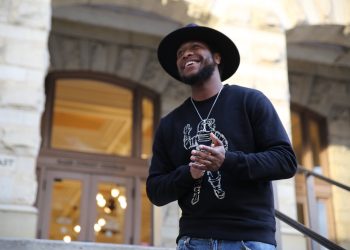
In a recent interview that has drawn widespread attention across music and entertainment circles, singer and television personality Ray J reflected on his early experiences and connections to some of the most influential figures in hip hop and R and B history, including Tupac Shakur, Faith Evans, and The Notorious B.I.G.. His comments offered a rare personal perspective on an era that continues to shape modern music culture.
Ray J, who first entered the entertainment industry at a young age, grew up surrounded by music industry influence. As the younger brother of singer Brandy, he was often present in professional music environments where major artists, producers, and executives regularly crossed paths. In his interview, he described how those early experiences gave him a front row view of the dynamics between some of the most talked about figures in 1990s music.
One of the most striking aspects of Ray J’s reflections was his discussion of Tupac Shakur. He described Tupac as a larger than life presence whose energy and intensity could be felt even in casual settings. According to Ray J, Tupac carried a sense of purpose and emotional depth that made him stand out not only as a performer but also as a cultural figure. Tupac’s impact on music, activism, and storytelling remains one of the most influential legacies in hip hop history.
Ray J also spoke about Faith Evans, highlighting her role as a respected vocalist and her connection to the broader R and B and hip hop community. Faith Evans, known for her powerful voice and emotional delivery, was closely connected to the Bad Boy Records era, which played a central role in shaping 1990s urban music. Ray J’s comments emphasized her professionalism and the strength she demonstrated during a period marked by both creative success and personal challenges.
The interview also touched on The Notorious B.I.G., often referred to as Biggie Smalls, whose storytelling ability and distinctive flow made him one of the most celebrated rappers of all time. Ray J reflected on the aura surrounding Biggie during his rise, describing him as an artist whose presence commanded attention in any room. Biggie’s music continues to influence generations of artists who study his lyrical structure and narrative style.
While Ray J’s comments were largely reflective, they also highlighted how interconnected the music industry was during that period. The 1990s hip hop and R and B scene was defined by collaborations, rivalries, friendships, and shifting alliances that often unfolded in the public eye. Artists moved within shared social and professional circles, creating a tightly woven cultural landscape that shaped the sound of an era.
Industry observers note that interviews like this often attract significant interest because they provide personal insights into well documented historical moments. The relationships between Tupac, Biggie, and the surrounding music community have been extensively analyzed in documentaries, books, and films. However, firsthand recollections from individuals who witnessed parts of that environment as it unfolded continue to add new layers of understanding.
Ray J’s reflections also underscore how younger artists and industry figures often absorb the influence of iconic predecessors. Growing up around established performers gave him a unique perspective on fame, creativity, and the pressures of the entertainment industry. His experiences illustrate how cultural legacy is passed down through direct exposure as well as through music itself.
Fans reacted strongly to the interview, with many expressing interest in hearing more behind the scenes stories from that era. Social media discussions quickly revisited classic moments in hip hop history, as listeners compared Ray J’s recollections with widely known accounts of the relationships between these legendary artists.
At its core, the interview serves as a reminder of how deeply interconnected the worlds of R and B and hip hop have always been. The stories of Tupac Shakur, Faith Evans, and The Notorious B.I.G. continue to resonate not only because of their music but also because of the complex human relationships that surrounded them. Ray J’s reflections add another voice to that ongoing narrative, offering a personal glimpse into a defining chapter of modern music history.

Since 2005, Singersroom has been the voice of R&B around the world. Connect with us via social media below.