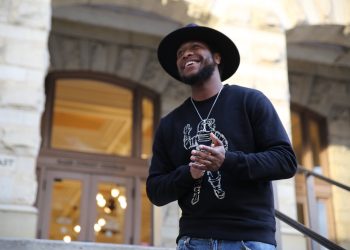
Usher has sparked conversation across the entertainment world after expressing concern that younger audiences and emerging performers have become, in his words, a little too disrespectful. The statement, made during a recent discussion about performance culture and generational differences in music, has resonated widely, prompting debate about etiquette, artistic boundaries, and the evolving relationship between artists and fans.
Usher, a veteran of R and B and pop music with decades of experience on global stages, has long been known for his high energy performances and close interaction with audiences. His shows often include direct engagement with fans, choreographed intimacy, and a strong emphasis on showmanship. Because of this, his perspective on audience behavior carries weight within the live music community.
The comments reflect a broader concern among established artists who have observed shifts in how audiences interact with performers. With the rise of social media, viral moments, and handheld recording devices at nearly every live event, the dynamic between stage and crowd has changed significantly. Many performers have noted that audience members are sometimes more focused on capturing content for online platforms than fully engaging with the live experience.
Usher’s remarks appear to be rooted in specific experiences during performances where fan behavior may have crossed personal or professional boundaries. While he did not single out individuals, his general message highlighted the importance of mutual respect between artists and audiences. For performers who spend years refining their craft, maintaining control over the stage environment is often seen as essential to delivering a high quality show.
Industry observers note that generational shifts in concert culture have become increasingly visible. Younger audiences often view concerts as interactive digital experiences as much as live events, recording clips, posting reactions, and participating in real time online discussions. While this has expanded the reach of live music, it has also introduced challenges for performers who prefer uninterrupted engagement.
Usher’s career spans multiple eras of the music industry, from physical album sales and televised performances to the current streaming and social media driven landscape. This unique perspective allows him to compare past and present audience dynamics, giving context to his concerns about changing behavior. In earlier stages of his career, audience interaction was primarily confined to the venue itself, with less emphasis on digital documentation.
Fans have reacted to his comments with a range of opinions. Some agree with his sentiment, arguing that respect for performers and the live experience has diminished in recent years. Others believe that audience participation has simply evolved rather than declined, suggesting that new forms of engagement reflect cultural change rather than disrespect.
Entertainment professionals emphasize that live performance etiquette has always evolved over time. From screaming audiences during early rock and roll eras to flash photography debates in later decades, artists have consistently adapted to changing audience behavior. The current shift driven by smartphones and social media is simply the latest stage in this ongoing evolution.
Usher has built a reputation as a performer who values connection with his audience. His concerts often rely on trust between artist and fans, where energy is exchanged in real time. His concern about respect likely stems from a desire to preserve that connection in an environment where distractions are increasingly common.
At the same time, his comments highlight a broader conversation about expectations on both sides of the stage. While artists expect attention and respect during performances, audiences also expect accessibility and engagement from performers who are often seen as public figures with strong digital presences.
The discussion sparked by Usher’s remarks continues to unfold across social platforms, with fans, critics, and fellow artists weighing in on the balance between tradition and modern concert culture. Some see his comments as a call to restore focus and appreciation for live artistry, while others interpret them as resistance to inevitable cultural change.
Regardless of interpretation, the conversation underscores the evolving nature of live music in the digital age. Usher’s perspective adds a seasoned voice to an ongoing dialogue about how respect, interaction, and performance expectations are being reshaped in real time.
As the music industry continues to evolve, his comments serve as a reminder that while technology and culture may change how concerts are experienced, the relationship between artist and audience remains at the heart of live performance.

Since 2005, Singersroom has been the voice of R&B around the world. Connect with us via social media below.