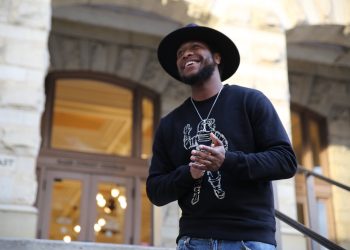
Courtroom decisions involving high profile criminal cases often draw significant public attention, especially when they involve disputed evidence that is later made accessible beyond the courtroom. In this context, the reported decision by a Cook County judge to allow public viewing of a tape connected to the legal proceedings involving R. Kelly has become a focal point for discussions about transparency, privacy, and the role of evidence in the justice system.
R. Kelly, once a globally successful R and B artist, has been at the center of multiple legal cases and allegations over the past several years. His career, which included chart topping hits and widespread influence in the music industry, has been overshadowed by serious criminal charges and extensive legal battles. These proceedings have taken place in different jurisdictions and have involved both state and federal courts.
The decision by a Cook County judge to permit public viewing of a tape related to the case highlights the balance courts must maintain between open justice and the protection of sensitive material. In many legal systems, court proceedings are generally open to the public, but specific evidence such as video recordings, audio files, or personal materials may be subject to restrictions depending on their nature and relevance.
Allowing public access to certain pieces of evidence can serve several purposes. It can promote transparency in the judicial process, allowing the public to better understand how decisions are made and how evidence is evaluated. It can also reinforce public trust in the legal system by demonstrating that cases are being handled openly and fairly.
However, such decisions are not made lightly. Judges must consider a range of factors before permitting public viewing of evidentiary material. These include the privacy rights of individuals involved, the potential impact on ongoing legal proceedings, and the need to ensure that sensitive content is not misused or misinterpreted outside of its legal context.
In cases involving high profile defendants like R. Kelly, the media interest can be intense. Once evidence becomes publicly accessible, it is often widely circulated across news outlets and social media platforms. This can amplify public scrutiny and shape public perception of the case, sometimes even before a final legal resolution has been reached.
Cook County courts, like many judicial systems, operate under principles of transparency while also adhering to strict rules of evidence and procedure. The decision to allow public viewing of a tape suggests that the court determined the material was appropriate for public access under existing legal standards. Such rulings often come after careful consideration of motions from both prosecution and defense teams.
The broader context of R. Kelly’s legal situation has already been extensively covered in media reports, with multiple trials and investigations contributing to ongoing public debate. As a result, any new development involving evidence tends to attract immediate attention, not only from legal observers but also from the general public.
The release or public viewing of courtroom evidence also raises important questions about the impact of media coverage on legal cases. While transparency is a cornerstone of democratic legal systems, there is also concern that widespread dissemination of sensitive material may influence public opinion in ways that extend beyond the courtroom.
Legal experts often emphasize that evidence presented in court must be understood within its full legal context. A tape or recording shown as part of proceedings is typically evaluated alongside other testimony and documentation. Without that context, public interpretation of the material may be incomplete or misleading.
Ultimately, the decision by a Cook County judge to allow public viewing of a tape in the R. Kelly case reflects the complex intersection of law, media, and public interest. It underscores the judiciary’s role in balancing openness with fairness, while also highlighting the challenges that arise when high profile cases become part of a broader cultural conversation.
As the legal process continues, developments such as this will likely remain closely followed, not only for their direct relevance to the case but also for what they reveal about how modern court systems manage transparency in an era of constant media exposure.

Since 2005, Singersroom has been the voice of R&B around the world. Connect with us via social media below.