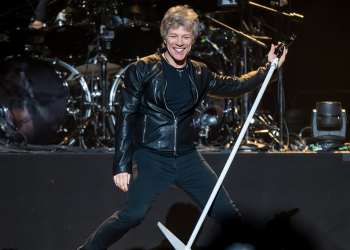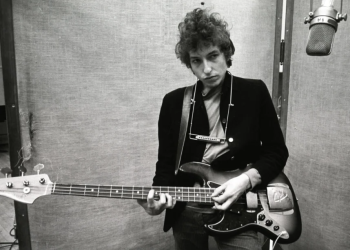
Few voices in American rock music sound as instantly recognizable and deeply rooted as John Fogerty. As the driving force behind Creedence Clearwater Revival and a celebrated solo artist, Fogerty created songs filled with swampy guitar riffs, working class spirit, southern flavored storytelling, and unforgettable melodies that continue to echo across generations. His music blended rock, blues, country, and folk influences into a raw, energetic sound that felt both timeless and uniquely American. Classics like “Centerfield,” “Proud Mary,” and “Bad Moon Rising” captured everything from youthful optimism to political tension and everyday resilience with remarkable honesty and power. Fogerty’s raspy voice and vivid songwriting gave even simple songs a larger than life presence, turning them into enduring anthems for road trips, baseball fields, jukeboxes, and classic rock radio. His catalog remains one of the strongest and most influential legacies in American rock history.
1. Proud Mary
“Proud Mary” is one of John Fogerty’s most iconic creations, a song that feels as if it was carved straight out of American river mud, steam, sweat, and motion. Written during his years with Creedence Clearwater Revival, it became a defining example of Fogerty’s ability to make California musicians sound like they had been raised beside the Mississippi. The lyric follows a narrator leaving behind city pressure and finding a new rhythm on the river, where the rolling motion of the boat becomes a symbol of release, labor, and rebirth. Fogerty’s vocal has that unmistakable rasp, full of grit and forward movement, while the band plays with a clean, driving confidence that makes the song feel both relaxed and unstoppable.
What makes “Proud Mary” endure is its perfect balance of simplicity and myth. The guitar riff is instantly recognizable, the chorus is built for communal singing, and the imagery has a timeless quality that lets listeners imagine their own version of escape. The song later found new life through many covers, most famously by Ike and Tina Turner, yet Fogerty’s original remains essential because it contains the source spirit: plainspoken storytelling, roots rock energy, and an almost cinematic sense of movement. “Proud Mary” is not just one of John Fogerty’s most popular songs. It is one of the great American rock standards, a song that keeps rolling because its rhythm feels like freedom itself.
2. Bad Moon Rising
“Bad Moon Rising” is one of John Fogerty’s most brilliant examples of cheerful music carrying dark prophecy. The song races forward with a bright, almost playful country rock bounce, yet its lyric is filled with storms, trouble, fear, and disaster on the horizon. That contrast is exactly what gives the song its lasting magic. Fogerty understood that danger can sound even more unsettling when placed inside a melody that people cannot stop singing. His vocal is urgent but controlled, warning listeners of approaching chaos while the band keeps the rhythm sharp and infectious.
The genius of “Bad Moon Rising” lies in how much atmosphere it creates in such a compact form. The song is short, direct, and endlessly memorable, but it carries the weight of social anxiety, natural disaster, and personal unease. It arrived during a turbulent period in American life, and its sense of looming trouble made it feel larger than a simple rock single. The guitar tone is clean and biting, the rhythm has a lively snap, and the chorus turns warning into an unforgettable hook. “Bad Moon Rising” remains popular because it works on multiple levels. It can be enjoyed as a feel good classic rock favorite, but it also rewards deeper listening as a song about intuition, dread, and the strange feeling that something in the world has shifted. Fogerty made apocalypse sound catchy, and that is no small feat.
3. Fortunate Son
“Fortunate Son” is John Fogerty’s fiercest protest song, a blazing rock statement aimed at privilege, hypocrisy, and the unequal burden of war. From the opening guitar riff, the track hits with extraordinary force, sounding angry, urgent, and completely unpolished in the best possible way. Fogerty’s vocal is one of his most intense performances, filled with outrage at the way powerful families and connected elites could avoid the consequences that ordinary working people were forced to face. The song is not abstract political commentary. It is sharp, direct, and rooted in moral anger.
What makes “Fortunate Son” so enduring is its clarity. Fogerty does not hide behind complicated symbolism. He names the divide between those who wave flags from safe positions and those who pay the cost in real life. The band plays with a tight, raw energy that turns the message into a punch. The song became closely associated with the Vietnam era, but its meaning has remained relevant because questions of class, power, patriotism, and sacrifice never disappeared. It is one of the rare protest songs that also functions as a full force rock anthem, powerful enough to shake arenas while still carrying serious political bite. “Fortunate Son” remains one of Fogerty’s most popular works because it captures righteous anger with unforgettable musical economy. It is loud, fast, fearless, and still painfully sharp.
4. Have You Ever Seen the Rain
“Have You Ever Seen the Rain” is one of John Fogerty’s most emotionally resonant songs, a beautifully restrained reflection on sadness arriving in the middle of success. Though often heard as a simple weather metaphor, the song carries a deeper feeling of disillusionment, especially when placed in the context of Creedence Clearwater Revival’s internal tensions. Fogerty sings with a weary clarity, as if describing a strange emotional contradiction: the sun may be shining, the world may look bright, yet rain can still fall inside a person’s life. That mix of brightness and melancholy gives the track its timeless pull.
The arrangement of “Have You Ever Seen the Rain” is elegant and direct. The acoustic guitar foundation, steady rhythm, and warm melody make the song feel accessible, but the emotion beneath it is complicated. Fogerty’s voice carries both strength and resignation, making the lyric sound less like complaint and more like recognition. The chorus is one of his most memorable, inviting listeners into a question that feels simple until they realize how much it holds. The song has remained popular across generations because it speaks to a universal experience: the arrival of sorrow when life is supposed to feel good. “Have You Ever Seen the Rain” proves that Fogerty could write with tremendous emotional subtlety, turning a natural image into a lasting meditation on disappointment, change, and the quiet storms people carry within them.
5. Centerfield
“Centerfield” is John Fogerty’s great baseball anthem, a joyful solo classic that captures the optimism, nerves, and boyish excitement of being called into the game. Released years after his Creedence Clearwater Revival peak, the song reminded listeners that Fogerty still had a gift for writing instantly memorable American rock. The guitar riff has a crisp, sunny snap, while the rhythm moves with the bounce of a warm afternoon at the ballpark. Fogerty sings with enthusiasm and humility, placing himself in the role of a player ready for his chance rather than a superstar demanding attention.
The lasting appeal of “Centerfield” comes from its spirit of renewal. Baseball becomes more than a sport here. It represents possibility, readiness, and the dream of stepping forward when opportunity finally arrives. The famous refrain feels like something shouted from the dugout and from the heart at the same time. Fogerty fills the song with references to the game’s mythology, but the emotion is broad enough for anyone who has ever waited to prove themselves. It is one of those rare sports songs that does not feel like a novelty. It works because the craft is genuine, the melody is strong, and the excitement feels earned. “Centerfield” remains popular because it captures pure enthusiasm without cynicism, making listeners feel, for a few minutes, that the field is open and their moment has come.
6. Down on the Corner
“Down on the Corner” is one of John Fogerty’s most charming and rhythmically irresistible songs, a street corner celebration of music made for ordinary people. The song introduces Willy and the Poor Boys, a fictional band playing for coins and community, and the whole track radiates the warmth of informal performance. Fogerty’s genius was often found in his ability to create vivid scenes with very few words, and this song is a perfect example. The listener can practically see the musicians gathering, hear the homemade rhythm, and feel the neighborhood energy around them.
The musical appeal of “Down on the Corner” lies in its loose, good natured groove. The bass line is playful, the percussion feels earthy, and the vocal is friendly without losing Fogerty’s natural grit. It is not a song about fame or spectacle. It is about the democratic pleasure of music itself, the way a simple tune on a sidewalk can bring strangers together. That theme is central to Fogerty’s larger gift as a songwriter. He understood American roots music as something living, social, and accessible, not locked away in expensive studios or elite circles. “Down on the Corner” remains popular because it feels welcoming. It invites everyone to listen, clap, smile, and recognize music as a shared human language. Its simplicity is not small. It is the source of its joy.
7. Who’ll Stop the Rain
“Who’ll Stop the Rain” is one of John Fogerty’s most thoughtful and moving songs, a folk rock classic that uses rain as a symbol for confusion, suffering, and seemingly endless social turmoil. The track has a gentler sound than some of Creedence Clearwater Revival’s harder driving hits, but its emotional weight is considerable. Fogerty sings with restrained sorrow, asking a question that feels both personal and political. The rain is not just weather. It is war, disappointment, failed leadership, generational anxiety, and the burden of trying to find hope in a troubled world.
What makes “Who’ll Stop the Rain” endure is its quiet universality. Unlike a direct protest song, it does not point to only one issue. Instead, it captures the exhaustion people feel when hardship seems to continue no matter who speaks, promises, or takes power. The acoustic guitar gives the song a folk rooted intimacy, while the band’s steady support keeps it grounded in classic rock strength. Fogerty’s voice carries the ache of someone who has seen enough confusion to know that easy answers are not coming. Yet the melody remains beautiful, almost comforting, which gives the song its emotional complexity. “Who’ll Stop the Rain” remains popular because it speaks to moments when people feel overwhelmed by the world and still search for clarity. It is gentle, wise, and quietly devastating.
8. Green River
“Green River” is one of John Fogerty’s most evocative swamp rock songs, a track that turns memory, landscape, and rhythm into pure atmosphere. Inspired by childhood impressions and rural imagery, the song sounds like a humid summer day beside dark water, full of mystery, movement, and earthy pleasure. The guitar riff is tight and instantly recognizable, carrying a sharp twang that became central to Creedence Clearwater Revival’s signature sound. Fogerty’s vocal is raw and energized, but there is also a nostalgic warmth in the way he summons the world of the song.
The greatness of “Green River” comes from its ability to make place feel mythical. Fogerty was not literally from the southern bayou, yet he had an extraordinary imagination for American roots landscapes. He created songs that felt older than radio and fresh enough for rock audiences at the same time. The lyric is filled with sensory detail, suggesting barefoot memories, water, trees, and the kind of freedom that belongs to childhood. The band plays with compact force, never wasting a note, allowing the groove to carry the song’s sense of motion. “Green River” remains popular because it captures a world listeners want to enter. It is not only a song about a place. It is a song about memory itself, about the way certain landscapes live in the mind as symbols of freedom, youth, and belonging.
9. The Old Man Down the Road
“The Old Man Down the Road” is one of John Fogerty’s strongest solo recordings, a dark, swampy rocker that proved he could still summon the eerie power that defined his greatest work. The song moves with a tense, stalking groove, built around a guitar riff that sounds both familiar and freshly menacing. Fogerty’s vocal is sharp and full of warning, describing a mysterious figure who seems to carry danger, knowledge, and supernatural authority. It is a song of atmosphere more than explanation, and that mystery is central to its appeal.
What makes “The Old Man Down the Road” so compelling is how confidently Fogerty reconnects with his roots rock identity while standing as a solo artist. The track has the swampy pulse, mythic imagery, and lean arrangement associated with his Creedence Clearwater Revival classics, but it also has the focused energy of someone reclaiming his creative voice. The guitar tone is biting, the rhythm is tight, and the mood is thick with unease. Fogerty has always been skilled at making simple phrases feel like folklore, and the old man in this song becomes a figure listeners can imagine in many ways: a warning, a memory, a curse, or a symbol of the past that refuses to disappear. “The Old Man Down the Road” remains popular because it shows Fogerty’s solo power at full strength, gritty, mysterious, and unmistakably his.
10. Lookin’ Out My Back Door
“Lookin’ Out My Back Door” is one of John Fogerty’s most playful and imaginative songs, a bright country rock classic filled with colorful images, childlike wonder, and irresistible rhythmic charm. The song moves with a light, rolling bounce, blending rootsy guitar with a cheerful melody that feels instantly welcoming. Fogerty’s vocal is relaxed and good humored, guiding listeners through a parade of surreal sights that seem to appear just beyond the back door. The lyric has often been heard as a burst of fantasy, a joyful escape into imagination, and that sense of open possibility gives the song its unique flavor.
The charm of “Lookin’ Out My Back Door” lies in the way it balances whimsy with musical discipline. The arrangement is tight and beautifully crafted, drawing from country, rock, and old time American music without becoming overly polished. Fogerty understood how to make a song feel casual while building it with expert precision. The images are strange and playful, but the groove keeps everything grounded. It is a song that invites smiles, foot tapping, and repeat listens because it feels so effortlessly sunny. Yet beneath the fun is an important part of Fogerty’s artistry: his ability to turn ordinary spaces into stages for wonder. “Lookin’ Out My Back Door” remains popular because it captures a rare mood in classic rock, lighthearted, vivid, and full of the simple joy of seeing the world become magical for a moment.

Edward Tomlin is a frequent contributor to Singers Room. Since 2005, Singersroom has been the voice of R&B around the world. Connect with us via social media below.