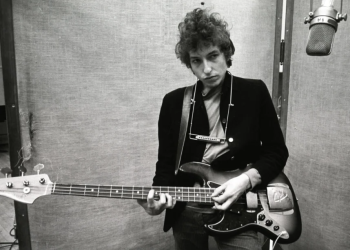
Few songwriters in rock history have balanced raw emotion, poetic storytelling, and fearless individuality quite like Neil Young. Across decades of constantly evolving music, Neil Young built a catalog filled with haunting folk ballads, electrifying rock epics, deeply personal reflections, and socially conscious anthems that continue to resonate with generations of listeners. Whether performing with stripped down acoustic vulnerability or unleashing roaring guitar driven intensity with Crazy Horse, Young created songs that feel honest, restless, and unmistakably human. Classics like “Heart of Gold,” “Old Man,” and “Rockin’ in the Free World” became defining moments not only in his career, but in the history of rock music itself. His distinctive voice, emotional songwriting, and uncompromising artistic spirit helped shape folk rock, country rock, and grunge inspired generations of musicians who followed in his path.
1. Heart of Gold
“Heart of Gold” is the song that brought Neil Young his widest mainstream recognition, yet its beauty lies in how modest and unguarded it feels. Built around acoustic guitar, harmonica, and a melody that seems to drift in from open country air, the track captures Young at his most vulnerable and direct. The lyric speaks of searching, aging, disappointment, and the hope of finding something pure within a world that often wears people down. Young does not sing it with polished perfection. He sings it with a fragile sincerity that makes every line feel lived in.
What makes “Heart of Gold” so enduring is its emotional simplicity. The song never tries to overwhelm the listener. It invites them into a quiet internal journey, one shaped by longing and honest self examination. The harmonica passages add a lonesome brightness, while the rhythm keeps the song moving gently forward. It is a folk rock classic because it sounds both personal and universal, as though Young is singing from his own private road while somehow describing the inner life of countless listeners. “Heart of Gold” remains one of his most popular songs because it distills his gift for turning plain language into profound feeling, proving that a small song can carry enormous emotional weight when every note feels true.
2. Old Man
“Old Man” is one of Neil Young’s most beloved acoustic songs, a meditation on youth, age, loneliness, and the surprising ways different generations can mirror one another. Written with a reflective tenderness, the track pairs Young’s distinct voice with gentle guitar, banjo color, and a rhythm that feels both intimate and steady. The lyric addresses an older man while slowly revealing that the young narrator sees parts of himself in him. That emotional insight gives the song its lasting power. It is not simply about getting older. It is about realizing that longing, need, and vulnerability do not belong to one stage of life.
The greatness of “Old Man” comes from its balance of simplicity and wisdom. Young’s vocal has a slightly cracked beauty, which makes the song feel less like performance and more like confession. The arrangement is spacious enough to let each phrase breathe, yet rich enough to feel warm and complete. There is a quiet humility in the writing, as though Young is discovering the meaning of the song while singing it. It has remained a favorite because it touches a universal truth: people may be separated by years, status, and experience, but the heart often asks for the same things. “Old Man” is Neil Young at his most human, using folk simplicity to explore the shared ache beneath different lives.
3. Harvest Moon
“Harvest Moon” is one of Neil Young’s most graceful love songs, a late career classic that feels warm, romantic, and quietly timeless. The track glows with gentle guitar, soft percussion, and a swaying rhythm that evokes moonlight, memory, and devotion that has survived the passing of years. Young’s voice carries a tender weariness here, not the sound of first love, but of love remembered, renewed, and cherished. That maturity gives the song its special atmosphere. It is romantic without being flashy, sentimental without becoming overly sweet, and deeply affecting because it honors affection that has endured.
What makes “Harvest Moon” so popular is its sense of calm emotional certainty. Neil Young has often written about restlessness, isolation, and the search for meaning, but this song feels like a rare moment of stillness. The imagery is simple and luminous. Dancing beneath the moon becomes a symbol of connection, gratitude, and the quiet joy of returning to someone familiar. The arrangement is elegant in its restraint, allowing the song to shimmer rather than push. Listeners return to “Harvest Moon” because it offers comfort without pretending life has been easy. It suggests that love can remain beautiful not because it avoids time, but because it moves through time and still finds a reason to dance.
4. Rockin’ in the Free World
“Rockin’ in the Free World” is one of Neil Young’s most powerful electric statements, a song that sounds like a stadium anthem while carrying a sharp social conscience. The title phrase has the feel of a triumphant chant, but the verses are filled with images of hardship, neglect, political frustration, and broken promise. That contrast is essential to the song’s force. Young understands the way slogans can sound victorious while real lives remain complicated and wounded. He turns that tension into a roaring piece of rock music that is both catchy and confrontational.
The enduring popularity of “Rockin’ in the Free World” comes from its raw guitar energy and its refusal to settle for easy patriotism or easy cynicism. The riff is blunt and memorable, the vocal is urgent, and the chorus is built for communal release. Yet beneath the volume is a songwriter asking listeners to look harder at the world around them. Neil Young has always been willing to disturb comfort when the song demands it, and this track captures that instinct with exceptional clarity. It has become a concert favorite because it lets audiences shout along while still carrying a message that cuts beneath the surface. “Rockin’ in the Free World” remains vital because it proves protest music can be massive, messy, thrilling, and deeply memorable.
5. Cinnamon Girl
“Cinnamon Girl” is one of Neil Young’s defining electric songs, a compact burst of desire, distortion, and garage rock simplicity. Recorded with Crazy Horse, the track helped establish the rugged guitar sound that would become one of Young’s most influential signatures. The riff is immediately recognizable, thick and gritty without losing melodic appeal. It has the directness of early rock and roll, but the mood feels stranger, heavier, and more dreamlike. Young’s vocal floats above the crunch with a yearning quality, creating a contrast between sweetness and raw force that gives the song its magnetic pull.
The appeal of “Cinnamon Girl” lies in how much atmosphere it creates with such economical writing. The lyric is brief and impressionistic, suggesting longing more than explaining it. That open quality allows the song to feel mysterious, like a fragment of a dream set against a wall of guitar. Crazy Horse gives the performance a loose and powerful character, favoring feel over polish. The famous guitar tone became a blueprint for generations of alternative and grunge musicians who admired Young’s willingness to let rough edges remain visible. “Cinnamon Girl” remains popular because it captures the thrill of rock music in its most elemental form: a great riff, a compelling voice, a sense of romantic obsession, and an electric charge that still sounds alive decades later.
6. Like a Hurricane
“Like a Hurricane” is one of Neil Young’s greatest electric epics, a storm of guitar emotion wrapped around a lyric of beauty, longing, and romantic awe. The song begins with a sense of spacious anticipation before opening into one of Young’s most iconic guitar performances. His playing does not chase technical neatness. It bends, cries, surges, and trembles, creating an emotional weather system around the words. The lyric describes a woman as both dreamlike and overwhelming, someone whose presence arrives with the force of nature. That image gives the song its sweeping drama.
What makes “Like a Hurricane” so beloved is the way the guitar becomes an extension of feeling. Young’s solos are not decorative breaks. They are the emotional center of the track, expressing what language cannot fully hold. The band creates a vast, rolling foundation that allows the song to expand without losing its focus. There is a sense of obsession in the repetition, as if the narrator is circling the same impossible vision again and again. “Like a Hurricane” remains one of Young’s most popular songs because it captures his electric genius in full force. It is romantic, chaotic, beautiful, and wounded, proving that a rock song can feel as unpredictable and consuming as the emotion it describes.
7. The Needle and the Damage Done
“The Needle and the Damage Done” is one of Neil Young’s most devastating songs, made even more powerful by its brevity and restraint. Performed with only acoustic guitar and voice, the song addresses the destruction caused by heroin addiction, a subject Young had witnessed painfully in the music community around him. There is no grand arrangement, no dramatic crescendo, and no attempt to soften the subject. Instead, Young delivers the song with stark honesty, allowing the silence around the words to carry as much weight as the melody itself.
The enduring impact of “The Needle and the Damage Done” comes from its clarity. Young does not preach from a distance. He sounds sorrowful, troubled, and personally shaken by what he has seen. The guitar pattern is delicate but tense, giving the song a fragile motion that mirrors the vulnerability of the lives it mourns. Every line feels carefully carved, and the performance ends before the listener has time to become comfortable. That suddenness makes the message hit even harder. The song remains one of his most important works because it confronts tragedy without exploitation. It is compassionate, direct, and unforgettable. In a catalog filled with sprawling electric journeys and poetic folk songs, “The Needle and the Damage Done” stands as a small, piercing masterpiece of grief and warning.
8. Southern Man
“Southern Man” is one of Neil Young’s most forceful protest songs, a fierce confrontation with racism, violence, and the unresolved legacy of the American South. The track is driven by pounding piano, searing guitar, and a vocal performance that carries moral urgency. Young does not approach the subject gently. He writes with anger, sorrow, and accusation, turning the song into a demand for reckoning. Its images are stark, and its tone is uncompromising, making it one of the most intense political statements in his early catalog.
What makes “Southern Man” so significant is the way it combines raw musical power with historical outrage. The song is not merely commentary. It feels like a confrontation happening in real time. Young’s guitar playing adds volatility, with sharp bursts of sound that heighten the sense of unrest. The rhythm section pushes with heavy insistence, giving the song a dramatic weight that matches the seriousness of its theme. While the track has been debated and answered by other artists, its place in Young’s catalog remains important because it shows his willingness to use rock music as a vehicle for uncomfortable truth. “Southern Man” remains popular and influential because it refuses to turn away from injustice. It captures an artist using his voice and guitar not simply to entertain, but to challenge memory, conscience, and history.
9. Cowgirl in the Sand
“Cowgirl in the Sand” is one of Neil Young’s great extended guitar journeys, a song that helped define the wild, exploratory chemistry between Young and Crazy Horse. The track stretches beyond ordinary single structure, allowing mood, repetition, and guitar interplay to become central parts of the experience. Its lyric is mysterious and elusive, filled with images of women, desire, identity, and emotional ambiguity. Young does not explain the song in neat narrative terms. Instead, he creates a world of questions, glances, and unresolved tension, then lets the guitars speak the rest.
The greatness of “Cowgirl in the Sand” lies in its raw looseness. Crazy Horse plays with a heavy, instinctive feel, giving Young the space to push his guitar into jagged, expressive territory. The solos feel searching rather than polished, as if the band is discovering the song while performing it. That quality became central to Young’s influence on later rock musicians who valued emotion over perfection. The track remains popular among dedicated fans because it captures the thrilling unpredictability of his electric work. It is not a tidy pop song. It is a landscape, a jam, a confession, and a storm of feeling. “Cowgirl in the Sand” endures because it shows Neil Young turning rough sound into art, finding beauty in tension, repetition, and unanswered longing.
10. After the Gold Rush
“After the Gold Rush” is one of Neil Young’s most mysterious and poetic songs, a fragile piano ballad filled with dream images, ecological unease, and spiritual wonder. The lyric moves through strange scenes of knights, burning skies, and people searching for renewal, creating a mood that feels both ancient and futuristic. Young’s voice is high, delicate, and deeply affecting, giving the song a sense of innocence shadowed by dread. The arrangement is spare, allowing the melody and imagery to carry the emotional weight. It feels less like a conventional story than a vision half remembered after waking.
The lasting power of “After the Gold Rush” comes from its openness. Listeners have interpreted it through environmental concern, lost idealism, cultural change, and personal awakening, and the song is strong enough to hold all of those meanings. Young does not reduce the dream to a single message. He lets it remain luminous and unsettled. The piano gives the track a hymnlike quality, while the vocal suggests both warning and hope. It remains one of his most cherished songs because it captures the strange beauty of uncertainty. In a catalog full of direct emotional statements, “After the Gold Rush” stands apart as a visionary piece of songwriting, one that asks listeners to feel the future trembling inside a simple, haunting melody.

Samuel Moore is a frequent contributor to Singers Room. Since 2005, Singersroom has been the voice of R&B around the world. Connect with us via social media below.