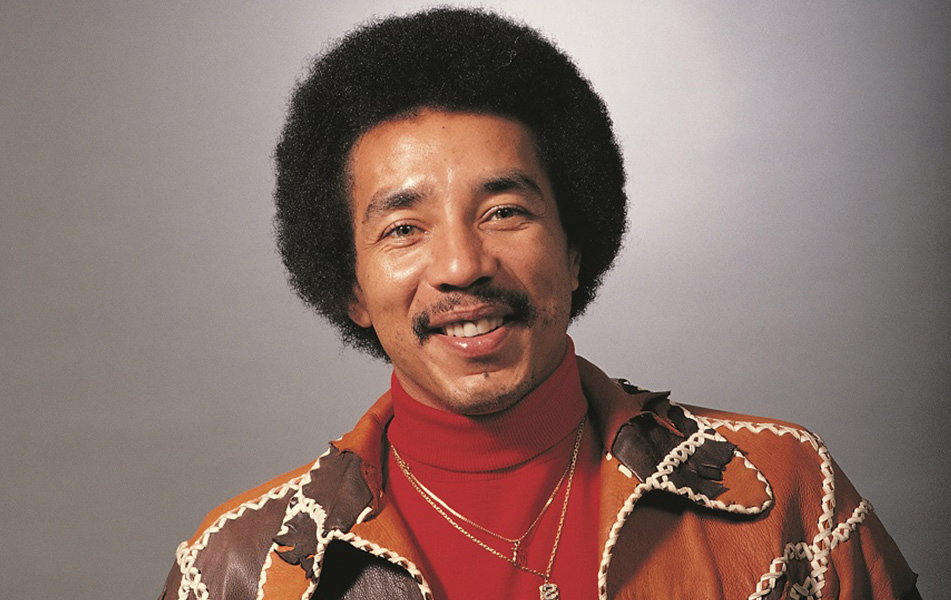
With his silky voice, poetic songwriting, and unmatched ability to capture the emotions of love and heartbreak, Smokey Robinson became one of the true architects of the Motown sound. As both a solo star and the legendary leader of The Miracles, Smokey created songs filled with elegance, vulnerability, romance, and melodic brilliance. His music blended soul, pop, rhythm and blues, and doo wop influences into timeless classics that still feel deeply personal decades later. Whether singing tender ballads like “Ooo Baby Baby,” upbeat favorites such as “Tears of a Clown,” or smooth romantic gems like “Cruisin’,” Smokey Robinson brought warmth and emotional honesty to every performance. His songwriting and vocal style helped shape the golden era of Motown while influencing generations of artists across multiple genres. These unforgettable songs celebrate one of popular music’s most graceful and enduring voices.
1. The Tears of a Clown
The Tears of a Clown is one of Smokey Robinson’s most brilliant and beloved recordings with the Miracles, a song that perfectly captures his gift for pairing upbeat musical brightness with deep emotional sadness. The track opens with a playful, circus like melody inspired by Stevie Wonder and Hank Cosby’s music, but Smokey’s lyric turns that cheerful sound into something far more poignant. He uses the image of a clown hiding heartbreak behind laughter, creating one of the most unforgettable metaphors in soul and pop history. His vocal performance is light, graceful, and expressive, never overplaying the sorrow, which makes the emotional truth even sharper.
What makes The Tears of a Clown so enduring is its emotional contrast. The rhythm invites movement, the melody sparkles, and the production carries Motown’s signature polish, yet the words reveal a man privately falling apart. Smokey Robinson understood that heartbreak often hides behind performance, smiles, and social grace. That insight gives the song its timeless humanity. The Miracles’ harmonies add warmth and lift, while Smokey’s lead vocal glides through the arrangement with elegant control. It remains one of his most popular songs because it is both catchy and devastating, joyous and wounded, playful and profound. Few recordings better demonstrate Smokey’s genius as a songwriter who could turn emotional contradiction into perfect pop soul.
2. Ooo Baby Baby
Ooo Baby Baby is one of Smokey Robinson’s most exquisite ballads, a song that turns apology, regret, and romantic vulnerability into pure soul elegance. Recorded with the Miracles, the track is built around a slow, aching groove and one of Smokey’s most tender vocal performances. His voice moves with astonishing delicacy, floating over the arrangement as if every note is weighed down by remorse. The lyric is simple on the surface, centered on someone admitting mistakes and begging for forgiveness, but Smokey’s delivery makes the confession feel deeply human. He does not sound dramatic for effect. He sounds sincerely wounded.
The beauty of Ooo Baby Baby lies in its restraint. The harmonies are soft and supportive, the instrumentation is tasteful, and the melody gives Smokey room to reveal emotion through subtle phrasing. It is one of the finest examples of how vulnerability can become musical strength. The song does not need a complicated storyline because the feeling is so clear. Anyone who has damaged love and wished for another chance can understand it immediately. Smokey’s falsetto touches and breath like phrasing add a near sacred intimacy, making the recording feel timeless. Ooo Baby Baby has been covered by many artists, but Smokey’s version remains definitive because it carries the fragile beauty of regret without losing its smooth Motown grace.
3. Cruisin’
Cruisin’ is one of Smokey Robinson’s signature solo classics, a lush and romantic groove that captures the quiet magic of sharing music, movement, and intimacy with someone special. Released after his years as the leader of the Miracles, the song proved that Smokey’s voice and songwriting sensibility remained deeply powerful in a changing musical era. Its pace is unhurried, its mood is warm, and its arrangement creates the feeling of a late night drive where the outside world begins to fade. Smokey sings with extraordinary smoothness, letting each phrase glide naturally over the rhythm.
The song’s power comes from its atmosphere. Cruisin’ is not simply about driving. It is about emotional closeness, about letting music become a shared private language. The groove has a gentle sway, supported by soft harmonies and polished instrumentation that give the track its seductive calm. Smokey makes romance sound effortless, mature, and deeply comforting. His vocal does not force passion. It invites it, creating a mood that feels intimate without being overly dramatic. The song became one of his most beloved solo hits because it captures love as ease, trust, and shared rhythm. Decades later, Cruisin’ still feels timeless because it offers a kind of romance that is relaxed, soulful, and beautifully understated, proving that Smokey Robinson’s artistry extended far beyond the golden age of Motown.
4. Tracks of My Tears
Tracks of My Tears is one of Smokey Robinson’s most admired masterpieces, a song that stands among the greatest achievements of the Motown era. Recorded with the Miracles, it combines poetic heartbreak with a melody of extraordinary grace. The famous opening guitar figure immediately sets a mood of elegance and sadness, while Smokey’s vocal enters with quiet dignity. The lyric explores the difference between outward appearance and private suffering, a theme Smokey returned to often, but rarely with such devastating beauty. The narrator smiles, jokes, and moves through the world, yet the evidence of heartbreak remains visible in the tracks left by his tears.
The brilliance of Tracks of My Tears is its emotional sophistication. Smokey does not simply say he is sad. He builds a portrait of a person performing happiness because pride and social expectation require it. The song endures because it understands the loneliness of pretending to be fine. The Miracles’ harmonies are tender and perfectly placed, surrounding Smokey’s lead with warmth while never distracting from the lyric’s ache. The arrangement is polished but intimate, allowing every word to land clearly. It remains one of Robinson’s most popular songs because it is both beautifully written and universally understood. Few recordings capture heartbreak with such poetic precision, and even fewer make sadness sound so graceful.
5. Being with You
Being with You is one of Smokey Robinson’s most successful solo recordings, a smooth romantic ballad that brought his gentle vocal style to a new generation of listeners. Released in the early nineteen eighties, the song fits perfectly within the adult soul and pop landscape of its time while still carrying the unmistakable elegance of Smokey’s classic songwriting. His vocal is relaxed, tender, and conversational, giving the lyric a sense of sincere devotion. The song centers on the simple desire to be close to someone, but Smokey makes that simplicity feel emotionally complete.
The arrangement is polished and understated, built around a soft groove, warm keyboards, and background vocals that create a romantic glow. The lasting appeal of Being with You lies in its calm confidence. It does not need dramatic tension or elaborate poetic imagery to make its point. Instead, it celebrates companionship as its own reward. Smokey’s voice carries the emotional message with ease, proving that tenderness can be just as powerful as intensity. The song became a major hit because it arrived with warmth, maturity, and timeless romantic charm. It remains one of his most recognizable solo tracks because it shows the continuity of his artistry: whether in the Motown sixties or the smoother sound of the eighties, Smokey Robinson always understood how to make love songs feel intimate, graceful, and deeply sincere.
6. I Second That Emotion
I Second That Emotion is one of Smokey Robinson and the Miracles’ most charming and cleverly written hits, built around one of the great wordplay hooks in Motown history. The title itself came from a playful twist on the phrase “I second that motion,” and Smokey turned that small linguistic spark into a fully formed pop soul classic. The song deals with romantic hesitation, asking for genuine love rather than shallow affection or temporary excitement. Smokey’s vocal is light, expressive, and full of personality, making the lyric feel both witty and emotionally sincere.
The arrangement has the buoyant polish that made Motown so irresistible. The rhythm moves easily, the harmonies are bright, and the melody is instantly memorable. What makes I Second That Emotion endure is the way it blends cleverness with emotional clarity. It is playful without being trivial, catchy without being empty. Smokey’s songwriting often excelled at this kind of balance, where a memorable phrase opened into a deeper feeling. The Miracles support him beautifully, adding warmth and lift to the chorus while keeping the mood light and inviting. The song remains popular because it captures the sophistication of Motown pop at its finest: precise, melodic, witty, and full of heart. It is a perfect example of Smokey Robinson’s ability to make intelligence sound effortless and romance sound fresh.
7. Shop Around
Shop Around is one of the most historically important songs in Smokey Robinson’s career, as well as one of the early recordings that helped establish Motown as a major force. Performed with the Miracles, the song became the label’s first million selling hit and introduced Smokey’s smooth voice and smart songwriting to a much wider audience. The lyric offers motherly advice about romance, warning a young man not to rush into commitment before understanding his options. It is playful, practical, and full of youthful energy, with Smokey delivering the message in a voice that sounds charming, bright, and instantly appealing.
The recording has a lively rhythm and a directness that reflects early Motown’s roots in rhythm and blues and doo wop. It does not yet have the full polish that would later define the label’s golden era, but that rawer quality gives the song its excitement. Shop Around remains essential because it marks the moment Smokey Robinson and Motown began moving from regional promise toward national dominance. The Miracles’ harmonies add bounce and personality, while Smokey’s lead vocal provides the charisma that ties everything together. The song continues to matter because it captures the beginning of something enormous: a songwriter, a group, and a record label finding the sound that would soon help reshape American popular music.
8. You’ve Really Got a Hold on Me
You’ve Really Got a Hold on Me is one of Smokey Robinson’s most emotionally complex early masterpieces, a song that captures the painful contradiction of loving someone who may not be good for you. Recorded with the Miracles, the track moves with a slow, bluesy soul feel that gives Smokey’s vocal room to ache. The lyric is unforgettable because it admits confusion without trying to resolve it. The narrator says he does not like the person who holds him, yet he loves them and cannot break free. That emotional honesty gives the song extraordinary depth.
Smokey’s performance is tender, wounded, and beautifully restrained. He does not push the pain too hard. He lets it sit inside the melody, supported by the Miracles’ warm and sympathetic harmonies. The song endures because it understands that love is not always logical, healthy, or easy to explain. Its structure is simple, but the feeling is complicated, which is a hallmark of Smokey’s best writing. The recording became influential beyond Motown, with the Beatles famously covering it and helping introduce the song to even more listeners. Still, the original remains definitive because Smokey sings it from the inside of the contradiction. You’ve Really Got a Hold on Me remains one of his most powerful songs because it makes emotional helplessness sound elegant, soulful, and painfully real.
9. Baby Come Close
Baby Come Close is one of Smokey Robinson’s most sensual and elegant solo recordings, a song that helped establish his adult romantic style after his departure from the Miracles. The track moves with a slow, intimate groove that feels designed for quiet rooms and late night emotion. Smokey’s voice is soft, controlled, and deeply expressive, carrying the lyric with a tenderness that never feels forced. He had always been a master of romantic language, but here the mood is more mature, less tied to the bright urgency of sixties Motown and more focused on closeness, atmosphere, and emotional warmth.
The arrangement is smooth and understated, allowing Smokey’s vocal to remain the center of attention. The song unfolds patiently, using gentle instrumentation and background harmonies to create a sense of romantic invitation. Baby Come Close is important because it shows Smokey Robinson successfully reshaping his artistry for a solo career. Rather than trying to recreate the Miracles’ sound exactly, he leaned into a more intimate and sophisticated kind of soul. The song’s charm lies in its softness. It does not shout desire. It whispers it with confidence and grace. For fans of Smokey’s romantic balladry, Baby Come Close remains a treasured recording because it captures his unmatched ability to make tenderness feel elegant, sincere, and quietly powerful.
10. Just to See Her
Just to See Her is one of Smokey Robinson’s most beloved later solo hits, a graceful ballad that brought him major recognition in the nineteen eighties and reminded listeners of his enduring gift for romantic storytelling. The song carries a smooth adult contemporary soul sound, but its emotional center is classic Smokey: longing, memory, regret, and the irresistible pull of someone still loved deeply. His vocal is gentle and expressive, filled with the kind of nuanced phrasing that made him one of popular music’s great interpreters of the heart. He sounds older and wiser here, but no less vulnerable.
The arrangement is polished, with warm keyboards, subtle rhythm, and a soft melodic flow that supports the lyric’s quiet ache. Just to See Her works because it treats longing as something dignified rather than desperate. Smokey sings about wanting even a brief glimpse of someone, and he makes that desire feel profound. The song won a Grammy and became one of his strongest late career successes, proving that his artistry could remain relevant across decades and changing musical trends. What makes it endure is not simply nostalgia for his Motown years, but the continued beauty of his voice and emotional intelligence. Just to See Her stands as a late career gem, showing that Smokey Robinson could still turn romantic ache into smooth, timeless soul.

Edward Tomlin is a frequent contributor to Singers Room. Since 2005, Singersroom has been the voice of R&B around the world. Connect with us via social media below.