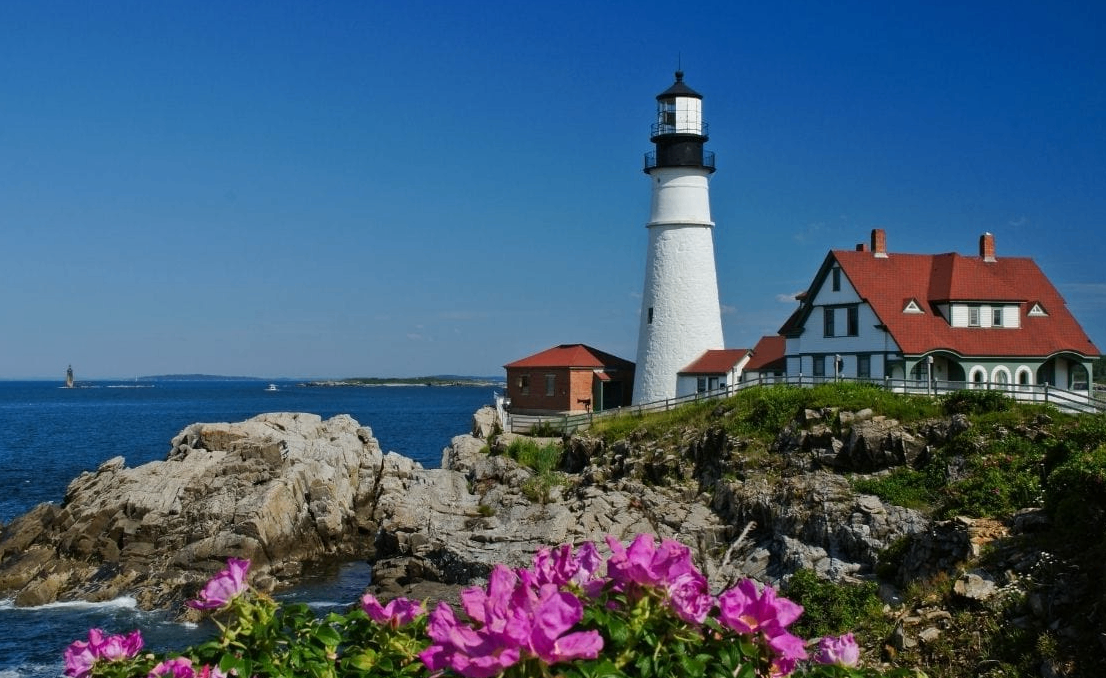
Maine may be known for its rugged coastline, picturesque harbors, and breathtaking natural beauty, but it has also produced a remarkable collection of singers who have left a lasting impact on the music world. From chart topping pop stars and acclaimed folk artists to influential country performers and celebrated vocalists, the Pine Tree State has nurtured talent that reaches far beyond its borders. These artists have created unforgettable songs, inspired generations of listeners, and helped shape a variety of musical genres. Their voices reflect the creativity, determination, and independent spirit that define Maine, making the state an important part of America’s rich musical landscape.
1. Anna Kendrick
Anna Kendrick, born in Portland, Maine, became internationally famous as an actress, but her singing voice has also made a major cultural impact. Her performance of Cups from Pitch Perfect turned a simple folk inspired tune and rhythmic cup routine into a worldwide pop phenomenon. The song became far more than a movie moment. It became a viral favorite, a radio hit, and one of the most recognizable musical performances connected to a modern film musical. Kendrick’s voice is bright, clear, and charmingly direct, with a natural theatrical sense that allows her to sell a lyric without overcomplicating it. Her musical background also includes stage work, most notably her early Broadway success in High Society, which showed that her talent extended well beyond screen acting. In the Pitch Perfect series, Kendrick helped revive mainstream interest in a cappella performance, blending humor, personality, and genuine vocal ability. What makes her especially appealing as a singer is her balance of polish and approachability. She sounds skilled but never distant. As one of Maine’s most famous entertainers, Kendrick represents a modern kind of musical visibility, where film, theater, pop culture, and vocal performance come together in one instantly memorable career.
2. Howie Day
Howie Day, born in Bangor, Maine, became one of the defining acoustic pop voices of the early two thousands. His best known song, Collide, remains a warm, emotionally open anthem built around romantic uncertainty and melodic sincerity. Day’s voice has a gentle but expressive quality, able to carry vulnerability without sounding fragile. Collide works because it feels intimate and spacious at the same time, pairing acoustic guitar textures with a chorus that blooms into something larger and more cinematic. His catalog also includes songs such as She Says, Perfect Time of Day, Be There, and Brace Yourself. Day first earned attention through live looping and solo performances, using guitar, voice, and effects to create layered arrangements before that approach became more common among acoustic artists. That made him stand out as both a singer and a live performer. His Maine roots give his story a distinctive New England foundation, and his breakthrough success showed how a songwriter from Bangor could reach national radio with a song grounded in feeling rather than flash. Howie Day’s music is most powerful when it captures emotional hesitation, the quiet moment before someone decides whether to fall fully into love, memory, or regret.
3. Patty Griffin
Patty Griffin, born in Old Town, Maine, is one of the most respected folk and Americana voices of her generation. Her song Heavenly Day is a beautiful example of her gift for making simple language feel luminous. The performance is gentle, joyful, and deeply human, built around a melody that seems to breathe with gratitude. Griffin’s voice has a rare emotional grain. It can sound delicate, wounded, fierce, spiritual, or radiant depending on the song, and she has long been admired by fellow musicians for the depth of her writing. Her catalog includes Up to the Mountain, Let Him Fly, Rain, Mary, Long Ride Home, and Making Pies. Many of her songs have been recorded by other major artists, which speaks to her power as a writer, but her own versions often carry the deepest emotional charge. Griffin’s music is rooted in folk tradition, yet it reaches into gospel, country, rock, and soul with remarkable ease. Maine’s quiet landscapes and working class textures seem to echo through the intimacy of her songs, even when the stories are universal. As a singer, Patty Griffin is not about spectacle. She is about truth, and that is why her finest recordings feel so enduring.
4. Rudy Vallée
Rudy Vallée, raised in Westbrook, Maine, became one of America’s first true pop singing idols. Long before modern pop stardom, Vallée helped define the role of the crooner, using radio, records, film, and stage performance to reach a mass audience. His version of As Time Goes By showcases the refined, sentimental style that made him famous. Vallée’s voice was light, smooth, and intimate, perfectly suited to the microphone age, when singers no longer had to project like theater belters to connect with listeners. His catalog also includes My Time Is Your Time, The Stein Song, I’m Just a Vagabond Lover, and Deep Night. He was also a bandleader and entertainer whose career bridged vaudeville, early radio celebrity, and Hollywood. What makes Vallée important is historical influence. He helped create the template for the popular male singer as a romantic personality, paving the way for later crooners and pop idols. His connection to Maine is especially strong through his youth and his association with the University of Maine’s famous Stein Song. Vallée’s style may sound antique to modern ears, but his impact was enormous. He showed that a singer’s charm, tone, and personality could travel directly into American homes.
5. Dick Curless
Dick Curless, born in Fort Fairfield, Maine, became one of country music’s great truck driving balladeers. His deep voice, eye patch, and rugged persona gave him a striking presence, but his appeal rested on more than image. Curless sang with authority, humor, and a lived in sense of road worn experience. A Tombstone Every Mile remains his signature song, a vivid trucking classic inspired by the dangerous roads of northern Maine. The song is full of local color, danger, and hard travel, making it one of the most distinctive country recordings connected to the state. Curless also recorded songs such as Six Times a Day, Hard, Hard Traveling Man, Big Wheel Cannonball, and Traveling Man. His music blended honky tonk, trucker country, folk storytelling, and regional pride. What makes Curless important is the way he brought Maine into country music’s larger map. Country songs often focus on the South, Texas, or Appalachia, but Curless proved that northern roads, logging towns, icy highways, and New England grit could carry just as much musical drama. His voice had weight and character, the sound of a man who understood distance. Among Maine singers, he remains a true original.
6. David Mallett
David Mallett, born in Sebec, Maine, is one of the state’s most beloved folk singers and songwriters. His best known composition, Garden Song, often recognized by its opening image of planting seeds, has become a modern folk standard recorded and sung by countless artists, families, schools, and community groups. Mallett’s own performance carries the warmth and simplicity that made the song endure. His voice is plainspoken, kind, and rooted, allowing the lyric’s quiet wisdom to shine. His catalog also includes The Ballad of St. Anne’s Reel, Summer of My Dreams, Phil Brown, April, and Celebration. Mallett’s songs often feel closely tied to rural life, memory, family, work, nature, and the passage of time. He writes with a farmer’s patience and a poet’s ear, turning everyday experiences into music that feels both local and universal. Maine is central to his artistry, not as decoration but as emotional foundation. His songs carry the feeling of fields, old houses, changing seasons, and people who know the value of patience. As a singer, Mallett does not overwhelm the listener. He invites them in. His music proves that folk songs can be gentle and still last for generations.
7. Ellis Paul
Ellis Paul, born in Fort Kent, Maine, is one of the most respected voices in contemporary folk music. His song The World Ain’t Slowin’ Down became widely known after appearing in film, and it remains a perfect introduction to his gift for motion, reflection, and lyrical clarity. Paul’s voice is bright, expressive, and conversational, carrying stories with the ease of a traveler who has gathered details from every stop along the way. His catalog includes Maria’s Beautiful Mess, 3,000 Miles, Conversation with a Ghost, Take All the Sky You Need, and Kick Out the Lights. What makes Paul stand out is his ability to combine literary songwriting with accessible melody. His songs often feel like postcards from emotional crossroads, filled with characters, roads, cities, regrets, and hopeful departures. He emerged from the modern folk scene with a strong sense of craft, earning admiration from listeners who value storytelling and melodic honesty. Maine’s northern landscape plays an important role in his identity, giving his music a sense of distance, resilience, and reflective space. As a singer, Ellis Paul brings clarity and warmth to songs that explore movement, memory, and the strange beauty of trying to find one’s place in the world.
8. Ray LaMontagne
Ray LaMontagne is strongly associated with Maine, where he lived and developed much of the quiet, inward spirit that shaped his career. His breakthrough song Trouble introduced listeners to one of modern folk soul’s most distinctive voices, a raspy, weathered instrument that sounds both guarded and deeply wounded. LaMontagne does not sing like someone chasing spotlight approval. He sings as though the song has been pulled out of silence after a long private struggle. His catalog includes You Are the Best Thing, Jolene, Let It Be Me, Hold You in My Arms, and Such a Simple Thing. His music draws from folk, soul, country, blues, and soft rock, but its deepest appeal lies in atmosphere. LaMontagne’s voice carries smoke, tenderness, mystery, and ache. Maine suits his artistic image because his songs often feel secluded, reflective, and carved from emotional weather. Even when arrangements grow warmer or more expansive, there is usually a sense of solitude at the center. As a Maine connected singer, LaMontagne represents the power of restraint. His best performances do not beg for attention. They draw the listener closer, proving that roughness, quietness, and emotional honesty can be more gripping than polished spectacle.
9. Spencer Albee
Spencer Albee is a major figure in Maine’s modern pop and rock scene, known for his work as a singer, songwriter, multi instrumentalist, producer, and bandleader. Based in Portland, he has been connected to several important local projects, including Rustic Overtones, As Fast As, Rocktopus, and his solo work. Albee’s music reflects a deep affection for classic pop structure, melodic hooks, harmony, and inventive arrangements. His song Open Wide offers a strong example of his bright, melodic sensibility and his ability to make polished pop rock feel personal. Albee’s voice is expressive without being overblown, well suited to songs that balance wit, emotion, and craft. His work often moves between indie rock, power pop, soul influenced arrangements, and singer focused storytelling. What makes him especially important to Maine music is his role as a local creative catalyst. He has helped shape the sound of Portland’s music community while also reaching listeners beyond the state. Unlike artists who treat regional identity as something to escape, Albee’s career shows how a musician can build meaningful work from within a specific scene. As a singer, he brings charm, intelligence, and melodic confidence to his recordings. He represents Maine’s independent music culture at its most creative and enduring.
10. Slaid Cleaves
Slaid Cleaves, raised in South Berwick, Maine, became a respected Americana and folk singer whose songs are known for sharp storytelling, emotional economy, and a deep sympathy for ordinary people facing difficult circumstances. Broke Down is one of his most admired songs, a beautifully written portrait of collapse, regret, and human frailty. Cleaves sings with a plain, unforced voice that lets the writing do its work. He does not dramatize every line. He trusts the details, and that restraint gives his music its lasting power. His catalog includes Horseshoe Lounge, Breakfast in Hell, Still Fighting the War, One Good Year, and Hard to Believe. Cleaves’s songs often feel like short stories about people living at the edges of luck, love, work, and survival. Though his career later became strongly connected to Texas songwriting circles, his Maine upbringing remains part of his artistic foundation, especially in the quiet toughness and narrative clarity of his work. As a singer, Cleaves is not flashy. He is precise, observant, and emotionally trustworthy. Maine’s musical story benefits from voices like his because they show that fame can be built through craft, patience, and the ability to make one human story feel universal.

Edward Tomlin is a frequent contributor to Singers Room. Since 2005, Singersroom has been the voice of R&B around the world. Connect with us via social media below.