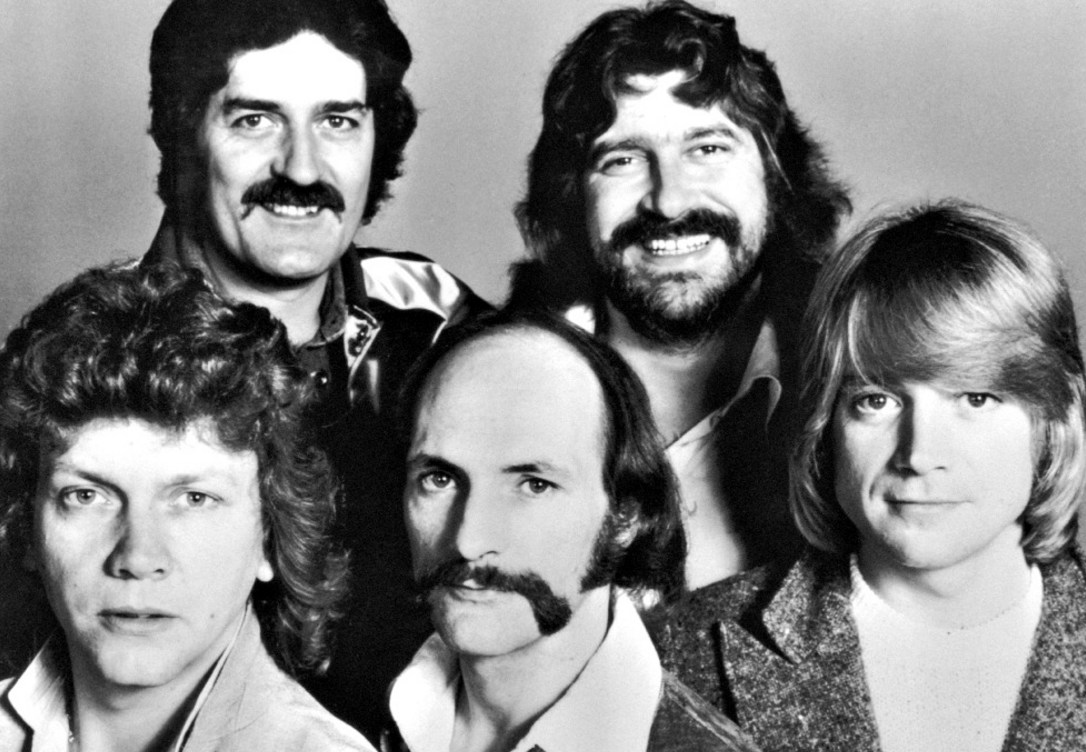
The Moody Blues created a sound unlike anyone else in classic rock, blending sweeping orchestral arrangements, poetic songwriting, and rich harmonies into music that felt both deeply personal and endlessly cosmic. Emerging during the explosive creativity of the late 1960s, the band transformed progressive rock into something emotional, melodic, and dreamlike, crafting songs that explored love, time, spirituality, imagination, and the mysteries of life itself. Their music could be intimate and reflective one moment, then grand and cinematic the next, carried by unforgettable melodies and thoughtful lyrics that continue to resonate decades later. From haunting ballads to ambitious symphonic epics, The Moody Blues built a catalog filled with timeless classics that shaped the sound of progressive and art rock for generations. This collection celebrates the songs that defined their extraordinary legacy and turned them into one of the most beloved and influential bands in rock history.
1. Nights In White Satin
“Nights In White Satin” is the Moody Blues song that most powerfully captures the band’s gift for turning rock music into something cinematic, poetic, and emotionally enormous. Released during the group’s transformation from rhythm and blues roots into symphonic progressive rock pioneers, the track became a defining statement of their artistic identity. Justin Hayward’s vocal performance is haunting, vulnerable, and beautifully controlled, carrying the ache of romantic longing with a sincerity that never feels overdone. The melody moves like a confession, while the orchestral textures around it create an atmosphere of twilight, memory, and unresolved feeling. This is not simply a ballad. It is a mood, a world, and a complete emotional landscape. The song’s power comes from the contrast between intimacy and grandeur. One moment it feels like a private diary entry. The next, it rises into something almost cathedral like. The use of the Mellotron became central to the band’s identity, giving the arrangement its ghostly, sweeping beauty. “Nights In White Satin” remains one of the most popular Moody Blues songs because it speaks to heartbreak in a timeless way. It is elegant, mysterious, deeply melodic, and impossible to separate from the evolution of progressive rock.
2. Tuesday Afternoon
“Tuesday Afternoon” is one of the Moody Blues’ most radiant songs, a piece that captures the sensation of time slowing down on a bright, reflective day. Written and sung by Justin Hayward, the track feels like sunlight translated into music, filled with open air melodies, dreamy orchestration, and a lyrical sense of wonder. Unlike the darker romantic drama of “Nights In White Satin,” this song leans into optimism and discovery. It sounds like someone stepping outside and suddenly noticing the world with fresh eyes. The beauty of “Tuesday Afternoon” lies in its graceful simplicity. The melody is instantly memorable, but the arrangement gives it a progressive rock richness that elevates it beyond ordinary pop. The Moody Blues were masters at blending philosophical thought with accessible songwriting, and this track is one of their finest examples. The song also helped establish the band’s ability to create music that felt spiritual without becoming distant or abstract. It is gentle, melodic, and filled with the warmth of personal revelation. “Tuesday Afternoon” remains popular because it invites listeners into a peaceful state of mind. It is one of those rare classics that can feel nostalgic, uplifting, and quietly profound all at once.
3. Question
“Question” is one of the Moody Blues’ most urgent and memorable songs, driven by a sense of searching that feels both personal and universal. The track begins with a fast acoustic rush, creating immediate tension before opening into a more reflective melodic passage. That contrast is central to its greatness. It sounds like a mind racing through uncertainty, then pausing to ask what love, peace, and truth are supposed to mean in a troubled world. Justin Hayward’s vocal carries both intensity and tenderness, making the song feel like a philosophical plea rather than a simple protest. The Moody Blues often explored big questions, but here they made those questions feel direct and emotionally immediate. The arrangement moves between folk inspired strumming, dramatic harmonies, and sweeping melodic release, showing how naturally the band could combine progressive ambition with radio friendly impact. Released during a period shaped by political unrest and cultural change, “Question” resonated because it captured the confusion of its time without being trapped inside it. The song remains popular because its concerns still feel alive. It asks what people are fighting for, what love can overcome, and why certainty often feels so far away. Few Moody Blues songs balance urgency and beauty this effectively.
4. Your Wildest Dreams
“Your Wildest Dreams” gave the Moody Blues a major 1980s resurgence, proving that their gift for melody, atmosphere, and emotional storytelling could thrive in a new pop era. The song is built around nostalgia, memory, and the strange ache of wondering what happened to someone who once meant everything. Justin Hayward sings with a wistful softness that perfectly suits the lyric, making the track feel like a letter sent across time. The production reflects the decade, with polished keyboards and a smooth radio ready sheen, yet the emotional core remains unmistakably Moody Blues. It is a song about looking backward without becoming frozen in the past. The melody carries a bittersweet glow, balancing regret with affection. Part of its popularity came from its memorable music video, which turned the song’s theme of youthful romance and adult remembrance into a visual story. Even without that imagery, the recording stands as one of the band’s most accessible later classics. “Your Wildest Dreams” works because nearly everyone understands the feeling it describes. The person from long ago, the unanswered question, the dream of what might have been. The Moody Blues turned that feeling into a graceful pop rock gem that remains deeply beloved.
5. Ride My See Saw
“Ride My See Saw” is one of the Moody Blues’ most energetic and exciting tracks, a song that shows the band could deliver driving rock power while still holding onto their mystical and philosophical edge. Written by John Lodge, the song moves with a forceful rhythm and a sense of forward motion that makes it stand apart from the group’s more dreamlike ballads. The harmonies are bold, the guitars have bite, and the chorus carries a communal charge that made it a natural concert favorite. This is the Moody Blues at their most physical and propulsive. The song’s lyrical imagery suggests movement, escape, and the search for a higher perspective, all themes that fit perfectly within the band’s late 1960s creative world. Yet the track never becomes too abstract because its rhythm keeps it grounded. It has the spirit of a rock anthem, but with enough melodic sophistication to remain unmistakably theirs. “Ride My See Saw” became one of the band’s most popular songs because it offered a different kind of Moody Blues experience. Instead of drifting inward, it pushes outward. It sounds like release, momentum, and awakening. For fans who love the band’s heavier side, this recording remains essential.
6. I’m Just A Singer In A Rock And Roll Band
“I’m Just A Singer In A Rock And Roll Band” is one of the Moody Blues’ most self aware and rhythmically punchy songs, a track that addresses fame, expectation, and artistic identity with remarkable clarity. John Lodge’s vocal brings a strong, grounded energy to the song, giving it a different flavor from the band’s more ethereal Justin Hayward led classics. The arrangement is tight, urgent, and full of movement, powered by a rhythm section that feels unusually muscular for the group. The song works because it pushes back against the idea that musicians are prophets or saviors. During an era when rock artists were often expected to speak for entire generations, the Moody Blues offered a more humble reminder that music can inspire without pretending to have every answer. That perspective gives the track both intelligence and charm. It is catchy enough to work as a radio single, but thoughtful enough to fit naturally within the band’s larger body of work. The harmonies add drama, while the groove keeps everything accessible. “I’m Just A Singer In A Rock And Roll Band” remains popular because it captures the Moody Blues in a lively, direct, and refreshingly human mode. It is philosophical, but it also rocks with confidence.
7. The Story In Your Eyes
“The Story In Your Eyes” is one of the Moody Blues’ most powerful guitar driven songs, combining romantic urgency with a sense of looming change. Written by Justin Hayward, the track carries a sharper rock edge than many of the band’s more orchestral pieces, yet it still contains the melodic elegance and emotional depth that defined their best work. The opening guitar gives the song immediate lift, setting up a performance that feels alert, passionate, and restless. Hayward’s vocal is clear and expressive, singing as if he is trying to read truth in another person before time runs out. The song’s title captures its emotional center beautifully. It is about recognition, connection, and the fragile knowledge that love exists within a world that can shift at any moment. The Moody Blues often wrote about vast ideas, but this track brings those ideas into a direct human encounter. The rhythm is brisk, the harmonies are strong, and the overall performance has a bright intensity that helped make it one of their most enduring favorites. “The Story In Your Eyes” remains popular because it blends rock momentum with poetic feeling. It is compact, passionate, and filled with the band’s unmistakable sense of wonder.
8. Isn’t Life Strange
“Isn’t Life Strange” is one of the Moody Blues’ grandest and most emotionally reflective songs, a sweeping meditation on love, change, and the mystery of existence. Written by John Lodge, the song moves with patience and dignity, allowing its central question to unfold slowly rather than arrive as a quick hook. The arrangement has a stately beauty, with orchestral textures and rich harmonies that give the track a sense of scale. It feels less like a conventional rock song and more like a philosophical hymn. The Moody Blues were especially gifted at making life’s largest questions feel melodic and approachable, and “Isn’t Life Strange” is one of their finest examples of that skill. The vocal performance carries warmth and contemplation, suggesting both awe and sorrow. There is a sense that the song is looking at human experience from a distance, yet it never loses emotional intimacy. Its popularity comes from how gracefully it expresses feelings that are difficult to explain. Love appears, disappears, returns, and changes shape. Time moves forward whether anyone understands it or not. “Isn’t Life Strange” gives those thoughts a majestic musical form, making it one of the band’s most moving and enduring works.
9. Gemini Dream
“Gemini Dream” brought the Moody Blues into the early 1980s with style, energy, and a renewed sense of pop rock purpose. Taken from the Long Distance Voyager era, the song showed that the band could modernize its sound without abandoning the melodic craft and atmospheric intelligence that made its earlier work so beloved. The track has a bright, driving rhythm, polished keyboard textures, and a confident vocal blend that gives it a sleek radio friendly quality. What makes “Gemini Dream” special is its feeling of motion. It sounds like travel, reunion, performance, and anticipation all wrapped into one shimmering package. Justin Hayward and John Lodge share the spotlight effectively, bringing complementary vocal personalities to the recording. The song’s title hints at duality, fitting a band whose music often balanced earthly feeling with cosmic imagination. While some classic rock groups struggled to adapt to the changing musical climate of the 1980s, the Moody Blues found a way to sound contemporary while still sounding like themselves. “Gemini Dream” remains popular because it captures that successful transition. It is upbeat, polished, and full of melodic charm, proving that the band’s creative spark continued well beyond its original progressive rock heyday.
10. Go Now
“Go Now” represents the Moody Blues before their full transformation into symphonic progressive rock visionaries, but it remains one of the most important songs in their history. Featuring Denny Laine on lead vocals, the track is rooted in rhythm and blues rather than the Mellotron soaked cosmic sound that later defined the band. Even so, its emotional force is undeniable. The performance is raw, soulful, and filled with pleading intensity. Laine’s vocal gives the song its aching center, capturing the pain of a relationship reaching its breaking point. There is a directness here that differs from the band’s later philosophical style, but that directness is exactly why the song connected so strongly with listeners. The piano driven arrangement supports the emotional drama beautifully, giving the recording a classic mid 1960s British beat atmosphere with deep soul influence. “Go Now” became a major early success and introduced the Moody Blues to a wide audience before their artistic identity shifted dramatically. Its lasting popularity comes from its honesty. It does not need elaborate orchestration or mystical imagery to make an impact. It is simply a powerful heartbreak song, delivered with conviction, and it remains a vital part of the Moody Blues story.

Samuel Moore is a frequent contributor to Singers Room. Since 2005, Singersroom has been the voice of R&B around the world. Connect with us via social media below.