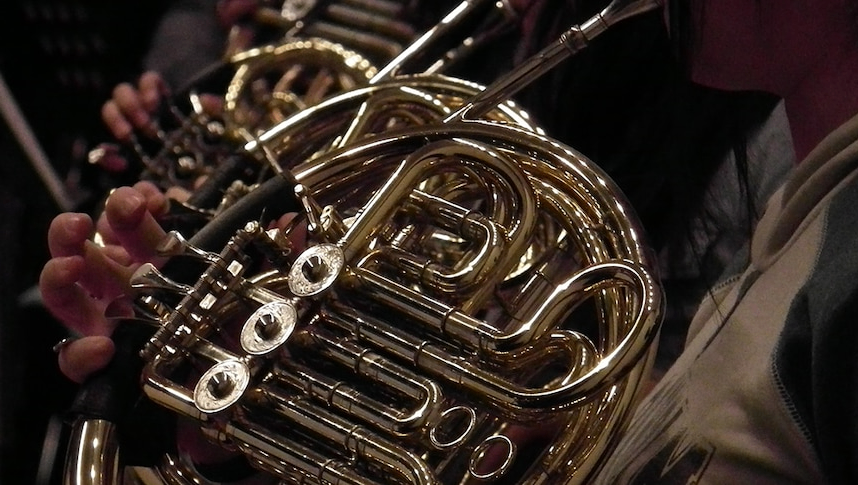
Powerful, noble, and unmistakably rich in tone, the French horn has long been one of the most expressive instruments in orchestral music. Its sound can evoke the grandeur of a heroic fanfare, the mystery of a distant forest, or the warmth of a deeply emotional melody. Across generations, extraordinary horn players transformed the instrument from an orchestral voice into a celebrated solo force capable of breathtaking artistry. From legendary classical virtuosos to groundbreaking modern performers, these musicians pushed technical boundaries while bringing remarkable beauty and character to every note. Their performances continue to inspire audiences, proving that the French horn is one of the most captivating and emotionally resonant instruments ever created.
1. Dennis Brain
Dennis Brain remains one of the most legendary French horn players of all time, a musician whose name still carries almost mythic weight among brass players and classical listeners. His recordings of Mozart’s horn concertos are considered essential, especially because they reveal a tone that is noble, rounded, and astonishingly natural. Brain made the French horn sound effortless, even though the instrument is famous for being one of the most difficult in the orchestra. His phrasing had a vocal quality, as if every line were being sung rather than played through brass tubing. In Mozart’s music, he brought brightness without harshness, elegance without stiffness, and wit without exaggeration. His work with the Philharmonia Orchestra and conductor Herbert von Karajan helped set a benchmark for horn playing that still influences performers today. Brain’s artistry was not merely technical brilliance. It was a complete musical personality, graceful, intelligent, and deeply expressive. His career was tragically short, but the recordings he left behind changed the identity of the horn as a solo instrument. Whenever listeners hear his Mozart, they encounter a player who made refinement feel alive, spontaneous, and warmly human.
2. Barry Tuckwell
Barry Tuckwell was one of the most celebrated French horn players of the twentieth century, admired for his commanding tone, astonishing reliability, and wide ranging musical curiosity. His performances of Mozart’s horn concertos remain some of the most beloved interpretations ever recorded, particularly because he brought a brilliant combination of elegance, strength, and playful classical style to the music. Tuckwell’s sound had a golden center, polished yet never sterile, and his technique allowed him to shape phrases with remarkable freedom. He was born in Australia and built an international career as a soloist, chamber musician, conductor, and teacher, helping raise the profile of the horn around the world. His interpretations of Richard Strauss, Mozart, Haydn, and Britten showed how flexible the instrument could be in different musical languages. Tuckwell gave the horn a confident solo identity, proving that it could stand proudly beside the violin, piano, and cello in the concert world. His recordings are still studied for their phrasing, clarity, and tonal command. He made the French horn sound heroic, elegant, and conversational all at once, which is why his influence remains so strong among serious horn players and classical music lovers.
3. Hermann Baumann
Hermann Baumann is widely regarded as one of the greatest French horn players of the modern era, known for his extraordinary control, rich tone, and deep understanding of both natural horn and modern horn traditions. His performances of Mozart’s horn concertos display a rare blend of technical assurance and musical warmth. Baumann had a way of making the horn sound deeply lyrical, not simply grand or ceremonial. In Mozart, he could turn a phrase with grace, breathe life into a playful rondo, and give slow movements a soft radiance that felt almost vocal. Beyond Mozart, Baumann became highly respected for his work in baroque, classical, romantic, and contemporary repertoire. His recordings of Glière, Haydn, Rosetti, Strauss, and chamber music helped broaden the appreciation of the horn’s expressive possibilities. Baumann’s playing carries both scholarly insight and emotional beauty. He understood the history of the instrument, but he never allowed that knowledge to become dry or academic. Instead, he used it to create performances full of color, character, and natural phrasing. His legacy is especially important because he bridged historic performance awareness with modern technical brilliance, making him a towering figure in horn history.
4. Sarah Willis
Sarah Willis has become one of the most visible and beloved French horn players in the world, known not only for her artistry with the Berlin Philharmonic, but also for her ability to make classical music feel inviting, lively, and culturally adventurous. Her Mozart y Mambo project is one of her signature achievements, blending Mozart horn repertoire with Cuban rhythms, dance energy, and vibrant ensemble color. In this music, Willis shows that the horn can be elegant and playful at the same time. Her sound is warm, secure, and full of personality, with a bright communicative spirit that reaches far beyond traditional concert audiences. She has also become an influential educator and presenter, using interviews, broadcasts, and online platforms to introduce listeners to brass playing and orchestral life. Willis’s popularity comes from the way she connects excellence with joy. She treats the French horn seriously, but never solemnly. Her performances often remind listeners that virtuosity can smile, dance, and welcome people in. Through her work with Mozart, mambo, chamber music, and the Berlin Philharmonic, she has helped give the horn a modern global personality.
5. Radek Baborák
Radek Baborák is one of the most dazzling French horn virtuosos of recent decades, admired for his agile technique, glowing tone, and fearless command of demanding repertoire. His performances of Mozart and Strauss reveal a player with tremendous flexibility, capable of singing lyrical lines with elegance and then unleashing brilliant passages with astonishing ease. Baborák’s sound often has a polished, luminous quality, but underneath that beauty is serious power and control. He has served in major orchestral positions, including with the Berlin Philharmonic, and has also built a respected career as a soloist, conductor, and chamber musician. His interpretations of Richard Strauss, Glière, Mozart, Bach arrangements, and Czech repertoire demonstrate an unusually broad musical mind. Baborák makes the horn sound both athletic and poetic. He can bring trumpet like brilliance to heroic passages while preserving the roundness and mystery that make the horn so special. His recordings and live performances have inspired younger horn players who admire his seemingly effortless facility. Whether performing a concerto, leading an ensemble, or exploring transcriptions, Baborák presents the French horn as a noble, agile, and deeply expressive solo voice with almost limitless color.
6. Dale Clevenger
Dale Clevenger was one of the most powerful and influential orchestral horn players in American music history, best known for his long tenure as principal horn of the Chicago Symphony Orchestra. His performances in the music of Richard Strauss, especially works connected to the heroic horn tradition, became models of orchestral authority. In Strauss’s Horn Concerto No. 1, Clevenger’s playing reveals the qualities that made him legendary: a huge sound, fearless attacks, muscular phrasing, and a thrilling sense of musical direction. His tone had the kind of presence that could cut through a massive orchestra without losing warmth or character. As part of the Chicago brass tradition, he helped define a bold, brilliant, and disciplined American sound that influenced countless players. Clevenger’s greatness was rooted in command. He played with confidence that felt almost architectural, shaping large musical gestures with strength and purpose. Beyond orchestral performance, he also taught extensively, passing on ideas about breath, courage, preparation, and musical leadership. His legacy lives not only in recordings, but also in the many horn players who learned from his example of intensity, discipline, and unmistakable sound.
7. Philip Farkas
Philip Farkas was a giant of French horn history, celebrated as a performer, teacher, author, and architect of modern horn pedagogy. His performances of works such as Schumann’s Adagio and Allegro show a player of lyrical depth, focused tone, and elegant musical shaping. Farkas was principal horn of several major American orchestras, most famously the Chicago Symphony Orchestra, and he helped establish standards of orchestral horn playing that shaped generations. Yet his influence extends far beyond the concert stage. His book The Art of French Horn Playing became one of the most important instructional texts for the instrument, studied by horn players across the world. In performance, Farkas brought a noble singing style to romantic repertoire, balancing discipline with feeling. He helped define what serious horn study could be, connecting technique, breathing, embouchure, tone, and artistry into one complete philosophy. His playing was not about flamboyant display. It was about clarity, reliability, musical line, and tonal integrity. For many horn players, Farkas is both a historic performer and a guiding teacher whose ideas still shape daily practice, orchestral preparation, and the pursuit of a beautiful horn sound.
8. Stefan Dohr
Stefan Dohr is one of the most respected French horn players in the contemporary classical world, widely admired as principal horn of the Berlin Philharmonic and as a soloist with remarkable technical command. His performances of Richard Strauss’s Horn Concerto No. 1 show a musician who combines brilliance, precision, and a deep understanding of the horn’s heroic character. Dohr’s tone is centered and flexible, capable of ringing power in high dramatic passages and velvety softness in lyrical lines. He represents a modern school of horn playing that values clarity, stamina, musical intelligence, and stylistic range. In addition to Strauss and Mozart, he has championed contemporary repertoire, working with composers and performing new works that expand the horn’s modern voice. Dohr makes the horn sound both traditional and forward looking. He carries the great orchestral lineage of the Berlin Philharmonic while also embracing the instrument’s future. His playing is admired by professionals because it seems so complete: technically secure, musically thoughtful, and emotionally poised. For listeners, his performances offer the best of modern horn artistry, combining grandeur, finesse, and a rare sense of calm authority.
9. David Pyatt
David Pyatt is one of Britain’s most admired French horn players, known for his lyrical sound, strong musical instincts, and distinguished orchestral career. He rose to prominence at a young age, becoming one of the finest horn soloists of his generation and later serving in major orchestral roles, including with the London Symphony Orchestra and London Philharmonic Orchestra. His interpretations of Mozart and Strauss reveal a player with elegance, precision, and a naturally singing approach to the instrument. The French horn often demands both bravery and delicacy, and Pyatt has long been admired for balancing those qualities with remarkable poise. In Mozart, his playing emphasizes clarity, buoyancy, and clean classical phrasing, while in romantic repertoire he brings a broader, more expansive sound. Pyatt’s artistry is built on refinement and expressive honesty. He does not exaggerate for effect. Instead, he lets the line, tone, and musical structure speak clearly. His importance also comes from his role in the British horn tradition, where warmth, discipline, and orchestral sensitivity are highly valued. For students and listeners alike, David Pyatt represents a polished and deeply musical approach to French horn performance.
10. Frøydis Ree Wekre
Frøydis Ree Wekre is one of the most influential French horn players and teachers in the world, admired for her musicianship, depth of thought, and enormous contribution to horn education. Her performances of modern and Scandinavian repertoire reveal an artist with a distinctive voice and a fearless commitment to expanding the instrument’s literature. In works such as horn concertos by contemporary composers, Wekre brings clarity, imagination, and a wide palette of color. Her sound can be lyrical, dramatic, mysterious, or boldly projected depending on the musical language. She has also been a central figure in shaping how horn players think about practice, performance psychology, breathing, and musical communication. Wekre’s influence is especially powerful because she joins artistry with mentorship. She has guided generations of players through teaching, masterclasses, books, and recordings, encouraging musicians to think beyond mechanics and toward expressive purpose. Her career shows that popularity in the horn world is not only about public fame, but also about lasting impact. She helped make the French horn repertoire more adventurous, more thoughtful, and more globally connected. Her legacy is one of intelligence, generosity, and deep musical integrity.
11. Radovan Vlatković
Radovan Vlatković is one of the most respected French horn players of the international concert world, known for his luminous tone, expressive control, and exceptional command of classical and romantic repertoire. His performance of Mozart’s Horn Concerto No. 3 captures the elegance and buoyancy that define great horn playing. The concerto requires charm, agility, and a natural sense of musical conversation, and Vlatković brings all of those qualities with refined ease. His sound has a warm center and a graceful projection, allowing the horn to sing without heaviness. Born in Croatia, he developed an international career as a soloist, chamber musician, and teacher, performing with major orchestras and appearing at respected festivals around the world. His repertoire includes Mozart, Strauss, Glière, Schumann, and many chamber works that highlight the horn’s lyrical range. Vlatković’s playing feels aristocratic without being distant. He combines elegance with emotional presence, giving each phrase shape and meaning. His influence as a teacher has also been substantial, especially in Europe, where many young horn players study his phrasing, tone, and musical discipline as a model of refined horn artistry.
12. Marie Luise Neunecker
Marie Luise Neunecker is one of the most distinguished French horn players of her generation, admired for her refined tone, strong interpretive intelligence, and significant role as a soloist and teacher. Her performances of Richard Strauss’s Horn Concerto No. 1 display a beautiful balance of strength and sophistication. Strauss gives the horn sweeping heroic lines, lyrical tenderness, and brilliant fanfare writing, and Neunecker approaches the work with both clarity and expressive warmth. Her sound is focused yet rounded, with a sense of control that allows the music to unfold naturally. She has also championed important contemporary works and has collaborated with leading orchestras and conductors, helping position the horn as a serious modern solo instrument. Neunecker’s artistry is marked by elegance and courage. She does not rely on excessive drama. Instead, she brings structural understanding, tonal beauty, and musical conviction to demanding repertoire. As a professor and mentor, she has helped shape many younger players, particularly in Germany and across Europe. Her career stands as a powerful example of how the French horn can be both noble and intellectually adventurous, capable of classic grandeur and modern exploration.
13. Alan Civil
Alan Civil was one of Britain’s most important French horn players, known for his refined orchestral work, solo performances, and unforgettable presence on one of the most famous pop recordings of all time. He played the horn solo on the Beatles song For No One, a moment that introduced countless listeners to the expressive beauty of the instrument outside the concert hall. The solo is brief, but it is exquisitely shaped, with a melancholy grace that perfectly matches the song’s elegant sadness. Civil was also principal horn of major ensembles, including the Philharmonia Orchestra and the BBC Symphony Orchestra, and he performed Mozart concertos with distinction. His importance lies in the rare bridge he created between classical excellence and popular music history. Few horn players can claim such a memorable role in both orchestral tradition and mainstream culture. His tone was clear, poised, and deeply musical, bringing dignity to everything he played. In Mozart, he showed classical polish; in the Beatles, he showed how the horn could color a song with emotional sophistication. Alan Civil remains a fascinating figure because his artistry reached listeners in concert halls and living rooms alike.
14. Aubrey Brain
Aubrey Brain was one of the most important British horn players of the early twentieth century and the father of Dennis Brain, forming part of one of the great musical families in brass history. His playing helped shape the English horn tradition, known for elegance, restraint, and a beautifully blended orchestral sound. Aubrey Brain was admired for his work with major ensembles and for his performances of classical repertoire, including Mozart’s horn concertos. His approach emphasized musical line, tonal poise, and chamber like sensitivity, qualities that influenced the next generation of British horn players. Although his son Dennis became the more internationally famous figure, Aubrey’s role in establishing a high standard of horn playing cannot be overstated. He helped create the environment from which one of history’s greatest horn talents emerged. His musicianship reflected a time when the horn was gaining increasing respect as a solo instrument while still remaining central to orchestral color. The Brain family name became synonymous with refinement, intelligence, and technical polish. Aubrey Brain’s legacy is therefore both personal and historical. He was a fine artist in his own right and a foundational figure in the lineage of modern horn performance.
15. Eric Ruske
Eric Ruske is one of the most admired American French horn soloists and teachers of the modern era, known for his warm tone, technical facility, and commitment to bringing the horn to wider audiences. His performances of Mozart, Strauss, and contemporary works show a player with both classical discipline and expressive imagination. Ruske has long been praised for the singing quality of his sound, which allows the horn to project lyricism rather than simply power. In concerto repertoire, he brings clarity, brightness, and a sense of natural phrase direction that makes the music feel approachable while remaining deeply polished. He has performed internationally, recorded extensively, and contributed significantly as an educator, helping train many younger horn players. Ruske’s appeal comes from the combination of virtuosity and warmth. He understands that the horn can be heroic, but also intimate, playful, and deeply poetic. His artistry reflects a modern American approach that values versatility, refined technique, and communication with listeners. As both performer and teacher, he has helped keep the French horn vibrant in recital halls, classrooms, recordings, and festivals, making him a meaningful figure in the instrument’s continuing story.

Samuel Moore is a frequent contributor to Singers Room. Since 2005, Singersroom has been the voice of R&B around the world. Connect with us via social media below.