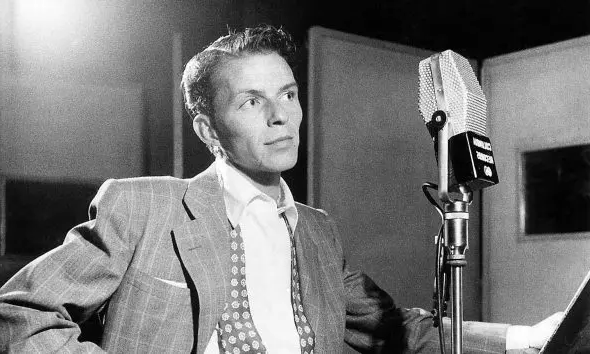
Few entertainers in music history embodied elegance, charisma, and vocal mastery quite like Frank Sinatra. With a voice that could sound romantic, wounded, playful, or deeply reflective within a single phrase, Sinatra transformed popular singing into an art form built on emotion, timing, and storytelling. Rising from the big band era to become one of the defining cultural icons of the twentieth century, he created timeless classics that continue to echo through restaurants, concert halls, films, and late night city streets. Songs like “My Way,” “Fly Me to the Moon,” and “New York, New York” became more than hits. They became part of the American musical identity itself. Backed by lush orchestras and remarkable arrangers, Sinatra brought sophistication and humanity to every performance, making even the most familiar standards feel personal, intimate, and unforgettable.
1. My Way
“My Way” is the Frank Sinatra recording that became almost inseparable from his public image, a grand statement of independence, reflection, and personal resolve. The song is often heard as a farewell, but its emotional power comes from something more complicated than simple goodbye. Sinatra sings as a man looking back over choices, mistakes, victories, and scars with a voice that refuses apology. Every phrase feels measured, as if he is weighing a life not by perfection, but by ownership. The arrangement begins with dignity and restraint, then grows into a sweeping orchestral climax that mirrors the rising force of memory.
What makes “My Way” so enduring is the authority Sinatra brings to it. Many singers can perform the notes, but few can make the lyric feel so personally inhabited. His phrasing gives the song its soul. He stretches certain words, tightens others, and lets silence speak between lines. The result is not merely a performance of pride, but a portrait of self possession. “My Way” remains one of Sinatra’s most popular songs because it speaks to anyone who wants to look back and believe they lived with courage. It is dramatic, elegant, and deeply human, a signature anthem for an artist who made conviction sound timeless.
2. Fly Me to the Moon
“Fly Me to the Moon” is one of Frank Sinatra’s most joyful and effortlessly stylish recordings, a song that turns romance into swing, charm, and cosmic imagination. Backed by Count Basie and his orchestra, Sinatra takes a graceful standard and gives it buoyancy, polish, and irresistible forward motion. The lyric asks for moonlit adventure, starry playfulness, and emotional closeness, but Sinatra never lets it become overly sweet. He sings with relaxed confidence, making the fantasy feel sophisticated rather than sentimental. His voice glides through the melody with the ease of someone who knows exactly how to land every phrase.
The greatness of “Fly Me to the Moon” lies in its rhythm. The arrangement swings with crisp elegance, giving Sinatra room to phrase behind the beat and then snap back into perfect time. That sense of timing is central to his genius. He makes the song feel spontaneous, as if romance itself has become a cool conversation over a brilliant big band groove. The song’s association with glamour, space age optimism, and classic American style has only strengthened its popularity. “Fly Me to the Moon” remains beloved because it captures Sinatra at his most charming: romantic without excess, playful without losing class, and musically precise while sounding completely natural.
3. Theme From New York, New York
“Theme From New York, New York” became one of Frank Sinatra’s great late career signature songs, a bold anthem of ambition, reinvention, and city lights. Although it first came from the film world, Sinatra transformed it into a personal statement of swagger and determination. His version sounds like a man stepping onto a bright stage with the skyline behind him, ready to test himself against the biggest city in the world. The lyric is full of movement, confidence, and possibility, but Sinatra gives it more than surface excitement. He turns it into a declaration that success is something to be chased with nerve and style.
What makes “Theme From New York, New York” so powerful is its build. The arrangement starts with anticipation, then rises into brassy grandeur as Sinatra’s voice grows more commanding. By the final chorus, the song feels like a parade, a toast, and a personal challenge all at once. Sinatra’s phrasing gives the famous lines their punch, making every word feel shaped by experience. The song became a cultural anthem because it belongs equally to dreamers, performers, travelers, and anyone who sees New York as a symbol of possibility. It remains one of Sinatra’s most popular songs because it captures the thrill of starting again with confidence, elegance, and a little bit of danger in the air.
4. That’s Life
“That’s Life” is Frank Sinatra at his most resilient, brassy, and streetwise, a song that turns setbacks into swagger. The track is built on a bold arrangement filled with punchy horns, organ flavor, and a vocal performance that sounds bruised but undefeated. Sinatra sings as someone who has been knocked down, laughed at, disappointed, and tested, yet refuses to stay low. The lyric moves through different roles and fortunes, presenting life as a cycle of rises, falls, reversals, and fresh starts. In Sinatra’s hands, that message becomes more than motivational. It becomes character.
The enduring appeal of “That’s Life” comes from the way Sinatra balances humor and grit. He does not pretend disappointment is painless. He simply refuses to let it have the final word. His vocal has bite, timing, and attitude, especially when he leans into the rhythm with the confidence of a fighter stepping back into the ring. The arrangement supports him beautifully, giving the song a soulful energy that separates it from more polished ballads. “That’s Life” remains one of Sinatra’s most popular songs because it captures a universal truth with unforgettable style. Everyone falls. Everyone faces ridicule, failure, or bad luck. Sinatra makes getting back up sound not only possible, but magnificent.
5. Strangers in the Night
“Strangers in the Night” is one of Frank Sinatra’s most famous romantic recordings, a lush and instantly recognizable song about chance, attraction, and the mysterious beginning of love. The arrangement moves with soft elegance, creating the feeling of two people noticing each other across a room where the air suddenly changes. Sinatra sings with warmth and controlled intimacy, letting the melody unfold as if he is remembering the moment love first arrived unexpectedly. The song’s simplicity is part of its charm. It does not need elaborate storytelling because the emotional situation is universal: two strangers meet, something sparks, and life turns in a new direction.
What makes “Strangers in the Night” endure is its atmosphere of romantic fate. Sinatra’s phrasing gives the lyric a smooth, conversational quality, while the orchestra surrounds him with gentle sophistication. The melody is easy to remember, but the performance adds depth through timing and tone. He sounds amused, grateful, and slightly amazed by the power of a passing glance. The famous ending vocal flourish became part of popular culture, but the song’s real strength lies in its graceful evocation of love as surprise. “Strangers in the Night” remains popular because it captures a fantasy many listeners cherish: that an ordinary evening can suddenly become the first page of a lifelong story.
6. I’ve Got You Under My Skin
“I’ve Got You Under My Skin” is one of Frank Sinatra’s most sophisticated performances, a masterclass in phrasing, tension, and controlled desire. Written by Cole Porter, the song gives Sinatra a lyric about romantic obsession disguised as cool self awareness. The narrator knows he should resist, understands the danger, and still cannot escape the emotional pull. Sinatra sings that contradiction perfectly. He sounds composed, but there is heat beneath the surface. His voice makes the listener hear both the polished exterior and the private surrender happening underneath.
The arrangement is central to the magic of “I’ve Got You Under My Skin”. Nelson Riddle’s famous orchestration builds gradually, moving from sleek restraint into a thrilling instrumental surge that mirrors the narrator’s loss of control. Sinatra rides that build with astonishing skill. He never overpowers the band, and he never gets swallowed by it. Instead, he shapes the song like an actor revealing emotion one layer at a time. The result is one of the finest examples of mid century popular singing. “I’ve Got You Under My Skin” remains one of Sinatra’s most popular songs because it makes desire sound elegant, intelligent, and dangerous. It is not just a love song. It is a psychological performance wrapped in swing, style, and impeccable musical architecture.
7. The Way You Look Tonight
“The Way You Look Tonight” is one of Frank Sinatra’s most tender and graceful romantic standards, a song that captures affection in its warmest and most timeless form. The lyric is built around memory before it even happens, as the singer imagines carrying the image of a beloved person through future moments of loneliness or sadness. Sinatra brings an extraordinary gentleness to the performance. He does not oversell the emotion. He lets the melody smile, giving the song a quiet glow that feels intimate and deeply sincere.
What makes “The Way You Look Tonight” so lasting is the elegance of its emotional restraint. Sinatra’s phrasing gives the song the feeling of a private compliment, not a grand public declaration. The arrangement supports that mood with warmth and polish, allowing his voice to remain close to the listener. Every line suggests admiration, gratitude, and the kind of affection that grows stronger through memory. This is one of the reasons the song has remained a favorite at weddings, anniversaries, and romantic celebrations. It carries beauty without heaviness, sweetness without excess, and nostalgia without sadness. “The Way You Look Tonight” remains one of Sinatra’s most popular songs because it captures a perfect emotional snapshot: the moment someone looks at another person and understands that the memory will last forever.
8. Come Fly With Me
“Come Fly With Me” is Frank Sinatra’s great invitation to adventure, a sparkling song that turns travel into glamour, romance, and mid century confidence. With Billy May’s bright arrangement behind him, Sinatra sounds like the perfect guide to a world of exotic destinations, elegant cocktails, moonlit skies, and effortless sophistication. The song captures an era when air travel still carried a sense of fantasy and style, but Sinatra makes the invitation feel personal rather than merely luxurious. He is not just singing about places. He is selling a mood of possibility.
The appeal of “Come Fly With Me” lies in its breezy confidence. Sinatra phrases the lyric as if he has already packed the bags and arranged the perfect escape. The horns sparkle, the rhythm swings, and the vocal carries a smile without becoming careless. It is one of his most charming uptempo performances because it blends elegance with movement. The song never feels rushed, yet it seems to lift off the ground. Its popularity has endured because it represents a classic Sinatra ideal: style as freedom, romance as journey, and music as a passport to somewhere brighter. “Come Fly With Me” remains beloved because it allows listeners to step into a world where travel is magical, love is stylish, and every destination is waiting with a melody.
9. Luck Be a Lady
“Luck Be a Lady” is one of Frank Sinatra’s most commanding performances, a song that perfectly suits his image of confidence, risk, charm, and controlled bravado. Originally from Guys and Dolls, the song becomes something unmistakably Sinatra when he sings it. The lyric addresses luck as if she were a glamorous but unpredictable woman, asking her to behave with grace at the crucial moment. Sinatra understands the theatrical setup completely. He sings with the poise of a gambler who knows the stakes are high but refuses to show fear.
What makes “Luck Be a Lady” so memorable is the combination of swing and drama. The arrangement moves with muscular elegance, giving Sinatra space to build the tension line by line. He shapes the lyric with a performer’s intelligence, turning each phrase into a gesture of persuasion. There is humor in the concept, but also real suspense. The song is about chance, but Sinatra makes it sound like a negotiation between destiny and personality. His voice carries authority, as if luck itself might listen. “Luck Be a Lady” remains one of Sinatra’s most popular songs because it captures the essence of his masculine stage persona without flattening it into mere swagger. It is stylish, theatrical, and full of the high stakes excitement that made Sinatra such a compelling interpreter.
10. The Lady Is a Tramp
“The Lady Is a Tramp” is one of Frank Sinatra’s sharpest and most swinging standards, a song that celebrates independence, wit, and refusal to play by society’s shallow rules. The title may sound teasing, but the spirit of the song is admiration for a woman who rejects pretension, status games, and artificial manners. Sinatra brings a playful bite to the performance, making every line feel alive with personality. He clearly enjoys the cleverness of the lyric, and his timing turns the song into a portrait of someone proudly outside the expected social script.
The enduring charm of “The Lady Is a Tramp” comes from its attitude. Sinatra sings with crisp phrasing and easy swing, giving the song a sense of freedom that matches its subject. The arrangement has the snap and sparkle associated with his best uptempo recordings, while his voice moves through the lyric with conversational mastery. He makes the character sound not scandalous, but refreshingly authentic. She does not care for empty glamour, false sophistication, or fashionable approval. That makes the song feel surprisingly modern in spirit. “The Lady Is a Tramp” remains popular because it combines humor, swing, and character in a way that few standards can match. It is Sinatra at his most urbane and lively, turning social defiance into pure musical style.

Edward Tomlin is a frequent contributor to Singers Room. Since 2005, Singersroom has been the voice of R&B around the world. Connect with us via social media below.