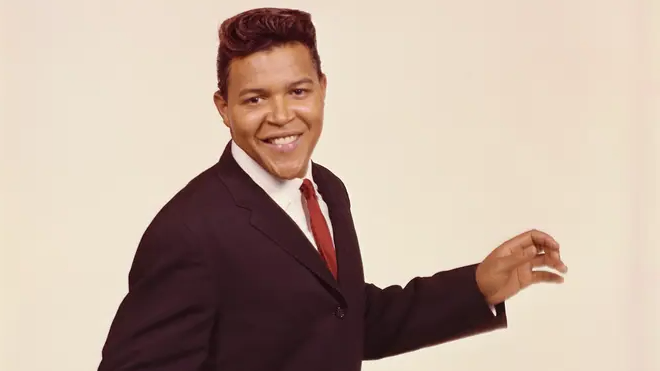
Few performers captured the joyful spirit of early rock and roll dance culture quite like Chubby Checker. With boundless energy, infectious rhythms, and a stage presence built for movement and celebration, Chubby Checker became one of the defining voices of the early 1960s. His music turned dance crazes into national sensations, bringing people onto dance floors with songs that felt playful, lively, and impossible to resist. Beyond the famous twists and party anthems, Checker’s recordings blended rock and roll, rhythm and blues, pop, and soul influences into a sound that perfectly matched the excitement of a changing musical era. His biggest hits carried a sense of fun and togetherness that made them staples of parties, radio stations, television appearances, and live performances across generations. Decades later, Chubby Checker’s greatest songs still radiate the same carefree excitement that helped shape the soundtrack of early rock and roll culture.
1. The Twist
The Twist is the Chubby Checker song that changed popular music by turning a simple dance into a worldwide cultural movement. While Hank Ballard and the Midnighters first recorded the song, Checker’s version became the definitive one, largely because he understood how to make the rhythm feel friendly, physical, and irresistible. His vocal performance is bright, confident, and full of invitation, as if he is not merely singing to an audience but personally calling everyone onto the floor. The song’s genius lies in its directness. The beat is clear, the instructions are simple, and the energy is impossible to mistake.
The Twist became more than a hit single because it transformed the social experience of dancing. Partners no longer had to move in traditional close hold patterns. People could dance individually, facing each other, moving freely, and feeling part of something modern. Checker’s charm gave the song its friendly spark. He made the dance seem accessible to teenagers, adults, television audiences, and partygoers everywhere. The recording has a buoyant rock and roll pulse with just enough rhythm and blues flavor to keep it grounded. Its popularity crossed generations because it represents fun in its purest musical form. The Twist remains one of the most important dance records ever made, not only for its chart success, but for the way it changed how people moved, gathered, and celebrated music together.
2. Let’s Twist Again
Let’s Twist Again is Chubby Checker’s great victory lap, a song that proved the twist was not just a passing novelty but a lasting musical craze with enough excitement to return for another round. The track has a brighter, more polished feel than The Twist, moving with a celebratory confidence that sounds like a party already in full swing. Checker’s vocal is cheerful, rhythmic, and full of showman energy. He sounds completely at ease in the role that made him famous, guiding listeners back into the dance with a grin in his voice.
Let’s Twist Again succeeds because it captures nostalgia and immediacy at the same time. The lyric looks back to the previous summer while inviting everyone to recreate that joy in the present moment. That blend of memory and motion gives the song its enduring charm. The arrangement is crisp and lively, with handclap style energy, driving rhythm, and a chorus built for instant participation. Checker delivers every line with infectious enthusiasm, making the record feel less like a sequel and more like a renewal of the original excitement. The song became one of his signature hits because it expanded his identity as the king of dance records. It is playful, upbeat, and wonderfully communal. Decades later, Let’s Twist Again still works because it captures the timeless pleasure of hearing a familiar rhythm and deciding, almost automatically, to move.
3. Limbo Rock
Limbo Rock is one of Chubby Checker’s most recognizable dance records, a song that shifted the excitement from twisting hips to ducking under the limbo stick with joyful abandon. The track takes a Caribbean inspired dance idea and transforms it into a bright early 1960s pop celebration. Checker’s performance is playful, energetic, and perfectly suited to the song’s physical concept. He sounds like a host at the center of a crowded dance floor, encouraging everyone to bend lower, laugh louder, and join the fun. That sense of inclusion is a major part of the song’s charm.
Limbo Rock became popular because it had the same crucial qualities as Checker’s best dance hits: a clear rhythm, a catchy hook, and an easy visual identity. Even listeners who had never seen the dance could imagine the party scene instantly. The groove is light, bouncy, and cheerful, allowing the song to feel more like a game than a performance. Checker’s voice keeps the atmosphere warm and approachable, never making the dance seem exclusive or difficult. It is music designed for participation, not passive listening. The song also shows how dance crazes could travel through radio and television during the early rock and roll era, turning simple moves into shared cultural moments. Limbo Rock remains a classic because it captures movement, novelty, and communal joy in one compact, unforgettable package.
4. Pony Time
Pony Time is one of Chubby Checker’s strongest dance hits, a lively track that helped extend his reign beyond the twist and into a wider world of early 1960s dance crazes. The song has a driving rhythm and a playful vocal delivery that immediately invite movement. Checker brings the same natural charisma that made him a household name, but here the mood is slightly punchier and more rhythmically insistent. He sounds enthusiastic without sounding forced, guiding listeners into another dance with the ease of a performer who understood exactly how to turn a beat into a social event.
Pony Time became a major success because it combined novelty with real rock and roll momentum. The song is not complicated, but that is part of its effectiveness. It gives dancers a clear idea, a lively groove, and enough vocal excitement to keep the energy high. Checker’s genius was his ability to make dance records feel democratic. He never presented himself as distant or untouchable. Instead, he sounded like the leader of the party, the person who could turn a room of strangers into a moving crowd. The track also reveals the strong rhythm and blues roots beneath his pop appeal. Its beat has bite, its vocal callouts have personality, and its hook sticks immediately. Pony Time remains one of Checker’s most popular songs because it captures a moment when dance, radio, and youth culture moved together with irresistible speed.
5. Slow Twistin’
Slow Twistin’ is a wonderful example of Chubby Checker expanding his signature dance style into a more relaxed, flirtatious groove. Featuring Dee Dee Sharp, the song turns the twist from an energetic party move into something smoother, more conversational, and full of playful chemistry. Checker’s voice has its familiar brightness, but he leaves space for the duet dynamic to shine. Sharp brings sparkle and personality, creating a lively back and forth that gives the track a different flavor from his solo dance anthems. The result is charming, rhythmic, and full of early 1960s dance floor appeal.
Slow Twistin’ works because it understands that dance music can be both energetic and intimate. The tempo eases back, allowing the groove to swing rather than race. That slower feel gives the song a social charm, as if listeners are watching two dancers trade moves and smiles across the floor. The arrangement is crisp and catchy, with enough rhythm and blues influence to keep the track grounded in real groove. Checker’s strength as a performer was never only about novelty. He had a rare ability to communicate fun through his phrasing, making even simple dance instructions feel alive. With Dee Dee Sharp adding vocal color and youthful flair, the song becomes one of his most enjoyable collaborations. Slow Twistin’ remains popular because it captures the dance craze era at its most relaxed, friendly, and wonderfully contagious.
6. The Fly
The Fly is one of Chubby Checker’s most energetic dance records, a spirited single that shows how quickly early 1960s pop could turn a movement idea into a national sensation. The song has a buzzing, playful quality that matches its title, with Checker delivering the vocal in a lively and animated style. He sounds fully committed to the fun, treating the dance not as a gimmick but as another opportunity to bring people together through rhythm. His enthusiasm gives the track its personality, helping listeners imagine the steps even before they try them.
The Fly stands out because it reflects the fast moving dance culture that Checker helped shape. After the massive success of the twist, audiences were eager for new steps, new party songs, and new ways to participate in rock and roll. Checker became one of the central figures in that movement because he understood performance as instruction, celebration, and invitation all at once. The track’s groove is sharp and upbeat, with a strong rhythmic pulse that keeps the energy moving. The vocal phrasing adds humor and motion, giving the song a lighthearted theatrical edge. While it may not have become as historically massive as The Twist, it remains one of his essential hits because it captures the era’s appetite for fun, novelty, and communal dance. The Fly is playful, catchy, and perfectly built for a crowded party floor.
7. Dancin’ Party
Dancin’ Party is one of Chubby Checker’s most cheerful celebrations of the dance floor itself, a record that gathers the spirit of his biggest hits into one bright, communal invitation. Rather than focusing on a single step alone, the song captures the broader excitement of gathering with friends, hearing the music start, and letting the room come alive. Checker’s vocal performance is full of warmth and showmanship. He sounds like the master of ceremonies at a party where everyone is welcome and no one is expected to stand still.
Dancin’ Party succeeds because it expresses the heart of Checker’s appeal. His music was never only about selling a dance craze. It was about creating an atmosphere of participation. The arrangement has an upbeat pop rock pulse, with a strong rhythm and a catchy chorus that makes the track feel instantly accessible. Checker’s voice brings personality to every phrase, keeping the energy friendly and inclusive. The song reflects a time when records, television appearances, teen dances, and local parties all helped shape popular music culture. It is easy to imagine Dancin’ Party filling a gymnasium, a living room, or a dance hall with movement and laughter. Its enduring charm lies in that direct sense of joy. Checker understood that music could be a social spark, and this song remains one of his most straightforward expressions of that gift.
8. Twist It Up
Twist It Up finds Chubby Checker returning to the dance style that made him famous while giving it a fresh burst of early 1960s pop energy. The title alone captures the song’s mission: keep the movement alive, raise the excitement, and remind everyone that the twist still had plenty of life left in it. Checker performs with his usual confidence and brightness, bringing a sense of command to the track without making it feel heavy. His voice remains friendly and animated, the perfect match for music designed to get bodies moving quickly.
Twist It Up is important because it shows how Checker’s identity became linked not simply to one song, but to an entire cultural movement. After The Twist exploded, the challenge was to keep that energy fresh without sounding repetitive. This song answers that challenge by leaning into speed, rhythm, and renewed excitement. The groove is lively, the vocal hook is direct, and the record has the clean, punchy feel of classic Cameo Parkway era dance pop. Checker’s performance makes the song feel less like a retread and more like another chapter in the ongoing party. He had a gift for making simple musical ideas feel newly exciting through sheer personality. Twist It Up remains an enjoyable favorite because it captures the durable appeal of the twist as both a dance and a symbol of youthful freedom.
9. The Hucklebuck
The Hucklebuck is one of Chubby Checker’s important early dance records, connecting him to an older rhythm and blues dance tradition while allowing him to bring his own youthful pop energy to the song. Long before Checker became permanently associated with the twist, dance songs had already been a vital part of American rhythm and blues and rock and roll. This track places him inside that lineage, showing how his later success grew from a broader musical culture of callouts, grooves, steps, and audience participation. His performance is lively and confident, already revealing the charisma that would soon make him famous.
The Hucklebuck works because it has a strong rhythmic foundation and a playful sense of instruction. Checker sings with the enthusiasm of someone demonstrating the dance through sound alone. The arrangement has a classic early rock and roll feel, full of bounce and movement, and it gives him plenty of room to project personality. The song may not have had the same world changing impact as The Twist, but it remains essential because it shows the roots of his dance craze identity. Checker did not invent the idea of a record teaching people how to move, but he became one of its greatest popularizers. The Hucklebuck captures that role in early form, making it a valuable and enjoyable piece of his catalog. It is energetic, historically connected, and full of the communal spirit that defined his best work.
10. Loddy Lo
Loddy Lo is one of Chubby Checker’s catchy later early 1960s hits, a song that proves his appeal was not limited to the biggest twist anthems alone. The track has a bright, singable quality that shows his ability to move within pop, rhythm and blues, and dance oriented rock and roll while keeping his personality intact. Checker’s vocal is lively and approachable, delivering the playful title phrase with the kind of charm that made him such a natural fit for radio and television. The song feels lighthearted, but it is crafted with the same sense of rhythm and immediacy that powered his most famous records.
Loddy Lo stands out because it reveals the broader pop entertainer behind the dance craze image. While Checker will always be remembered first for The Twist, songs like this show how effectively he could handle catchy material that did not depend entirely on one famous step. The groove is relaxed but upbeat, the melody is easy to remember, and the arrangement reflects the clean, cheerful sound of early 1960s pop. Checker brings warmth and movement to the performance, making the song feel like a natural extension of his party friendly style. Its popularity came from the same qualities that made him a star: simplicity, joy, and instant accessibility. Loddy Lo remains a worthwhile favorite because it captures Chubby Checker as a performer who could turn a small phrase into a memorable musical moment filled with rhythm and personality.

Edward Tomlin is a frequent contributor to Singers Room. Since 2005, Singersroom has been the voice of R&B around the world. Connect with us via social media below.